Table of Contents >> Show >> Hide
- What Is Lamington Cake?
- Why This Lamington Cake Recipe Works
- Ingredients for Homemade Lamington Cake
- Recommended Equipment
- How to Make Lamington Cake Step by Step
- Optional Jam and Cream Lamingtons
- Best Coconut for Lamingtons
- Tips for Perfect Lamington Cake
- Flavor Variations
- Common Lamington Mistakes and How to Fix Them
- Serving Ideas
- Make-Ahead and Storage
- Personal Experience: What Baking Lamingtons Teaches You
- Conclusion
A good Lamington Cake Recipe is proof that dessert does not need fireworks, fondant sculptures, or a pastry degree to become unforgettable. Sometimes all you need is a soft vanilla sponge cake, a glossy chocolate coating, and enough coconut to make your kitchen look like a cheerful little snowstorm. Lamingtons are famous Australian cake squares, traditionally made by dipping pieces of sponge or butter cake into chocolate icing, then rolling them in coconut. The result is tender, chocolatey, lightly chewy, and ridiculously snackable.
This recipe is designed for an American home kitchen: simple ingredients, a 9-by-13-inch pan, clear steps, and practical tips that help you avoid the classic lamington disastercake cubes crumbling into chocolate sauce like they are auditioning for a baking tragedy. The secret is not complicated: bake a sturdy but soft sponge, cool it completely, chill or freeze it briefly, then dip with confidence.
Whether you are making lamingtons for a birthday tray, afternoon coffee, a bake sale, a holiday dessert table, or because Tuesday looked suspiciously under-caked, this guide will walk you through every step.
What Is Lamington Cake?
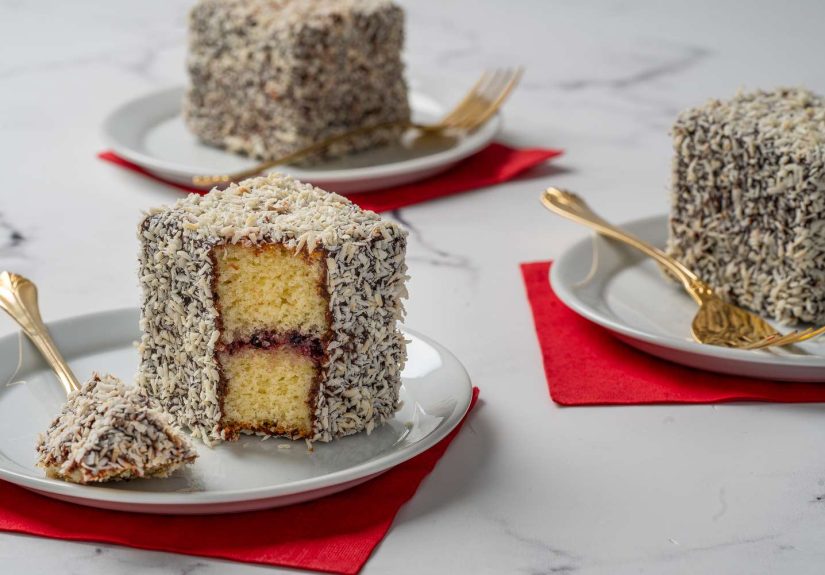
Lamington cake is usually made from squares of vanilla sponge cake or butter cake coated in chocolate icing and rolled in desiccated or shredded coconut. The chocolate layer lightly soaks into the outer surface of the cake, creating a soft shell that holds the coconut in place. Classic lamingtons are often served plain, but many versions include raspberry jam, whipped cream, buttercream, lemon curd, or even white chocolate coatings.
Think of lamingtons as the charming cousin of a snack cake and a petit four. They are neat enough for a party platter, humble enough for a lunchbox, and messy enough during dipping to remind you that baking is still a contact sport.
Why This Lamington Cake Recipe Works
The biggest challenge with homemade lamingtons is texture. The cake must be soft enough to taste lovely but strong enough to survive dipping. A dry cake may hold its shape, but it tastes like a sponge in the wrong sense of the word. A cake that is too delicate may taste wonderful, but once it meets warm chocolate icing, it can collapse faster than your plan to eat “just one.”
This recipe uses a tender vanilla butter sponge with enough structure for clean cutting. A short chill firms the cubes before coating, while the chocolate icing is thin enough to glaze but thick enough to cling. Unsweetened cocoa powder gives the coating a deep chocolate flavor without making the dessert overly heavy, and fine coconut creates the classic snowy finish.
Ingredients for Homemade Lamington Cake
For the Vanilla Sponge Cake
- 2 cups all-purpose flour
- 2 teaspoons baking powder
- 1/2 teaspoon fine salt
- 3/4 cup unsalted butter, softened
- 1 cup granulated sugar
- 3 large eggs, room temperature
- 2 teaspoons vanilla extract
- 3/4 cup whole milk, room temperature
For the Chocolate Icing
- 3 1/2 cups powdered sugar, sifted
- 1/2 cup unsweetened cocoa powder, sifted
- 3 tablespoons unsalted butter, melted
- 2/3 cup whole milk, warmed
- 1 teaspoon vanilla extract
- Pinch of salt
For Coating and Optional Filling
- 3 to 4 cups unsweetened fine shredded coconut or desiccated coconut
- 1/2 cup raspberry jam, optional
- 1 cup lightly sweetened whipped cream, optional
Recommended Equipment
You do not need fancy bakery equipment for this lamington cake recipe, but a few tools make life easier. Use a 9-by-13-inch baking pan, parchment paper, a wire cooling rack, two shallow bowls for dipping, a serrated knife, and two forks or dipping tools. A rimmed baking sheet under the cooling rack will catch drips and save your counter from becoming modern art.
How to Make Lamington Cake Step by Step
Step 1: Prepare the Pan
Preheat the oven to 350°F. Grease a 9-by-13-inch baking pan and line it with parchment paper, leaving a little overhang on the long sides. This helps you lift the cake out cleanly after baking. A neat cake slab is much easier to cut into even lamington squares.
Step 2: Mix the Dry Ingredients
In a medium bowl, whisk together the flour, baking powder, and salt. This quick step distributes the leavening evenly, which helps the cake rise consistently. Nobody wants one corner of the cake tall and proud while the other corner looks like it gave up in 2009.
Step 3: Cream the Butter and Sugar
In a large mixing bowl, beat the softened butter and granulated sugar for 3 to 4 minutes, until pale and fluffy. This creates tiny air pockets that help the cake bake up lighter. Add the eggs one at a time, beating well after each addition. Mix in the vanilla extract.
Step 4: Add Flour and Milk
Add the dry ingredients in three additions, alternating with the milk. Begin and end with the flour mixture. Mix on low speed just until combined. Overmixing can make the cake tougher, and lamingtons should be tender, not springy like a kitchen sponge.
Step 5: Bake the Cake
Spread the batter evenly in the prepared pan. Bake for 28 to 34 minutes, or until the top is lightly golden and a toothpick inserted into the center comes out clean. Let the cake cool in the pan for 15 minutes, then lift it out onto a wire rack and cool completely.
Step 6: Chill Before Cutting
Once the cake is completely cool, wrap it and chill it for at least 1 hour. For the cleanest dipping experience, freeze the cake for 30 to 45 minutes before coating. You do not want it rock hard; you just want it firm enough to cut and handle without crumbling.
Step 7: Cut Into Squares
Trim the edges if you want perfectly tidy lamingtons, then cut the cake into 24 squares. For larger bakery-style lamingtons, cut 18 squares. For party platters, smaller cubes are easier to serve and less likely to produce guests with chocolate on their sleeves, though honestly, that is part of the charm.
Step 8: Make the Chocolate Icing
In a large bowl, whisk together the sifted powdered sugar and cocoa powder. Add the melted butter, warm milk, vanilla, and salt. Whisk until smooth and pourable. The icing should be thinner than frosting but thicker than chocolate milk. If it is too thick, add a tablespoon of warm milk. If too thin, add a little more powdered sugar.
Step 9: Dip and Roll
Place the coconut in a shallow bowl. Working with one cake square at a time, dip it into the chocolate icing, turning to coat all sides. Let the excess drip off, then roll the square in coconut. Transfer to a wire rack to set. Repeat with the remaining cake pieces. This is the messy part. Wear an apron, accept your fate, and keep going.
Step 10: Let the Lamingtons Set
Let the coated lamingtons sit for 30 minutes before serving. This allows the chocolate coating to settle into the cake and the coconut to adhere. The flavor improves after a few hours, making lamingtons a smart make-ahead dessert.
Optional Jam and Cream Lamingtons
To make filled lamingtons, cut each cake square in half horizontally after chilling. Spread a thin layer of raspberry jam on one half, add a small spoonful of whipped cream if desired, then sandwich the pieces together. Chill again before dipping. Filled lamingtons are more delicate, but they taste like a bakery window and a picnic had a very successful meeting.
If you use whipped cream, store the lamingtons in the refrigerator. Plain lamingtons can usually be stored in an airtight container at room temperature for 1 to 2 days, but cream-filled versions should be chilled and eaten within 2 to 3 days for best quality.
Best Coconut for Lamingtons
Traditional lamingtons use desiccated coconut, which is finely dried and gives the cakes their classic snowy coating. In many U.S. grocery stores, unsweetened finely shredded coconut is easier to find and works beautifully. Sweetened coconut can also be used, but the finished lamingtons will be sweeter and slightly chewier.
For the most balanced flavor, use unsweetened coconut and let the chocolate icing provide the sweetness. If your coconut is very coarse, pulse it a few times in a food processor. Fine coconut sticks better and creates a cleaner finish.
Tips for Perfect Lamington Cake
Cool the Cake Completely
Warm cake is fragile. If you dip it too soon, the crumbs will break away into the icing. Be patient and let the cake cool fully before cutting.
Chill or Freeze Before Dipping
A chilled cake holds its shape better. This is the single most helpful trick for neat homemade lamingtons. It also makes the coating process faster and less stressful.
Keep the Icing Pourable
Chocolate icing thickens as it sits. If it becomes too heavy, warm it gently or whisk in a splash of warm milk. The icing should coat the cake without tearing it.
Use One Hand for Chocolate and One for Coconut
This small habit reduces mess. Use one fork or hand to dip the cake in chocolate and another to roll it in coconut. Otherwise, you may accidentally create chocolate-coconut mittens.
Flavor Variations
Once you master the classic lamington cake recipe, you can have fun with variations. Add a thin layer of strawberry jam for a fruity center, use lemon curd for a bright twist, or replace the chocolate icing with white chocolate ganache and roll the cakes in coconut mixed with crushed pistachios. Coffee lovers can add a teaspoon of espresso powder to the chocolate icing for a mocha lamington. For a holiday version, use raspberry jam and a little orange zest in the sponge.
You can also turn the recipe into a lamington layer cake by baking two round sponge layers, filling them with jam and cream, then coating the outside with chocolate icing and coconut. It is less traditional, but very dramatic in the best possible way.
Common Lamington Mistakes and How to Fix Them
The Cake Falls Apart
The cake may be too warm, too fresh, or too delicate. Chill it longer before dipping. If the cubes are already breaking, freeze them for 20 minutes and continue.
The Icing Is Too Thick
Add warm milk one tablespoon at a time until the icing loosens. Thick icing can pull crumbs from the cake, so keep it glossy and fluid.
The Coconut Will Not Stick
Roll the cake in coconut immediately after dipping. If the chocolate coating starts to set, the coconut will not cling as well.
The Cake Tastes Dry
Avoid overbaking. Pull the cake from the oven as soon as a toothpick comes out clean. The chocolate coating adds moisture, but it cannot fully rescue a cake that has spent too long in the oven.
Serving Ideas
Lamingtons are wonderful with coffee, black tea, iced tea, or a glass of cold milk. Serve them on a platter with fresh strawberries, raspberries, or orange slices to balance the chocolate and coconut. For parties, place each lamington in a cupcake liner so guests can grab one without wearing half the dessert.
They also make a fun edible gift. Pack plain lamingtons in a bakery box lined with parchment paper. If you are gifting cream-filled lamingtons, keep them chilled and let the recipient know they should be refrigerated.
Make-Ahead and Storage
The sponge cake can be baked one day ahead, wrapped tightly, and stored at room temperature or in the refrigerator. In fact, slightly chilled cake is easier to cut and dip. Plain coated lamingtons keep well in an airtight container for 1 to 2 days at room temperature or up to 4 days in the refrigerator. For the softest texture, let refrigerated plain lamingtons sit at room temperature for 15 minutes before serving.
Lamingtons with whipped cream, cream cheese filling, custard, or fresh fruit should be refrigerated. If you plan to freeze lamingtons, freeze the plain coated cakes without cream. Wrap them well and freeze for up to 2 months. Thaw in the refrigerator, then bring to room temperature before serving.
Personal Experience: What Baking Lamingtons Teaches You
Making lamingtons at home teaches you something important about baking: simple recipes are not always lazy recipes. On paper, lamingtons look almost too easy. Bake cake. Dip in chocolate. Roll in coconut. Done. But the first time you make them, you quickly discover that the magic is in timing, texture, and patience. A lamington rewards the baker who lets the cake cool, chills it properly, and does not panic when the counter starts looking like a coconut-powered blizzard.
My favorite part of this lamington cake recipe is the moment the first square comes together. Before dipping, the cake cubes look plain and modest. After the chocolate and coconut, they suddenly look like something from a bakery case. It is a satisfying transformation, especially because it does not require complicated decorating. No piping bags. No sugar flowers. No trying to write “Happy Birthday” in frosting while your hand shakes like you are signing a historic treaty. Lamingtons look charming because the coating does the decorating for you.
The biggest lesson is to chill the cake. I have tried dipping soft, freshly baked cake, and the results were memorable for all the wrong reasons. The chocolate bowl filled with crumbs. The coconut clumped. The cake pieces lost their corners. It tasted fine, because chocolate and coconut are forgiving friends, but it looked like dessert had gone through airport security. Once I started chilling or briefly freezing the cake, everything changed. The squares stayed neat, the coating went on smoothly, and the whole process felt less like wrestling and more like baking.
Lamingtons are also a great recipe for sharing. They are individual, portable, and easy to serve. You can put them on a tray at a party and watch people take one politely, then return five minutes later with the casual expression of someone pretending they are “just checking what else is on the table.” They work for adults, kids, coconut lovers, chocolate fans, and anyone who appreciates a dessert that fits neatly in one hand.
Another enjoyable thing about lamingtons is how flexible they are. The classic version is beautiful, but a thin swipe of raspberry jam makes them feel extra special. Add whipped cream and they become a small celebration. Use lemon curd and white chocolate, and suddenly the recipe feels sunny and modern. Still, the traditional chocolate-coconut version remains the one I come back to most often. It is nostalgic even if you did not grow up eating it. That is the power of soft cake, chocolate, and coconut: they speak fluent comfort.
If you are making lamingtons for the first time, do not chase perfection. Aim for delicious, tidy enough, and fun. Some pieces may be more square than others. Some may collect extra coconut on one side. One may mysteriously disappear during the coating process. That is normal. The best homemade lamingtons have personality, and usually a little chocolate on the baker’s fingers.
Conclusion
This Lamington Cake Recipe brings together everything that makes the dessert so beloved: a tender vanilla sponge, a smooth chocolate coating, and a generous roll through coconut. The process is simple, but the details matter. Cool the cake completely, chill it before dipping, keep the icing pourable, and roll each square while the chocolate is still glossy. Follow those steps and you will have homemade lamingtons that are soft, neat, flavorful, and ready for coffee breaks, parties, bake sales, or quiet kitchen-counter snacking.
Classic lamingtons prove that humble ingredients can create something memorable. They are not flashy, but they are deeply satisfying. And yes, they are a little messy to makebut in the most delicious way possible.