Table of Contents >> Show >> Hide
- Skin Picking 101: When a Habit Becomes a Disorder
- Signs Your Skin Picking Might Be a Disorder (Not Just a Bad Habit)
- Why Do People Pick? It’s Not “Just Willpower”
- The Hidden Costs: Skin, Mind, and Social Life
- How Diagnosis Works (and Why It’s Not About Labels)
- Treatment That Actually Helps
- Practical Tools You Can Try This Week (No Perfection Required)
- FAQ: Quick Answers to Common Questions
- Conclusion: A Name for the Problem Can Be a Map, Not a Judgment
- Experiences Related to Compulsive Skin Picking (Real-World, Relatable, and Hopeful)
Let’s talk about the thing nobody brags about at brunch: picking at your skin until “just one more” turns into
a full-blown excavation project. If your fingers seem to have a side hustle as tiny construction workers (demolition
division), you’re not alone. Lots of people pick at a scab, pop a pimple, or go after a flaky patch now and then.
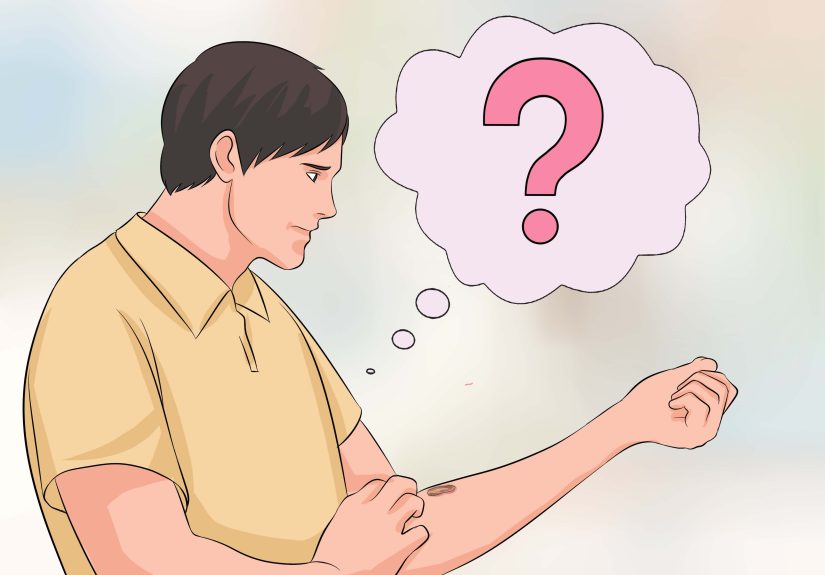
But for some people, skin picking becomes repetitive, hard to control, and genuinely disruptive.
The good news: this isn’t a “you’re weak” situation. Compulsive skin picking can be a recognized mental health
condition with real, evidence-based treatments. The even better news: you don’t have to wait until you’re wearing
long sleeves in July to deserve help.
Skin Picking 101: When a Habit Becomes a Disorder
Normal picking vs. compulsive picking
Most people pick sometimes. The difference isn’t about being perfectly hands-off 24/7. It’s about whether the
behavior becomes repetitive, difficult to stop, and causes damage and distress. Think of it like this:
- Occasional picking: Happens, stops, heals, life goes on.
- Compulsive picking: Happens repeatedly, keeps happening, causes visible injury, and your day starts orbiting around it.
The official name: Excoriation (Skin-Picking) Disorder
Compulsive skin picking is often called Excoriation (Skin-Picking) Disorder. You might also hear
dermatillomania. It’s grouped with “obsessive-compulsive and related disorders,” which is a fancy
way of saying: it’s driven by urges and patterns that don’t respond well to “just stop.”
Signs Your Skin Picking Might Be a Disorder (Not Just a Bad Habit)
The core features clinicians look for
While only a clinician can diagnose you, many reputable medical references describe a consistent set of features
that separate a disorder from a passing habit. Here are the big ones:
- Recurrent picking that causes skin lesions (bleeding, sores, scabs that never get a break, scars, discoloration).
- Repeated attempts to stop or cut back (promises, rules, gloves, bargaining… and it still happens).
- Distress or impairment (you avoid social events, intimacy, photos, bright lighting, mirrors, or you lose time and focus).
- Not better explained by something else (like picking due to a medical skin condition alone, or substance effects).
Other common “this is getting bigger than I want” clues
- You pick even when you don’t want to, or you “wake up” mid-pick like, “How long have I been doing this?”
- You spend significant time in picking “zones” (bathroom mirror, car visor mirror, phone camera… yes, that counts).
- You use tools (tweezers, pins) or special lighting, or you scan your skin for “imperfections” that must be fixed.
- You camouflage (makeup, clothing) or avoid situations where your skin is visible (pool days become your personal nightmare).
- You feel shame, frustration, or a sense of relief afterwardsometimes all in the same five minutes.
Why Do People Pick? It’s Not “Just Willpower”
The urge loop: sensation → attention → action → relief
Many people describe skin picking as a loop. There’s a trigger (a bump, scab, dryness, an “uneven” feeling), then
attention locks on, and picking feels like the only way to get relief. That relief might be physical (the bump is
“gone”), emotional (momentary calm), or mental (it feels “finished”).
Triggers often fall into a few categories:
- Sensory: Feeling a bump, roughness, scab texture, or “something that doesn’t belong.”
- Emotional: Stress, anxiety, frustration, sadness, boredom.
- Cognitive: “If I can just get this one out, I’ll stop.” (The lie your brain tells with confidence.)
- Environmental: Mirrors, bright lights, downtime, scrolling, studying, TVhands are free, mind is busy.
“Automatic” vs. “focused” picking
Some people pick almost automaticallyduring meetings, while driving, while reading. Others pick in a focused way,
intentionally going after perceived imperfections. Many people do both depending on stress, fatigue, or environment.
Common overlap with other conditions
Compulsive skin picking can co-occur with anxiety or mood disorders and may overlap with OCD-related patterns. Some
people also report attention/impulsivity challenges, body image concerns, or intense perfectionism about skin texture.
Co-occurring issues matter because treatment can be more effective when you’re not only addressing the picking, but
also what fuels it (stress, depression, anxiety, body dissatisfaction, etc.).
The Hidden Costs: Skin, Mind, and Social Life
Physical consequences
Repetitive picking can cause wounds that heal slowly, scarring, hyperpigmentation (dark marks), infection, andif
the behavior is intensesignificant tissue damage. Sometimes people pick at healthy skin, sometimes at acne, scabs,
calluses, ingrown hairs, or tiny perceived flaws. Regardless of the starting point, the end result often looks and
feels worse than the original “problem.”
Emotional and social consequences
Shame and avoidance are common. People may skip events, dread close-up conversations, avoid medical appointments,
or become experts at strategic lighting. You might feel isolated, like you’re the only person doing this, even
though it’s more common than most people realize.
How Diagnosis Works (and Why It’s Not About Labels)
What a clinician might ask
Diagnosis usually involves questions about frequency, triggers, time spent, attempts to stop, emotional impact, and
physical consequences. A clinician may also check whether the behavior is better explained by:
- A dermatologic condition that causes intense itching or lesions (which can still coexist with picking).
- Substance effects (for example, stimulant-related skin sensations).
- Self-harm intent (skin picking is typically not done with the goal of self-injury, though it can feel punishing).
If you’re worried about being dismissed, consider this script: “I’m picking enough to cause wounds, I’ve tried
to stop, and it’s affecting my life. I’d like help assessing whether this is excoriation disorder or another BFRB.”
Clear, calm, hard to argue with.
Treatment That Actually Helps
CBT + Habit Reversal Training (HRT): the workhorse approach
Cognitive Behavioral Therapy (CBT) is commonly recommended, especially with Habit Reversal Training (HRT).
HRT isn’t about shame or white-knuckling. It teaches:
- Awareness training: noticing when/where/why picking happens (patterns are the secret doorway to change).
- Competing responses: a specific, doable alternative action when the urge hits (hands busy, skin safe).
- Stimulus control: changing the environment to make picking harder and healthier choices easier.
The ComB model: customize the plan to your triggers
Many treatment frameworks for body-focused repetitive behaviors (BFRBs) focus on identifying your trigger profile
sensory, cognitive, emotional, motor, and environmentaland building targeted strategies. Translation: you don’t
fight a “mirror problem” the same way you fight a “boredom problem.”
ACT and mindfulness-based approaches
Acceptance and Commitment Therapy (ACT) and mindfulness skills can help you tolerate urges without acting on them.
The goal isn’t to never feel the urgeit’s to notice it, ride it like a wave, and choose what you do next.
Medications and supplements: sometimes helpful, not magic
There’s no single “skin picking pill” that works for everyone. Some people may be prescribed SSRIs (especially when
anxiety/OCD symptoms are also present). Research also suggests N-acetylcysteine (NAC) may help some
adults with skin-picking disorder, though responses vary and you should talk with a clinician before starting any
supplementespecially if you have medical conditions, take other medications, or are pregnant.
Why dermatology + mental health can be a power combo
If your skin is infected, inflamed, or acne-prone, addressing the dermatology piece can reduce sensory triggers.
Meanwhile, therapy helps change the behavior loop. You can do both; you don’t have to “earn” dermatologic care by
stopping first.
Practical Tools You Can Try This Week (No Perfection Required)
1) Make picking harder in your “hot spots”
- Mirror boundaries: set a timer for bathroom routines; avoid magnifying mirrors if they trigger scanning.
- Lighting tweaks: softer lighting can reduce “search and destroy” mode.
- Cover and protect: hydrocolloid patches, bandages, or clothing barriers can reduce access and promote healing.
- Nail management: shorter nails = less damage per impulse.
2) Use a “competing response” that your hands will actually do
The best replacement behavior is the one you’ll use at 11:47 p.m. when your willpower is asleep. Options:
- Clench fists gently and hold for 60 seconds.
- Grip a stress ball or textured fidget.
- Apply lotion slowly (turn it into a ritual that soothes rather than injures).
- Press fingertips together and breathe (subtle enough for meetings).
3) Track patterns without turning it into a shame spreadsheet
Try noting just three things: time, place, feeling. That’s it.
You’re looking for patterns, not prosecuting yourself.
4) Build a “skin rescue” routine
Gentle cleanser, moisturizer, and wound care can reduce rough textures that trigger picking. If you’re dealing with
acne or eczema, ask a dermatologist about a plan that reduces bumps and irritation. The fewer “targets” your fingers
detect, the fewer alarms your brain sounds.
5) Know when it’s time to level up support
If you’re repeatedly causing open wounds, noticing signs of infection (increasing redness, warmth, swelling, pus),
or feeling overwhelmed, it’s time to talk to a healthcare professional. If you’re in the U.S. and you feel unsafe
or have thoughts of self-harm, call or text 988 for the Suicide & Crisis Lifeline.
FAQ: Quick Answers to Common Questions
Is skin picking the same as OCD?
Not exactly, but they’re related. Skin picking is classified alongside OCD-related disorders because it involves
repetitive urges and behaviors. Some people have both; others don’t.
Can kids or teens have this?
Yes. Skin picking can start around puberty for some people, and body-focused repetitive behaviors can show up in
childhood. Early support helps prevent years of shame-based coping.
Will therapy force me to stop overnight?
Effective treatment is usually about reducing harm, increasing control, and building skillsnot instant perfection.
Progress often looks like fewer episodes, less damage, shorter duration, and faster recovery when slips happen.
What if I only pick when I’m stressed?
That still counts as a pattern worth treating. Stress-triggered picking can be especially responsive to skills that
reduce emotional overload and teach alternative soothing strategies.
Conclusion: A Name for the Problem Can Be a Map, Not a Judgment
If your skin picking feels compulsiveif it causes injury, eats your time, or leaves you feeling stuckthere’s a
strong chance this is more than a “bad habit.” And that matters, because it means you deserve real tools, real care,
and real relief.
Whether you meet full diagnostic criteria or you’re somewhere in the gray zone, support can help. You don’t have to
wait until you’re “bad enough.” If it’s costing you peace, it’s worth addressing.
Experiences Related to Compulsive Skin Picking (Real-World, Relatable, and Hopeful)
The hardest part of compulsive skin picking isn’t always the picking. It’s the secret life around it: the planning,
the hiding, the promises, the regret, and the exhausting mental noise. Below are common experience patterns people
describepresented as composite examples (not medical advice, and not meant to replace professional care), but
painfully familiar to many.
Experience #1: “The Mirror Zone”
One person describes the bathroom mirror like it’s a magnet. They walk in to wash their hands and suddenly they’re
leaning closer, scanning for anything unevenone bump, one flaky spot, one “not quite right” pore. Ten minutes
becomes forty. The moment feels weirdly focused, almost calming, like the rest of the world fades out. But when they
step back, the calm is replaced by panic: red marks, swelling, and that sinking feeling of, “I did it again.”
“I’m not trying to hurt myself. I’m trying to fix something. But I always make it worse.”
What helped in this kind of pattern was less about “more discipline” and more about redesigning the environment:
removing magnifying mirrors, changing bathroom lighting, setting a phone timer for routines, and placing
hydrocolloid patches where fingers tend to “search.” Therapy skills added a second layer: learning to label the
urge (“scan mode”) and practicing a competing response before the scanning turned into picking.
Experience #2: The “Stress Thermostat” Picker
Another person doesn’t pick because of mirrors. They pick because stress makes their body feel too fulllike a soda
can that’s been shaken. Picking becomes a release valve. It happens during deadlines, conflict, or after a long day
when their brain is still racing. Sometimes it starts as “just smoothing a scab,” and then their nails find a
second spot, and a third.
For stress-driven picking, progress often came from building a “pressure-release menu” that didn’t involve skin:
short walks, cold water on hands, squeezing a stress ball for 60 seconds, journaling for two minutes, or doing a
quick breathing routine. The goal wasn’t to never feel stress; it was to give stress somewhere else to go.
Experience #3: The “I’ll Stop After This One” Trap
Many people describe a specific thought that sounds reasonable but acts like a trapdoor: “I’ll stop after I fix
this one spot.” The brain treats the next pick as a solution. The problem is that picking creates new texture
and new “imperfections,” which creates new urgency. It’s a loop that feels logical inside the moment and absurd
afterward.
Skills that helped here were surprisingly concrete: covering high-risk areas, keeping nails short, using a gentle
skincare routine to reduce bumps, andmost importantlypracticing the idea that “unfinished” is survivable. ACT-style
tools (noticing the urge without obeying it) helped people build tolerance for the discomfort of leaving a spot
alone.
Experience #4: Recovery Isn’t Linear (and That’s Not a Failure)
One of the most hopeful (and realistic) recovery experiences is learning that slips don’t erase progress. Many
people describe improvement as a trend, not a perfect streak: fewer episodes per week, less damage per episode,
quicker healing, and more confidence asking for help. Some people also describe a powerful shift when they stop
treating their behavior like a moral flaw and start treating it like a pattern with triggers.
If you see yourself in any of these experiences, the takeaway isn’t “you’re broken.” It’s “this is treatable.”
With the right supportoften CBT-based strategies like HRT, customized trigger planning, and sometimes medication or
supplements under medical guidancemany people regain control and feel less trapped by urges. The goal isn’t flawless
skin. The goal is a life that isn’t run by a compulsion.