Table of Contents >> Show >> Hide
- What the Phrase Really Means in Design Terms
- Why Belgian Design Makes This Idea Work
- Why Indoor Swings Still Appeal to American Homes
- How to Style an Instant Hooks Swing Without Making the Room Weird
- Best Places to Use a Swing Like This
- The Reality Check: Installation and Safety Matter
- Who This Trend Is Best For
- Experiences Related to “Instant Hooks Swing from Belgium”
- Conclusion
- SEO Tags
Some product names sound like they were created in a boardroom with too much coffee and not enough oxygen. Instant Hooks Swing from Belgium is not one of them. It sounds stranger, sharper, and somehow more delightful than that. It feels like a tiny design postcard from Europe: part object, part mood, part invitation to stop acting like every room has to behave itself.
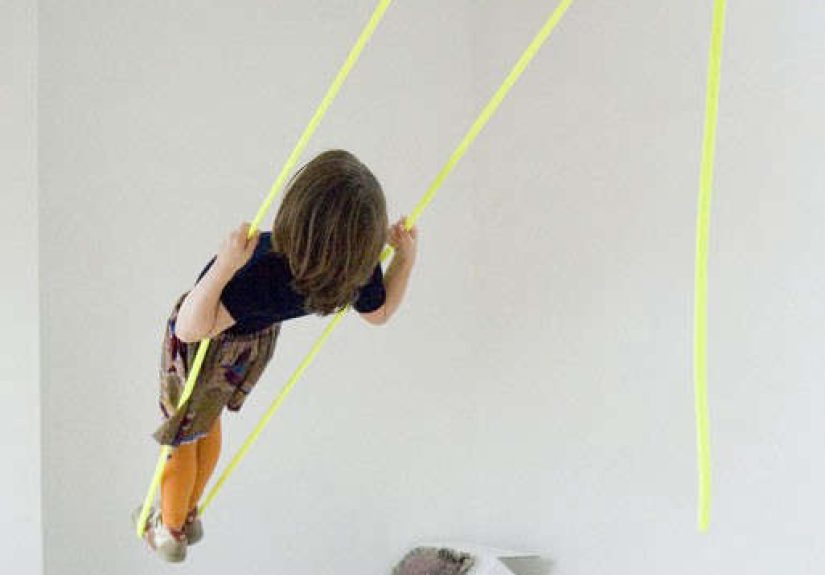
At its core, this title points to a compact, cleverly suspended swing associated with Belgian design sensibilities: playful, pared down, a little unexpected, and just serious enough to avoid looking like it escaped from a daycare center. That balance matters. In the design world, a swing can go wrong very fast. One minute it is whimsical. The next minute it is “why is there a rope chair in the middle of the living room and who approved this?” The Belgian answer, as usual, is restraint. Keep the form clean. Keep the materials honest. Let the surprise do the talking.
That is what makes the idea behind an “instant hooks swing” so appealing. It is not only about a literal seat suspended from above. It is about adding motion, softness, and a bit of rebellion to interiors that are often overloaded with flat surfaces, right angles, and enough beige to make toast look exciting. When done well, a swing introduces something many rooms desperately need: personality with purpose.
What the Phrase Really Means in Design Terms
The title suggests a swing designed for fast visual impact and relatively simple installation compared with bulkier suspended furniture. The “instant hooks” idea is less about magic and more about efficiency: a piece that delivers immediate charm without demanding a full architectural rewrite of the house. In plain English, it is the design equivalent of showing up in great shoes and changing the whole outfit.
Unlike a traditional porch swing, a compact indoor swing does not need to dominate the room. It can live in an entry corner, a reading nook, a sunroom, a child-friendly den, or even a large bedroom with enough breathing room. The beauty is in the contrast. A swing is inherently associated with movement and childhood freedom, while a Belgian-inspired interior tends to lean calm, earthy, and disciplined. Put those two ideas together and you get a compelling tension: serenity with a pulse.
That tension is why indoor swings have remained so attractive in editorial interiors. They photograph beautifully, yes, but they also answer a real emotional need. People do not just want homes that look expensive. They want homes that feel alive. A suspended seat suggests ease, pause, and play. It says the people who live here appreciate beauty, but they also know how to exhale.
Why Belgian Design Makes This Idea Work
Belgian design has earned a reputation for being quietly luxurious. Not flashy. Not fussy. Not trying to impress you with six finishes and a brass sculpture shaped like existential dread. Instead, the look is often built on muted tones, natural materials, tactile surfaces, softened minimalism, and a strong sense of editing. Belgian interiors tend to feel collected rather than decorated, relaxed rather than staged.
That aesthetic is a perfect match for a swing because swings can easily tip into gimmick territory. Belgian design pulls them back from the edge. A simple wood seat, thick rope or cord, and a considered silhouette are often enough. No neon unicorn cushions required. The result feels less like playground equipment and more like functional sculpture.
There is also a philosophical fit. Belgian-inspired spaces often prioritize atmosphere over clutter and craft over excess. A hanging swing, when thoughtfully chosen, does exactly that. It does not ask for a whole room full of explanation. It simply occupies space in a way that feels tactile, poetic, and slightly mischievous. That last quality is important. Good interiors should not feel like museums where everyone is one misplaced coffee mug away from a crisis.
Why Indoor Swings Still Appeal to American Homes
American homeowners have become much more open to flexible, emotionally expressive interiors. Over the last several years, design coverage has repeatedly highlighted suspended seating, indoor hammocks, hanging chairs, and swings as ways to add fun, softness, and comfort to a room. That shift makes sense. As homes have had to function as offices, retreats, gathering spots, and occasional sanity shelters, people have looked for pieces that feel restorative rather than merely decorative.
An indoor swing does several jobs at once. It creates a focal point. It softens a hard corner. It adds movement to an otherwise static room. It often takes up less visual weight than a chunky lounge chair. And perhaps best of all, it makes people smile. That sounds fluffy until you remember how many interiors are technically correct and emotionally dead. A swing fixes that in about three seconds.
For families, it can become a shared favorite. For adults, it works as a reading perch, a conversation starter, or a decompression spot that feels slightly ridiculous in the best possible way. For designers, it is an opportunity to layer texture and form without crowding the room. For guests, it is the object they remember. Nobody goes home raving about your sensible side table. They do, however, remember the swing.
How to Style an Instant Hooks Swing Without Making the Room Weird
1. Let it breathe
A swing needs negative space around it. If it is wedged between a bookcase, a lamp, and a plant stand fighting for custody of the corner, the magic is gone. Give it room to move visually, even if it barely moves physically.
2. Use natural textures
Wood, rope, leather, linen, wool, and matte metal all play nicely with the Belgian-inspired mood. These materials help the swing feel integrated rather than theatrical. If the room already has stone, plaster, oak, or soft neutral upholstery, even better.
3. Keep the palette grounded
Think oat, sand, flax, camel, charcoal, clay, olive, warm white, and soft black. The point is not to make the swing disappear. The point is to let its shape become the statement. Loud color can work, but only if the rest of the room knows how to behave.
4. Pair it with something solid
A suspended piece looks best when there is a grounding element nearby: a low bench, a plaster wall, a stone side table, a woven rug, or a heavy ceramic planter. This contrast keeps the room from feeling too floaty, too theme-y, or too committed to the idea of being “fun.”
5. Don’t over-accessorize it
A small cushion or throw may be enough. Once you start piling on tassels, fringe, pompoms, and six decorative pillows with inspirational messages, you no longer have Belgian chic. You have a boutique waiting room that sells candles named after weather events.
Best Places to Use a Swing Like This
Entry or transitional space
An underused hallway corner or oversized landing can become memorable with a compact swing. It turns circulation space into living space, which is one of the smartest tricks in home design.
Sunroom or enclosed porch
This may be the easiest win. A swing naturally belongs in spaces that already blur the line between indoors and outdoors. Add a textured rug, a side table, and a throw, and the room suddenly has vacation energy without airline pricing.
Reading nook
If a room has good light and enough clearance, a swing can replace the expected accent chair. It adds just enough motion to feel soothing but not distracting. Ideal for coffee, novels, and pretending you are the kind of person who finishes literary fiction on schedule.
Playroom with taste
A swing in a kid-friendly room can be both useful and beautiful, especially if the rest of the space is edited well. This is where Belgian influence helps most. The swing can feel playful without the room becoming a visual sugar rush.
Bedroom corner
In a larger bedroom, a suspended seat can create a private retreat within the room. It works best when the ceiling height is generous and the rest of the furnishings are calm and low profile.
The Reality Check: Installation and Safety Matter
Now for the unglamorous but essential part: gravity remains undefeated. A swing is only charming when it is installed properly. That means anchoring to a structural ceiling joist or beam, using the right hardware, respecting weight limits, and following manufacturer guidance. If a product looks effortless in photos, remember that the ceiling did a lot of unseen work.
This is where many people get carried away by the image before thinking through the mechanics. A true indoor swing is not a peel-and-stick decorating hack. It needs real support and enough surrounding clearance to function safely. Renters may have options with specialized mounting approaches or stand-based hanging chairs, but a ceiling-mounted swing should never be treated like a casual weekend improvisation.
None of this should scare you off. It should simply encourage better decisions. The best design choices are the ones where beauty and practicality shake hands instead of filing separate complaints. A properly installed swing feels intentional, comfortable, and secure. A poorly installed one feels like a future story starting with, “Well, at first it looked amazing.”
Who This Trend Is Best For
An instant hooks swing from Belgium, or any product inspired by that idea, is best for people who want their homes to feel calm but not boring. It is especially suited to those who appreciate sculptural furniture, natural materials, and pieces that do more than fill space. If your style leans minimalist, organic modern, wabi-inspired, rustic contemporary, or quietly eclectic, this kind of swing can work beautifully.
It may be less ideal for very tight rooms with low ceilings, heavily formal spaces, or households that prefer all furniture to remain stubbornly on the floor. It also may not suit anyone who wants purely invisible practicality. A swing is useful, but it is also expressive. It wants to be noticed. That is part of the deal.
Still, that is exactly why the concept continues to appeal. In a market full of furniture designed not to offend anyone, a well-made swing dares to have a point of view. Not a loud one. Not a chaotic one. Just enough to remind the room that life is happening here.
Experiences Related to “Instant Hooks Swing from Belgium”
What is it actually like to live with a swing inspired by this kind of Belgian design? In many homes, the first surprise is how quickly it changes the rhythm of a room. A corner that used to be decorative dead weight becomes active, even when nobody is using it. You notice it when you walk by. Guests notice it the second they step in. Children make a beeline for it. Adults pretend they are above it for roughly seven minutes, then quietly ask, “Is this sturdy?” before taking a turn.
There is also a sensory difference that standard seating does not quite deliver. A normal chair gives you support. A suspended swing gives you support plus a subtle sense of release. Even a small amount of movement can change how the body settles. The effect is not carnival-level drama. It is gentler than that. More like the room softens around you. Morning coffee feels slower. Reading feels less dutiful. A phone call feels slightly less annoying, which is really saying something.
In a family home, the swing often becomes contested territory. Kids see play. Teenagers see a photo spot. Adults see a place to decompress. The swing ends up doing cultural labor far beyond its size. It becomes the place where someone sits to tie a shoe, finish a chapter, calm down after work, or hide for ten blessed minutes while everyone else looks for the scissors that were definitely not put back where they belong.
In smaller homes, the experience is different but just as interesting. A compact swing can make a modest space feel more layered because it breaks the expected furniture pattern. Instead of chair-sofa-table-lamp, you get chair-sofa-swing, and suddenly the room has a narrative. It feels considered. It feels less like a furniture showroom and more like a life. That matters, especially when square footage is limited and every object needs to earn its keep.
There is a psychological effect, too. Suspended seating introduces a small permission slip into daily life. It tells you that not every useful thing has to look severe. Not every stylish thing has to be precious. Not every grown-up room has to be allergic to joy. This may be the biggest reason design lovers keep returning to indoor swings. They are not just pretty. They shift the emotional temperature of the house.
And then there is the visual experience over time. In the morning, a swing catches angled light and throws soft shadows that make the room feel dynamic. In the afternoon, it reads almost like a sculpture. At night, especially near a textured wall or under a warm pendant, it can become the most atmospheric object in the space. Unlike trend pieces that peak on day one and fade into background clutter, a well-designed swing keeps earning its place because it behaves differently at different times of day.
Of course, the experience depends on getting the fundamentals right. The right height. The right clearance. The right materials. The right restraint. When those pieces come together, the swing does what great design always does: it improves ordinary moments without making a speech about it. You sit down for a minute and stay for twenty. You pass by and touch the rope without thinking. You glance into the room from the hallway and feel a tiny lift in your mood. That is not a gimmick. That is successful design.
So yes, “Instant Hooks Swing from Belgium” may sound like a wonderfully odd title. But the experience behind it is surprisingly clear. It is about living with an object that brings grace, play, and ease into the home in one simple gesture. Not bad for a seat that literally hangs around all day.
Conclusion
The charm of an instant hooks swing from Belgium lies in its contradiction: it is playful without being childish, sculptural without being stiff, and eye-catching without begging for attention. That is why the idea still feels relevant. It connects the warmth and restraint of Belgian-inspired interiors with the increasingly American desire for homes that do more than just look polished. They should also feel personal, restorative, and a little bit alive.
If you love interiors that balance simplicity with surprise, this kind of swing is more than a novelty. It is a design move with emotional payoff. Installed correctly and styled with restraint, it can transform an overlooked corner into the best seat in the house. And frankly, any piece of furniture that can do that while looking elegant deserves a little applause.