Table of Contents >> Show >> Hide
- Why Starbucks Cups Make Surprisingly Good Art Material
- The Art History Behind Turning Everyday Objects Into Art
- What Turning Starbucks Cups Into Art Says About Sustainability
- How I Turn Starbucks Cups Into Art
- Why People Respond to Upcycled Coffee Cup Art
- What I’ve Learned From Making Art Out of Starbucks Cups
- My Personal Experience Turning Starbucks Cups Into Art
- Conclusion
There are two kinds of people in this world: people who toss an empty Starbucks cup in the trash without a second thought, and people who stare at that same cup and think, “You know what? You could absolutely become a wall sculpture.” I belong to the second group, which is either proof of creativity or a sign that I need more shelf space.
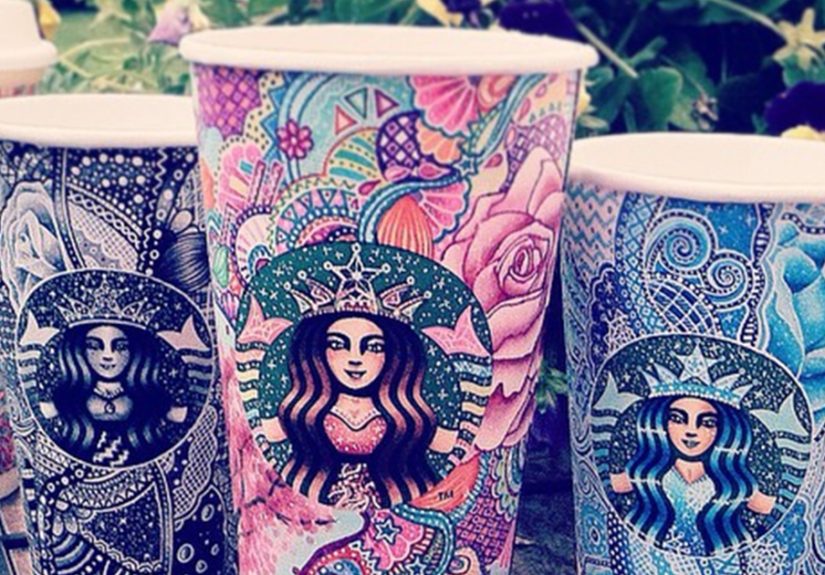
Still, turning Starbucks cups into art is not just a quirky craft habit. It sits at the crossroads of design, sustainability, and personal expression. A Starbucks cup is already a piece of visual culture before a single drop of coffee hits it. The green siren, the familiar white hot cup, the glossy cold cup, the cardboard sleeve, the handwritten name that may or may not be yours, all of it is instantly recognizable. That makes it perfect raw material for upcycled coffee cup art.
And here is the real twist: this idea is bigger than a DIY trend. Museums, designers, and artists have spent decades proving that everyday objects can become meaningful art. So when I turn Starbucks cups into art, I am not just gluing junk together and calling it a day. I am taking a small symbol of convenience culture and giving it a second life with humor, texture, and a little attitude.
Why Starbucks Cups Make Surprisingly Good Art Material
Starbucks cups work so well in art because they already come loaded with meaning. They signal routine, comfort, rush-hour chaos, seasonal excitement, and the small luxury of holding something warm while pretending your inbox can wait five more minutes. In other words, they are not neutral objects. They carry mood, brand identity, and memory.
That matters in art. Found-object art often works because the object brings its own story to the piece. A coffee cup is not just paper or plastic. It represents modern habits: grab-and-go culture, daily ritual, personalization, and waste. That tension makes it visually and conceptually rich. It is hard to ask for better material than something that already says so much before you even pick up the scissors.
It also helps that coffee cups are beautifully built for transformation. The cylindrical form can become a flower, lantern, mask, sculpture base, or layered relief. Sleeves offer texture. Lids create circles and shadows. Cup walls become curved panels for collage. Stickers and labels bring accidental graphic design into the mix. Even the slight dents and creases can add character. Honestly, the cup does half the creative work before I even show up.
Design Was Already Doing Half the Job
One reason this material feels so satisfying is that coffee cups are already objects of design. The sleeve alone has a small place in design history, and the cup itself has become part of the visual language of American coffee culture. Starbucks has also spent years refining its cups for function, accessibility, and sustainability, which means the object is not random. It is thoughtfully made, and that thoughtful design becomes part of the artistic process.
When I cut into a cup, I am not destroying a blank item. I am interacting with branding, engineering, shape, and cultural memory. That is what makes Starbucks cup crafts feel more layered than your average rainy-day project.
The Art History Behind Turning Everyday Objects Into Art
If anyone ever rolls their eyes and says, “So… you make art out of trash?” I like to mentally hand them a museum map. Artists have been transforming ordinary materials into serious work for generations. Found objects, reused materials, and domestic items have all made their way into galleries and museum collections. Cups, spoons, cardboard, packaging, and cast-off materials have long been fair game.
That is why the whole idea of coffee cup upcycling has real artistic roots. The object is familiar, but the treatment changes how we see it. A cup can stop being a cup the moment it becomes texture, symbol, sculpture, or visual joke. That shift is the magic. Art does not always begin with expensive materials and a heroic studio story. Sometimes it begins with the remains of a Tuesday latte.
Even better, art made from everyday objects invites people in. Viewers do not have to decode a secret language before they respond. They recognize the material right away. That instant recognition creates a bridge between the work and the audience. A stranger may not know your technique, but they know that cup. That familiarity makes the art accessible, playful, and memorable.
Why a Cup Can Carry Meaning
A Starbucks cup can suggest convenience, consumption, identity, routine, comfort, and waste all at once. That is a lot of emotional baggage for something that once held an iced oat milk latte. But that is exactly what makes it useful. In visual art, common objects can reveal uncommon truths. When I arrange flattened sleeves into a geometric pattern or stack lids into a sculptural flower, I am not hiding the material. I want people to see the cup and think differently about what they usually ignore.
There is a tiny rebellion in that. We live in a culture that prizes the new, the clean, the untouched, the straight-from-the-box item. Upcycled art says, “Actually, I can make something beautiful from what you were about to discard.” That is part craft, part commentary, and part deeply satisfying petty revenge against wastefulness.
What Turning Starbucks Cups Into Art Says About Sustainability
Now for the serious sip of reality: making art from used cups does not magically erase the environmental issue. In fact, one reason this topic matters is that disposable cups are more complicated than they look. Many hot beverage cups include a plastic lining, which can make standard recycling tricky depending on local systems. That is why waste experts consistently emphasize a familiar order: reduce first, reuse second, recycle when possible.
That matters to me. I do not treat cup art as an excuse to consume more cups. I treat it as a creative response to something that already exists in daily life. The smartest version of this hobby begins with cups you actually used, cups friends saved for you, or materials that would otherwise head for the bin. The goal is not to manufacture clutter with a halo over it. The goal is to extend usefulness and make people think.
Starbucks itself has publicly pushed more reusable cup options and broader personal-cup use, which shows how central reuse has become to the conversation. The company has also updated some cup designs to use less plastic and has continued testing systems that support reuse. That wider context matters because it reminds us that sustainable art is strongest when it aligns with smarter habits, not when it pretends crafts alone will save the planet.
Reuse First, Art Second
My rule is simple: if the cup can be reused as a cup, that wins. If it cannot, then it becomes material. Art comes after practicality, not before it. Once I started thinking that way, the work got better. It stopped feeling like random decoration and started feeling like thoughtful transformation. That shift also changed how I buy coffee. I notice the object more. I think harder about whether I need a disposable item at all. Good art materials have a funny way of turning into good questions.
How I Turn Starbucks Cups Into Art
The process is delightfully low-glamour. No velvet studio curtains. No tortured genius lighting. Just a table, a pile of washed cups, and the kind of concentration that makes you forget your phone exists for an hour.
First, I sort by material and shape. Hot cups go in one stack, cold cups in another, sleeves in a neat pile, lids in their own little chaotic moon colony. Then I decide whether the piece will be flat, dimensional, or somewhere in between. Flat pieces usually become collages or wall art. Dimensional pieces become sculptural forms, flowers, mobiles, mini installations, or decorative objects.
The key is not to fight the material too hard. The curved surface of a cup already wants to create movement, so I use that natural shape. Flattened sleeves work beautifully in layered compositions because they add warmth and texture. Clear cold cups catch light well, especially when cut into strips or petals. Lids are underrated heroes. Stack them, overlap them, paint them, or use them as circular framing devices, and suddenly they look intentional instead of disposable.
My Favorite Starbucks Cup Art Ideas
1. Layered wall collage: I cut logos, sleeve textures, and curved cup panels into repeating shapes and build a patterned composition. This works especially well when I want a piece that looks graphic and modern.
2. Floral sculptures: Cold cup plastic can become petals, while lids and sleeves provide structure. These pieces have a nice contradiction to them: something disposable transformed into something that looks almost delicate.
3. Memory pieces: Sometimes I keep the cup markings, labels, or handwritten names and build an artwork around them. Those pieces feel personal, almost like visual journaling with caffeine stains.
4. Seasonal decor: Starbucks cups are practically born ready for seasonal reinvention. Red holiday cups, pastel spring drinks, autumn sleeves, and summer cold cups all carry ready-made palettes. The material hands you a color story and says, “Do not mess this up.”
5. Tiny sculptural scenes: This is where the fun gets weird. A cup becomes architecture. A lid becomes the moon. A sleeve becomes a backdrop. Suddenly I am building a little city out of coffee debris like an overly caffeinated stage designer.
Why People Respond to Upcycled Coffee Cup Art
People tend to react strongly to this kind of work because they recognize the material immediately. There is no mystery about what they are seeing, but there is surprise in how it has changed. That combination is powerful. Familiar object, unfamiliar result. It creates a double take.
It also sparks conversation in a way many polished materials do not. People ask where the cups came from, whether they were real, how long the piece took, and why I chose that material. Then the bigger topics arrive: waste, design, consumer culture, daily rituals, and how much beauty is hiding in ordinary things. That is a lot of mileage from one humble cup.
There is also humor in the work, and I think that matters. Sustainable living can become very stern very quickly. Art gives it breathing room. A sculptural flower made from coffee lids can still raise real questions, but it does not lecture. It invites. It winks. It says, “Hey, maybe look twice before you throw everything away.” That tone reaches people more effectively than a scolding ever could.
What I’ve Learned From Making Art Out of Starbucks Cups
The biggest lesson is that creativity thrives under constraints. A cup is not a limitless material. It bends in certain ways, cuts in certain ways, reflects light in certain ways, and refuses to behave in others. Those limits are helpful. They force better ideas. They ask for adaptation, not perfection.
I have also learned that beauty does not need perfect beginnings. A slightly crushed cup can become a stronger piece than a pristine one because it already contains evidence of use. It has lived a little. In a culture obsessed with flawless surfaces, I find that refreshing.
And maybe the most important lesson is this: once you start seeing creative possibility in ordinary waste, you never quite stop. The recycling bin becomes a sketchbook. Packaging becomes texture. Cardboard becomes structure. The everyday world starts volunteering materials like an eager intern.
My Personal Experience Turning Starbucks Cups Into Art
The experience of turning Starbucks cups into art is strangely emotional for something that begins with empty drink containers. At first, it felt like a joke I told myself while cleaning up. I would finish a drink, look at the cup, and think, “This shape is too good to waste.” Then I started saving one or two. Then a few more. Then I had a corner of my workspace that looked less like an art studio and more like a caffeine-themed recycling command center.
What surprised me most was how personal the process became. Every cup carried a tiny memory. One came from a rushed Monday morning when I was late and overconfident. Another came from a long afternoon meeting that absolutely could have been an email, but at least the cold brew was excellent. A holiday cup reminded me of a cold December walk downtown when everything felt cinematic for no good reason. A plain white cup with a badly spelled name made me laugh all over again. Suddenly, I was not just collecting materials. I was collecting little fragments of ordinary life.
That changed the art. The pieces stopped feeling generic and started feeling intimate. When I cut up a sleeve or flatten a cup wall, I am not just manipulating material. I am editing a memory. Some pieces become playful because the original moment was playful. Some become cleaner and more reflective because the cup came from a quiet morning when I actually had time to think. The artwork becomes a weirdly honest record of routine, mood, and movement.
There is also a kind of joy in the transformation itself. I love the moment when an object clearly stops being what it used to be. A lid stops being a lid and becomes a flower center. A clear cup becomes a translucent wing. A sleeve becomes architectural texture. That moment feels like a magic trick, except instead of pulling a rabbit out of a hat, I am pulling meaning out of packaging. Slightly less glamorous, perhaps, but still satisfying.
Not every experiment works. Some ideas collapse immediately. Some look incredible in my head and ridiculous on the table. I have absolutely created pieces that seemed sophisticated for five minutes and then revealed themselves to be the artistic equivalent of a raccoon rummaging through a craft drawer. But even those failures teach me something. They show me how the material behaves, what shapes repeat well, what colors feel too busy, and how much branding to leave visible.
The best part, though, is when someone looks at a finished piece and only realizes after a few seconds that it is made from Starbucks cups. That pause is everything. It means the work has moved beyond novelty and become art first, material second. Then comes the smile, the closer look, the “Wait, is that a cup lid?” and the conversation that follows. Those reactions remind me why I keep doing it.
So yes, I turn Starbucks cups into art. It is creative, a little ridiculous, unexpectedly thoughtful, and much more meaningful than it sounds at first. What began as a practical urge not to waste a well-designed object became a full creative practice. And honestly, I still enjoy the fact that something destined for a few minutes of usefulness can end up on a wall, on a shelf, or in a conversation much longer than the coffee ever lasted.
Conclusion
Turning Starbucks cups into art is part design experiment, part sustainability practice, and part personal storytelling. It works because the material is familiar, visually strong, and culturally loaded. A cup can be a canvas, a sculpture, a symbol, or a joke with excellent branding. More importantly, it can remind us that creativity does not always arrive in expensive tubes of paint or fancy paper pads. Sometimes it arrives with ice melting at the bottom and your name misspelled on the side.
That is what makes this creative habit so appealing. It invites us to see everyday waste differently. It connects DIY culture with real conversations about reuse. And it proves that a humble coffee cup can hold more than coffee. Sometimes it holds an idea worth keeping.