Table of Contents >> Show >> Hide
- Before You Wash Any North Face Jacket
- How to Wash a North Face Puffer Jacket
- How to Wash a North Face Synthetic Insulated Jacket
- How to Wash a North Face Fleece Jacket
- How to Wash a North Face Waterproof Jacket
- How to Wash a North Face Softshell Jacket
- How Often Should You Wash a North Face Jacket?
- Common Mistakes to Avoid
- Quick Jacket-Specific Cheat Sheet
- Real-Life Experience: What Washing a North Face Jacket Actually Feels Like
- Conclusion
A North Face jacket is the kind of outerwear that quietly becomes part of your personality. It hikes with you, commutes with you, survives coffee splashes, blocks icy wind, and sometimes ends up smelling like campfire, gym bag, wet dog, or all three. The good news? Most North Face jackets can be cleaned at home if you treat them like performance gear instead of a regular hoodie you toss into the laundry with towels and hope for the best.
The trick is knowing what type of jacket you own. A down puffer needs different care than a fleece. A waterproof DryVent, FUTURELIGHT, or GORE-TEX shell should be washed differently from a synthetic insulated ThermoBall-style jacket. Use the wrong detergent, crank up the heat, or drown everything in fabric softener, and your jacket may come out looking clean but performing like a sad grocery bag.
This guide explains how to wash a North Face jacket safely, including puffers, fleece jackets, waterproof shells, softshells, and synthetic insulated coats. Always check the care label first, because the tag inside your jacket is the final boss of laundry instructions. But once you know the basics, washing your jacket becomes much less scaryand your coat will smell like adventure again, not the inside of a forgotten backpack.
Before You Wash Any North Face Jacket
Before discussing jacket types, let’s cover the universal rules. These steps apply to nearly every North Face coat, whether it is a puffer, fleece, rain jacket, ski shell, or softshell.
1. Read the Care Label First
Find the care tag stitched inside the jacket, often near the side seam, collar, or lower interior area. This label tells you whether the jacket can be machine washed, what water temperature to use, whether tumble drying is allowed, and what products to avoid. If the care tag says “dry clean only,” “hand wash only,” or “do not tumble dry,” follow that instruction instead of the general advice here.
2. Empty Every Pocket
Check all pockets before washing. That means hand pockets, chest pockets, inside pockets, ski-pass pockets, and the mysterious tiny pocket you forgot existed. Lip balm, receipts, gum wrappers, keys, trail mix, and earbuds are not laundry enhancers. A single forgotten tissue can turn a black fleece into a snowstorm.
3. Close Zippers, Snaps, and Velcro
Zip the main zipper, close pocket zippers, fasten snaps, and secure Velcro cuffs. Open hardware can scrape fabric, snag fleece, or stress waterproof membranes. Closing everything also helps the jacket keep its shape during the wash.
4. Turn the Jacket Inside Out
Turning the jacket inside out protects the outer face fabric from abrasion. This is especially helpful for fleece, waterproof jackets, and darker-colored shells that can show scuffs or lint.
5. Use the Right Detergent
Use a small amount of mild detergent or a technical outerwear cleaner. For down jackets, use a down-specific wash. For waterproof shells, use a technical wash made for rainwear or performance fabrics. Avoid bleach, fabric softener, dryer sheets, heavy stain removers, and standard detergent overload. More soap does not equal more clean; it usually equals residue, reduced performance, and regret.
How to Wash a North Face Puffer Jacket
North Face puffer jackets may be filled with natural down or synthetic insulation. Both trap warmth by creating loft, which is the fluffy structure that holds warm air. Washing a puffer is not difficult, but drying it properly is absolutely essential. The wash cycle is the opening act; the dryer is the headliner.
How to Wash a Down North Face Puffer
Down jackets are warm, lightweight, and wonderfully cozy, but wet down clumps together. If it dries incorrectly, the jacket may lose loft and warmth. For expensive or heavily soiled down jackets, professional cleaning by a service experienced with down products is often the safest choice. If the care label allows home washing, use this method:
- Close all zippers and fasteners.
- Turn the jacket inside out.
- Use a front-loading washing machine if possible.
- Add a down-specific detergent, not regular heavy detergent.
- Wash on a gentle or delicate cycle with cool or warm water, depending on the care label.
- Run an extra rinse cycle to remove soap residue.
- Use a low spin or gentle spin to remove excess water without twisting the jacket aggressively.
When removing a wet down jacket from the washer, support it from underneath instead of yanking it by one sleeve. Wet down is heavy, and pulling can strain seams or baffles.
How to Dry a Down Puffer Jacket
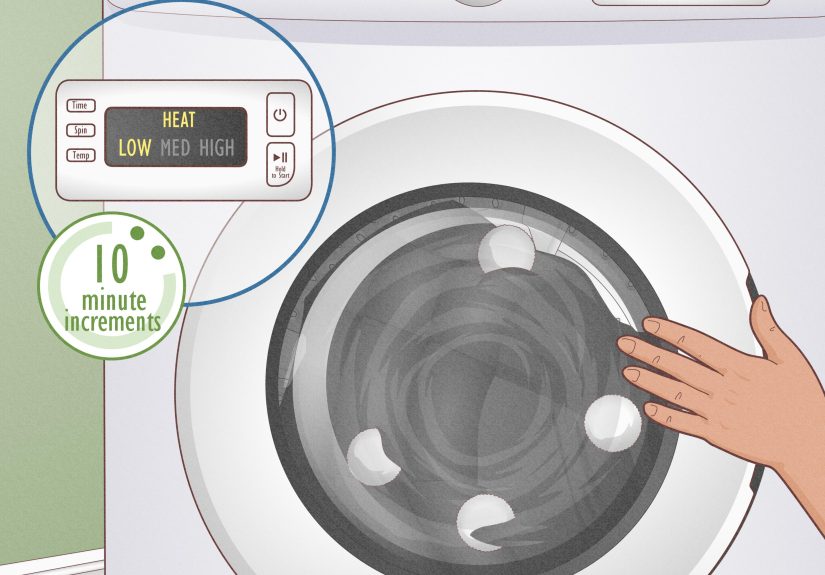
Drying takes patience. Place the jacket in a dryer on low heat or no heat if the care label requires it. Add two or three clean tennis balls or wool dryer balls to help break up clumps and restore loft. Stop the dryer every 20 to 30 minutes, remove the jacket, gently shake it, and massage any clumped areas with your hands.
Do not stop just because the outer fabric feels dry. Down inside the baffles can stay damp long after the shell feels fine. A fully dry down jacket should feel light, puffy, and evenly filled. If it feels flat, lumpy, cold, or heavy, keep drying on low. This can take several hours. Yes, it is tedious. Yes, it is worth it. Your jacket is basically a tiny sleeping bag with sleeves, and it deserves a spa day.
How to Wash a North Face Synthetic Insulated Jacket
Synthetic insulated jackets, including many ThermoBall-style designs, are usually easier to wash than down jackets. Synthetic insulation handles moisture better and is less fussy about clumping, but it still needs gentle care to maintain warmth and shape.
Step-by-Step Synthetic Jacket Washing
- Check the care label to confirm machine washing is allowed.
- Zip all zippers and close Velcro tabs.
- Turn the jacket inside out.
- Wash with mild detergent on a gentle cycle.
- Use cold or warm water according to the label.
- Run an extra rinse cycle if the jacket feels soapy.
- Tumble dry on low if allowed, adding dryer balls to help restore loft.
Synthetic jackets should not be blasted with high heat. High heat can damage face fabrics, elastic, trims, and insulation. Low and slow is the winning formula. If the care label says to line dry, hang the jacket in a well-ventilated area and shake it occasionally as it dries.
How to Wash a North Face Fleece Jacket
Fleece is cozy, breathable, and easy to love. It is also a magnet for lint, pet hair, and mysterious fuzz from every other item in the laundry basket. Washing fleece correctly helps keep it soft while reducing pilling and preserving its shape.
Best Way to Wash North Face Fleece
- Shake off dirt, leaves, and crumbs before washing.
- Turn the fleece inside out to reduce pilling.
- Wash with similar lightweight fabrics.
- Use cold water and a gentle cycle.
- Add a small amount of mild detergent.
- Avoid fabric softener, bleach, and dryer sheets.
- Air dry whenever possible.
Do not wash fleece with towels, denim, or heavy cotton sweatshirts. Those items create friction and lint, which can leave fleece looking tired. A mesh laundry bag can help protect lightweight fleece pullovers or jackets with delicate trim.
Air drying is usually best for fleece. Lay it flat or hang it on a sturdy hanger away from direct high heat. If the care label allows tumble drying, use low heat, but remove the fleece promptly. Overdrying can make fleece feel rough, flattened, or staticky.
How to Wash a North Face Waterproof Jacket
Waterproof jackets are a little different because their performance depends on both the membrane and the outer durable water repellent finish, often called DWR. When the DWR is working, water beads up and rolls away. When it is dirty or worn down, the outer fabric can “wet out,” meaning it absorbs water on the surface. The jacket may still have a waterproof membrane, but it can feel clammy and less breathable.
Washing DryVent, FUTURELIGHT, and GORE-TEX Jackets
- Close the front zipper, pocket zippers, pit zips, flaps, and Velcro cuffs.
- Turn the jacket inside out if the care label recommends it.
- Use a technical wash or a small amount of mild detergent.
- Wash on a gentle cycle with cool or warm water, depending on the label.
- Do not use bleach, fabric softener, stain remover, or dryer sheets.
- Run a second rinse cycle to remove detergent residue.
- Hang dry or tumble dry on low or warm gentle heat if the care label allows it.
After washing, check the jacket’s water repellency. Sprinkle a little water on the outside. If the droplets bead and roll away, the DWR is still in good shape. If the water spreads into dark patches, the finish may need reactivation or reproofing.
How to Restore Water Repellency
Many waterproof jackets benefit from gentle heat after washing because heat can help reactivate the DWR finish. If the care label allows tumble drying, dry the jacket on a low or warm gentle setting. Some waterproof garments may also allow a brief additional tumble-dry cycle after the jacket is dry. If the jacket still wets out after cleaning and drying, apply a spray-on DWR treatment made for technical outerwear.
Spray-on treatments are especially useful for jackets with linings because they refresh the outer face fabric without coating the inside. Wash-in treatments can work for some garments, but always read the product instructions and your jacket label first.
How to Wash a North Face Softshell Jacket
Softshell jackets are stretchy, breathable, and often water-resistant rather than fully waterproof. They are great for hiking, climbing, commuting, and layering. Dirt, body oils, sunscreen, and sweat can reduce breathability, so occasional washing helps them perform better.
Softshell Washing Instructions
- Brush off dried mud before washing.
- Close zippers and fasteners.
- Wash on a gentle cycle with mild detergent or technical wash.
- Use cold or warm water according to the care label.
- Run an extra rinse if needed.
- Air dry or tumble dry low if allowed.
Softshells may have a water-repellent finish, so skip fabric softener and dryer sheets. If rain stops beading after washing, use a softshell-safe DWR spray to refresh the surface.
How Often Should You Wash a North Face Jacket?
You do not need to wash your jacket after every wear unless it is muddy, sweaty, smoky, or visibly dirty. Overwashing can shorten the life of technical fabrics, but never washing is not ideal either. Dirt and body oils can clog breathable membranes, flatten fleece, and reduce water repellency.
As a general rule, wash fleece more often than down. Wash rain shells when they look dirty, smell funky, or stop beading water. Wash down puffers only when needed, because proper drying takes time and care. For ski and snowboard jackets, one or two cleanings per season may be enough unless you are out frequently or the jacket takes a beating.
Common Mistakes to Avoid
Using Fabric Softener
Fabric softener may sound harmless, but it can coat fibers and reduce moisture-wicking, breathability, and water repellency. It is especially bad news for fleece, waterproof shells, and performance fabrics.
Using Too Much Detergent
Extra detergent can leave residue that attracts dirt and interferes with technical finishes. Use less than you think you need, especially for waterproof jackets.
High Heat Drying
High heat can damage synthetic fabrics, seam tape, trims, elastic, and insulation. When in doubt, choose low heat or air drying according to the care label.
Air Drying Down Without Finishing Properly
Down can mildew or clump if it dries too slowly. If the care label allows tumble drying, low heat with dryer balls is usually the best way to restore loft.
Ignoring Stains Until Later
Fresh stains are easier to remove than old stains. Blot spills quickly, use a small amount of mild detergent, and avoid aggressive scrubbing that can damage the fabric surface.
Quick Jacket-Specific Cheat Sheet
| Jacket Type | Wash Method | Drying Method | Key Warning |
|---|---|---|---|
| Down Puffer | Gentle cycle with down wash | Low heat with dryer balls until fully dry | Do not leave damp or clumpy |
| Synthetic Puffer | Gentle cycle with mild detergent | Low heat or air dry if label requires | Avoid high heat |
| Fleece | Cold gentle cycle, inside out | Air dry preferred | Do not wash with towels |
| Waterproof Shell | Technical wash, gentle cycle, extra rinse | Hang dry or low/warm tumble if allowed | No fabric softener or bleach |
| Softshell | Gentle cycle with technical wash | Air dry or low tumble | Refresh DWR if water stops beading |
Real-Life Experience: What Washing a North Face Jacket Actually Feels Like
The first time many people wash a North Face puffer, they experience what can only be described as laundry panic. The jacket goes into the washer looking like a proud, fluffy marshmallow and comes out looking like a wet raccoon wearing a sandwich bag. This is normal. Wet down and synthetic insulation can look flat, sad, and deeply suspicious before drying restores the loft.
One helpful habit is to plan the wash for a day when you are not in a hurry. Do not wash your down jacket at 9 p.m. before a morning ski trip unless you enjoy stress as a lifestyle. Down jackets can take hours to dry completely. You may check the dryer after 40 minutes and think, “Great, it is ruined.” Then you check again after another hour, shake the baffles, break up the clumps, and suddenly the puff starts returning. It is a slow comeback story, like a sports movie but with more lint trap cleaning.
Fleece jackets are much less dramatic, but they have their own personality. If you wash fleece with towels, it may emerge wearing a lint sweater over its actual sweater. Wash fleece with similar synthetic layers instead. Turning it inside out makes a noticeable difference, especially for black or dark-colored fleece that shows every speck of fuzz like it is auditioning for a detective show.
Waterproof shells can also surprise people. A dirty rain jacket may stop beading water, leading you to think it is no longer waterproof. Often, it simply needs cleaning. Dirt, oils, smoke, sunscreen, and city grime can clog the outer surface. After a proper wash and gentle drying, water may bead again beautifully. It feels like magic, except the magic is reading the care label and not using fabric softener.
For commuters, the most common problem is odor around the collar and cuffs. These areas collect skin oils, hair products, makeup, and sweat. Before washing, gently wipe those spots with a damp cloth and a tiny bit of mild detergent. Let it sit for a few minutes, then wash normally. Do not attack the fabric with a stiff brush unless you want the jacket to remember that moment forever.
For hikers and campers, mud is the classic enemy. Let heavy mud dry first, then brush off as much as possible before washing. Throwing a mud-caked jacket directly into the machine is like asking your washer to become a tiny swamp. For pine sap, grease, or mystery trail stains, use patience and gentle spot treatment. Harsh chemicals can damage technical fabrics faster than the stain itself.
The best long-term experience is this: clean the jacket before performance drops too far, store it fully dry, and do not compress insulated jackets for months. Hang puffers loosely or store them in a breathable space. Waterproof shells can hang in a closet. Fleece should be clean and dry before storage so it does not develop odors. Your jacket does not need royal treatment, but it does appreciate not being stuffed wet into a gym bag until next winter.
After washing a North Face jacket correctly once, the fear usually disappears. You learn that puffers can recover, fleece can stay soft, and rain jackets can regain their bead. The process is not complicated; it is just specific. Treat each jacket according to its fabric and insulation, avoid laundry shortcuts, and your North Face gear will keep doing its job: keeping you warm, dry, comfortable, and slightly more outdoorsy-looking than you may actually feel on a Monday morning.
Conclusion
Washing a North Face jacket is all about matching the method to the material. Down puffers need gentle washing, down-safe detergent, and patient low-heat drying with dryer balls. Synthetic insulated jackets are a little easier but still need mild detergent and low heat. Fleece prefers cold water, gentle cycles, and air drying. Waterproof shells need technical care, extra rinsing, and occasional DWR reactivation. Softshells fall somewhere in the middle: easy to clean, but still allergic to fabric softener nonsense.
The golden rule is simple: check the care label, use mild or technical detergent, avoid bleach and fabric softener, close all fasteners, and dry the jacket properly. Do that, and your North Face jacket can stay fresh, functional, and ready for everything from mountain weather to grocery-store freezer aisles.
Note: This guide is for general garment-care education. Always follow the specific care label inside your jacket, especially for specialty fabrics, older garments, damaged seams, or jackets with unique trims.