Table of Contents >> Show >> Hide
- What Does a Swollen Toe Mean?
- Common Symptoms of a Swollen Toe
- Most Common Causes of a Swollen Toe
- How to Treat a Swollen Toe at Home
- How Doctors Treat a Swollen Toe
- When to See a Doctor for a Swollen Toe
- What Not to Do With a Swollen Toe
- How to Prevent Toe Swelling
- Real-Life Experiences: What a Swollen Toe Often Teaches People
- Conclusion
A swollen toe is one of those tiny body problems with a surprisingly big attitude. One minute you are walking like a normal human being. The next, your toe looks like it has joined a protest, turned red, puffed up, and decided shoes are now its sworn enemy.
The good news: many cases of toe swelling are minor and improve with simple home care. The not-so-fun news: a swollen toe can also be a sign of a fracture, infection, gout, arthritis, an ingrown toenail, or a circulation issue that needs medical attention. In other words, your toe may be small, but it deserves a proper investigation.
This guide explains the common symptoms, causes, and treatments for a swollen toe, plus when to stop Googling and start calling a healthcare provider. Think of it as a practical, friendly foot detective manualminus the magnifying glass, unless you really want to inspect that toenail.
What Does a Swollen Toe Mean?
A swollen toe means fluid, inflammation, injury, or infection is affecting the tissues around the toe. Swelling can happen in the skin, nail fold, joint, tendon, ligament, or bone. Sometimes the cause is obvious, like stubbing your toe on the bed frame at 2 a.m. Sometimes it appears out of nowhere, which is rude but medically common.
Toe swelling can affect one toe or several toes. It may come with pain, redness, warmth, stiffness, bruising, numbness, pus, or trouble walking. The pattern of symptoms often gives clues about what is going on.
Common Symptoms of a Swollen Toe
A swollen toe may look or feel different depending on the cause. Common symptoms include:
- Puffiness or enlargement of one toe
- Pain when walking, standing, or wearing shoes
- Redness, warmth, or tenderness
- Bruising after an injury
- Stiffness or reduced movement
- Throbbing pain near the nail
- Pus or drainage around the toenail
- Sudden severe pain in the big toe joint
- Numbness, tingling, or burning
- A wound, blister, or sore that does not heal
The most important question is not just “Is my toe swollen?” but “Why is my toe swollen?” A toe that is mildly puffy after a long walk is very different from a toe that is hot, red, leaking pus, or too painful to touch.
Most Common Causes of a Swollen Toe
1. Toe Injury or Trauma
Toe injuries are extremely common because toes live dangerously close to furniture legs, dropped objects, sports fields, and enthusiastic pets. A stubbed toe, jammed toe, sprain, or direct blow can cause swelling, pain, bruising, and difficulty walking.
If the toe is crooked, severely bruised, very painful, or impossible to bear weight on, a fracture is possible. Broken toes often heal without surgery, but they still need proper care. A healthcare provider may recommend an X-ray, buddy taping, a stiff-soled shoe, or additional treatment if the bones are out of alignment.
2. Ingrown Toenail
An ingrown toenail happens when the edge of the nail grows into the surrounding skin. The big toe is the usual drama queen here. Symptoms often include swelling, redness, tenderness, and pain along one side of the nail. If infection develops, there may be pus, increased warmth, and worsening pain.
Common triggers include cutting nails too short, rounding the corners, wearing tight shoes, toenail injury, or having naturally curved nails. Mild cases may improve with warm soaks and better footwear, but infected or recurring ingrown toenails often need professional care.
3. Toe Infection
A swollen toe with redness, warmth, increasing pain, pus, or spreading color change may be infected. Nail-fold infections, also called paronychia, can develop when bacteria enter through a small cut, hangnail, manicure injury, or ingrown toenail. Cellulitis is a deeper skin infection that can spread if not treated.
Infections should be taken seriously. A toe infection is not the time to perform bathroom surgery with tweezers and optimism. If symptoms are worsening, spreading, or accompanied by fever, medical care is needed.
4. Gout
Gout is a type of inflammatory arthritis that can cause sudden, intense pain and swelling, often in the big toe. A gout flare may make the toe feel hot, red, shiny, and extremely tendereven a bedsheet touching it can feel like an insult.
Gout is linked to urate crystals forming in the joint. Treatment may include anti-inflammatory medicine, prescription medication, hydration, dietary changes, and long-term prevention for people with repeated flares. Because gout can resemble infection or other joint problems, a medical diagnosis matters.
5. Arthritis in the Toe
Arthritis can affect toe joints, especially the big toe. Osteoarthritis may cause stiffness, swelling, aching, and reduced range of motion. Hallux rigidus, a form of arthritis at the base of the big toe, can make pushing off while walking painful.
Arthritis-related swelling often develops gradually and may feel worse after activity. Supportive shoes, shoe inserts, stretching, anti-inflammatory strategies, and medical treatment can help manage symptoms.
6. Turf Toe or Joint Sprain
Turf toe is a sprain of the big toe joint. It often happens when the toe bends too far upward during sports, sprinting, jumping, or sudden pushing-off movements. Symptoms may include swelling, pain at the base of the big toe, bruising, and trouble pushing off when walking.
Mild cases may improve with rest, ice, compression, elevation, and supportive footwear. More severe injuries can require immobilization or specialist care.
7. Poorly Fitting Shoes
Tight shoes can squeeze toes, irritate nails, worsen bunions, aggravate arthritis, and create pressure points. High heels, narrow toe boxes, and shoes that are too short can all contribute to swelling and pain. Your shoes should support your feet, not audition for the role of medieval torture device.
8. Diabetes or Circulation Problems
People with diabetes, poor circulation, nerve damage, or immune system problems should be extra careful with toe swelling. A small blister, ingrown nail, or cut can become a serious infection more easily, especially if sensation is reduced and the injury goes unnoticed.
If you have diabetes and notice swelling, redness, a sore, drainage, black or blue skin changes, or increased warmth in a toe or foot, contact a healthcare provider promptly.
How to Treat a Swollen Toe at Home
Home care depends on the cause. These steps are generally useful for mild swelling caused by minor irritation, overuse, or a simple injury. However, do not use home care as a substitute for medical help if symptoms are severe, worsening, or suspicious for infection or fracture.
Rest the Toe
Give the toe a break from activities that make swelling worse. Avoid running, jumping, long walks, tight shoes, and anything that makes you say, “Well, that was a bad idea.” Rest helps reduce irritation and gives injured tissue time to calm down.
Ice the Area
For injury-related swelling, apply a cold pack wrapped in a towel for about 15 to 20 minutes at a time. Do not put ice directly on the skin. Cold therapy can help reduce pain and inflammation, especially during the first day or two after an injury.
Elevate Your Foot
Elevating the foot above heart level can help fluid drain away from the toe. Try propping your foot on pillows while resting. This is one of the few medical treatments that pairs beautifully with a couch and a favorite show.
Use Compression Carefully
A light wrap may help with swelling from a sprain, but it should never feel tight, cause numbness, or change the color of the toe. If the toe becomes colder, bluer, more painful, or tingly after wrapping, remove the wrap.
Wear Roomy, Supportive Shoes
Switch to shoes with a wide toe box and firm support. For painful toe injuries, a stiff-soled shoe can reduce bending and make walking easier. Avoid high heels, narrow dress shoes, and any footwear that presses on the swollen area.
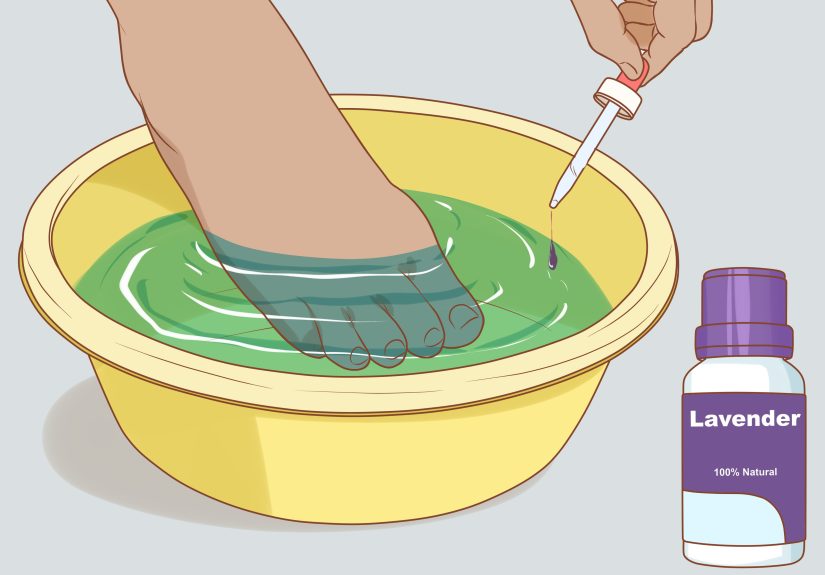
Try Warm Soaks for Nail Irritation
If swelling is around the toenail and looks like a mild ingrown toenail or early nail-fold irritation, soaking the foot in warm water may help. Keep the toe clean and dry afterward. Avoid digging into the nail or cutting deep into the corners, because that can worsen inflammation or introduce bacteria.
Consider Over-the-Counter Pain Relief
Over-the-counter pain relievers may help reduce discomfort from minor injuries, arthritis, or inflammation. Always follow the label directions, and ask a healthcare provider or pharmacist first if you have kidney disease, stomach ulcers, blood-thinning medication, liver disease, allergies, pregnancy, or other medical concerns.
How Doctors Treat a Swollen Toe
Medical treatment depends on the diagnosis. A healthcare provider may examine your toe, check your walking pattern, look for wounds or infection, test joint movement, and order an X-ray or lab work if needed.
For a Broken Toe
Treatment may include buddy taping, a rigid shoe, activity changes, pain control, or realignment if the bone is displaced. Severe fractures, open wounds, or deformity may need specialist care.
For an Ingrown Toenail
A clinician may lift the nail edge, prescribe treatment for infection, or remove part of the nail if the ingrown portion is painful or recurring. Repeated ingrown toenails may require a procedure to prevent that edge of the nail from growing back.
For Infection
Toe infections may require antibiotics. If pus has collected under the skin, a healthcare provider may need to drain it safely. Do not squeeze or cut an infected toe at home. That is how a small problem applies for a promotion.
For Gout
Gout treatment may include anti-inflammatory medications, colchicine, corticosteroids, and long-term uric acid management for recurring attacks. Lifestyle changes may also help reduce future flares, but medication is often needed for people with repeated gout.
For Arthritis
Arthritis treatment may include supportive shoes, orthotics, physical therapy, activity modification, anti-inflammatory medication, injections, or surgery in advanced cases. The goal is to reduce pain, protect joint function, and keep you moving comfortably.
When to See a Doctor for a Swollen Toe
Get medical care if you have:
- Severe pain or swelling
- A toe that looks crooked or deformed
- Inability to walk or bear weight
- Spreading redness or warmth
- Pus, drainage, or a bad smell
- Fever or chills
- Numbness, tingling, or blue/black skin color
- A wound that is not healing
- Swelling after a crush injury
- Diabetes, poor circulation, or a weakened immune system
- Sudden intense big toe pain with redness and heat
Also seek care if swelling does not improve after a few days of basic home care, keeps coming back, or interferes with walking. Persistent toe swelling is your foot’s way of sending a calendar invite titled “Please investigate.”
What Not to Do With a Swollen Toe
Some well-meaning habits can make a swollen toe worse. Avoid these common mistakes:
- Do not cut deeply into an ingrown toenail.
- Do not pop blisters or drain pus at home.
- Do not ignore spreading redness or warmth.
- Do not keep wearing tight shoes “just for today.”
- Do not tape a toe so tightly that circulation is reduced.
- Do not assume sudden big toe pain is “just aging.”
- Do not delay care if you have diabetes or poor circulation.
How to Prevent Toe Swelling
Trim Toenails Correctly
Cut toenails straight across and avoid rounding the corners too aggressively. Smooth sharp edges with a nail file. This can reduce the risk of ingrown toenails.
Choose Shoes That Fit
Your toes should have room to move. Look for a wide toe box, stable sole, and enough length so your nails do not hit the front of the shoe. Shoes should feel comfortable when you buy them, not after a mythical “breaking in” period that requires bandages and regret.
Protect Your Feet During Activity
Wear sport-appropriate footwear, warm up before exercise, and avoid sudden increases in activity. If you play sports on artificial turf or do a lot of sprinting, pay attention to big toe pain before it becomes a bigger injury.
Check Your Feet Regularly
Daily foot checks are especially important for people with diabetes or reduced sensation. Look for redness, swelling, cuts, blisters, nail changes, or sores. A mirror can help you see the bottom of your feet.
Keep Feet Clean and Dry
Wash feet regularly, dry well between the toes, and change socks when sweaty. Moisture can contribute to skin irritation and fungal problems, which may increase the risk of cracks and infection.
Real-Life Experiences: What a Swollen Toe Often Teaches People
Many people discover the importance of foot care only after a swollen toe ruins an otherwise normal week. One common story starts with a tiny nail problem. Someone trims a toenail too short, wears narrow shoes to work, and notices tenderness at the nail edge. At first, it seems harmless. Then the toe becomes red, swollen, and angry enough to make every step feel personal. The lesson is simple: toenails prefer straight trims, roomy shoes, and not being treated like a craft project.
Another familiar experience is the classic stubbed toe. A person walks through the house barefoot, collides with a chair leg, and spends the next ten minutes questioning the furniture’s motives. Mild swelling and bruising may improve with rest, ice, elevation, and protective footwear. But if the toe becomes crooked, the pain is intense, or walking is nearly impossible, it may be more than a dramatic stub. Many people wait too long because they assume “it’s just a toe.” Unfortunately, toes are small bones with big responsibilities.
Then there is the sudden big toe flare that arrives like a thunderstorm. Someone wakes up with a hot, red, swollen big toe and cannot remember injuring it. Even the bedsheet feels too heavy. This experience often leads people to learn about gout. The surprise is that gout is not just an “old-fashioned rich food disease.” It is a real inflammatory arthritis that can affect many adults and may need medical treatment, especially if flares repeat.
Athletes and active people often meet swollen toes through overuse. A runner increases mileage too quickly, a basketball player lands awkwardly, or a soccer player jams the big toe during a push-off. The swelling may seem minor at first but can linger when the toe is repeatedly stressed. The big takeaway is that pain is information. Resting early may feel annoying, but it is usually less annoying than turning a small sprain into a long-term problem.
People with diabetes often have a different experience. A small blister or nail irritation may not hurt much because of nerve changes, but it can still become serious. That is why daily foot checks, proper shoes, and fast medical attention for swelling or wounds are so important. In this situation, being “too careful” is actually the smart move.
The most practical lesson from swollen toe experiences is this: treat the cause, not just the puffiness. Ice may help an injury, warm soaks may help mild nail irritation, and supportive shoes may reduce pressurebut infection, gout, fractures, and diabetes-related foot problems need the right care. Your toe may be tiny, but when it swells, it is often giving you useful information. Listen early, respond wisely, and your future steps will thank you.
Conclusion
A swollen toe can come from something simple, like tight shoes or a minor bump, or something that needs medical care, such as infection, gout, arthritis, diabetes-related foot problems, or a fracture. Start by noticing the details: where the swelling is, how painful it feels, whether the toe is red or warm, and whether walking is difficult.
For mild cases, rest, ice, elevation, roomy shoes, and careful hygiene may be enough. For worsening pain, spreading redness, pus, fever, deformity, numbness, or swelling in someone with diabetes or poor circulation, do not wait it out. A healthcare provider can identify the cause and help prevent complications.
Note: This article is for general educational purposes and should not replace professional medical advice, diagnosis, or treatment. If symptoms are severe, unusual, or getting worse, contact a qualified healthcare provider.