Table of Contents >> Show >> Hide
- What Aloe Vera Gel Actually Is (And Why Storage Matters)
- Can Aloe Vera Gel Go Bad?
- How Long Does Aloe Vera Gel Last?
- Best Way to Store Fresh Aloe Vera Gel
- How to Store Store-Bought Aloe Vera Gel
- Signs Aloe Vera Gel Has Gone Bad
- Can You Make Aloe Gel Last Longer?
- Topical vs. Oral Aloe: Important Safety Difference
- Quick FAQ
- Final Thoughts
- Extended Reader Experiences and Practical Lessons (Added 500+ Words)
Aloe vera gel is the overachiever of the plant world. It cools, soothes, hydrates, and somehow ends up in everything from after-sun products to face masks. But the second you scoop fresh gel from a leaf, the countdown begins. Aloe gel is mostly water, full of natural plant compounds, and not exactly built for a long, happy life on your bathroom counter.
So, can aloe vera gel go bad? Absolutely. The good news: with the right storage method, you can keep it fresh longer and avoid rubbing questionable goo on your skin. In this guide, you’ll learn how to store fresh and store-bought aloe vera gel, how to spot spoilage, and how to make your gel last without turning your fridge into a science experiment.
What Aloe Vera Gel Actually Is (And Why Storage Matters)
Aloe products come from different parts of the aloe leaf, and that distinction matters. The clear inner gel is what people usually use topically for minor skin irritation, dry skin, or after-sun care. The yellow latex layer (closer to the leaf’s outer part) is a different substance entirely and has very different safety considerations.
Fresh aloe gel can degrade quickly after harvesting. Why? Because it’s water-rich, exposed to air, and easy to contaminate with bacteria or fungi if it’s handled with dirty tools, warm storage, or repeated finger-dipping. That’s true for many water-based personal-care products, and aloe is no exception. In other words, aloe gel is amazing for your skin, but it’s not immortal.
Can Aloe Vera Gel Go Bad?
Yes both fresh homemade aloe vera gel and commercial aloe products can go bad.
Fresh aloe gel goes bad faster
Fresh gel from the plant is the most fragile version. It has no commercial stabilizers unless you add something yourself. Once exposed to air, heat, and moisture, it can lose quality fast and may become unsafe if contaminated.
Store-bought aloe gel can also expire
Commercial aloe vera gels usually contain preservatives and stabilizers, so they last much longer than homemade gel. But “longer” does not mean “forever.” Packaging, heat, sunlight, humidity, and how you use the product all affect shelf life. Even if the bottle looks fine, poor storage can shorten its usable life.
Natural doesn’t mean spoil-proof
This is the part people forget. “Natural” products can absolutely spoil. In fact, many natural products spoil faster if they’re not preserved. If a product contains water (and aloe gel definitely does), microbes love that party.
How Long Does Aloe Vera Gel Last?
Shelf life depends on whether your aloe gel is fresh, homemade with added stabilizers, frozen, or commercially packaged.
Fresh aloe vera gel (from the leaf)
- At room temperature: Very short lifespan (best used the same day).
- In the refrigerator: About up to 1 week in an airtight container.
- In the freezer: About up to 6 months if frozen in small portions (like ice cube trays).
Some DIY methods also suggest adding vitamin C or vitamin E to help preserve blended aloe gel, which can extend fridge storage compared with plain gel. Still, homemade aloe is a short-term product not something to stash and forget behind the ketchup.
Store-bought aloe vera gel
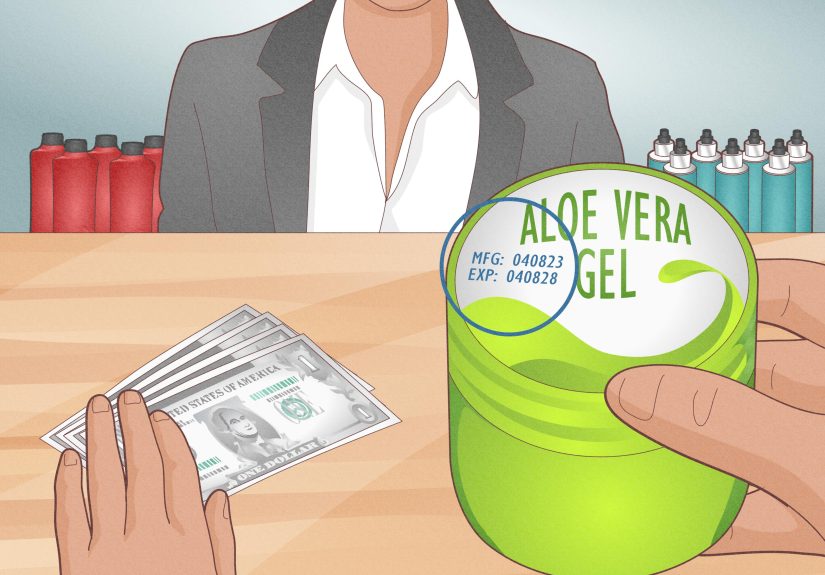
- Unopened: Follow the manufacturer’s date or shelf-life guidance.
- Opened: Follow the “use within” symbol (if present) and label storage instructions.
- If stored badly: It may spoil before the listed date, especially if exposed to heat, humidity, or contamination.
One important note: in the U.S., cosmetics are not always required to display an expiration date. That means you may need to rely on the label directions, period-after-opening guidance, and your own inspection of the product’s smell, color, and texture.
Best Way to Store Fresh Aloe Vera Gel
If you’re cutting aloe from a plant at home, storage starts before the gel even hits the jar.
1) Start clean
Wash the leaf, your knife, blender (if using one), and your container. Aloe gel is easy to contaminate, and once microbes get in, shelf life drops fast. Clean tools and clean hands are non-negotiable.
2) Separate the clear gel from the yellow latex
When you cut an aloe leaf, you’ll often see a yellow liquid (latex) drain out first. Let that drain away before collecting the clear gel. You want the inner gel for topical use, not the yellow latex.
3) Use an airtight container
Transfer the gel to a clean, airtight container right away. This reduces exposure to oxygen and limits contamination. Small containers work better than one giant jar because you open them less often.
4) Refrigerate immediately
Don’t leave fresh aloe gel on the counter “just for a bit.” Refrigeration is your best friend here. The cold slows degradation and helps keep the gel usable longer.
5) Label the date
Put the prep date on the container. This sounds obvious, but three days later every mystery jar in the fridge looks equally innocent. Date labels prevent guesswork.
6) Freeze what you won’t use soon
If you made more than you can use in a few days, freeze it. Ice cube trays are perfect for portioning. Once frozen, transfer cubes to a freezer-safe bag or container. That gives you ready-to-use portions for after-sun care or skin-soothing use.
How to Store Store-Bought Aloe Vera Gel
Commercial aloe products are easier, but they still need decent storage habits.
Read the label first
Some aloe gels are sold as cosmetics, some as multipurpose skin products, and some as products with drug-like claims (such as SPF or acne treatment). Storage instructions can vary. If the label says “store in a cool, dry place,” do that. If it says “refrigerate after opening,” listen to it.
Keep it away from heat and humidity
A steamy bathroom shelf is convenient, but it’s not ideal. Heat and moisture can speed breakdown and encourage microbial growth. A cool drawer or cabinet is usually better than the shower ledge.
Avoid finger-dipping when possible
If your aloe comes in a tub, use a clean spatula or spoon instead of your fingers. Repeated dipping introduces bacteria and fungi and can overwhelm preservatives over time. Pump bottles and squeeze tubes are generally cleaner for longer.
Keep the cap closed tightly
Air exposure can change color, texture, and smell. If the lid is always loose, your aloe gel is basically speed-running expiration.
Signs Aloe Vera Gel Has Gone Bad
If you’re wondering whether your aloe gel is still safe to use, trust your senses. Spoiled aloe usually gives itself away.
1) Strange smell
Fresh aloe has a mild plant-like scent. If it smells sour, rancid, musty, or just plain weird, toss it. Bad odor is one of the clearest signs of contamination or breakdown.
2) Color changes
Some slight discoloration can happen naturally over time, especially in homemade gel. But major darkening, unusual yellowing/browning, or any suspicious cloudy appearance is a red flag.
3) Texture changes
Separation can happen in natural or homemade aloe, especially if it was blended. A quick stir may fix minor separation. But if the gel becomes unusually watery, clumpy, slimy in a bad way, or oddly foamy, it’s safer to discard it.
4) Visible mold
If you see mold, fuzz, spots, or anything growing that definitely wasn’t there before, it’s done. Don’t “scoop around it.” With soft, moist products, contamination can spread below the surface.
5) Skin irritation after use
Aloe is usually well tolerated topically, but it can still cause irritation or allergic reactions in some people. If a product suddenly causes burning, itching, or a rash (especially if it didn’t before), stop using it. The issue may be spoilage, contamination, or sensitivity.
Can You Make Aloe Gel Last Longer?
Yes within reason. Fresh aloe gel will always be perishable, but you can stretch its life with smart storage.
What helps
- Using very clean tools and containers
- Keeping it refrigerated
- Portioning it into small containers
- Freezing extra gel
- Reducing repeated exposure to fingers, air, and moisture
- Adding stabilizers in DIY recipes (such as vitamin C or vitamin E), if you choose
What shortens shelf life
- Warm storage (bathroom, hot car, windowsill)
- Loose lids or open containers
- Dirty spoons, fingers, or contaminated tools
- Large batches you can’t use quickly
- Ignoring label instructions on store-bought products
Topical vs. Oral Aloe: Important Safety Difference
Most people asking about aloe gel storage are using it on skin and that’s the safest lane for aloe for most users. Topical aloe gel is generally well tolerated, though some people can still get irritation or allergic reactions.
Oral aloe products are different. The inner gel, latex, and whole-leaf extracts are not the same thing, and oral use comes with more safety concerns. Aloe latex is associated with cramping and diarrhea, and FDA rulemaking removed aloe-based stimulant laxative ingredients from OTC laxatives due to safety concerns and insufficient safety data. If you’re thinking about ingesting aloe, use a clearly labeled product and check with a healthcare professional instead of DIY-ing it from a leaf.
Quick FAQ
Should I refrigerate aloe vera gel?
Fresh homemade aloe gel: yes, absolutely. Store-bought aloe gel: follow the label, but refrigeration can feel extra soothing on irritated skin if the product allows it.
Can I freeze aloe vera gel?
Yes. Freezing is one of the best ways to preserve extra fresh aloe gel. Freeze in small portions for convenience.
Can I use aloe gel if it changed color a little?
Maybe. Minor change can happen naturally, especially with homemade gel. But if the smell is off, the texture is strange, or there’s visible mold, discard it.
How do I store aloe gel for skin care use?
Use a clean airtight container, refrigerate it, keep it away from heat and humidity, and avoid contaminating it with fingers.
Final Thoughts
Aloe vera gel is one of the most useful natural skin-care staples around but it’s also perishable, especially when it’s fresh from the plant. The best storage strategy is simple: keep it clean, keep it cold, and keep it sealed.
If you remember only one rule, make it this: when in doubt, throw it out. Your skin deserves better than mystery gel with a weird smell and a personal agenda.
Extended Reader Experiences and Practical Lessons (Added 500+ Words)
One of the most common experiences people have with aloe vera gel is overestimating how long “fresh” means fresh. A typical example: someone trims a big aloe leaf, scoops out a full bowl of gel, uses a spoonful for a sunburn, and then leaves the rest in a loosely covered dish in the fridge. Two or three days later, the gel looks thinner, smells a little off, and nobody feels confident using it. The lesson here is simple: aloe works best when you prepare small amounts. Fresh aloe isn’t like a jar of pickles. It doesn’t wait patiently.
Another common experience comes from storing aloe in the bathroom. It seems logical because you use it after a shower, after shaving, or after sun exposure. But bathrooms are warm and humid, and those conditions are terrible for many skin products especially anything water-based. People often notice that aloe gels stored in the bathroom start changing texture faster than the same product stored in a bedroom drawer or closet. The product may become runnier, smell different, or separate more quickly. This is one of those tiny storage upgrades that makes a big difference over time.
Some people also learn the hard way that fingers are the enemy of shelf life. A store-bought aloe tub can last a decent amount of time if you use a clean spatula, but repeated finger-dipping introduces bacteria every single time. Even a product with preservatives can struggle if it’s constantly contaminated. If you’ve ever owned a jar product that looked fine for weeks and then suddenly smelled “off,” this is often why. Pump bottles and squeeze tubes usually stay fresher longer simply because you don’t touch the bulk product.
Freezing aloe is another trick that people love once they try it. A lot of readers who use aloe after workouts, shaving, or sun exposure report that frozen aloe cubes are more convenient than fresh gel in a jar. You can thaw a cube in your palm or apply it gently for a cooling effect. It also reduces waste because you only thaw what you need. The main downside is texture: thawed aloe can feel a little looser than fresh gel. But for comfort care, many people actually prefer it because it spreads easily and feels extra cold.
There are also cautionary experiences. Some users apply fresh aloe directly from a leaf and feel fine for months, then suddenly develop itching or redness and assume the plant “went bad.” Sometimes the gel did spoil. Other times, it’s simple skin sensitivity, especially if the yellow latex wasn’t drained properly or if the person has reactive skin. Patch testing a small area first is a smart habit, especially when trying a new aloe product, a homemade blend, or a different brand.
Finally, a practical habit that consistently works: label everything. People who date their aloe containers almost never end up guessing. People who don’t date them end up sniffing jars like detectives. A tiny piece of masking tape with the prep date (and maybe “freeze by” date) turns aloe storage from chaos into a system. It’s not glamorous, but neither is throwing away half a batch because nobody remembers when it was made.
In short, real-world aloe storage success usually comes down to a few boring but powerful habits: make smaller batches, refrigerate quickly, avoid finger contamination, freeze extra portions, and label the date. Do that, and aloe vera gel stays useful, safe, and ready when your skin needs it.