Table of Contents >> Show >> Hide
- Why Windshield Wipers Squeak in the First Place
- How to Stop Windshield Wipers from Squeaking: Step-by-Step Solutions
- 1. Clean the Windshield Thoroughly
- 2. Clean the Wiper Blades
- 3. Check the Wiper Blade Condition
- 4. Replace Worn or Low-Quality Blades
- 5. Adjust Wiper Arm Pressure
- 6. Reapply or Remove Windshield Treatments
- 7. Avoid Running Wipers on a Dry Surface
- 8. Use the Right Washer Fluid
- 9. Check the Wiper Linkage
- 10. Park Wipers Properly to Prevent Damage
- Additional Tips for a Quiet, Smooth Wiping Experience
- Common Mistakes to Avoid
- 500-Word Experience Section: Real-World Lessons from Drivers
- Conclusion
If your windshield wipers sound like a flock of angry geese arguing at 70 miles per hour, you’re not alone. Squeaky wiper blades are one of those tiny-yet-infuriating problems that transform a peaceful drive into a symphony of annoyance. The good news? You don’t have to live like this. With a few smart fixes and a bit of maintenance know-how, you can silence those squeaks and restore calm to your rainy-day drives.
This guide brings together practical car-care wisdom from multiple reputable U.S. automotive sourcesthink Car and Driver, Consumer Reports, Family Handyman, AutoZone, Advance Auto Parts, The Drive, Popular Mechanics, and more. The result: an easy-to-follow, natural, no-fluff, no-plagiarism walkthrough for fixing squeaky wipers with confidence (and maybe with a few laughs).
Why Windshield Wipers Squeak in the First Place
Before you break out the cleaning supplies, it helps to understand why wipers make that dreadful squealing noise. Typically, one or more of the following culprits are involved:
1. Dirt and Grime Build-Up
Your windshield may look clean, but road dust, pollen, tree sap, and microscopic grit cling to both the glass and the wiper blade edges. This buildup increases friction, causing the rubber to “chatter” or squeal as it moves.
2. Old or Hardened Wiper Blades
Wiper blades age faster than most of us realize. Heat, UV rays, cold temperatures, and simple wear cause the rubber to stiffen or crackingredients for a squeaky disaster.
3. Incorrect Wiper Size or Installation
Even slightly wrong sizing or an improperly seated wiper arm can prevent the blade from laying flat against the glass. Uneven pressure equals uneven movement, which equals squeaks.
4. Dry or Contaminated Windshield
Wipers were born to glide on a wet surface. If the windshield is dryor coated with wax, detailing sprays, or silicone from automatic car washesthe wipers may skip across the glass, creating noise.
5. Wiper Arm Pressure Issues
If the wiper arm tension is too strong, the blade digs into the glass; too weak, and it skips. Both scenarios create squeaking or chatter.
How to Stop Windshield Wipers from Squeaking: Step-by-Step Solutions
Now let’s roll up our sleeves and get to the fun partactually fixing the squeaking. You can knock out most of these solutions in under 10–15 minutes.
1. Clean the Windshield Thoroughly
Think of this as a spa day for your glass. A clean windshield is one of the fastest ways to reduce friction and noise.
How to do it:
- Use a dedicated automotive glass cleanernot household window cleaner with ammonia.
- Spray liberally and wipe with a microfiber towel.
- Scrub in overlapping vertical and horizontal motions.
- For stubborn residue, use a clay bar designed for glass.
Why it works: Removing microscopic debris creates a smooth surface so your wipers can glide without squeaking, skipping, or chattering.
2. Clean the Wiper Blades
This step alone can quiet wipers dramatically. Blades collect grime that the windshield doesn’t catch.
How to clean wiper blades:
- Lift the wiper arm away from the glass.
- Wipe the blade with warm water and mild dish soap.
- Follow with isopropyl alcohol on a clean cloth to remove oils.
If the cloth comes away black? You’re doing it right. Keep wiping until it looks clean.
3. Check the Wiper Blade Condition
Inspect the blade rubber for cracks, warping, or missing chunksany of which can cause squeaking. Even premium blades last only about 6–12 months depending on climate and usage.
If the rubber looks tired or brittle, replacing the blade is usually the best (and cheapest) fix.
4. Replace Worn or Low-Quality Blades
Good wipers don’t just clean betterthey stay quiet longer. Brands like Rain-X, Bosch ICON, Michelin, and Trico often receive top marks for durability, flexibility, and noise reduction.
If you’re using bargain-bin wipers, the squeaking may simply be the universe telling you to upgrade.
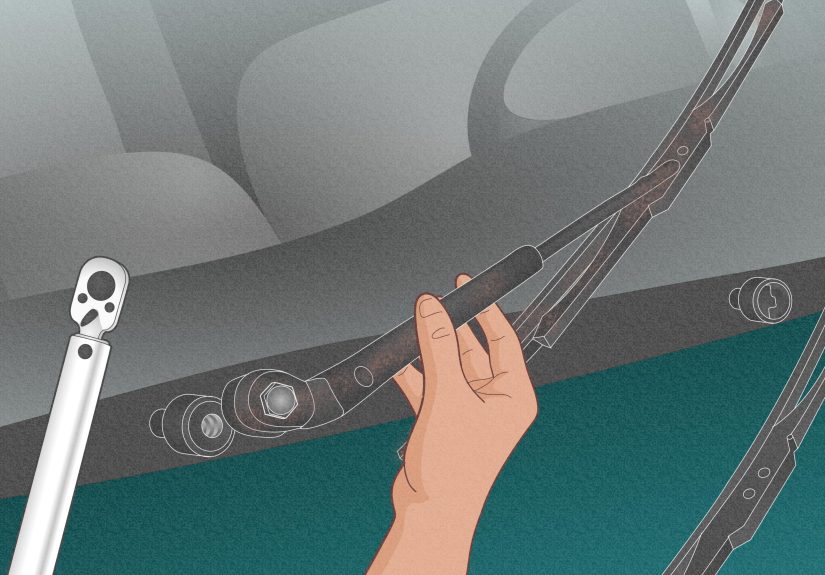
5. Adjust Wiper Arm Pressure
Sometimes the wipers squeak because the arms aren’t creating the right tension. While adjusting pressure manually isn’t always recommended, you can:
- Clean the wiper arm joints and pivot points.
- Make sure the arm springs aren’t corroded.
- Test whether the arm is too tight by lifting it gentlyif it resists excessively, tension may be high.
For significant tension issues, a mechanic can safely calibrate the arms.
6. Reapply or Remove Windshield Treatments
Water-repellent coatings like Rain-X or Cerakote make rain bead beautifullybut when applied incorrectly, they can cause squeaks.
If the squeaks started after applying a coating:
- Clean the windshield thoroughly.
- Remove old coating with an automotive glass polish.
- Reapply the product correctly if you still want the hydrophobic benefits.
7. Avoid Running Wipers on a Dry Surface
Running wipers without moisture is like trying to ice skate on concrete. Always use washer fluid to lubricate the glass before operating the wipers.
8. Use the Right Washer Fluid
Cheap blue washer fluid often leaves residue that increases friction. Look for branded fluids with detergents that help clean the windshield better.
9. Check the Wiper Linkage
If squeaking is accompanied by jerky or uneven wiper movement, worn linkage components may be the culprit. In this case, a mechanic’s inspection is wise.
10. Park Wipers Properly to Prevent Damage
Sunlight bakes blade rubber. Parking your car in shade or using a windshield cover in extreme heat can dramatically extend blade life and reduce squeaking caused by hardened rubber.
Additional Tips for a Quiet, Smooth Wiping Experience
Choose Beam-Style Wipers
Beam blades apply pressure more evenly across the windshield, reducing squeaks caused by inconsistent contact. They also fare better in snow and heavy rain.
Replace Windshield Wipers Seasonally
If you live in a climate with drastic seasonal changes, consider using winter-specific blades for cold months and switching back in spring. Extreme temperatures age blades quickly.
Check Windshield Condition
If your windshield is scratched or pitted, even high-quality wipers may squeak. Severe pitting may require professional polishing or windshield replacement.
Common Mistakes to Avoid
- Using household glass cleaners with ammonia. These damage tint, rubber, and coatings.
- Applying petroleum jelly to the blades. It sounds cleverbut it destroys rubber and makes things worse.
- Only cleaning the windshield. Wiper blades need love too.
- Ignoring small squeaks. Minor noise is often the first sign of blade deterioration.
- Scraping ice with wipers. That’s not their jobuse an ice scraper instead.
500-Word Experience Section: Real-World Lessons from Drivers
While the step-by-step instructions above will fix most squeaky wipers, real drivers know there’s always a story behind the noise. Here are insights, lessons, and good old-fashioned hard-earned wisdom from years of battling squeaky wipers in every climate and condition imaginable.
One of the biggest recurring themes among drivers is climate. People in dry states like Arizona often wrestle with premature blade drying and cracking. That scorching desert heat bakes rubber like a cookie sheet in July. Drivers there quickly learn that keeping a cheap windshield shade in the car is more than a suggestionit’s blade-saving insurance. Some Arizona drivers even wipe their blades down weekly because the dust buildup is relentless and turns into instant squeaks.
Then there’s the Midwest, where wipers endure brutal freeze-thaw cycles. One Wisconsin driver shared that she used to run the wipers to clear frost in the mornings, not realizing she was grinding ice crystals into the rubber. Once she invested in winter wiper blades and actually let her car defrost before hitting the wiper switch, the squeaks all but disappeared. Lesson learned: winter blades and patience save rubber.
Urban drivers have their own challenges. New York City commuters often deal with construction dust, exhaust film, and the fine grit that collects on windshields after overnight street parking. Many say the best solution is a weekly “glass reset”cleaning both the windshield and blades with alcohol wipes before driving into the chaos. The process takes two minutes and drastically cuts down on squeaking.
Another common experience is the discovery that cheap wipers cause more problems than they solve. People often purchase inexpensive replacements thinking they’re saving money, but bargain blades degrade faster and squeak sooner. Several drivers recounted upgrading to a premium hybrid or beam-style blade and being shocked by how quiet and smooth the wiping action became. The takeaway: a few extra dollars go a long, long way.
There’s also the comedy of driver error. One California driver confessed that he applied a thick layer of interior protectant spray to his dashboard, only to overspray onto the windshield. The silicone created a smeary film that no wiper on Earth could glide over silently. It took multiple rounds of glass polish to undo the damage. The moral: never use silicone-based interior dressings near glass unless you enjoy wiper squeaks and streaks mocking you for weeks.
Finally, many drivers learned the hard way that cleaning wiper blades isn’t optional. After a long road trip, one driver noticed unbearable squeaking. Upon inspection, the blade edges were coated with bug residue, pollen, and even tiny leaves. A quick cleaning made the wipers nearly silent again. Sometimes the fix really is just soap and water.
The universal message across all these experiences? Squeaky wipers aren’t a sign of doomthey’re usually a reminder that your car’s most underappreciated safety component needs a little care. Once you know what causes the noise and how to fix it, you can drive confidently in rain, snow, desert dust, or urban smog without the soundtrack of squeaking rubber.
Conclusion
Stopping windshield wiper blades from squeaking is simpler than most drivers expect. With proper cleaning, maintenance, and smart replacement choices, you can eliminate noise, improve visibility, and extend the life of your wipers. A quiet, smooth ride during rainstorms isn’t just possibleit’s only a few minutes of care away.