Table of Contents >> Show >> Hide
- Why Tongue Cuts Bleed So Much
- How to Stop Tongue Bleeding Right Away
- What Not to Do
- The Best Ways to Heal a Tongue Injury
- How Long Does a Tongue Cut Take to Heal?
- When You Should See a Dentist, Doctor, or Emergency Room
- Could It Be More Than a Simple Tongue Bite?
- First Aid for Kids With a Bleeding Tongue
- Prevention Tips So This Does Not Happen Again Next Tuesday
- Real-World Experiences: What People Often Notice While Healing
- Conclusion
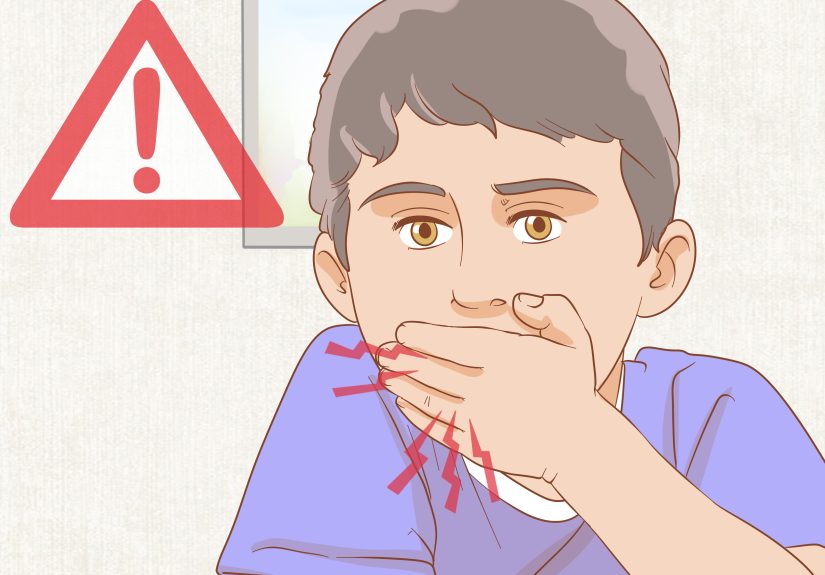
A bleeding tongue can look wildly dramatic. One tiny bite, one badly aimed forkful of tortilla chips, and suddenly it seems like your mouth has become a low-budget disaster movie. The good news? In many cases, a minor tongue bite or small cut looks worse than it is. Tongues have a rich blood supply, so even small injuries can bleed a lot.
The less-fun news is that not every tongue injury is a “rinse and relax” situation. Some cuts need urgent medical or dental care, especially if the bleeding will not stop, the cut is deep, or swelling starts making it hard to breathe or swallow. That is why knowing proper first aid for tongue bleeding matters.
In this guide, you will learn exactly how to stop tongue bleeding, what to do during the first few minutes, how to help the wound heal faster, what foods to avoid, and when a sore or bleeding tongue needs a dentist, doctor, or emergency room instead of wishful thinking and an ice cube.
Why Tongue Cuts Bleed So Much
Your tongue is packed with blood vessels. That is helpful when it comes to healing, because the mouth often repairs itself faster than skin on the rest of the body. But it also means a small injury can create a surprisingly large mess. In other words, the blood can look terrifying before the injury is actually dangerous.
Common causes of tongue bleeding include:
- Accidentally biting your tongue while eating
- Biting your tongue during sleep or stress-related clenching
- Sharp or broken teeth scraping the tongue
- Hot food burns that crack irritated tissue
- Sports injuries or falls
- Braces, dental appliances, or rough dental work
- Tongue piercings or irritated old piercing sites
- Mouth sores, infections, or inflamed tissue that breaks open easily
Sometimes the real problem is not the tongue itself. A chipped tooth with a sharp edge can keep slicing the same spot over and over again. That turns a quick heal into a repeat performance nobody asked for.
How to Stop Tongue Bleeding Right Away
1. Stay calm and sit upright
Yes, easier said than done when you taste blood and panic immediately tries to take over. But sitting upright helps you manage the bleeding better and makes it easier to see where the injury is.
2. Wash your hands if possible
If you can, wash your hands before touching the area. A tongue cut lives in a very busy neighborhood full of bacteria, so cleaner hands are always a better opening act.
3. Apply firm, steady pressure
This is the big one. Take a clean gauze pad, clean cloth, or folded paper towel if that is all you have, and press it gently but firmly against the bleeding area. If the cut is where you can bite down on clean gauze safely, do that. The key word here is steady. Do not check every five seconds like you are refreshing a package tracking page.
Keep pressure on the area for about 10 minutes without constantly lifting the cloth to inspect it. If it soaks through, add more clean material on top instead of removing the first layer.
4. Use something cold
Cold helps slow bleeding and reduce swelling. Suck on an ice cube, ice chips, or a popsicle, or place a cold compress against the outside of your mouth or cheek. A cold, wet gauze pad can also help. Just do not chew ice like you are trying to impress a freezer.
5. Rinse gently with cool water
If there is dirt, a food particle, or obvious debris, use a gentle cool-water rinse. Do not swish like mouthwash in a toothpaste commercial. Gentle is the whole mission here.
6. Recheck after pressure
After about 10 minutes of uninterrupted pressure, look again. If it is still bleeding, repeat the process. If bleeding remains heavy or will not stop after another round, it is time to get professional help.
What Not to Do
When your tongue is bleeding, a few common mistakes can make things worse:
- Do not keep pulling at the tongue to inspect the cut.
- Do not scrub the wound.
- Do not eat crunchy, spicy, salty, or acidic food right away.
- Do not drink very hot coffee, tea, or soup.
- Do not keep spitting forcefully, because that can restart bleeding.
- Do not ignore a sharp broken tooth that is continuing to rub the wound.
- Do not assume “small mouth injury” means “safe no matter what.”
If you already take prescription blood thinners or have a bleeding disorder, mouth bleeding may last longer and should be taken more seriously. That is not the moment to play tough.
The Best Ways to Heal a Tongue Injury
Once the bleeding is under control, healing becomes the next job. The tongue often heals quickly, but it heals best when you stop irritating it every few hours with the culinary version of sandpaper.
Keep the wound clean
Rinse gently with cool water after eating. Later, a mild salt-water rinse can help keep the area clean and soothe irritated tissue. Keep it light, not ocean-strength. You want comfort, not a chemistry experiment.
Stick with soft, cool foods
For the first day or two, choose foods that are easy on the tongue, such as:
- Yogurt
- Applesauce
- Smooth mashed potatoes
- Oatmeal that has cooled down
- Scrambled eggs
- Smoothies that are not overly acidic
- Pudding
- Lukewarm soup
Cold foods can feel especially nice because they calm swelling and pain at the same time.
Avoid irritation triggers
Say goodbye, at least temporarily, to hot sauce, citrus, alcohol, very hot drinks, sharp chips, crusty bread, and rough crackers. If it stings like betrayal, skip it for now.
Keep up normal oral hygiene
Brush and floss as usual, but be gentle around the injured area. A clean mouth supports healing. Just do not scrape your toothbrush across the sore spot like you are sanding a deck.
Use pain relief carefully
If needed, common over-the-counter pain relievers such as acetaminophen or ibuprofen may help with discomfort and swelling for many people. If you have stomach problems, kidney issues, bleeding risks, or take other medications, follow label directions and your clinician’s advice.
Fix the cause
If a jagged tooth, rough filling, braces wire, or mouthguard issue caused the injury, get that corrected. Otherwise, the same spot on your tongue may keep getting reopened like a bad sitcom plot.
How Long Does a Tongue Cut Take to Heal?
A minor tongue bite may feel much better within a few days. A deeper tongue cut can take a couple of weeks to fully settle down. That speed is one reason tongue injuries often do well without stitches. Still, “usually heals” does not mean “ignore it forever.”
If pain, swelling, or bleeding is getting worse instead of better, or if the wound still looks angry after a week or two, it deserves a professional opinion.
When You Should See a Dentist, Doctor, or Emergency Room
Get urgent medical or dental care if:
- Bleeding does not stop after 10 to 15 minutes of firm direct pressure
- The cut is deep, large, ragged, or gaping open
- The injury goes all the way through the tongue or through the mouth tissue
- You have severe swelling
- You have trouble breathing, talking, or swallowing
- You think you may have a broken tooth, broken jaw, or head injury
- The injury was caused by a human bite, animal bite, or dirty object
- You take anticoagulants or have a bleeding disorder
- There are signs of infection such as warmth, increasing redness, pus, fever, or worsening pain
A dentist may also need to see you if a rough tooth edge is repeatedly injuring your tongue. Sometimes the wound is not the main problem. The sharp tooth is the villain wearing the cheap disguise.
Could It Be More Than a Simple Tongue Bite?
Yes. If your tongue bleeds without a clear injury, or if you keep getting sores in the same place, think beyond “I must have bitten it.” Recurrent or unexplained bleeding can come from irritated tissue, canker sores, infections, tongue inflammation, dry mouth, poorly fitting dental work, vitamin deficiencies, or, in rarer cases, a more serious mouth condition.
Pay extra attention if you notice:
- A sore that does not heal
- White or red patches
- A lump, thickened area, or numbness
- Trouble moving the tongue
- Pain that keeps returning in the same spot
- Bleeding with no obvious injury
If something in your mouth looks wrong for more than a week or two, stop trying to out-stubborn it and get it checked.
First Aid for Kids With a Bleeding Tongue
Kids love two things: running at top speed and putting their mouths exactly where they should not. A child’s tongue injury is often minor, but it can still bleed dramatically.
For children:
- Have them sit upright and stay calm
- Use clean wet gauze if possible
- Ask them to bite down gently on gauze if they are old enough
- Offer an ice pop or ice chips to reduce swelling
- Seek immediate care if the cut is large, the bleeding will not stop, there is major swelling, or you suspect a dental or facial injury
If your child has a known bleeding disorder, do not wait around hoping for a miracle. Follow their care plan and contact their medical team promptly.
Prevention Tips So This Does Not Happen Again Next Tuesday
- Chew slowly, especially if you are distracted, tired, or talking while eating
- Wear a mouthguard for contact sports
- Fix sharp teeth, broken fillings, and rough dental appliances
- Avoid extremely hot foods that can burn and crack irritated tissue
- Keep your mouth moisturized and maintain good oral hygiene
- Do not ignore recurring tongue pain or sores
Real-World Experiences: What People Often Notice While Healing
Many people who bite their tongue for the first time are convinced something has gone horribly wrong because there seems to be blood everywhere. Then, after ten solid minutes of pressure and a little ice, the situation calms down fast. That is a very common experience. Mouth injuries often look bigger and scarier than they are.
Another common experience is delayed soreness. At first, the main concern is the bleeding. A few hours later, the tongue starts to feel swollen, tender, and annoyingly aware of every single thing in your mouth. Suddenly, even ordinary foods feel like they are auditioning for the role of “tiny villain.” Toast is too rough. Orange juice is too acidic. Salsa is absolutely not your friend. People often discover that cool yogurt, smoothies, pudding, and applesauce become the unofficial healing menu for a day or two.
Some people also notice that the cut seems to reopen every time they talk a lot, laugh hard, or keep poking it with their teeth. That happens because the tongue is always moving. It is basically your mouth’s busiest employee, and it does not believe in taking sick leave. The fix is simple but boring: stop checking it constantly, avoid irritating foods, and let the tissue settle.
There is also the “mystery repeat injury” situation. Someone thinks their tongue is not healing, but the real issue is a chipped tooth, a rough filling, or a braces wire that keeps scraping the same spot. Once the dental problem is fixed, the sore finally gets a chance to heal instead of living in a loop.
Parents often describe children’s tongue injuries as especially alarming because kids cry, blood mixes with saliva, and it looks dramatic fast. But many of those minor injuries improve with pressure, cold, and patience. The trick is knowing when an injury crosses the line into needing professional care, such as persistent bleeding, a deep cut, swelling, or a possible tooth or jaw injury.
Some people feel better quickly but still have a small white or yellowish healing patch afterward. That can be part of the normal healing process and not automatically a sign of infection. What matters more is the trend. If the area is getting less painful and less swollen, that is encouraging. If it is getting hotter, redder, more swollen, or starts draining pus, that is your cue to call a professional.
Perhaps the most universal experience is this: once the bleeding stops and the panic fades, people realize the best treatment is not fancy. It is pressure, cold, gentle cleaning, soft foods, and giving the tongue a little peace and quiet. In other words, the healing plan is less “medical drama finale” and more “please stop eating nachos for 24 hours.”
Conclusion
If you are wondering how to stop tongue bleeding, the basics are simple and effective: apply firm pressure, use something cold, rinse gently if needed, and avoid irritating the area while it heals. Most small tongue cuts and bites improve with home care, and the tongue is usually a quick healer.
Still, there is a line between “annoying but manageable” and “needs medical attention now.” If the bleeding will not stop, the cut is deep, you have significant swelling, or breathing and swallowing are affected, do not wait it out. Get urgent care. And if you keep injuring the same area, let a dentist check whether a sharp tooth or dental issue is the real troublemaker.
In short: pressure first, ice second, soft foods after that, and no heroics with spicy chips until your tongue has officially forgiven you.