Table of Contents >> Show >> Hide
- What Is Grape Ivy?
- Best Conditions for Growing Grape Ivy
- How to Plant Grape Ivy
- How to Water Grape Ivy
- Do You Need Fertilizer?
- Pruning, Training, and Repotting
- How to Propagate Grape Ivy From Cuttings
- Common Problems and Easy Fixes
- Can You Grow Grape Ivy Outdoors?
- Experience: What Growing Grape Ivy Actually Feels Like
- Final Thoughts
- SEO Tags
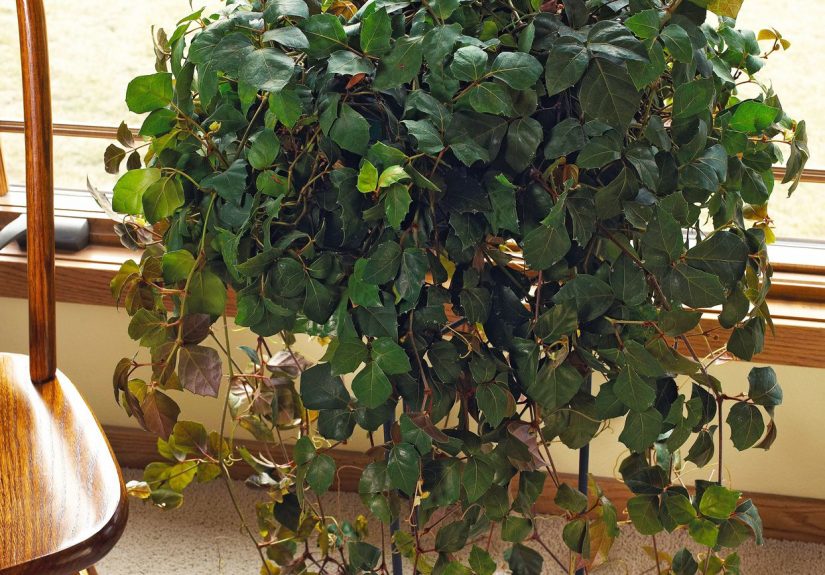
Some houseplants behave like tiny green divas. Grape ivy is not one of them. This leafy vine is relaxed, adaptable, and good-looking in that effortless “I just live here and improve the room” way. Known botanically as Cissus alata and often still sold as Cissus rhombifolia, grape ivy is a classic trailing or climbing houseplant with glossy leaves, curling tendrils, and a well-earned reputation for being easier than it looks.
If you want a plant that feels lush without demanding hourly emotional support, grape ivy is a smart choice. It grows well in containers, works in hanging baskets or on trellises, and handles ordinary indoor conditions better than many tropical vines. Give it the right light, a loose potting mix, and sensible watering, and it will reward you with graceful stems instead of a rain of disappointed leaves.
What Is Grape Ivy?
Grape ivy is a subtropical evergreen vine in the grape family, grown mostly for its foliage rather than its flowers. Indoors, it is usually displayed in a hanging basket, trained on a trellis, or allowed to spill over a shelf. Outdoors, it can grow year-round only in very warm climates, generally USDA Zones 10 to 11 or 12 depending on local conditions.
The appeal is simple: it has handsome trifoliate leaves, flexible stems, and a forgiving nature. It can tolerate medium light, but it looks fuller and healthier in bright, indirect light. It also appreciates moderate humidity, though it is not nearly as fussy as some tropical plants. One more bonus: grape ivy is considered non-toxic to cats, dogs, and horses, making it a more relaxed option for pet-friendly homes.
Best Conditions for Growing Grape Ivy
Light
Grape ivy grows best in bright, indirect light. An east-facing window is great, and a spot a few feet back from a brighter south- or west-facing window can also work well. It will tolerate medium light, but growth may slow and stems can become leggy. Harsh direct afternoon sun is usually too much and may scorch the leaves.
Soil
Use a well-draining potting mix. A standard houseplant mix amended with perlite or fine bark is usually enough. The goal is moisture retention without sogginess. Grape ivy dislikes heavy, compacted soil that stays wet for too long. A pot with drainage holes is essential unless you want to gamble with root rot.
Temperature and Humidity
Average household temperatures are fine, especially around 68 to 82 degrees Fahrenheit during active growth. Try not to let the plant experience temperatures below 50 degrees Fahrenheit. Cold drafts, chilly windows, and blasting vents can all lead to stress and leaf drop. Average indoor humidity is acceptable, but moderate humidity helps the plant look its best.
How to Plant Grape Ivy
Start with a pot that is only slightly larger than the root ball. Oversized pots stay wet longer, which is not great for this plant. Fill the container with a loose, well-draining potting mix, set the plant so the top of the root ball sits about an inch below the rim, and backfill gently. Firm the soil lightly, but do not pack it down.
Water thoroughly after planting so excess moisture runs out of the bottom, then empty the saucer or outer pot. Grape ivy likes moisture, but it absolutely does not want wet feet. Spring is the best time to plant or repot because the vine is entering its active growing season and recovers more quickly.
How to Water Grape Ivy
The easiest rule is to let the top inch of soil dry slightly before watering again. Stick your finger into the mix. If the top feels dry, water thoroughly. If it still feels damp, wait. This works better than watering on a rigid schedule because light, temperature, and pot size all affect how quickly the soil dries.
In spring and summer, the plant usually needs more frequent watering. In fall and winter, growth slows, so watering should be reduced. Overwatering is the most common grape ivy mistake and often shows up as yellow leaves, leaf drop, or limp stems. A thirsty plant usually recovers quickly. A waterlogged one often does not forgive nearly as fast.
Do You Need Fertilizer?
Not much. Grape ivy is not a heavy feeder, but it will appreciate a balanced houseplant fertilizer at half strength during spring and summer if you want faster growth. Feeding once a month during the growing season is usually plenty. Skip fertilizer in winter, and do not fertilize a stressed or freshly repotted plant.
Pruning, Training, and Repotting
If the vine starts looking long and scraggly, trim it. Pinching or pruning the tips encourages branching, which makes the plant fuller. Remove dead or awkward stems as needed. Grape ivy handles pruning well, so you do not have to tiptoe around it like it is made of crystal.
This plant also gives you options. Let it trail from a hanging basket, or guide it up a small trellis or moss pole. If roots begin circling densely, the soil dries out unusually fast, or growth seems stalled, repot into the next size up. For most healthy plants, that is every couple of years.
How to Propagate Grape Ivy From Cuttings
Grape ivy is usually propagated from stem cuttings because it rarely flowers indoors. In spring or early summer, cut a healthy stem just below a node, remove the lower leaves, and place the cutting in moist potting mix or water. Keep it warm, bright, and out of direct sun until roots form.
Once the cutting has a healthy root system, pot it into a small container with well-draining mix. For a fuller plant, root several cuttings together in one pot. That is one of the easiest ways to get a lush, bushy look instead of a single vine trying to carry the whole show.
Common Problems and Easy Fixes
Leaf Drop
Leaf drop usually points to overwatering, cold drafts, sudden temperature swings, or an abrupt lighting change. Check the soil first, then look at the plant’s location.
Yellow Leaves
Yellowing often means the roots are staying too wet. Let the soil dry a little more between waterings and make sure excess water drains away fully.
Leggy Growth
Long stems with sparse leaves usually mean the plant needs brighter light. Move it closer to a window with filtered light and prune stretched growth.
Pests
Spider mites, mealybugs, and whiteflies can appear, especially on stressed plants. Check leaf undersides and stem joints regularly. If pests show up, isolate the plant, wipe the foliage, and treat with neem oil or another houseplant-safe product according to label directions.
Can You Grow Grape Ivy Outdoors?
Yes, but mostly in warm regions. In frost-free climates, grape ivy can grow outdoors as a perennial vine. In cooler parts of the United States, many gardeners move it outside for summer and bring it back indoors before temperatures fall below 50 degrees Fahrenheit. Outdoors, it does best in partial shade or bright filtered light rather than harsh full sun.
Experience: What Growing Grape Ivy Actually Feels Like
Real-life experience with grape ivy teaches a lesson that plant labels rarely explain well: this plant responds best to calm, steady care. The first time I grew one, I made the classic mistake of assuming “tropical vine” meant “water constantly and worry loudly.” I checked it too often, watered too eagerly, and basically hovered over the pot like an anxious event planner. The plant did not die, but it did drop enough leaves to let me know it was unimpressed. That was my first clue that grape ivy likes consistency more than devotion.
The biggest improvement came when I stopped guessing and started observing. I moved the plant from a dim corner to a brighter space with filtered morning light, and the difference was obvious within a few weeks. New leaves came in cleaner and richer green, stems looked sturdier, and the whole plant started behaving like it wanted to grow instead of merely survive. That is the practical truth with grape ivy: it can tolerate lower light, but it really performs better when it gets enough indirect brightness to make sturdy growth.
I also learned that the pot and soil setup matter more than people think. In a container with poor drainage, grape ivy can go downhill fast. In a pot with drainage holes and an airy mix, watering becomes much easier to manage. You can soak the root ball thoroughly, let the excess run out, and move on without wondering whether you just signed the roots up for a swamp vacation. That one change alone can solve a surprising number of problems before they start.
Pruning feels intimidating at first, but it quickly becomes one of the most useful parts of grape ivy care. Long vines are nice, but random, bare, stretched-out vines are less charming. Once I got comfortable pinching the tips and shortening awkward stems, the plant became much fuller and more balanced. It also looked better in the room. A lightly pruned grape ivy has shape and presence. An untrimmed one can start to look like it lost the plot halfway through growing.
Propagation is where the plant really wins people over. Taking a few cuttings, rooting them, and potting several together is satisfying in the most practical way. You end up with a fuller basket, a backup plant, or an easy gift for someone who wants greenery without too much drama. Few houseplants make you feel so efficient for so little effort.
Over time, grape ivy becomes the kind of plant you trust. It is not flashy, and it is not trying to become the internet’s newest leafy celebrity. What it offers instead is reliability. It trails beautifully, climbs willingly, looks good in a wide range of interiors, and forgives small mistakes as long as you keep its roots out of soggy soil and away from cold. For beginners, that makes it encouraging. For experienced growers, it makes it a dependable, elegant staple. And honestly, in a world full of finicky houseplants, dependable is a very attractive personality trait.
Final Thoughts
If you want a trailing plant that is attractive, adaptable, and not terribly needy, grape ivy deserves serious consideration. Plant it in a container with drainage, use a loose potting mix, give it bright indirect light, and let the soil dry slightly between waterings. Prune when it gets unruly, feed lightly during the growing season, and propagate cuttings whenever you want more. That is the whole formula: good light, good drainage, no soggy soil, and a little restraint.