Table of Contents >> Show >> Hide
- Why Vinyl Records Need Extra Protection
- What You Need Before You Start
- Step 1: Inspect, Clean, and Confirm What You Are Shipping
- Step 2: Remove the Record From the Jacket, Unless It Is Sealed
- Step 3: Sleeve It Properly and Protect the Corners
- Step 4: Sandwich the Record With Stiffeners and Load a Real Mailer
- Step 5: Fill Empty Space, Tape Every Seam, and Label Clearly
- Step 6: Choose the Right Shipping Service for the Record’s Value
- Common Mistakes to Avoid
- How to Ship Multiple Vinyl Records Safely
- Experience and Practical Lessons From Packing Vinyl Records
- Conclusion
Shipping vinyl records is one of those tasks that looks easy until a buyer opens the box and finds a split seam, a bent corner, or a record jacket that now resembles modern art. Records are flat, yes, but they are not exactly carefree. A vinyl LP can crack, warp, slide, scuff, or punch right through its own cover if it is packed lazily. In other words, your favorite album should not be sent into the world wrapped like a sad sandwich.
The good news is that learning how to pack vinyl records for shipping is not complicated once you understand the risks. A great package does three things: it prevents movement, absorbs impact, and keeps pressure off the record jacket. Whether you are mailing one used LP to a Discogs buyer, shipping a sealed new release from your record shop, or sending a stack of albums to a collector across the country, the process is mostly the same. The difference between “arrived perfectly” and “please issue a refund” usually comes down to materials, fit, and a few smart habits.
This guide breaks the process into six clear steps, plus practical advice on choosing shipping services, avoiding common mistakes, and handling multiple records. By the end, you will know exactly how to pack vinyl records safely, neatly, and like someone who does not want to see a first pressing of anything folded into a smile shape.
Why Vinyl Records Need Extra Protection
Vinyl is durable in some ways and surprisingly delicate in others. The record itself can handle careful handling, but shipping adds vibration, stacking pressure, drops, conveyor belts, temperature changes, and the occasional box that gets treated like it owes someone money. The most common shipping damage includes corner dings, seam splits, bent jackets, crushed spines, ring wear, and warped records caused by heat or pressure.
That is why proper record shipping is less about wrapping the album until it looks fluffy and more about controlling movement. A record that slides around inside a box will damage itself. A jacket that carries all the pressure of the disc inside it can split. A mailer with too much empty space invites impact damage. The whole job is really one big mission to keep everything snug, flat, and boring. Boring is beautiful in shipping.
What You Need Before You Start
Before you pack anything, gather the right materials. This is not the time to get creative with an old cereal box and “positive thoughts.”
- Dedicated LP mailer or sturdy corrugated record box
- Corrugated cardboard stiffeners or flat pads
- New inner sleeves or anti-static sleeves for used records
- Outer poly sleeve for the jacket, if available
- Bubble wrap, kraft paper, or other void fill
- Strong packing tape
- Shipping label and return address label
- Corner protectors for valuable records, optional but helpful
If you ship records regularly, buying purpose-made LP mailers in bulk is worth it. They are sized to fit 12-inch albums, fold neatly, and work far better than random boxes. For 7-inch singles and 10-inch records, use the correct smaller mailers or pad them carefully inside a larger rigid mailer so they do not rattle around like loose change.
Step 1: Inspect, Clean, and Confirm What You Are Shipping
Start by checking the record and jacket condition before you pack. This matters for two reasons. First, you want to make sure the item matches the listing or the expectation you set. Second, you want to catch loose seams, split inner sleeves, or jacket damage before shipping adds new drama.
If the record is used, give it a light dusting with a carbon fiber brush or the normal cleaning method you trust. You do not need to perform surgery, but you also should not send a record with visible debris inside the sleeve if you can easily clean it. Dust and grit can scuff the surface when the record shifts during transit.
This is also the moment to verify the configuration. Are you shipping a single LP, a double LP, a gatefold, or a heavyweight 180-gram pressing? Is it sealed or unsealed? Is there an insert, lyric sheet, poster, or numbered obi strip that must stay safely in place? These details affect how tightly you pack the item and how much support it needs.
Pro Tip
Take quick photos before sealing the package, especially for expensive records. A few pictures of the condition and the packing process can be very useful if there is ever a claim, dispute, or confused email that begins with “Hi, just wanted to let you know…” which is never a comforting opening line.
Step 2: Remove the Record From the Jacket, Unless It Is Sealed
This is one of the most important steps in the entire process. If the record is unsealed, remove the vinyl from the outer jacket before shipping. Leave the original jacket empty, and place the record in its inner sleeve outside the jacket, usually behind it, all inside an outer poly sleeve if you have one.
Why? Because when a record ships inside the jacket, the weight of the disc can punch through the seams during transit. That damage is called a seam split, and collectors hate it with the intensity of a thousand bad remasters. Shipping the disc outside the jacket reduces pressure and keeps the cover from taking the hit.
If the record is valuable, replace a torn paper inner sleeve with a clean anti-static sleeve while keeping the original sleeve inside the jacket for completeness. If the album is sealed and the buyer expects it to arrive sealed, do not break the shrink wrap. Instead, support the sealed album with stiffeners and make sure the mailer is snug enough that the record cannot slam around inside.
Special Cases
- Gatefold albums: Keep inserts and booklets tucked securely inside so they do not slide out.
- Box sets: Use a stronger outer box and more cushioning because weight adds pressure fast.
- 78 RPM records: These are far more fragile and need much more rigid support than standard vinyl LPs.
Step 3: Sleeve It Properly and Protect the Corners
Once the record is positioned correctly, the next job is to protect the surfaces and corners. Put the jacket and the sleeved record into an outer poly sleeve if possible. This keeps the pieces together, reduces scuffing, and gives the package a cleaner, more professional feel.
For higher-value records, add corner protectors or extra cardboard corner support. Corners are the first part of a jacket to get crushed, especially when a package is dropped or stacked under heavier boxes. Even a near-mint record can lose value fast if the corners look like they were used to open doors.
Do not tape directly onto the jacket, inner sleeve, or shrink wrap. Ever. Tape belongs on the shipping materials, not on the collectible. That should not need to be said, but every collector has seen things.
Step 4: Sandwich the Record With Stiffeners and Load a Real Mailer
Now build the protective structure. Place one cardboard stiffener on each side of the sleeved record and jacket, creating a firm sandwich. This keeps the package flat, spreads pressure across the surface, and helps prevent bending. If you are shipping a heavier item, use thicker pads or add an extra layer.
After that, place the record sandwich into a dedicated LP mailer or corrugated record box. The fit should be snug but not overstuffed. A mailer that is too loose invites movement. A mailer that is too tight can crush edges and corners. Think “secure handshake,” not “wrestling move.”
For multiple LPs, stack them evenly with stiffeners on the outside and, if needed, between sections of the stack. Avoid creating a lopsided brick with all the heavy records on one side. Weight should be distributed evenly so the box stays flat and stable.
What About Bubble Mailers?
For most records, especially 12-inch LPs, bubble mailers are not the best choice on their own. They can work only in limited situations, such as very low-value items on short domestic routes with rigid stiffeners added, but they are still riskier than a proper LP mailer. If the record matters, use rigid packaging.
Step 5: Fill Empty Space, Tape Every Seam, and Label Clearly
Once the record is inside the mailer, check for movement. Shake it gently. If you feel or hear shifting, add void fill. Kraft paper, bubble wrap, or extra corrugated pads can help lock the contents in place. Empty space is the enemy. If the album can slide, it will use that freedom in the worst possible way.
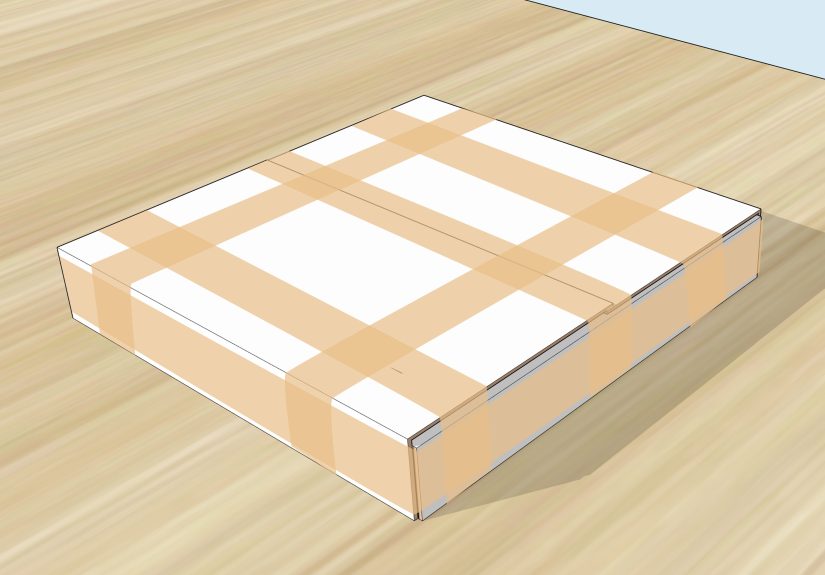
Seal the package with strong packing tape. Tape all main seams and flaps well. A flimsy strip of office tape is not a serious shipping strategy. Reinforcing the seams matters because record mailers often take hits at the edges and corners first.
Apply the shipping label on the flattest, clearest surface. Make sure the barcode is not taped over in a wrinkled way or placed across a fold. Add a return address. If you want to write “Fragile” on the package, that is fine, but do not depend on the words alone to save bad packaging. Labels are helpful. Good structure is what actually does the work.
One Smart Habit
Put a small packing slip or order note inside the package for store shipments. It helps with identification if the outer label is damaged and looks more professional. Just keep Media Mail rules in mind and do not throw unrelated promotional extras into a package if you are using a service meant for qualifying media only.
Step 6: Choose the Right Shipping Service for the Record’s Value
Once the album is packed correctly, choose the shipping service based on value, speed, and risk tolerance. This is where many sellers either overspend or get a little too brave.
USPS Media Mail
For standard domestic shipments of vinyl records, Media Mail is often the cheapest option. It is popular because records qualify as sound recordings, and the cost is usually lower than faster services. That said, Media Mail is slower, domestic-only, and subject to inspection. It is excellent for many routine shipments, but it is not magic.
USPS Priority Mail
If the record is more valuable, time-sensitive, or shipping during hot weather when a shorter transit window helps, Priority Mail is often the better play. It moves faster and gives buyers more confidence, especially when you are shipping something rare, pricey, or gift-related.
UPS or FedEx
For heavier multi-record packages, high-value orders, or faster time-definite delivery, UPS and FedEx can make more sense. Once the package weight climbs, their rates can be competitive, and their services may be better suited to larger stacks or premium shipments.
Insurance and Signature Confirmation
If you would be upset enough to talk about the record for three days after it goes missing, insure it. For expensive records, add insurance and consider signature confirmation. That extra step can save a lot of stress when shipping collectible or out-of-print items.
Common Mistakes to Avoid
- Shipping the record inside the jacket when it is unsealed
- Using a thin recycled box with no rigid support
- Skipping stiffeners because “it should be fine”
- Leaving empty space inside the package
- Taping directly to sleeves or jackets
- Using only a padded envelope for a valuable LP
- Ignoring weather, especially extreme heat
- Choosing the cheapest service for a record that clearly needs insurance
How to Ship Multiple Vinyl Records Safely
When shipping several records together, the principles stay the same but the pressure risks increase. Separate delicate jackets if needed, use thicker stiffeners, and choose a box that is strong enough for the total weight. Heavy stacks can crush the records at the bottom if the box flexes or the contents settle.
For a set of three to six LPs, a quality multi-depth record mailer may be enough. For larger bundles, use a true corrugated box with side protection and generous void fill. Keep the stack flat, centered, and unable to move. Also, be realistic about shipping speed. A heavy box of records traveling a long distance in summer deserves more care than a single inexpensive LP headed across town.
Experience and Practical Lessons From Packing Vinyl Records
Anyone who ships records long enough develops opinions, rituals, and a healthy distrust of underbuilt packaging. One of the first lessons most sellers learn is that buyer complaints are usually not caused by one huge mistake. They are caused by a pile of small lazy decisions. The record stayed in the jacket. The mailer was a little too big. The corners were not reinforced. The tape was skimpy. The box looked “good enough.” Then the package hit a sorting center, spent a day under heavier parcels, and suddenly your “good enough” turned into a partial refund.
A very common real-world scenario involves a nice used LP that looks fantastic when packed. The seller leaves the record inside the cover because it feels tidier that way. The album arrives with a three-inch seam split across the top, even though the outer box looks fine. That kind of damage is frustrating because it feels mysterious until you understand the mechanics. The disc shifted inside the jacket during transit, and the jacket lost the fight. Once you see that happen a few times, you stop making that mistake forever.
Another useful lesson is that premium-looking packaging is not always protective packaging. A box can be clean, branded, and beautifully labeled yet still fail because the inside is loose. Records do not care whether your tape matches the aesthetic of your shop. They care whether they can move. Some of the best shipments are honestly pretty plain from the outside, but inside they are locked down with stiffeners, snug fit, and zero wasted space.
Experienced record sellers also learn to adjust their method depending on the order. A sealed $20 reissue does not need the same treatment as a rare jazz original, a numbered box set, or a first pressing with a fragile spine. The more valuable the record, the more you should think in layers: fresh sleeve, outer sleeve, stiffeners, corner support, strong mailer, insurance, and maybe faster service. That may feel like overkill until the one time it prevents a disaster. Suddenly it feels like wisdom.
There is also the issue of weather, which new shippers often underestimate. Heat is not a theoretical problem for vinyl. If a package sits too long in a hot truck, mailbox area, or warehouse, trouble can start. That does not mean you can never ship in summer, but it does mean speed matters more, and tight, rigid packing becomes even more important. Many seasoned sellers will gladly pay a bit more for faster shipping on valuable records during hot months because it reduces exposure and gives everyone less time to worry.
Finally, one of the best habits is simple consistency. Use the same reliable materials. Follow the same packing checklist. Photograph expensive orders. Do not improvise unless you absolutely have to. Consistency is what turns packing from a stressful chore into a repeatable process. And once you reach that point, shipping vinyl stops feeling risky and starts feeling like what it should be: careful, professional, and just slightly obsessive in the most charming possible way.
Conclusion
If you want to know how to pack vinyl records for shipping the right way, the formula is simple: inspect the item, remove unsealed records from the jacket, sleeve everything properly, add stiffeners, use a rigid mailer, eliminate movement, and choose a shipping service that matches the record’s value. That is the difference between a package that arrives collector-ready and one that arrives with an apology attached.
In short, vinyl shipping is not about luck. It is about structure. Pack like the album matters, because to the person waiting for it, it absolutely does.