Table of Contents >> Show >> Hide
- Step 1: Decide What Kind of Easter Egg Hunt You Are Hosting
- Step 2: Prep the Eggs, Fillers, Prizes, and Rules Ahead of Time
- Step 3: Hide the Eggs Strategically and Build in Safety
- Step 4: Run the Hunt Like a Pro and Keep the Fun Going
- Extra Tips to Make Your Easter Egg Hunt Even Better
- Experience-Based Lessons That Make Easter Egg Hunts Easier Every Year
- Conclusion
Easter egg hunts look effortless from a distance. Someone hides eggs, kids run around, jelly beans happen, and everybody goes home with a sugar-powered grin. In real life, though, a good hunt takes just enough planning to prevent total backyard chaos. The best ones feel magical, not messy. They move quickly, fit the age group, avoid obvious safety issues, and leave parents saying, “Wow, that was actually fun,” instead of, “Why is there chocolate in the flower bed?”
If you want to host an Easter egg hunt that feels organized, festive, and easy to pull off, the trick is to keep it simple. You do not need event-planner credentials, a custom balloon arch, or a bunny with a clipboard. You just need a smart plan. This guide breaks the process into four easy steps so you can create an Easter egg hunt that works for toddlers, big kids, teens, mixed-age families, classrooms, church groups, or the kind of neighborhood gathering where someone always brings a folding chair and unsolicited opinions about lawn care.
Along the way, you will also find practical Easter egg hunt ideas, indoor and outdoor options, prize suggestions, age-based hiding tips, and a few sanity-saving lessons that make the day run more smoothly. Ready? Let’s hop to it.
Step 1: Decide What Kind of Easter Egg Hunt You Are Hosting
Before you buy a single plastic egg, answer one question: what kind of hunt fits your group? This is the foundation of good Easter party planning. A hunt for three-year-olds is not the same as one for ten-year-olds, and a mixed-age family event needs a different setup than a school playground challenge.
Choose your format first
Most hosts do best with one of these formats:
- Classic free-for-all hunt: Fast, easy, and ideal for younger children or casual family gatherings.
- Age-zoned hunt: Separate areas for toddlers, elementary-age kids, and older children so nobody gets steamrolled by a six-year-old with competitive energy.
- Scavenger-style hunt: Great for older kids, tweens, and families who enjoy clues, riddles, or themed tasks.
- Golden egg hunt: A traditional hunt with one special egg that wins a bonus prize.
- Indoor Easter egg hunt: Perfect for apartments, rainy days, or anyone who does not trust spring weather to act civilized.
Match the difficulty to the age group
For toddlers and preschoolers, visible hiding spots are your best friend. Think low branches, grassy corners, porch steps, or even eggs hanging from ribbons. Kids this age want the thrill of discovery, not a detective assignment. For older children, you can make things trickier with clue trails, color-coded eggs, challenge cards, or harder hiding spots behind planters, under leaves, or near outdoor furniture.
If your group includes a wide age range, resist the urge to make every child play the exact same game. That is how you end up with a toddler holding one sad egg while an eleven-year-old has enough loot to open a seasonal franchise. Use age zones, staggered start times, or different colored eggs assigned by age.
Set the tone of the event
Do you want a sweet family tradition, a high-energy neighborhood event, or a slightly more curated “we printed cute signs and now we are basically a lifestyle brand” kind of afternoon? There is no wrong answer. But deciding early helps you choose the right number of eggs, the right prizes, and the right rules.
A simple formula works well: keep the hunt short, the rules clear, and the expectations cheerful. Kids remember the fun, not the production budget.
Step 2: Prep the Eggs, Fillers, Prizes, and Rules Ahead of Time
This is the step that saves your future self. The more you prep before Easter morning, the less likely you are to fill eggs in a panic while someone asks where the tape is, where the basket is, and whether jelly beans count as breakfast. They do not. Usually.
Figure out how many eggs you need
A good rule is to give each child a realistic chance to find enough eggs without turning the hunt into a survival contest. For a small family event, around 10 to 15 eggs per child often feels generous without becoming absurd. For a larger group, you can reduce the per-child number and make up the excitement with special eggs, prize tickets, or activity-based eggs.
Choose fillers that fit your guests
Candy is classic, but it is not your only option. In fact, the smartest Easter egg hunt ideas mix sweet treats with non-candy fillers so every egg feels a little different. Try:
- Stickers
- Tiny erasers
- Coins
- Temporary tattoos
- Bouncy balls
- Mini jokes or riddles
- Puzzle pieces
- Coupons for extra dessert, movie night, or choosing the next family game
- Conversation starters for older kids and adults
If any guests have food allergies, label prize stations clearly and consider using allergy-friendly fillers or candy-free eggs. This small detail makes the event more inclusive and keeps parents from having to inspect every egg like customs agents at an airport.
Create one or two special prize moments
You do not need huge prizes. Often, one golden egg and one “most eggs found” prize are plenty. Keep the prizes fun and affordable: sidewalk chalk, mini craft kits, a spring-themed book, seed packets, bunny socks, or a coupon for picking the next family movie.
For mixed-age groups, try silly award categories instead of one winner-takes-all setup. “Best Egg Spotter,” “Fastest Basket,” “Most Colorful Collection,” or “Good Sport Award” help more kids leave smiling.
Write the rules before the hunt starts
Clear rules are the difference between a cute memory and a miniature legal dispute on the lawn. Keep the instructions short and say them before baskets touch the ground:
- Stay in your zone.
- Only collect your assigned color if colors are used.
- Do not grab eggs from someone else’s basket.
- Wait for the start signal.
- Stop when your basket reaches the set limit, if you are using one.
If you are hosting a scavenger-style Easter egg hunt for older kids, print the clues in advance and test the sequence once. Nothing kills momentum like clue number four sending everyone to the linen closet when the final prize is under the patio chair.
Step 3: Hide the Eggs Strategically and Build in Safety
This is where your Easter egg hunt becomes either delightfully clever or accidentally impossible. Hiding eggs well is not about making them impossible to find. It is about making the search satisfying.
Use hiding spots that match the players
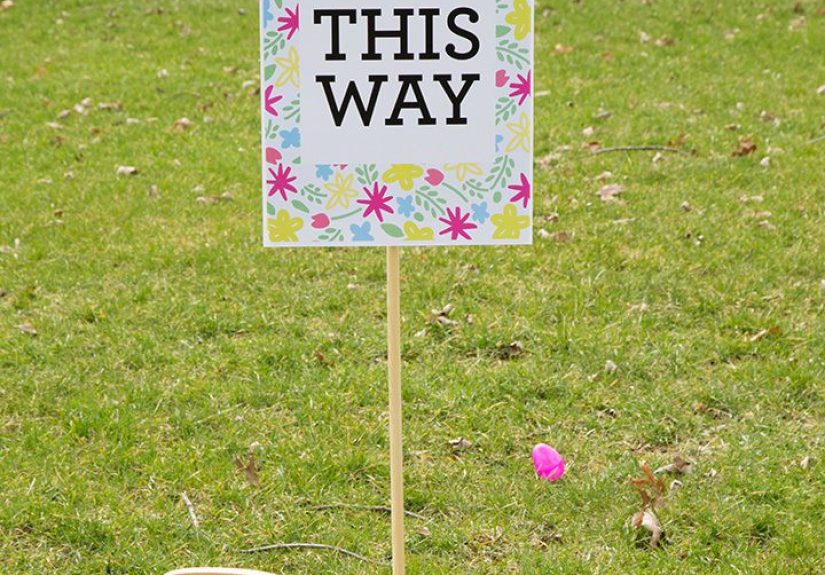
For younger kids, keep eggs visible from child height. Tuck them beside flowerpots, along fence lines, near porch steps, in plain grass patches, or hanging from low branches. Bright eggs help here. If you want to make things even easier, use balloons, signs, or trail markers to guide them to the right area.
For school-age children, hide eggs behind patio cushions, near trees, under leaves, around mailboxes, or in easy-but-not-obvious corners of the yard. Older kids love the feeling of “I spotted it before anyone else,” so give them a few trickier wins. For tweens and teens, clue hunts, challenge eggs, photo hints, or puzzle-based eggs add enough complexity to keep the event from feeling babyish.
Count every egg before you hide it
This sounds boring because it is boring. It is also essential. Keep a master count and, if possible, a quick note about special eggs. That way, when one egg vanishes into shrubbery and turns into a mysterious summer decoration, you know exactly what is missing.
Choose safety over cleverness
Avoid hiding eggs in places that require climbing, running near roads, reaching into thorny bushes, or searching around tools, grills, pool edges, or anything breakable. Cute photos are nice. Stitches are not part of the theme.
Spring weather deserves respect too. If the forecast looks shaky, create a backup indoor Easter egg hunt plan in advance. Indoors, eggs can be hidden in coat pockets, behind books, inside tissue boxes, near shoes by the door, or beside couch pillows. An indoor plan is not a downgrade. For many families, it is actually easier, calmer, and far less muddy.
Handle real eggs carefully
If you are decorating hard-boiled eggs, use them for display or supervised eating, not long outdoor hunts. Plastic eggs are the safer choice for a search game. If you do serve cooked eggs or egg dishes at your gathering, keep them refrigerated until needed and do not let them sit out too long. In other words, let the kids hunt plastic eggs and let the deviled eggs remain dignified indoors where they belong.
Think through flow and fairness
Try walking the space the way a child would. Are all the best eggs clumped in one corner? Is there one obvious hot spot where everyone will collide? Spread the eggs evenly and keep premium eggs from being too easy or too isolated. A balanced layout feels fair without anyone noticing why.
Step 4: Run the Hunt Like a Pro and Keep the Fun Going
Once the hiding is done, your job shifts from planner to cheerful ringmaster. The goal is not perfection. It is momentum. Start cleanly, keep the mood light, and have one easy activity ready for what happens after the eggs are found.
Kick things off with energy
Gather everyone, explain the rules one last time, point out the boundaries, and count down dramatically. Yes, even if the kids are already vibrating with excitement. Especially then. A clear beginning makes the event feel official and helps avoid false starts.
Keep the hunt short and lively
Most hunts are over faster than adults expect, and that is fine. In fact, shorter is often better. You want kids to finish excited, not exhausted or negotiating over one final egg behind a hedge like tiny corporate litigators.
Have a post-hunt plan
Once baskets are full, the fun does not have to end. Try one of these easy transitions:
- Open eggs together and trade gently supervised duplicates
- Hand out small prizes or silly certificates
- Do a bunny hop race or egg-and-spoon relay
- Set up an Easter craft table with stickers, coloring sheets, or paper bunnies
- Turn clue eggs into family conversation starters at lunch
This extra ten or fifteen minutes gives the event shape. Instead of “everyone ran around and vanished,” the day feels more complete and memorable.
Take pictures early
If you want photos, grab them before the hunt starts or right after it ends. Mid-hunt photography is mostly a collection of blurred sneakers and one child yelling, “I found one!” from somewhere behind a bush.
Make your clean-up easy
Use a checklist for baskets, unclaimed eggs, wrappers, clues, and prize leftovers. A little organization now makes next year much easier. And yes, there will probably be at least one egg you discover in June. Consider it a seasonal callback.
Extra Tips to Make Your Easter Egg Hunt Even Better
- Color-code by age: Toddlers find pastel eggs, older kids find neon, teens get clue eggs.
- Use signs: A few simple markers make the event feel polished and help younger children stay oriented.
- Add themes: Try a storybook hunt, rainbow hunt, scavenger hunt, or golden egg challenge.
- Include adults: Grown-ups enjoy hidden gift cards, coffee coupons, trivia eggs, or silly dares far more than they admit.
- Plan for inclusivity: Make sure children with mobility differences, allergies, or sensory needs have a version of the hunt that feels equally fun.
The best Easter egg hunt is not the fanciest one online. It is the one that fits your space, your guests, and your energy level. A few thoughtful choices make the whole event feel smoother, kinder, and more fun for everyone involved.
Experience-Based Lessons That Make Easter Egg Hunts Easier Every Year
People who host Easter egg hunts regularly tend to learn the same lessons, often in the most entertaining ways. First, children move faster than adults expect. A hunt that seems like it will last twenty minutes may be over in three. That is why experienced hosts prepare the eggs carefully but also plan what comes next. The families who seem the calmest are usually the ones with a simple second activity ready, like a snack table, a craft station, or a quick game. Without that next step, the event can peak too early and leave everybody standing around in bunny ears, blinking.
Another common lesson is that fairness matters more than difficulty. Kids do not need every egg to be hard to find. They need the hunt to feel possible. If a younger child cannot find anything while older kids sweep the yard like highly trained retail shoppers on Black Friday, the event stops being magical. Hosts with experience usually separate age groups, assign color-coded eggs, or quietly point little ones toward easier finds. Nobody remembers that as cheating. They remember it as fun.
Hosts also discover that too much candy is not actually what makes the event memorable. Children love novelty. A sticker, a joke, a gold coin, a tiny toy, or a goofy coupon can create just as much excitement as chocolate. Some of the best feedback from families comes after hunts with mixed fillers, because opening the eggs becomes part of the fun. Kids start comparing what they found, swapping small items, and laughing over silly messages tucked inside. That extra layer turns a short activity into a fuller experience.
Weather is another teacher. Many Easter events are planned with a cheerful mental image of sunshine and green grass. Spring does not always cooperate. Experienced planners either keep an indoor backup ready or design the hunt so it can move inside fast without a full emotional collapse. Hallways, bookshelves, couch cushions, entry benches, and coat hooks can create a surprisingly great indoor Easter egg hunt. In fact, many parents find indoor hunts less stressful because the boundaries are obvious and the eggs are easier to track.
There is also the famous “missing egg problem.” Nearly every repeat host has a story about a forgotten plastic egg discovered weeks later under a shrub, behind a curtain, or in a rain boot nobody wore for a month. The solution is gloriously simple: count the eggs before hiding them and do a quick sweep afterward. This tiny habit saves a lot of confusion, especially when the missing egg contains candy that becomes less festive the longer it marinates in the sun.
Finally, experienced hosts know that tone matters as much as planning. The most successful Easter egg hunts are not always the most elaborate. They are the ones where adults sound relaxed, the rules are easy to understand, and children feel encouraged instead of over-managed. A little humor helps. A little flexibility helps more. If one child needs an extra hint, if a prize has to be shared, or if the dog finds an egg before the kids do, none of that ruins the event. It usually becomes the story everyone laughs about later. That is the real secret: a great Easter egg hunt is not about perfect execution. It is about creating a happy little piece of family life that feels festive, doable, and worth repeating next year.
Conclusion
Organizing an Easter egg hunt does not have to be complicated. When you break it into four easy steps, the whole event becomes manageable: choose the right format, prep the eggs and prizes ahead of time, hide everything strategically, and run the hunt with clear rules and a little festive energy. That formula works whether you are hosting a tiny family gathering in your living room or a full backyard event with enough children to qualify as a temporary nature documentary.
The magic is in the details that feel simple to guests and intentional to the host. Age-appropriate hiding spots, allergy-aware fillers, indoor backup plans, easy prize ideas, and a short post-hunt activity all make the experience feel smoother. Most of all, remember that kids are not grading your event design. They just want the thrill of the search, the joy of finding something colorful, and the feeling that this day was made for them.
So fill the eggs, cue the countdown, and enjoy the moment. Even if one egg turns up in the hydrangeas in June, you still did it right.