Table of Contents >> Show >> Hide
- Cholesterol 101: What Those Numbers Really Mean
- 1. Build a Cholesterol-Lowering Plate
- 2. Move More to Improve Your Numbers
- 3. Maintain a Healthy Weight (Without Obsessing Over the Scale)
- 4. Quit Smoking and Go Easy on Alcohol
- 5. Sleep and Stress: The Underrated Cholesterol Helpers
- 6. Foods and Supplements That May Give You an Extra Edge
- 7. When Lifestyle Changes Aren’t Enough
- Putting It All Together: A Typical “Cholesterol-Friendly” Day
- Conclusion: Small Changes, Big Impact
- Real-Life Experiences With Naturally Lowering Cholesterol
If your doctor just told you your cholesterol is “a little high,” it can feel like you’ve been given a pop quiz you didn’t study for. The good news: You’re not stuck with those numbers. In many cases, you can naturally lower your cholesterol with smart changes to how you eat, move, sleep, and manage stresssometimes enough to avoid or delay medication. (And yes, you can still have the occasional slice of pizza.)
In this guide, we’ll break down what cholesterol actually is, which numbers matter, and the most effective lifestyle strategiesbacked by major organizations like the American Heart Association, CDC, Mayo Clinic, Harvard Health, and othersto help you bring your levels into a healthier range.
Cholesterol 101: What Those Numbers Really Mean
Cholesterol is a waxy, fat-like substance your body uses to build cells and hormones. You need some cholesterol to live. The problem starts when you have too much of the wrong kind circulating in your blood, which can build up in artery walls and raise your risk for heart attack and stroke.
LDL, HDL, and triglycerides
- LDL (low-density lipoprotein): Often called “bad” cholesterol. High LDL levels are linked with plaque buildup in arteries.
- HDL (high-density lipoprotein): The “good” cholesterol. HDL helps carry extra cholesterol back to the liver so it can be removed.
- Triglycerides: A type of fat in the blood. High levels, especially along with high LDL and low HDL, increase heart risk.
Your provider usually looks at the combination of LDL, HDL, triglycerides, and total cholesterolplus your age, blood pressure, smoking status, and other factorsto decide how aggressive your treatment plan should be.
Medications like statins save lives and are absolutely necessary for many people. But lifestyle changes are always part of the planand for some people with mild to moderate elevations, they may be the first step.
1. Build a Cholesterol-Lowering Plate
What you eat has a powerful effect on your cholesterol, especially LDL. Many people can significantly improve their numbers with diet changes alone. Harvard Health notes that a largely plant-based “portfolio” of cholesterol-lowering foodslike nuts, soy, viscous fiber, and plant sterolscan meaningfully reduce LDL and blood pressure.
Focus on soluble fiber
Soluble fiber acts like a sponge in your gut. It binds cholesterol and bile acids and helps carry them out of your body instead of letting them be reabsorbed into the bloodstream. Mayo Clinic reports that just 5–10 grams of soluble fiber per day can lower LDL cholesterol.
Great sources of soluble fiber include:
- Oats and oat bran
- Barley and other whole grains
- Beans and lentils (kidney beans, black beans, chickpeas, etc.)
- Apples, pears, citrus fruits, and bananas
- Brussels sprouts, carrots, and sweet potatoes
- Ground flaxseed and psyllium
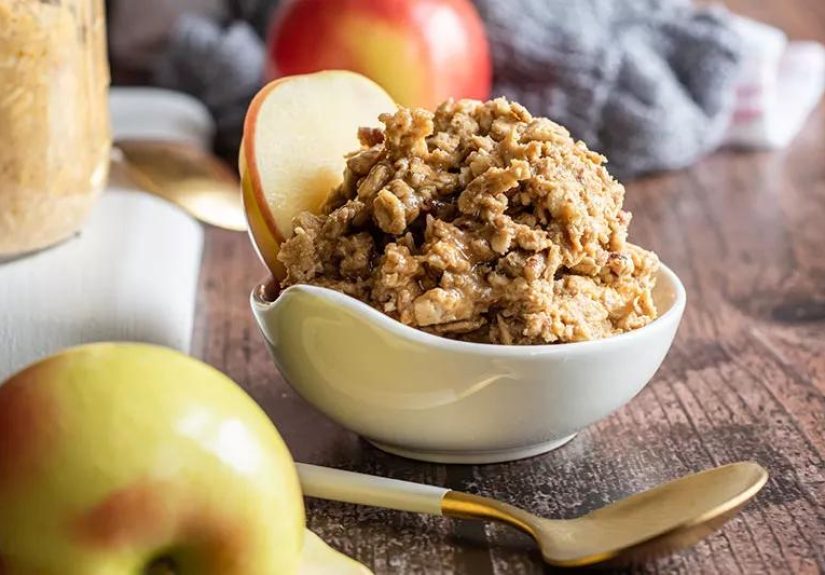
Simple swaps: Start your day with oatmeal instead of sugary cereal, add beans to soups and salads, and snack on fruit instead of chips.
Upgrade your fats
The type of fat you eat matters more than the amount. Saturated and trans fats tend to raise LDL; unsaturated fats help lower it.
Experts at Harvard and Mayo Clinic recommend:
- Cut back on saturated fat: Found in fatty red meats, full-fat dairy, butter, coconut oil, and many baked goods.
- Avoid trans fats: These used to be common in margarines and processed snacks; most have been removed in the U.S., but check labels for “partially hydrogenated oils.”
- Choose unsaturated fats: Use olive, canola, or avocado oil; eat nuts (almonds, walnuts, pistachios), seeds, and avocados.
- Add omega-3 fats: Fatty fish like salmon, mackerel, trout, and sardines help lower triglycerides and support heart health.
Lean into a Mediterranean or plant-forward style
The American Heart Association and Harvard Health both highlight Mediterranean-style and largely plant-based eating patterns as particularly effective for lowering cholesterol. These approaches emphasize:
- Plenty of vegetables and fruits at most meals
- Whole grains instead of refined white bread, rice, and pasta
- Beans, lentils, and soy foods for protein
- Fish and seafood several times per week
- Small amounts of lean poultry; limited red and processed meats
- Olive oil and nuts as primary fat sources
Think: grilled salmon with roasted vegetables and quinoa, or a big bean-and-veggie bowl with olive oil and herbs instead of a double cheeseburger and fries.
2. Move More to Improve Your Numbers
Exercise does more than tone your legsit can raise your HDL (“good”) cholesterol and lower LDL and triglycerides, especially when combined with a heart-healthy diet.
The CDC and American Heart Association recommend at least 150 minutes of moderate-intensity aerobic activity (like brisk walking) or 75 minutes of vigorous activity (like jogging or fast cycling) per week, plus muscle-strengthening activities on two or more days.
That sounds like a lot, but you can break it up:
- 30 minutes of brisk walking, 5 days a week
- Three 10-minute walks spread throughout your day
- Cycling, dancing, swimming, or vigorous yard workanything that gets your heart rate up
Research shows that higher-intensity aerobic exercise can be especially effective in improving the lipid profile, including lowering LDL and triglycerides. Always talk with your provider before starting a brand-new vigorous routine, especially if you have heart disease or other chronic conditions.
3. Maintain a Healthy Weight (Without Obsessing Over the Scale)
Excess body weightparticularly around the midsectionis linked with higher LDL, higher triglycerides, and lower HDL. Even modest weight loss can lead to measurable improvements in cholesterol levels.
Many people see benefits with just a 5–10% reduction in body weight. For example, if you weigh 200 pounds, losing 10–20 pounds can help improve your numbers and reduce your overall cardiovascular risk.
Instead of crash diets, focus on sustainable habits:
- Use smaller plates and serve slightly smaller portions.
- Fill half your plate with non-starchy vegetables at lunch and dinner.
- Limit sugary drinks (including fruit juice) and stick with water, sparkling water, or unsweetened tea.
- Plan snacks like nuts, fruit, or yogurt instead of vending machine runs.
4. Quit Smoking and Go Easy on Alcohol
Why quitting smoking is a big cholesterol win
Smoking lowers HDL cholesterol and damages blood vessel walls, making it easier for plaque to form. When you stop smoking, your HDL starts improving fairly quickly, and your heart disease risk declines over time.
If quitting were easy, everyone would already be done. Don’t be afraid to ask your healthcare provider about counseling, nicotine replacement, or medications that can improve your chances of success.
Alcohol: “A little” is not a prescription
Heavy drinking can raise triglycerides and blood pressure and contribute to weight gain. For those who drink, guidelines generally suggest up to one drink per day for women and up to two for menbut no one is advised to start drinking for heart health. If you don’t drink, you’re not missing a medical treatment; you’re just saving money and calories.
5. Sleep and Stress: The Underrated Cholesterol Helpers
Poor sleep and chronic stress don’t just make you grumpy; they’re linked with higher LDL, higher triglycerides, and more difficulty managing weight and blood pressure.
Sleep smarter
- Aim for 7–9 hours of sleep per night.
- Keep a consistent bedtime and wake time, even on weekends (yes, even then).
- Limit screens, caffeine, and big meals in the hours before bed.
Manage stress (without needing a week-long spa retreat)
- Try 5–10 minutes of deep breathing, meditation, or prayer daily.
- Take short movement breaks during the daywalk, stretch, or do a few gentle yoga poses.
- Stay connected with supportive friends and family.
- If stress, anxiety, or depression feels overwhelming, talk with a mental health professional.
6. Foods and Supplements That May Give You an Extra Edge
Diet and exercise are the main pillars of naturally lowering cholesterol. Some specific foods and supplements may provide additional benefits when used wisely.
Plant sterols and stanols
Plant sterols and stanols are natural compounds found in plants that compete with cholesterol for absorption in your digestive tract. Getting about 2 grams per day from fortified foods or supplements can lower LDL by roughly 8–10% in some studies.
They’re found in:
- Certain fortified margarines and spreads
- Some fortified orange juices and yogurts
- Dietary supplements (capsules or chewables)
Talk with your provider before adding supplements, especially if you already take cholesterol-lowering medications.
Other supplements under study
Verywell Health and Mayo Clinic note that some supplements may help improve cholesterol profiles for certain people, including soluble fiber (psyllium), omega-3 fatty acids, soy protein, and others. However, supplements can interact with medications and are not regulated as strictly as prescription drugs.
Always discuss new supplements with your healthcare professional, particularly:
- If you’re on statins or other heart medications
- If you have liver or kidney disease
- If you are pregnant, breastfeeding, or planning pregnancy
7. When Lifestyle Changes Aren’t Enough
Sometimes you can be doing everything “right” and your numbers still stay stubbornly high. Genetics, conditions like diabetes or chronic kidney disease, and other risk factors can make lifestyle changes only part of the solution.
The American Heart Association emphasizes that many people with significantly elevated LDL, a history of heart disease, or very high risk will still need medication, even with a great lifestyle. That doesn’t mean you failedmedication plus healthy habits is often the most powerful combination.
Talk with your provider if:
- Your LDL or non-HDL cholesterol stays high after several months of lifestyle changes.
- You have a strong family history of early heart disease.
- You have diabetes, high blood pressure, or kidney disease.
- You’ve already had a heart attack, stroke, or stent.
Your clinician can help you decide whether medications, additional tests, or more targeted diet and exercise strategies make sense for you.
Putting It All Together: A Typical “Cholesterol-Friendly” Day
Here’s what a realistic, heart-healthy day might look like:
- Breakfast: A bowl of oatmeal made with oats and topped with berries, walnuts, and a drizzle of honey; a cup of coffee or tea.
- Mid-morning: An apple and a small handful of almonds.
- Lunch: A big salad with mixed greens, chickpeas or black beans, colorful veggies, a sprinkle of feta, and olive oil–based dressing; a slice of whole-grain bread.
- Afternoon: 20–30 minutes of brisk walking or cycling.
- Dinner: Grilled salmon (or baked tofu), quinoa or brown rice, and roasted Brussels sprouts and carrots tossed in olive oil.
- Evening: Wind-down routine without screens, a few minutes of deep breathing, and aiming for 7–9 hours of sleep.
No fad diets. No magical powders. Just consistent, evidence-based habits that your arteries (and future self) will appreciate.
Conclusion: Small Changes, Big Impact
Lowering your cholesterol naturally isn’t about perfection; it’s about shifting your daily routine in a heart-friendlier direction. By focusing on fiber-rich foods, healthier fats, regular movement, a healthy weight, no smoking, and solid sleep and stress management, you give your body the tools it needs to move those numbers in the right direction.
Remember, always work with your healthcare provider to interpret your lab results and decide on the best mix of lifestyle changes and medications for your personal situation. But know this: every walk you take, every vegetable you add, and every cigarette you don’t smoke is a quiet victory for your heart.
Real-Life Experiences With Naturally Lowering Cholesterol
Advice is helpful, but seeing how real people put it into practice can make the whole “lower your cholesterol” project feel a lot more doable. Here are a few storiesbased on common experiences clinicians report hearing from patientsthat show what natural changes can look like in everyday life.
Maria’s “Oatmeal Experiment”
Maria, 52, had always been a “coffee and pastry” breakfast person. When her LDL crept into the borderline-high range, her doctor suggested she add more soluble fiber and cut back on saturated fat. Maria didn’t overhaul her entire life overnight. Instead, she made one simple change: weekday oatmeal.
She swapped her daily pastry for a bowl of oats cooked with low-fat milk, topped with sliced banana, a spoonful of ground flaxseed, and a handful of walnuts. On weekends, she still enjoyed her favorite bakery treat, but most days her breakfast quietly worked on her cholesterol.
After three months, along with a couple of weekly walks and smaller dinner portions, her repeat blood work showed her LDL down by a noticeable margin and her HDL slightly higher. She didn’t follow a strict “diet”; she just stacked small, consistent wins.
James Turns His Commute Into Cardio
James, 45, worked at a desk all day and often felt too tired to exercise in the evening. His triglycerides were high, and his doctor gently pointed out that his car and his office chair were seeing a lot more action than his running shoes.
Instead of signing up for an intense gym program he knew he wouldn’t keep, James started with one change: he parked about a 10–15 minute walk away from his office. On most days, that gave him about 25–30 minutes of brisk walking without “finding time” to exercise.
After that felt normal, he added a Saturday morning bike ride with a friend. He didn’t track every calorie or step, but over six months he lost about 10 pounds, his triglycerides dropped, and his HDL climbed. He still had work to do, but his numbersand his energywere moving in the right direction.
Lena’s Family Goes “Plant-Forward” (Not Perfectly Vegan)
Lena, 60, had a strong family history of heart disease. Her LDL was higher than her cardiologist liked, and she was already on a low-dose statin. She wanted to see if food changes could give her even more of a boost.
Instead of going fully vegetarian (which felt overwhelming), Lena and her partner adopted a “plant-forward” approach. They made a few house rules:
- Red meat no more than once every two weeks.
- Beans or lentils at least four dinners per week.
- Fish or seafood at least twice per week.
- Half the plate vegetables at dinnernonnegotiable.
They experimented with chili made from black beans and lentils, veggie stir-fries with tofu, and sheet-pan salmon with roasted vegetables. Snacks around the house shifted from chips and cookies to nuts, hummus with carrots, and fruit.
At her next follow-up, Lena’s LDL had dropped further, her triglycerides improved, and she felt more in control of her health. Her cardiologist kept her on the statin but celebrated the fact that her lifestyle changes were protecting her heart alongside the medication.
Raj Learns That Sleep Actually Counts
Raj, 39, didn’t smoke and wasn’t significantly overweight, yet his cholesterol numbers were edging up. He traveled for work, often ate late, and stayed up past midnight scrolling on his phone. He laughed when his doctor asked about sleepuntil they connected poor sleep with higher stress hormones, blood pressure, and cholesterol.
Raj challenged himself to a “sleep month.” He set a consistent bedtime, stopped checking email after 9 p.m., and kept his phone out of the bedroom, using an old-fashioned alarm clock instead. He also shifted his largest meal earlier in the day when possible and kept dinners lighter.
Within weeks, he noticed that he had more energy for morning walks and fewer late-night snack attacks. When he rechecked his lab work months laterafter also cutting down on fried takeout and adding more vegetableshis total cholesterol and LDL were lower, and his blood pressure had improved as well.
What These Stories Have in Common
None of these people followed a perfect, rigid plan. They didn’t all become athletes or go fully vegan. Instead, they found realistic adjustments that fit their lives:
- Adding soluble fiber (oats, beans, fruits, and veggies)
- Moving more in ways that felt doable (walking commutes, weekend rides)
- Shifting toward more plant-based meals and healthier fats
- Respecting the role of sleep and stress on overall health
Your own path to naturally lower cholesterol will look different, but the principles are the same. Start small, be consistent, and partner with your healthcare team. Over time, those small decisions become powerful protection for your heart.