Table of Contents >> Show >> Hide
- Why Fake Nails Fall Off Too Soon
- Start With the Right Fake Nails
- The Perfect Nail Prep Routine
- How to Apply Fake Nails So They Stay Put
- Aftercare: How to Keep Fake Nails on Longer
- Common Mistakes That Make Fake Nails Pop Off
- Safe Removal: The Secret to Better Next-Time Wear
- When to Stop Wearing Fake Nails
- Quick Checklist: How to Make Fake Nails Stay on Longer
- Personal Experience: What Actually Helps Fake Nails Last Longer
- Conclusion
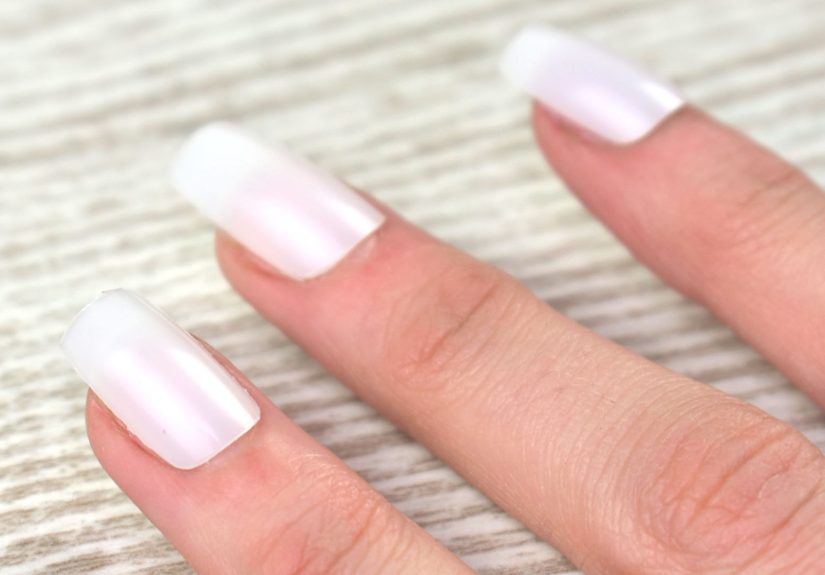
Fake nails are the little black dress of beauty: quick, glamorous, and capable of making you feel put together even when your laundry basket is judging you from across the room. But there is one tiny problem. Sometimes those beautiful press-on nails, acrylic tips, or glue-on falsies pop off faster than your motivation on a Monday morning.
The good news? You do not need salon-level magic to make fake nails stay on longer. You need clean nails, smart prep, the right adhesive, careful application, and a few daily habits that protect your manicure from water, oil, friction, and accidental nail crimes like opening soda cans with your fingertips.
This guide breaks down easy fake nail care tricks, press-on nail prep, glue techniques, aftercare, removal tips, and real-life experience so your manicure can look fresh for days instead of disappearing before dinner.
Why Fake Nails Fall Off Too Soon
Before fixing the problem, it helps to understand why fake nails lift, loosen, or pop off. Most short-lived fake manicures fail because the adhesive never gets a strong bond with the natural nail. That can happen when the nail plate has oil, lotion, dust, water, old polish, or leftover cuticle tissue on it.
Another common issue is poor fit. If a fake nail is too small, it may feel tight and spring upward. If it is too large, the edges can lift and catch on hair, towels, clothing, or your favorite fuzzy blanket. Air bubbles are another sneaky villain. When glue does not spread evenly, tiny gaps form between the natural nail and the fake nail. Water can enter those gaps, weaken the bond, and invite lifting.
Finally, lifestyle matters. Long fake nails look fabulous, but they also hit keyboards, scrape countertops, and bump into every object like they are auditioning for a slapstick comedy. Shorter, rounded, or almond-shaped fake nails usually last longer because they catch on fewer things.
Start With the Right Fake Nails
Choose the Best Length for Your Routine
If you want fake nails to stay on longer, be honest about your daily life. Do you type a lot? Wash dishes often? Lift weights? Chase toddlers? Open packages like a raccoon with Wi-Fi? Then extra-long coffin nails may not be your best long-wear option.
Short to medium press-on nails are usually easier to maintain. Rounded, oval, and almond shapes tend to resist snagging better than sharp square corners or very long stiletto tips. The less your fake nail catches on objects, the less pressure it puts on the glue bond.
Match Every Nail Before You Glue
One of the biggest tricks to make press-on nails last longer is sizing each nail properly before application. Lay out all ten nails in order before touching the glue. Each fake nail should cover your natural nail from sidewall to sidewall without pressing painfully into the skin.
If a nail is slightly too wide, file the sides until it fits. If it is too small, choose a larger size and shape it down. Never force a curved press-on onto a flatter nail bed. That pressure can cause the fake nail to pop off early, even if your glue is strong enough to hold together a small bookshelf.
The Perfect Nail Prep Routine
Step 1: Wash and Dry Your Hands
Start with clean hands. Wash with soap and water to remove surface dirt, sweat, and product residue. Then dry thoroughly. Moisture is not your friend during fake nail application. Even a small amount of water trapped under a fake nail can weaken adhesive and increase the chance of lifting.
Step 2: Push Back Cuticles Gently
Use a wooden cuticle stick or gentle cuticle pusher to move excess skin away from the nail plate. This helps the fake nail sit flush near the cuticle area. Do not aggressively cut your cuticles. Cuticles help protect the skin and nail area from infection, and small cuts can make irritation more likely.
Step 3: Lightly Buff the Nail Surface
Lightly buff the surface of each natural nail to remove shine. The goal is not to sand your nails into sadness. You only need a slightly matte texture so the glue can grip better. Over-buffing can thin and weaken the nail plate, so use a soft buffer and a gentle hand.
Step 4: Remove Dust and Oil
After buffing, wipe each nail with an alcohol pad or nail dehydrator. This removes dust, natural oils, and leftover residue. Let the nails dry completely before applying glue. Avoid lotion, cuticle oil, hand cream, or sunscreen right before application because oils can interfere with adhesion.
How to Apply Fake Nails So They Stay Put
Use Nail Glue for Longer Wear
Adhesive tabs are convenient for short events, photos, or one-night wear. Nail glue is usually better when you want fake nails to stay on longer. Choose a quality nail glue designed for artificial nails, and read the label carefully, especially if you have sensitive skin or a history of allergic reactions.
Apply Glue to Both Surfaces
For a stronger bond, apply a thin, even layer of glue to your natural nail and a small amount inside the fake nail. This “double glue” method helps both surfaces grab each other. Do not flood the nail with glue. Too much glue can spill onto the skin, create bubbles, or make removal harder later.
Place the Nail at an Angle
Line up the fake nail just above the cuticle area, then press it down from the cuticle toward the tip. Applying at a slight angle helps push out air bubbles and spread glue evenly. Once positioned, press firmly for 20 to 30 seconds. Hold steady. This is not the moment to answer a text, scratch your nose, or rethink your life choices.
Apply Thumbs Last
Thumbs do the heavy lifting in daily life, so many people prefer applying them last. This keeps your thumbs free while you handle glue, press nails into place, and clean up any tiny mistakes. It also helps prevent smudging, shifting, or accidentally gluing your thumb to something dramatic.
Aftercare: How to Keep Fake Nails on Longer
Avoid Water Right After Application
Give the glue time to fully bond. Avoid washing dishes, swimming, showering, or soaking your hands immediately after applying fake nails. At minimum, keep your nails dry for the first 20 to 60 minutes. For best results, apply fake nails at night after your shower and chores are done.
Wear Gloves for Wet Chores
Water is one of the biggest reasons fake nails lift early. Wear rubber gloves when washing dishes, cleaning bathrooms, scrubbing countertops, or handling household chemicals. This protects the adhesive and helps prevent dryness around the skin and cuticles.
Use Cuticle Oil Carefully
Cuticle oil is great for keeping the skin around your nails flexible and healthy. However, avoid flooding oil under the fake nail. Apply a small amount around the cuticle area, not underneath the press-on. Too much oil near the adhesive line can encourage lifting.
Do Not Use Nails as Tools
Your fake nails are accessories, not tiny screwdrivers. Avoid using them to open cans, peel stickers, scrape labels, pull key rings, or pry anything apart. Use the pads of your fingers or an actual tool. Your manicure will last longer, and your nails will silently thank you.
File Snags Immediately
If a nail edge becomes rough, file it smooth right away. A tiny snag can catch on fabric and pull the nail upward. Keeping edges smooth reduces accidental lifting and makes the manicure look cleaner.
Common Mistakes That Make Fake Nails Pop Off
Skipping Nail Prep
Applying fake nails over oily, shiny, or damp nails is like trying to tape a poster to a greasy wall. It may stick for a moment, but do not get emotionally attached. Proper prep is the foundation of a long-lasting fake manicure.
Using Too Much Glue
More glue does not always mean more hold. Excess glue can create uneven pressure, skin irritation, and messy edges. A controlled layer works better than a glue puddle.
Picking at Lifted Nails
If one nail starts lifting, resist the urge to rip it off. Pulling can damage the top layer of your natural nail. Instead, soak and remove it gently, or add a tiny amount of glue only if the nail is still clean, dry, and secure enough to reattach safely.
Wearing Fake Nails Too Long
Even if your fake nails still look good, avoid wearing them indefinitely. Adhesives break down over time, and moisture can get trapped beneath loose edges. For many press-on sets, one to two weeks is a reasonable wear window, depending on the product, your nail health, and your daily routine.
Safe Removal: The Secret to Better Next-Time Wear
Making fake nails last longer is not only about application. Removal matters too. If you rip fake nails off, your natural nails may become thin, rough, brittle, or sore. Damaged nails do not hold the next set as well, which starts a frustrating cycle of short wear and more damage.
To remove press-on nails, soak them in warm, soapy water with a little oil. Give the adhesive time to loosen. Gently lift from the sides with a wooden stick, but never force it. If the nail does not move, soak longer. For stronger glue, you may need acetone, but use it carefully because acetone can dry the nails and surrounding skin.
After removal, wash your hands and moisturize. Apply petroleum jelly, cuticle oil, or a rich hand cream to help rehydrate the nail area. Give your natural nails a break between sets if they look weak, peeling, painful, discolored, or unusually thin.
When to Stop Wearing Fake Nails
Fake nails should feel comfortable. Remove them and give your nails a break if you notice pain, redness, swelling, itching, green, yellow, brown, or crumbly nail changes, or separation between the nail and nail bed. These signs may point to irritation, allergic reaction, infection, or nail trauma.
If symptoms do not improve, see a dermatologist or health professional. Covering a nail problem with another fake nail may hide the issue, but it can also make things worse. Think of it like putting a rug over a leaking pipe. Stylish? Maybe. Wise? Absolutely not.
Quick Checklist: How to Make Fake Nails Stay on Longer
- Choose short or medium nails for better everyday durability.
- Size every fake nail before applying glue.
- Wash and fully dry your hands before application.
- Push back cuticles gently, but do not cut them aggressively.
- Lightly buff the natural nail surface.
- Wipe nails with alcohol to remove oil and dust.
- Apply nail glue in a thin, even layer.
- Press each fake nail firmly for 20 to 30 seconds.
- Avoid water right after application.
- Wear gloves for dishes, cleaning, and long water exposure.
- Use cuticle oil carefully around, not under, fake nails.
- Remove nails gently instead of ripping them off.
Personal Experience: What Actually Helps Fake Nails Last Longer
After testing different fake nail routines, the biggest lesson is simple: the manicure starts before the glue ever opens. The sets that lasted longest were not always the most expensive or dramatic. They were the ones applied slowly, on clean, dry nails, with proper sizing and zero rushing. Fake nails can sense panic. The minute you try to apply them five minutes before leaving the house, one will tilt sideways, glue will land somewhere mysterious, and your index finger will suddenly look like it made a questionable life decision.
The best experience came from treating application like a mini beauty ritual. First, choose the nails in daylight if possible. Artificial lighting can make it harder to see whether the sides fit correctly. Lay all ten nails in order, then check them twice. If one feels tight, size up and file down the edges. A slightly customized nail almost always lasts better than one forced into place.
Another helpful trick is applying fake nails after evening chores. When nails are applied before washing dishes, showering, cooking, cleaning, or digging through a bag for keys, they face battle before the glue has finished bonding. Applying them at night gives the adhesive more quiet time. By morning, the nails feel more secure and less likely to shift.
Buffing also makes a noticeable difference, but only when done gently. A few soft strokes to remove shine can help the glue grip. Going overboard makes natural nails feel tender and weak, which is the opposite of the goal. Think “soft matte surface,” not “renovating hardwood floors.”
The glue amount matters too. A thin layer on the natural nail and a small amount inside the press-on usually works better than one giant drop. Too little glue creates empty spaces. Too much glue leaks out and can irritate the skin. The sweet spot is enough adhesive to cover the contact area without flooding the sides.
Daily habits are just as important. Gloves during dishwashing are a manicure saver. So is avoiding long baths where nails soak underwater. Press-ons can survive normal handwashing, but repeated soaking weakens the edges. Keeping a small nail file nearby also helps. When a corner gets rough, smoothing it immediately prevents snags that can pull the nail loose.
The final lesson is to remove fake nails with patience. The fastest way to ruin the next manicure is to tear off the current one. Gentle soaking, oil, and slow lifting protect the natural nail. Healthy natural nails create a better base, and a better base means the next fake nail set stays on longer. In other words, long-lasting fake nails are not about one miracle product. They are about a full routine: prep well, glue carefully, protect daily, and remove kindly.
Conclusion
Learning how to make fake nails stay on longer is mostly about respecting the basics. Clean nails hold better. Properly sized nails last longer. Thin, even glue works better than a sticky flood. Water protection matters. Gentle removal keeps your natural nails healthy for the next set.
Fake nails do not have to be high-maintenance drama queens. With the right prep and a few smart care tricks, your press-on manicure can look polished, feel comfortable, and stay put through workdays, weekends, and at least several dramatic hand gestures.