Table of Contents >> Show >> Hide
- What Is Chickpea Flour, Exactly?
- How to Make Chickpea Flour at Home
- How to Cook With Chickpea Flour
- 1) Socca (French) / Farinata (Italian): The “Why Didn’t I Make This Sooner?” Flatbread
- 2) Savory Pancakes and Crepes: Pudla/Besan Chilla and Friends
- 3) Crisp Coatings and Fritters: Pakoras, Veggie Fritters, and “Oops I Ate Them All”
- 4) Thickening Soups, Sauces, and Gravies
- 5) Binding: Falafel, Veggie Burgers, and Meatballs That Stay Together
- 6) Chickpea “Tofu” and Panisse: The Set-Then-Fry Magic Trick
- 7) Gluten-Free Baking (Without Pretending It’s the Same as Wheat)
- Troubleshooting: Common Chickpea Flour Problems (and Fixes)
- Nutrition and Dietary Notes
- Three Easy Ways to Start Cooking With Chickpea Flour Tonight
- Kitchen Notes: The Stuff You Only Learn After a Few Batches (Experience Section)
- Conclusion: Make It Once, Use It Everywhere
- SEO Tags
Chickpea flour is one of those pantry ingredients that quietly does a lot. It can become a crispy-edged flatbread
(socca/farinata), a quick savory pancake, a thickener for soups, a glue for veggie burgers, and even a soy-free “tofu.”
And if your store only sells it in tiny bags with a price tag that makes you blink twicegood news: you can make chickpea flour at home
with dried chickpeas and a blender.
This guide walks you through how to make homemade chickpea flour (without turning your kitchen into a beige dust storm),
how to store it, and the most practical, actually-tasty ways to cook with it. Expect specifics, real examples, and a little humor
because legumes are serious enough already.
What Is Chickpea Flour, Exactly?
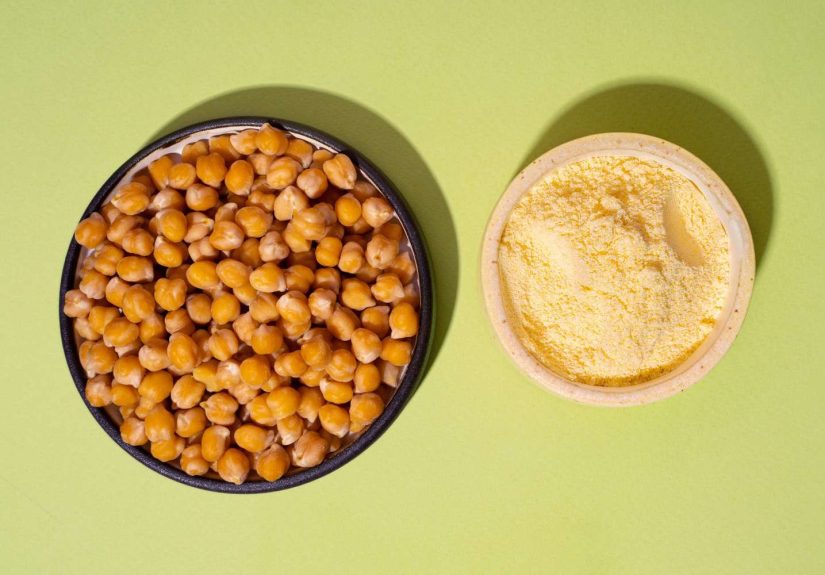
Chickpea flour is simply dried chickpeas (garbanzo beans) ground into a fine powder. You’ll also see it sold as
garbanzo bean flour, gram flour, or besan. It’s naturally gluten-free,
has a pleasant nutty flavor, and brings more protein and fiber than many grain-based floursmeaning it can add structure and
heartiness to recipes that otherwise feel like sad “alternative baking.”
The important thing to know: chickpea flour behaves differently from wheat flour. It doesn’t form gluten, so you won’t get the same
stretchy rise. What you will get is a batter that cooks up tender, crisp, and satisfyingespecially when you lean into
its strengths (savory pancakes, coatings, thick batters, and set-then-fry magic).
How to Make Chickpea Flour at Home
What You’ll Need
- Dried chickpeas (not cannedcanned chickpeas contain moisture and won’t grind properly)
- High-speed blender, food processor, or spice/coffee grinder (in batches)
- Fine-mesh sieve (or flour sifter)
- Airtight jar for storage
- Optional: sheet pan or skillet (for toasting/extra flavor)
Method 1: The Quick “Blend and Sift” Method
-
Start with very dry chickpeas. If your chickpeas have been sitting in a humid pantry, spread them on a sheet pan and let them air-dry
for an hour. (No one wants “clumpy chickpea confetti.”) -
Grind in batches. Add a cup or two of dried chickpeas to your blender or food processor. Pulse first, then blend until you get the finest
powder your machine can manage. Stop and shake/stir if needed. -
Sift like you mean it. Pour the ground chickpeas through a fine-mesh sieve into a bowl. What passes through is your chickpea flour.
What doesn’t pass through? That’s “future chickpea flour.” -
Regrind the coarse bits. Put the larger particles back into the blender and grind again. Sift again. Repeat until you’re satisfied.
(This usually takes 2–3 rounds.) - Label and store. Move your flour to an airtight jar. Write the date on it. Your future self will thank you.
Yield note: Chickpea flour is essentially a one-to-one conversion by weight (a pound of chickpeas makes about a pound of flour),
but by volume it can look a little different depending on how fine you grind and how airy the flour is after sifting.
Method 2: Toast for a Nuttier Flavor (Highly Recommended)
If you’ve ever tasted chickpea flour and thought, “Why does this smell faintly like a health-food store aisle?”toasting is your fix.
Toasting mellows the raw legume edge and brings out a warmer, nuttier aroma.
- Toast the flour after grinding (easiest): Put your finished flour in a dry skillet over medium heat.
- Stir constantly for about 4–6 minutes, until it smells nutty and slightly sweet (not burnt).
- Cool completely before storing, so condensation doesn’t form in your jar.
You can also lightly toast the dried chickpeas before grinding (a short, low oven roast), but toasting the flour is simpler and more controllable.
Storage and Freshness
- Pantry: Airtight container in a cool, dark place for about 6–8 weeks.
- Fridge/freezer: For longer storage, keep it coldespecially if your kitchen runs warm or humid.
- How to tell it’s past its prime: It smells stale, dull, or “old nuts” funky. Fresh chickpea flour should smell mildly nutty, not sour.
Food Safety: Don’t Snack on Raw Batter
Even though chickpea flour feels wholesome, it’s still a raw flour product. In general, raw flour (and raw eggs, when used) can carry germs.
Translation: don’t taste raw batter, don’t let kids play with raw dough, and wash bowls/utensils/counters after handling flour.
Your cookie-dough nostalgia can survive this betrayal.
How to Cook With Chickpea Flour
Chickpea flour shines in savory, high-heat situations. Think crisp edges, creamy centers, and batters that set up like a charm.
Here’s your practical cheat sheet.
1) Socca (French) / Farinata (Italian): The “Why Didn’t I Make This Sooner?” Flatbread
Socca and farinata are close cousins: chickpea flour + water + olive oil + salt, baked in a screaming-hot pan until the edges crisp.
Resting the batter helps it hydrate, thicken slightly, and cook more evenly.
- Basic ratio: 1 cup chickpea flour + 1 cup water + 1–2 tbsp olive oil + 1/2 tsp salt
- Rest time: 30 minutes is great; longer rests (even hours) can improve texture.
- Heat matters: Preheat a cast-iron skillet in the oven, then pour batter into hot oil and bake until golden.
Serving ideas: Top like pizza (roasted vegetables, feta, herbs), scoop up hummus, or fold it like a wrap with greens and a garlicky sauce.
2) Savory Pancakes and Crepes: Pudla/Besan Chilla and Friends
Chickpea flour pancakes are the weeknight MVP: mix a batter, add chopped vegetables and spices, cook like a pancake, eat like a meal.
In India, besan chilla often includes onion, chile, cumin, and cilantrobasically a whole snack category disguised as breakfast.
- Tip: Add spices directly to the batter (cumin, turmeric, smoked paprika, black pepper).
- Texture trick: Let the batter rest 10–20 minutes so it thickens and cooks evenly.
- Make it hearty: Add grated zucchini, chopped spinach, scallions, or leftover roasted veggies.
3) Crisp Coatings and Fritters: Pakoras, Veggie Fritters, and “Oops I Ate Them All”
Chickpea flour makes a crunchy coating that browns beautifully. Turn it into a fritter batter with water (or bubbly water/beer),
season aggressively, then fry or pan-fry. You get a crisp shell and tender interiorno wheat flour required.
- For extra crispness: Use sparkling water and don’t overmix.
- Season like you’re serious: Salt, cumin, coriander, chile flakes, garlic, and fresh herbs.
- What to fry: Thin onion slices, cauliflower florets, zucchini coins, greens, shrimpbasically anything that wants a jacket.
4) Thickening Soups, Sauces, and Gravies
Chickpea flour can thicken liquids without the starchiness of cornstarch. It also adds a subtle nutty flavornice in tomato soups,
vegetable stews, and creamy sauces.
- Make a slurry: Whisk 1–2 tbsp chickpea flour with cold water until smooth, then stir into simmering soup.
- Cook it out: Let it simmer for a few minutes to avoid a raw flour taste.
5) Binding: Falafel, Veggie Burgers, and Meatballs That Stay Together
Chickpea flour acts like culinary duct tape (in the best way). A few tablespoons can help bind mixtures that otherwise crumble:
veggie burgers, lentil patties, salmon cakes, even meatballs.
- Start small: Add 1–2 tablespoons at a time; too much can make the texture pasty.
- Let it sit: Give the mixture 10 minutes so the flour hydrates before shaping.
6) Chickpea “Tofu” and Panisse: The Set-Then-Fry Magic Trick
Chickpea flour can be cooked with liquid until thick (like polenta), poured into a pan, cooled until firm, then sliced and fried.
Depending on the style, you’ll hear it called Burmese chickpea tofu, panisse, or panelle. The result is creamy inside, crisp outside,
and extremely snackable.
- Basic idea: Cook chickpea flour + water/stock + salt (often turmeric) until very thick.
- Set: Pour into an oiled pan and chill until firm.
- Finish: Slice and pan-fry, bake, or air-fry until golden.
7) Gluten-Free Baking (Without Pretending It’s the Same as Wheat)
Chickpea flour can work in baking, but it’s best used strategically. For many recipes, swapping all the wheat flour for chickpea flour
can create dense, earthy results. A smarter move is using chickpea flour as part of a blend or replacing a portion of wheat flour.
- Good rule of thumb: Replace up to about 25% of wheat flour in some recipes to boost protein and fiber while keeping familiar texture.
- Best matches: Strong flavors like chocolate, pumpkin, spices, and savory breads/crackers.
- Support team: Eggs, yogurt, or a binder (like flax gel) help structure in gluten-free recipes.
Troubleshooting: Common Chickpea Flour Problems (and Fixes)
“My flour is gritty.”
Sift it. Then regrind the coarse bits. For extra smooth batter (like socca), whisk well and let it rest so the particles hydrate.
“It tastes too ‘beany.’”
Toast the flour briefly in a dry skillet before using. Also: season more boldly. Chickpea flour loves garlic, herbs, cumin, pepper, and lemon.
“My socca is pale and soft.”
Your oven and pan need more heat. Preheat the skillet thoroughly and use enough oil so the edges fry while baking.
Also make sure the batter rested long enough to hydrate.
“My batter has lumps.”
Add water gradually while whisking, or use a blender for 10 seconds. If you’re using homemade flour, sifting helps a lot.
Nutrition and Dietary Notes
Chickpea flour is popular in gluten-free cooking for a reason: it brings more than just “flour vibes.”
It’s higher in protein and fiber than many refined flours, and people often find it more filling. It also contains useful
micronutrients such as iron and folate. If you’re new to legumes, start with moderate portionssome people get gassy while their
digestive system files the paperwork.
Allergen note: Chickpeas are legumes. If you have a legume allergy, treat chickpea flour accordingly.
Three Easy Ways to Start Cooking With Chickpea Flour Tonight
1) Cast-Iron Socca (Crispy Edges, Tender Middle)
- Whisk 1 cup chickpea flour, 1 cup water, 1/2 tsp salt, and 1–2 tbsp olive oil. Add pepper and rosemary if you like.
- Rest 30 minutes while you preheat the oven to 450–500°F with a cast-iron skillet inside.
- Carefully add a drizzle of oil to the hot pan, pour in batter, and bake until golden and crisp at the edges.
- Finish with lemon, flaky salt, or toppings like roasted peppers and feta.
2) Veggie-Loaded Chickpea Pancakes (10-Minute Meal)
- Mix 3/4 cup chickpea flour with ~3/4 cup water, 1/2 tsp salt, and spices (cumin + turmeric is a classic combo).
- Stir in chopped onion, spinach, grated zucchini, or leftover roasted vegetables.
- Rest 10 minutes, then cook like pancakes in a lightly oiled skillet until browned on both sides.
- Serve with yogurt sauce, salsa, or hot sauce. (Or all three. We support your dreams.)
3) Chickpea “Tofu” Nuggets (Soy-Free, Surprisingly Addictive)
- Whisk chickpea flour with water/stock, salt, and spices (turmeric + garlic powder + black pepper works well).
- Cook on the stove, stirring constantly, until very thick like polenta.
- Pour into an oiled pan, cool, then chill until firm.
- Cut into nuggets and pan-fry until golden. Dip in whatever sauce makes you happiest.
Kitchen Notes: The Stuff You Only Learn After a Few Batches (Experience Section)
If you make chickpea flour at home, the first “aha” moment usually happens before you even cook with it: you realize how much the grind matters.
A high-speed blender can turn dried chickpeas into something impressively flour-like, but it’s also very capable of producing a gritty meal that behaves like
edible sand. The difference is patience: pulsing first, grinding in smaller batches, and siftingthen regrinding what’s left in the sieve. Most home cooks
find that the second grind is where the magic happens. The flour suddenly looks softer, the batter whisking feels smoother, and you stop wondering if you’re
about to serve “crunchy pancake.”
The next practical lesson is about resting. Chickpea flour absorbs water differently than wheat flour. When you whisk it with water, it can
look thin and slightly grainy at firstlike it’s not sure what it wants to be. Give it 10 to 30 minutes, and it thickens, smooths out, and cooks more evenly.
This is especially noticeable with socca/farinata: rested batter tends to bake up with better structure, crisp edges, and a tender middle instead of a fragile,
pale sheet that tears when you look at it too confidently.
Flavor is another “experience teacher.” Some people love chickpea flour’s natural nuttiness right away; others pick up a raw legume note they can’t un-smell.
The fix is almost comically simple: toast the flour in a dry skillet for a few minutes. The smell shifts from “beans” to “warm nuts,” and the taste becomes
rounder and more savory. Once you’ve done it, you’ll understand why so many cooks treat toasting as non-optionalespecially if you’re using chickpea flour as
the main ingredient, not just a small add-in.
Then there’s the “why is everything sticking?” chapter. Chickpea flour batters love a properly heated pan and enough oil to create separation.
A cast-iron skillet that’s fully preheated in the oven can turn socca into something restaurant-level. The same batter in a lukewarm pan becomes a sad, gummy
compromise. This is one of those times where “more heat” is genuinely helpful advice, not just motivational speaking for cookware.
Many first-timers also discover that chickpea flour is a seasoning magnet. Mildly salted chickpea pancakes can taste flat, but once you add
cumin, black pepper, garlic, herbs, lemon zest, or chopped scallions, the whole thing wakes up. Chickpea flour doesn’t want to be a background extra; it wants
a script. A little acidity (lemon, yogurt sauce, pickled onions) also plays beautifully with its earthy base.
Finally, the most satisfying “experience flex” is learning how versatile chickpea flour really is. Once you’ve made socca on Monday, thickened soup on Tuesday,
and fried chickpea tofu nuggets on Wednesday, the bag/jar stops feeling like a specialty ingredient and starts feeling like a shortcut. It’s the kind of pantry
staple that makes weeknight cooking easier because it’s fast, forgiving, and adaptable. And if you can make it from dried chickpeas in your own kitchen,
it’s also oddly empoweringlike you just leveled up in the “I can make ingredients” skill tree without having to start a sourdough starter named Deborah.
Conclusion: Make It Once, Use It Everywhere
Chickpea flour is one of the easiest “new” ingredients to adopt because it doesn’t demand perfectionjust a few smart habits: grind and sift for smoothness,
toast for flavor, rest batters for better texture, and cook with confident heat. Once you’ve mastered a basic socca and a savory chickpea pancake, the rest
(fritters, thickeners, binders, chickpea tofu) feels like natural extensions. In other words: welcome to the delicious world of bean flour. It’s better here.