Table of Contents >> Show >> Hide
- Quick Snapshot: What Makes dbO WARE’s Teacup Set Stand Out
- Meet the Makers Behind the Vibe: dbO Home and the dbO WARE Line
- The Design Details: “Classic Teacup,” But Make It Modern
- Why Porcelain Matters for Tea (and Not Just Because It’s Pretty)
- The Saucer Isn’t Just DecorativeIt’s Tea’s Tiny Bodyguard
- How to Use the dbO WARE Tea Cup and Saucer Without Babying It
- Care Tips: Keep It Gorgeous, Keep It Real
- Is It Still Available? The “Collector’s Item” Reality
- Why This Set Works: A Tiny Case Study in Good Design
- Extra: of Tea-Time Experiences (Because the Cup Deserves Stories)
- Conclusion
Some objects don’t just hold your drinkthey upgrade the whole moment. The dbO WARE Tea Cup and Saucer is one of those quiet flexes:
a porcelain set that looks almost airy and refined, but feels grounded, tactile, and oddly satisfying in the hand. It’s the kind of cup that makes you
slow down without announcing that it’s doing so (which, frankly, is the best kind of influence).
This piece comes from the world of dbO Home, where “everyday luxury” isn’t a sloganit’s a design habit. Think: thoughtfully made, meant to be used,
built with enough character that you don’t mind the occasional tiny variation that proves a human was involved.
Quick Snapshot: What Makes dbO WARE’s Teacup Set Stand Out
- Porcelain construction for a clean, bright, tea-friendly surface.
- Glazed inside + raw porcelain outside for that “sleek where it counts, textured where it feels good” contrast.
- A nod to classic English teaware, but with a simplified, modern shape.
- Handmade with artisans in Peru through a fair-trade workshop (per the product description and coverage).
- Limited-run / discontinued status, which turns it from “nice cup” to “design collectible you’ll brag about later.”
Meet the Makers Behind the Vibe: dbO Home and the dbO WARE Line
dbO Home is led by husband-and-wife team Dana Brandwein and Daniel Oates, who create homewares from their rural Connecticut studios.
Their background spans art, sculpture, and design, and their approach tends to celebrate the tactilepieces that look good in photos but are really meant to be handled.
That’s important here, because the dbO WARE teacup isn’t “precious.” It’s refined, yes, but it’s also designed to be part of a daily ritual.
The dbO WARE line specifically was a different direction from dbO Home’s in-studio collection pieces: a porcelain tableware collaboration made with
artisans in Peru and inspired by a love of mid-century modern ceramics. It was also positioned as a limited runmade, sold, and eventually… gone.
Which is how great design sometimes works: it shows up, improves everyone’s standards, and then disappears to live forever on wishlists and resale searches.
The Design Details: “Classic Teacup,” But Make It Modern
A riff on traditional English warewithout the fuss
The dbO WARE Tea Cup and Saucer is often described as a modern riff on traditional English teaware. In practice, that means it keeps the elegancecup + saucer,
graceful profile, a sense of intentionalitybut trims away anything overly ornate. No floral decals. No gilded edges begging you to “hand wash only” like a threat.
The result feels contemporary, calm, and slightly architectural.
Raw porcelain outside: the “texture you didn’t know you needed”
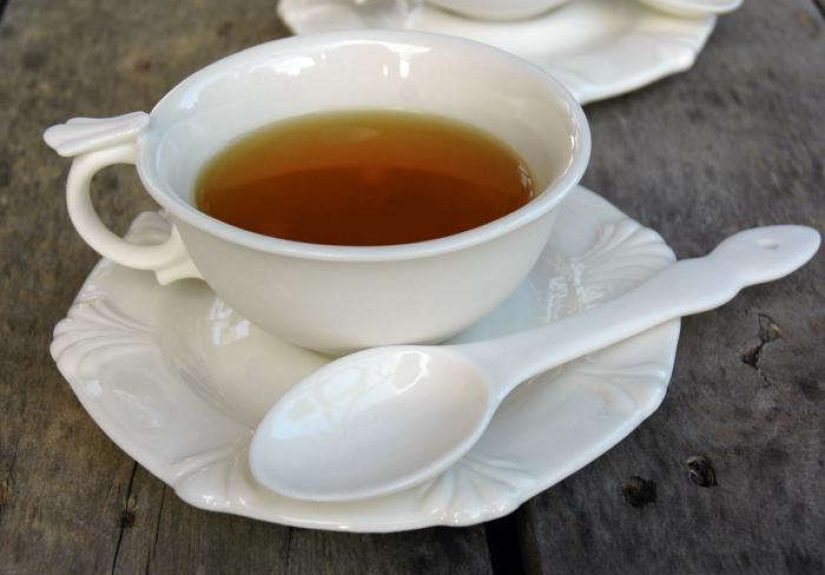
Here’s the magic trick: the outside is left as raw, unglazed porcelain for a textural, matte feel, while the inside gets a glossy clear glaze.
This is more than aesthetics. The raw exterior creates a gentle grip and a warm, velvety touch that makes the cup feel steadyeven when your day is not.
It’s also a small sensory cue that says, “Yes, you’re holding an object that was designed, not just manufactured.”
Practical note: raw porcelain can pick up character over time. In a world where everything tries to stay pristine, this cup is a little more honest.
If you’re the type who likes patina on leather and the way a favorite cutting board tells a story, you’ll get it.
Glazed interior: because tea should taste like tea
The glazed interior is the “don’t overthink it” part of the design. It supports easy cleaning and helps keep flavors clean and bright.
Porcelain is prized for being nonporous and neutralso delicate teas don’t pick up yesterday’s coffee attitude.
Why Porcelain Matters for Tea (and Not Just Because It’s Pretty)
Porcelain is a classic for a reason. It’s typically fired at high temperatures and is known for being hard, fine-grained, and nonporous.
For tea drinkers, that translates into a surface that won’t cling to aromas the way some more porous ceramics can, and it tends to show off the color of the tea
beautifullyespecially lighter oolongs, green teas, and delicate herbals.
The dbO WARE tea cup also plays a psychological trick: a thin-looking cup feels more refined, even if it’s sturdy enough for daily use.
It’s like wearing a crisp white shirt that somehow makes you stand up straighter. Same energy, but with caffeine.
The Saucer Isn’t Just DecorativeIt’s Tea’s Tiny Bodyguard
In the most literal sense, a saucer is a small dish a cup sits in. In real life, it does three jobs you only notice when it’s missing:
- Surface protection: it helps shield tables (and table linens) from heat and drips.
- Drip control: it catches overflow, splashes, and “oops” moments that would otherwise become a permanent part of your dining table’s personality.
- Spoon parking: it gives your spoon a home that isn’t “right on the table like a tiny metal gremlin.”
Also, if you’re doing any kind of standing tea momentchatting, hosting, pretending you’re not checking your phonethe saucer helps keep things tidy and balanced.
It’s a small etiquette nod that also happens to be a very practical engineering choice.
How to Use the dbO WARE Tea Cup and Saucer Without Babying It
For everyday tea rituals
This set shines in the “daily luxury” lane: morning black tea, mid-afternoon matcha (served like a rebel), or a calming herbal at night.
The saucer makes the experience feel complete, even if you’re just drinking tea in sweatpants while negotiating with your inbox.
For entertaining without trying too hard
If you host, the dbO WARE cup and saucer reads as intentional but not intimidating. It signals care and taste without turning tea into a museum exhibit.
Pair it with simple linens, a small plate of cookies, and one good story you can tell without checking notes. You’re done.
For mixing and matching
The beauty of white porcelain is that it plays well with others. You can pair this set with:
- Minimalist flatware and modern linens for a clean, contemporary table.
- Vintage glassware for a “collected over time” look.
- Natural wood trays or stone coasters to echo the raw porcelain texture.
Care Tips: Keep It Gorgeous, Keep It Real
When you’re dealing with a piece that has both raw and glazed surfaces, the goal is simple: clean thoroughly, avoid harsh shock, and don’t panic about normal wear.
dbO Home notes that their handcrafted porcelain is generally dishwasher, microwave, and oven safe unless otherwise specifiedand that handwashing can extend a piece’s life.
They also share practical stain-removal options like Bar Keepers Friend, Magic Eraser, or baking soda paste for marks that show up over time.
A few common-sense moves that keep porcelain happy:
- Avoid dramatic temperature shifts: don’t go from piping hot to freezer-cold in one leap.
- Use gentle cleaners first: save abrasives for actual stains, not routine washing.
- Expect some “life”: raw porcelain can develop subtle patina, especially with frequent use.
Is It Still Available? The “Collector’s Item” Reality
Here’s the part where we talk about scarcity like it’s a personality trait. The dbO WARE tea cup and saucer has been described as discontinued in retailer listings,
and dbO Home’s dbO WARE collection has been positioned as a limited run with only a few pieces leftsometimes none visible at all.
Translation: you may not be able to click-and-buy it new today, depending on what’s currently in circulation.
If you’re hunting one down, you’ll likely have the best luck through:
- Design resale and curated vintage platforms (where condition and authenticity matter).
- Secondhand marketplaces where photos and seller notes become your best friend.
- Local design shops that occasionally surface older stock or estate finds.
Pro tip: if you spot listings, look for the signature traitswhite porcelain, raw unglazed exterior, glossy glazed interior, and the cup-and-saucer pairing.
Ask about chips along the rim and hairline cracks (porcelain can be tough, but physics is undefeated).
Why This Set Works: A Tiny Case Study in Good Design
Lots of tea cups are pretty. The dbO WARE Tea Cup and Saucer is considered. It’s an object built around contrasts that make sense:
glossy vs. matte, delicate look vs. confident feel, traditional reference vs. modern restraint.
It also balances two values that rarely coexist without drama:
- Beauty: it looks elevated, even on an ordinary kitchen table.
- Usefulness: it’s designed to be part of actual life, not just styled for one photograph.
In other words: it’s the kind of piece that makes you want to make tea on purposenot just because you need caffeine,
but because you want five quiet minutes that feel a little better than the rest of the day.
Extra: of Tea-Time Experiences (Because the Cup Deserves Stories)
Imagine the first time you set the dbO WARE tea cup and saucer on your counter. You didn’t buy it because you needed another cup.
You bought it because your mornings were starting to feel like a speedrun. The cup becomes a tiny pause button.
Not a dramatic lifestyle overhauljust a small upgrade that quietly nudges your habits in a better direction.
On a cold morning, you pour hot tea and notice how the cup looks almost weightless, like it’s trying to be polite about existing.
Then you pick it up and the raw porcelain exterior surprises youmatte, soft, and slightly grippy. It doesn’t slip.
It doesn’t feel fragile. It feels like it’s been waiting for your hand to show up so it can do its job.
The saucer, meanwhile, changes the whole rhythm. You stop wandering the house with a cup like a caffeinated Roomba.
You bring the saucer with you, and suddenly you have a place for the spoon, a safe landing zone between sips, and a tiny bit of order.
It’s not that you’ve become fancy. It’s that you’ve become prepared. And preparedness is basically sophistication with better posture.
Later, you serve tea to someone elsemaybe a friend who “doesn’t really do tea” but suddenly has opinions because the cup is doing half the convincing.
The conversation shifts. You’re not just offering a drink; you’re offering a moment.
The cup and saucer become a subtle host move: “I thought about you for more than three seconds.”
No speech needed. The porcelain does the talking.
Over time, the set picks up tiny signs of life. Maybe the raw porcelain softens in tone.
Maybe a faint stain shows up and you learn that baking soda paste is a small miracle.
The point isn’t to keep it flawless. The point is to let it earn its place in your kitchen like your favorite pan or your most comfortable chair.
And then there’s the most underrated experience: drinking tea alone on an ordinary day and realizing you feel… calmer.
Not because the tea cup is magical (it’s porcelain, not a therapist), but because it turns a routine into a ritual.
The dbO WARE Tea Cup and Saucer gives your attention somewhere to land.
It reminds you that good design isn’t about showing offit’s about making daily life feel a little more human.
Conclusion
The dbO WARE Tea Cup and Saucer is what happens when traditional teaware gets edited by a modern designer: fewer frills, more intention,
and a tactile finish that makes the experience feel personal. Between its glazed interior, raw porcelain exterior, and the quiet practicality of the saucer,
it’s a set that rewards usenot just admiration. If you find one (especially now that it’s often described as limited-run or discontinued), treat it like what it is:
a small, functional piece of design history that makes tea taste a little better simply because you’re paying attention.