Table of Contents >> Show >> Hide
- What Is ORS (and Why It Works When Water Doesn’t)
- When ORS Helps Most
- Red-Flag Signs: Get Medical Care Now
- How to Make ORS Safely (Read This Before the Recipes)
- How to Drink ORS (Without Making Vomiting Worse)
- How to Make an Oral Rehydration Salts Drink (ORS): 7 Practical Recipes
- Recipe 1: Classic Emergency ORS (Sugar + Salt + Water)
- Recipe 2: U.S. Kitchen-Measure ORS (4-Cup Version)
- Recipe 3: Orange Juice ORS (Potassium Boost + Better Taste)
- Recipe 4: Sports Drink “Half-and-Half” Shortcut (For Mild Cases)
- Recipe 5: Apple Juice Dilution ORS (Gentle Taste, Simple Mixing)
- Recipe 6: Tomato Juice ORS (Savory Option)
- Recipe 7: Cereal-Based Rehydration Drink (Thicker, Slow Sipping)
- Common ORS Mistakes (and How to Avoid Them)
- FAQ: Quick Answers That Save You a Lot of Stress
- Conclusion: The “Good Enough to Help” ORS Plan
- Experiences & Real-Life ORS Moments (The Stuff People Only Learn After the Fact)
Dehydration has a sneaky way of turning a “meh” stomach bug into a full-blown couch hostage situation. One minute you’re fine, the next minute your mouth feels like a desert and standing up requires a committee vote.
That’s where oral rehydration solution (ORS) comes in. ORS is a simple mix of water + sugar + salt designed to help your body absorb fluids more efficiently than plain water aloneespecially when you’re losing fluid from diarrhea, vomiting, fever, or heavy sweating. And yes: it’s basically the world’s most practical “kitchen chemistry” project.
In this guide, you’ll learn how to make a safe ORS drink at home, plus 5+ ORS recipes (including kid-friendly sips and adult-friendly options), when to use them, and when to stop mixing and start calling a clinician.
What Is ORS (and Why It Works When Water Doesn’t)
ORS is not just “hydration vibes.” It’s a specific balance of electrolytes (especially sodium) and glucose (sugar). The magic trick is that your intestines absorb sodium and glucose together, and water follows along for the ride. That makes ORS especially useful when your gut is moving fast and you’re losing fluids quickly.
Translation: ORS helps you rehydrate more effectively than plain water when you’re actively losing fluidlike during stomach flu, traveler’s diarrhea, or repeated vomiting.
ORS vs. Sports Drinks: Not the Same Job
Sports drinks are built for exercise-related sweating. ORS is built for medical-style fluid loss (diarrhea/vomiting). Many sports drinks contain more sugar and less sodium than classic ORS, and too much sugar can worsen diarrhea for some people. ORS is the nerdy, clinically balanced cousin that shows up with a clipboard and fixes the problem.
When ORS Helps Most
ORS can be useful for:
- Mild to moderate dehydration from diarrhea or vomiting
- Rehydration during a stomach bug when water alone isn’t staying down
- Fluid loss from fever (especially when paired with poor appetite)
- Heavy sweating from heat exposure (especially if you also feel weak or crampy)
- Situations where you need steady hydration but can’t tolerate large drinks
When DIY ORS Is Not the Move
Homemade ORS can be helpful in a pinch, but it’s not perfectespecially for babies and young kids where precision matters. Consider using a commercial ORS product when possible (and follow label directions exactly). And get medical help urgently if there are signs of severe dehydration.
Red-Flag Signs: Get Medical Care Now
Stop scrolling and seek urgent care (or emergency care) if you notice:
- Confusion, extreme sleepiness, fainting
- Very fast heartbeat or trouble breathing
- No urination for many hours (or very dark urine), or a child with very few wet diapers
- Inability to keep any fluids down for hours
- Blood in stool or vomit, severe abdominal pain, or dehydration in an infant
If you have kidney disease, heart failure, or sodium restrictions, talk to a clinician before using salty rehydration drinks.
How to Make ORS Safely (Read This Before the Recipes)
1) Use clean water
If clean drinking water isn’t guaranteed, boil water and cool it before mixing. ORS won’t help much if it comes with bonus germs.
2) Measure carefully (precision beats “eyeballing it”)
Too much salt can be dangerous. Too much sugar can worsen diarrhea. Use level teaspoons/tablespoonsno “heaping mountain” measurements.
3) Mix until fully dissolved
Stir well so you don’t end up drinking salty sludge at the bottom. Nobody deserves that.
4) Taste check (optional, but helpful)
ORS should taste mildly salty-sweetkind of like “tears with a purpose,” not “ocean water.” If it tastes extremely salty, dump it and remake it with careful measurements.
5) Storage
Make fresh daily when possible. If you refrigerate a homemade ORS, discard leftovers within about 24 hours for safety and freshness.
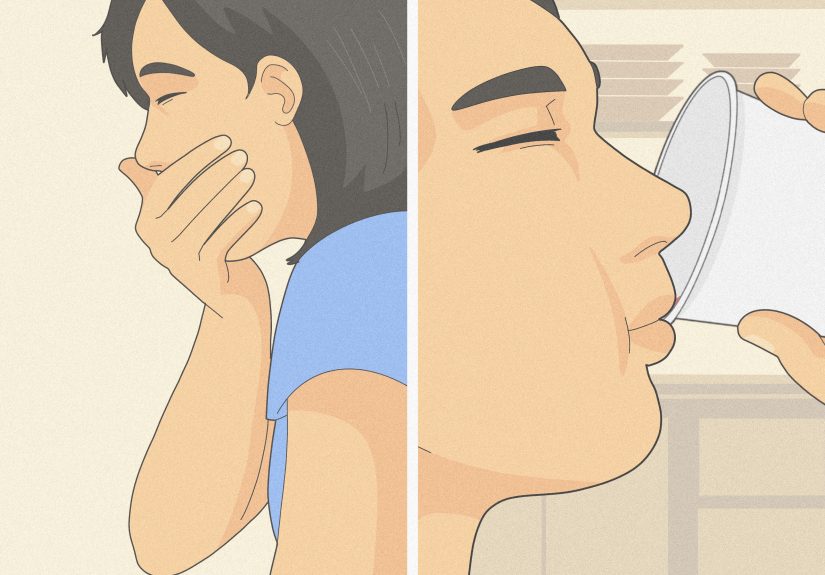
How to Drink ORS (Without Making Vomiting Worse)
When nausea or vomiting is involved, the winning strategy is small amounts, often.
Kids (general pacing that many pediatric sources recommend)
- Under 1 year: small spoon/syringe sips (about 1–2 teaspoons / 5–10 mL) every 5–10 minutes
- Over 1 year: about 1–2 tablespoons (15–30 mL) every 15–20 minutes, gradually increasing if tolerated
Important: For infants and very young children, commercial ORS is usually preferred because it’s precisely formulated. If you must use homemade ORS for a child, measure carefully and consider calling a pediatric clinician for guidance.
Adults
Take frequent sips. If diarrhea is ongoing, continue rehydrating steadily. If you’re vomiting, pause for 30–60 minutes after vomiting, then restart with tiny sips. Your stomach is not a fan of sudden chugging heroics.
How to Make an Oral Rehydration Salts Drink (ORS): 7 Practical Recipes
Each recipe below is meant to be easy, measured, and realisticbecause when someone’s dehydrated, nobody wants advanced calculus.
Recipe 1: Classic Emergency ORS (Sugar + Salt + Water)
Best for: diarrhea/vomiting dehydration when commercial ORS isn’t available
- 1 liter (about 4 1/4 cups) clean water
- 6 level teaspoons sugar
- 1/2 level teaspoon table salt
Directions: Stir until fully dissolved. Sip slowly and steadily.
Recipe 2: U.S. Kitchen-Measure ORS (4-Cup Version)
Best for: when you don’t have a 1-liter bottle handy
- 4 cups water
- 2 tablespoons sugar (same as 6 teaspoons)
- 1/2 teaspoon table salt
Directions: Mix until clear and fully dissolved. Chill if you want (cold can taste better when you feel gross).
Recipe 3: Orange Juice ORS (Potassium Boost + Better Taste)
Best for: people who hate the plain salty-sweet flavor
Makes: about 5 1/2 cups (roughly 1.3 liters)
- 4 1/2 cups water
- 1 cup unsweetened orange juice (no pulp if possible)
- 8 teaspoons sugar
- 3/4 teaspoon salt
Directions: Stir until dissolved. Sip throughout the day.
Note: This one is popular in some clinical nutrition settings because it improves flavor and adds potassium from juice. Use unsweetened juice to avoid excessive sugar.
Recipe 4: Sports Drink “Half-and-Half” Shortcut (For Mild Cases)
Best for: mild dehydration when diarrhea is not severe and you can’t get ORS
- 2 cups sports drink (avoid red dyes if you’re monitoring stool/vomit color)
- 2 cups water
- 1/2 teaspoon salt
Directions: Mix well. Sip, don’t chug.
Caution: Sports drinks can be high in sugar. If diarrhea worsens, switch to classic ORS (Recipe 1 or 2) or a commercial ORS product.
Recipe 5: Apple Juice Dilution ORS (Gentle Taste, Simple Mixing)
Best for: people who tolerate apple juice well and want an easy option
- 1 cup apple juice
- 3 cups water
- 1/2 teaspoon salt
Directions: Mix thoroughly.
Caution: Some medical guidance warns that certain fruit juices can worsen diarrhea. If symptoms worsen, switch to Recipe 1/2 or commercial ORS.
Recipe 6: Tomato Juice ORS (Savory Option)
Best for: people who can’t handle sweet drinks
- 2 1/2 cups tomato juice
- 1 1/2 cups water
Directions: Stir and sip. Tomato juice naturally contains sodium and potassium, making it a “savory electrolyte” option.
Tip: Choose a version you toleratesome people find tomato juice irritating during nausea.
Recipe 7: Cereal-Based Rehydration Drink (Thicker, Slow Sipping)
Best for: some people who do better with thicker fluids (often discussed in GI hydration contexts)
- 1/2 cup dry baby rice cereal, cooked (as directed with water)
- 2 cups water
- 1/4 teaspoon table salt
Directions: Combine, mix until smooth, and refrigerate. Drink slowly.
Note: This is a specialized option and may not be ideal during acute vomiting. If unsure, stick to Recipe 1/2 or commercial ORS.
Common ORS Mistakes (and How to Avoid Them)
Mistake 1: “More salt = more electrolytes = more better”
Nope. Too much salt can be harmful, especially for children. Keep measurements exact.
Mistake 2: Using soda, full-strength juice, or super-sweet drinks
Very sugary drinks can pull water into the intestines and worsen diarrhea. If you use juice, dilute it and keep an eye on symptoms.
Mistake 3: Chugging ORS like you just ran a marathon
If vomiting is a risk, think “slow drip” not “waterfall.” Tiny sips often work better than big gulps.
Mistake 4: Forgetting food entirely
If you can tolerate food, bland meals can help. Many pediatric and clinical sources advise returning to a normal diet as tolerated (rather than fasting for long periods), while avoiding very sugary foods during diarrhea.
FAQ: Quick Answers That Save You a Lot of Stress
Can I add lemon, honey, or flavor packets?
A squeeze of lemon or sugar-free flavoring can improve taste, especially for adults. Avoid honey for children under 1 year old. If adding anything sweet, keep it modest so you don’t overshoot sugar levels.
How long should I use ORS?
Use it while fluid loss is ongoing and you’re at risk of dehydration. If symptoms last more than a day or two, or you’re getting worse, talk to a clinician.
Is ORS only for stomach bugs?
No. It can help in heat-related dehydration and other situations where you lose fluids and electrolytesthough severe heat illness needs medical attention.
Conclusion: The “Good Enough to Help” ORS Plan
If you remember nothing else, remember this: ORS is measured hydration. Water alone may not replace electrolytes, and sugary drinks can backfire. When dehydration risk is real, use a proven mix (or a commercial ORS), sip steadily, and watch for red flags.
And if you’re mixing ORS while exhausted at 2 a.m., you’re not alone. Just keep it simple: clean water, careful measurements, small sips, and a low threshold for getting medical help when symptoms look serious.
Experiences & Real-Life ORS Moments (The Stuff People Only Learn After the Fact)
Most people don’t discover ORS during a calm, well-rested afternoon with perfect lighting and a labeled measuring set. They discover it during what can only be described as a “hydration emergency montage”:
Scenario 1: The stomach bug that turns your kitchen into a tiny clinic.
A common experience during viral gastroenteritis is the cycle of “sip → feel hopeful → take a bigger drink → regret.” What tends to work better is the unglamorous approach: teaspoon-sized sips on a schedule. Parents often find that a syringe or medicine spoon is the real MVP, not the fancy cup. The goal isn’t to win a drinking contestit’s to keep fluids down long enough for the body to catch up.
Scenario 2: Adults who try to ‘power through’ dehydration.
A lot of adults treat dehydration like it’s a character-building exercise: “I’ll just drink water later.” Then later arrives with a headache, dizziness, and legs that feel like they’re negotiating with gravity. In real life, people often realize that plain water doesn’t always bring them back quickly when they’ve lost electrolytes, especially after repeated diarrhea. ORS can feel surprisingly effective because it’s not just replacing fluidit’s helping your body actually absorb it.
Scenario 3: The taste problem (aka: ‘This is why people quit’).
Let’s be honest: classic ORS can taste weird. Not horrible, but… suspicious. Many people report doing better when they chill it, sip it through a straw, or choose a lightly flavored version like an orange-juice base. The key lesson is that tolerable beats perfect. If a small flavor tweak helps you drink enough to rehydrate (without turning it into a sugar bomb), that’s a practical win.
Scenario 4: The measuring mistake that teaches respect for teaspoons.
People sometimes underestimate how important precision is. A “heaping” teaspoon of salt isn’t a small differenceit can change the solution dramatically, especially for kids. A common takeaway from caregivers is to pre-plan: keep a measuring spoon set in an easy-to-find drawer, and consider storing a couple packets of commercial ORS in your medicine cabinet. When you’re tired, accuracy becomes harderand that’s exactly when you need it most.
Scenario 5: The relief of having a simple plan.
The most consistent “experience” people describe is emotional, not scientific: the calm that comes from having a clear routine. Clean water. Measured sugar and salt. Slow sips. Watch urine output and alertness. That plan doesn’t solve the stomach bugbut it can prevent the dehydration spiral that makes everything scarier.
If you take one practical action today, let it be this: bookmark a recipe you trust (Recipe 1 or 2), and keep commercial ORS on hand when possible. Future-youtired, thirsty, and bargaining with a bottle of waterwill be genuinely grateful.