Table of Contents >> Show >> Hide
- What Are Boxelder Bugs?
- Do Boxelder Bugs Cause Major Damage?
- Why Boxelder Bugs Are Attracted to Your Yard
- How to Identify a Boxelder Bug Infestation Outdoors
- How to Get Rid of Boxelder Bugs in Your Yard
- Step 1: Remove Fallen Seeds and Plant Debris
- Step 2: Spray Clusters With a Strong Stream of Water
- Step 3: Use Soapy Water for Direct Contact Control
- Step 4: Vacuum or Sweep Bugs From Outdoor Living Areas
- Step 5: Seal Entry Points Before Fall
- Step 6: Reduce Hiding Places Near the House
- Step 7: Manage Host Trees Thoughtfully
- When to Use Insecticides for Boxelder Bugs
- Natural Ways to Keep Boxelder Bugs Away
- What Not to Do
- Seasonal Boxelder Bug Control Calendar
- How to Keep Boxelder Bugs From Coming Back
- Extra Experience: What Actually Works in a Real Yard
- Conclusion
Boxelder bugs have a flair for drama. One week your yard looks peaceful, and the next, your sunny fence, tree trunk, patio wall, and siding are covered with black-and-red insects acting like they paid rent. The good news is that boxelder bugs are not termites in tiny Halloween costumes. They do not chew through wood, destroy foundations, or attack people. The not-so-good news? When large numbers gather in your yard, they can become a serious nuisance, stain surfaces, sneak indoors, stress certain plants, and make outdoor spaces feel less like a backyard retreat and more like a bug convention.
If you want to know how to get rid of boxelder bugs in your yard, the smartest plan is not panic-spraying everything that moves. It is identification, prevention, habitat cleanup, targeted removal, and smart seasonal timing. Boxelder bugs are easiest to manage before they gather in massive fall clusters and start looking for warm cracks, gaps, vents, and siding seams to use as winter hotels.
This guide explains what attracts boxelder bugs, how to reduce them outdoors, when to use natural methods, when insecticides may be appropriate, and how to keep them from turning your house into their cozy retirement community.
What Are Boxelder Bugs?
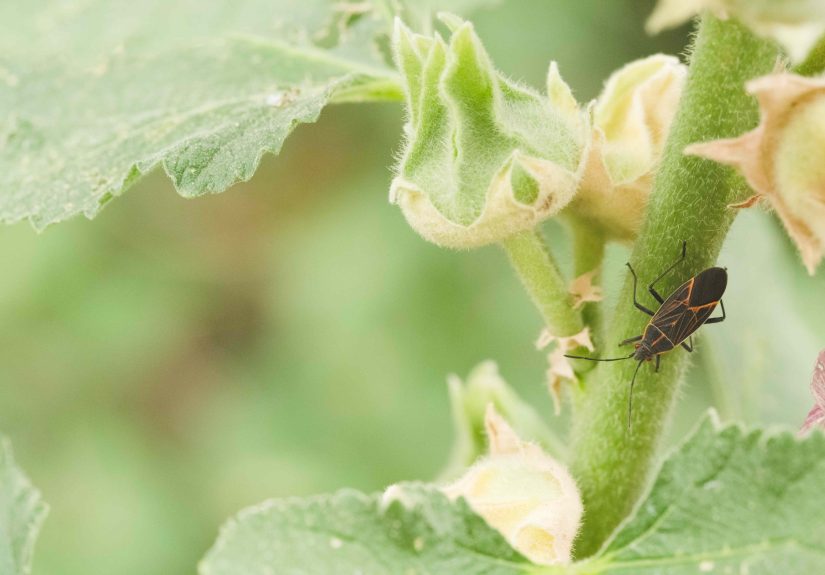
Boxelder bugs are true bugs commonly recognized by their dark gray to black bodies, red-orange markings, and long, flattened shape. Adults are usually about half an inch long, while young nymphs are smaller and bright red or orange before their darker markings develop. They are often found around boxelder trees, especially female seed-bearing boxelders, but they may also feed on maple, ash, fruit trees, grapevines, and other plants.
Their favorite hangout is the sunny side of life. You will often see them clustered on warm walls, rocks, fences, tree trunks, patios, and south- or west-facing building surfaces. They are especially noticeable in late summer and fall when they begin gathering before overwintering.
Do Boxelder Bugs Cause Major Damage?
The phrase “major damage” deserves a reality check. Boxelder bugs are usually not major plant destroyers or structural pests. They do not eat your house. They do not bite in any meaningful pest-control sense. They do not spread disease. In many yards, they are simply annoying seasonal visitors.
However, big populations can still cause problems. They may leave reddish stains if crushed on walls, curtains, furniture, or outdoor surfaces. They can invade homes through tiny openings. In orchards or gardens, large numbers may puncture fruit, sometimes causing dimples, scarring, or deformation. They can also make patios, entryways, porches, and outdoor furniture unpleasant to use. So while they may not “destroy” your property, ignoring a large yard population can create a messy, frustrating infestation that feels much bigger than it technically is.
Why Boxelder Bugs Are Attracted to Your Yard
Boxelder bugs do not arrive randomly. They follow food, shelter, warmth, and overwintering opportunities. Understanding what attracts them helps you control them before they spread.
1. Female Boxelder Trees
Female boxelder trees produce the seeds these bugs love. If your yard has a mature seed-bearing boxelder tree, or if your neighbor has one close by, boxelder bugs may show up every year like clockwork. Removing a female boxelder tree can reduce populations in some situations, but it is not always practical, affordable, or environmentally desirable. Also, if the neighborhood has many boxelder trees, removing one may not solve the problem.
2. Maple, Ash, and Fruit Trees
Although boxelder trees are their classic host, boxelder bugs may also feed on other trees and plants. Maple and ash trees can attract them, and large populations may occasionally move into fruit trees or vines. If you have apples, pears, plums, cherries, grapes, or similar plants nearby, inspect fruit clusters and sunny trunks during late summer.
3. Warm, Sunny Surfaces
Boxelder bugs are solar-powered freeloaders. They love warm siding, stone walls, fences, concrete, woodpiles, and tree trunks. South- and west-facing areas usually become their favorite gathering zones because those surfaces hold afternoon heat.
4. Yard Debris and Hiding Places
Leaf piles, stacked boards, loose bark, rock piles, weeds, firewood, and clutter near the home can create hiding spots. Boxelder bugs do not need luxury accommodations. A messy corner with warmth and cover is basically a five-star bug resort.
How to Identify a Boxelder Bug Infestation Outdoors
Before you start removing insects, make sure you are dealing with boxelder bugs and not stink bugs, kissing bugs, squash bugs, or another look-alike pest. Boxelder bugs typically have black or dark gray bodies with red-orange lines along the wings and thorax. When their wings rest flat, the red markings may create a narrow “X” pattern. Nymphs are small, bright red or orange, and often appear in groups.
Common infestation signs include clusters on tree trunks, fences, siding, patios, and rocks; red nymphs gathering near seed pods; adults crawling toward the house in fall; bugs appearing around windows or doors; and stains where bugs have been crushed. The earlier you spot outdoor clusters, the easier it is to control them without heavy treatment.
How to Get Rid of Boxelder Bugs in Your Yard
The best boxelder bug control plan uses several methods together. Think of it as pest management with a clipboard: remove what attracts them, knock down visible clusters, block entry points, and only use insecticides when truly needed.
Step 1: Remove Fallen Seeds and Plant Debris
Start with sanitation. Rake up fallen boxelder seeds, leaves, and plant debris around host trees. Pay attention to fence lines, patio edges, garden beds, and areas under trees. This does not guarantee total control, but it reduces food and hiding spots for young bugs.
Bag and dispose of heavy seed litter, especially if nymphs are already present. Composting may be fine for ordinary leaves, but if the pile is full of active bugs, move it away from the house or dispose of it to avoid creating a breeding corner near your foundation.
Step 2: Spray Clusters With a Strong Stream of Water
For bugs gathered on tree trunks, fences, siding, or patio walls, a strong stream from a garden hose can knock them loose. This is one of the easiest non-chemical methods and works best on young nymphs or clusters that have not yet spread.
Do this in the morning or evening when bugs are less active. Focus on obvious gathering spots, then repeat as needed. Water alone may not eliminate every bug, but it disrupts clustering and reduces the number that mature or move toward your home.
Step 3: Use Soapy Water for Direct Contact Control
Soapy water can kill boxelder bugs when sprayed directly on them. It works by contact, not magic. If the spray does not touch the insect, it will not help much. Mix a mild soap solution in a spray bottle or garden sprayer and apply it directly to visible clusters on hard outdoor surfaces.
Avoid spraying delicate plants heavily unless you test a small area first, because some soaps can damage leaves. Never mix random cleaning products together. Your goal is pest control, not a backyard chemistry show with regrettable fumes.
Step 4: Vacuum or Sweep Bugs From Outdoor Living Areas
If boxelder bugs are collecting on porches, patios, outdoor furniture, or garage thresholds, use a shop vacuum or broom to remove them. A vacuum is especially helpful because crushing them can leave stains. Empty the vacuum canister or bag into a sealed trash bag afterward.
For outdoor use, a wet-dry vacuum is often more practical than a household vacuum. If you use a regular vacuum inside later, keep in mind that live bugs may create odor or crawl back out if the contents are not discarded quickly.
Step 5: Seal Entry Points Before Fall
Even though this guide focuses on the yard, outdoor control is only half the job. Boxelder bugs become much more annoying when they move indoors. Seal cracks around windows, doors, siding, fascia boards, vents, utility openings, and foundation gaps before late summer or early fall.
Repair torn screens, install door sweeps, check weatherstripping, and cover vents with appropriate screening. The best time to do this is before bugs begin massing on sunny walls. Once they are inside wall voids, control becomes difficult, and you may spend winter wondering why tiny red-and-black guests keep appearing near windows.
Step 6: Reduce Hiding Places Near the House
Clear away piles of rocks, boards, firewood, leaves, and general clutter close to your foundation. Keep firewood stacked off the ground and away from exterior walls. Trim weeds and tall grass along fences and around tree bases.
Boxelder bugs do not need much shelter, so small cleanup jobs matter. A tidy perimeter makes your yard less attractive and helps you spot new clusters before they grow.
Step 7: Manage Host Trees Thoughtfully
If one female boxelder tree is clearly producing huge annual infestations, you may consider removal or replacement. This is the most permanent option in some cases. However, tree removal should not be the first move for every homeowner. Trees provide shade, wildlife value, and erosion control, and removing one tree may not help if many host trees are nearby.
A more moderate approach is to clean up seed litter, prune dead or crowded branches, and monitor the tree in spring and summer. If you are unsure whether your boxelder is male or female, ask a local arborist, extension office, or knowledgeable nursery professional.
When to Use Insecticides for Boxelder Bugs
Insecticides are not always necessary for boxelder bugs. In many cases, mechanical removal, exclusion, and sanitation work well enough. However, if you have severe outdoor clustering on siding, foundations, tree trunks, or hardscape surfaces, a labeled outdoor insecticide may be considered.
Products containing pyrethroids are often used as perimeter treatments by professionals or homeowners, depending on the label. Insecticidal soap or pyrethrin may be useful for direct contact on visible bugs. The key phrase is “according to the label.” Choose a product labeled for the site and pest, follow all directions, avoid spraying blooming plants where pollinators are active, and keep products away from water sources, pets, and children.
Timing matters. Sprays are most useful when bugs are exposed outdoors, especially before they enter cracks or wall voids. Once boxelder bugs are hidden inside walls, spraying indoor spaces rarely solves the problem and may create unnecessary pesticide exposure.
Natural Ways to Keep Boxelder Bugs Away
If you prefer low-toxicity methods, focus on prevention. Natural control is less about one miracle spray and more about making your yard boring to boxelder bugs. That is the dream: a yard so uninteresting to pests that they pack up and gossip about the neighbor’s sunny siding instead.
Keep the Yard Clean
Regularly remove leaves, seed pods, weeds, and clutter near host trees and your home’s foundation. This reduces feeding areas and shelters.
Use Water Pressure
A hose can break up clusters on walls, fences, and tree trunks. Repeat treatments help prevent large groups from settling.
Apply Soapy Water Directly
Use mild soapy water only on visible bugs and test plants before spraying leaves. It is not a residual repellent, so expect to reapply when new clusters appear.
Encourage a Balanced Landscape
A healthy yard with diverse plants, good airflow, and fewer cluttered hiding spots is less likely to support overwhelming pest populations. Avoid unnecessary broad-spectrum pesticide use that may harm beneficial insects.
What Not to Do
Do not crush boxelder bugs on walls, curtains, furniture, or siding if you can avoid it. They can leave stains. Do not rely on indoor bug bombs; they are not a smart solution for bugs hiding in wall voids. Do not spray random pesticides on fruit, vegetables, pets, play areas, or water features. And do not assume that killing a few bugs in October means the problem is gone forever. Boxelder bug control is seasonal and preventive.
Also, do not panic if you see a few. A small number of boxelder bugs in the yard is normal in many regions. Control becomes important when they gather in large clusters, repeatedly move toward the house, or affect outdoor comfort.
Seasonal Boxelder Bug Control Calendar
Spring
Look for overwintered adults becoming active on warm days. Inspect boxelder, maple, and ash trees. Clean up leftover seed debris and check screens, vents, and door seals.
Summer
Watch for bright red nymphs around host trees, seed pods, and sunny hardscape areas. Use water sprays or direct soapy water treatments on clusters while populations are still manageable.
Late Summer
This is the key prevention window. Remove debris near the foundation, seal gaps, repair screens, and monitor sunny walls. If populations are heavy, consider targeted outdoor treatment before bugs move indoors.
Fall
Expect clustering on warm walls, patios, fences, and tree trunks. Vacuum, hose, or treat exposed clusters as needed. Keep doors closed, check weatherstripping, and avoid crushing bugs on surfaces.
Winter
If bugs appear indoors, vacuum them. Indoor insecticide sprays are usually unnecessary. Focus on noting where they entered so you can seal those spots before next season.
How to Keep Boxelder Bugs From Coming Back
Long-term prevention is about reducing the conditions that help boxelder bugs thrive. Keep seed litter under control, manage host trees, reduce yard debris, maintain a clean foundation perimeter, and seal entry points every year. If your neighborhood has many boxelder trees, total elimination may not be realistic. The goal is not a bug-free planet. The goal is fewer clusters, fewer indoor invaders, and fewer moments where your patio chair looks like it joined an insect fan club.
For severe recurring infestations, a licensed pest control professional can apply targeted perimeter treatments at the right time. This is especially useful for large homes, multi-story siding, heavy fall swarms, or situations where bugs repeatedly enter wall voids. Ask for an integrated pest management approach rather than routine blanket spraying.
Extra Experience: What Actually Works in a Real Yard
From a practical homeowner’s perspective, boxelder bug control becomes much easier once you stop treating the bugs as a one-day emergency and start treating them as a seasonal pattern. Many people notice the problem only when hundreds of adults are already sunbathing on siding in fall. By then, the bugs are mature, mobile, and highly motivated to find winter shelter. The better experience is to start earlier, especially in summer, when nymphs are still grouped around host trees and easy to disrupt.
One useful habit is to walk the yard once a week during warm months and check the same places every time: the base of boxelder or maple trees, fence posts, south-facing walls, patio edges, woodpiles, and the area around garage doors. If you see small red nymphs gathering, do not wait until they become a full marching band. A strong hose spray can knock them down quickly. Follow up by clearing leaves and seed pods in that area. This simple routine often prevents the big dramatic fall swarm.
Another real-world lesson is that sealing the house matters more than most people expect. You can remove thousands of bugs outdoors and still feel defeated if the remaining adults find gaps under siding, loose screens, attic vents, or worn door sweeps. A tube of exterior caulk, replacement weatherstripping, and a Saturday afternoon can do more for long-term comfort than repeated spraying. Focus especially on the sunny side of the house, because that is where bugs often gather before slipping inside.
It also helps to choose your battles. If bugs are clustered on a far tree trunk and not near the home, fruit trees, patio, or play area, you may not need to do much. But if they are gathering near doors, outdoor furniture, or foundation cracks, act quickly. Boxelder bug management is partly about location. A few bugs in the back corner of the yard are nature. A few hundred bugs on the back door are a committee meeting you did not approve.
For homeowners with fruit trees, monitoring is especially important in late summer. Boxelder bugs are not usually the top fruit pest, but large numbers can cause feeding marks on soft fruit. If you notice bugs moving from boxelder trees into orchard areas, remove fallen fruit, keep grass trimmed, and inspect fruit clusters. Use only products labeled for edible plants if treatment becomes necessary, and follow pre-harvest instructions carefully.
Finally, remember that perfect control is rarely realistic. Weather, nearby trees, neighboring yards, and seasonal insect cycles all affect populations. Some years will be worse than others. The winning strategy is consistency: clean up food sources, reduce hiding places, knock down clusters early, seal the house before fall, and use pesticides only as a targeted backup. Done together, these steps can turn a frustrating infestation into a manageable seasonal chore. Not glamorous, perhaps, but neither is sharing your porch with 900 tiny red-lined squatters.
Conclusion
Getting rid of boxelder bugs in your yard starts with understanding what they want: seed-bearing host trees, warmth, hiding places, and access to sheltered winter spaces. They usually do not cause serious structural damage, but large populations can stain surfaces, invade homes, bother outdoor living areas, and occasionally affect fruit. The best control plan is preventive and practical. Clean up fallen seeds and debris, spray clusters with water, use soapy water only on direct contact, seal entry points, reduce clutter near the foundation, and consider targeted insecticide use only when necessary.
Boxelder bugs may be persistent, but they are not unbeatable. With early action and a little seasonal maintenance, you can keep your yard comfortable, protect your home from fall invaders, and enjoy your patio without wondering why the fence appears to be moving.