Table of Contents >> Show >> Hide
- Why Carrots Are a Treat, Not a Full-Blown Menu
- How to Feed a Horse Carrots: 10 Steps
- Step 1: Make Sure Your Horse Is Actually a Good Candidate for Carrots
- Step 2: Start With Clean, Fresh Carrots
- Step 3: Cut the Carrots Into Safe Pieces
- Step 4: Decide Whether You Will Hand-Feed or Use a Bucket
- Step 5: If You Hand-Feed, Use Safe Hand Position
- Step 6: Feed Small Amounts, Not an All-You-Can-Eat Salad Bar
- Step 7: Watch the Horse Chew and Swallow
- Step 8: Use Carrots to Reward Manners, Not Chaos
- Step 9: Adjust for the Individual Horse
- Step 10: Keep Carrots in Their Proper Place
- Common Mistakes People Make When Feeding Horses Carrots
- When You Should Skip Carrots Entirely
- Experience From the Barn: What Feeding Carrots Really Teaches You
- Final Thoughts
- SEO Tags
Feeding a horse a carrot sounds wonderfully simple. You grab carrot, horse grabs carrot, everyone feels like the star of a heartwarming farm calendar. But in real life, there is a right way to do it. Horses can choke on oversized pieces, develop rude “treat mugging” habits, or need special restrictions if they have metabolic issues such as laminitis risk or equine metabolic syndrome. In other words, the humble carrot is not dangerous by default, but it does deserve more respect than a random toss over the stall door.
If you want to feed a horse carrots safely, the goal is not just to be generous. The goal is to be smart, consistent, and boringly safe in the best possible way. This guide walks you through exactly how to do it with 10 practical steps, plus common mistakes to avoid, signs that carrots may not be appropriate, and real-world experience from the barn that makes the advice easier to remember.
Why Carrots Are a Treat, Not a Full-Blown Menu
Carrots are one of the most common horse treats because they are tasty, easy to carry, and generally fine for healthy horses in small amounts. They can also be useful in training, bonding, and enrichment. Still, they are a treat, not the nutritional backbone of a horse’s diet. A horse’s feeding program should center on forage, water, and a ration suited to its age, workload, and health status. Carrots belong in the “nice extra” category, not the “main course” category.
That distinction matters. When owners get carried away, treats can quietly add calories, sugar, and bad behavior. A few carrot pieces after a ride? Usually no problem. Half a grocery bag because your horse made soulful eye contact? That is how a snack becomes a management issue.
How to Feed a Horse Carrots: 10 Steps
Step 1: Make Sure Your Horse Is Actually a Good Candidate for Carrots
Before you even peel open the produce drawer, ask the first smart question: Should this horse have carrots at all? Healthy adult horses can usually enjoy small carrot pieces as an occasional treat. But some horses need more caution. If your horse has a history of choke, poor teeth, insulin resistance, obesity, laminitis, or equine metabolic syndrome, carrots may need to be severely limited or skipped altogether.
Older horses deserve special attention here. A senior horse may look enthusiastic about treats but struggle to chew properly. A chunky pony who lives like a retired CEO and gains weight by inhaling air may also not need sugary extras. When in doubt, ask your veterinarian or equine nutrition professional before making carrots part of the routine.
Step 2: Start With Clean, Fresh Carrots
This is not the moment for limp, moldy, mystery vegetables from the back of the fridge. Choose fresh carrots that are firm, clean, and free of obvious spoilage. Wash off dirt, grit, and debris before feeding. Horses are not gourmet critics, but they also do not need a side of soil and questionable refrigerator archaeology.
If the carrot has soft spots, mold, or a funky smell, toss it. Good stable management includes treat hygiene. Feeding safe horse snacks starts long before your horse ever sees your hand.
Step 3: Cut the Carrots Into Safe Pieces
This is the step people skip when they are feeling lucky, and it is the step they should not skip. Large carrots or big chunks can increase the risk of choking, especially in horses that bolt food, have dental issues, or get overexcited about snacks. Cut carrots into small, bite-sized pieces. Slices, sticks, or chunks can all work as long as they are manageable and not oversized.
Do not assume your horse will politely nibble a whole carrot the way a cartoon pony might. Some horses chomp well. Others go full vacuum cleaner. Safe feeding depends on the least graceful possibility, not the most photogenic one.
Step 4: Decide Whether You Will Hand-Feed or Use a Bucket
Many experienced owners prefer to place carrot pieces in a feed tub, bucket, or feeder rather than hand-feeding them. That method lowers the chance of nipped fingers and helps prevent pushy behavior. It also encourages the horse to eat the treat with a bit more thought and a bit less drama.
Hand-feeding can be done safely, but only if the horse has good manners and the person knows how to present the treat correctly. If your horse already nudges pockets, searches sleeves, or turns into a furry pickpocket the second you appear, the bucket method is the smarter choice.
Step 5: If You Hand-Feed, Use Safe Hand Position
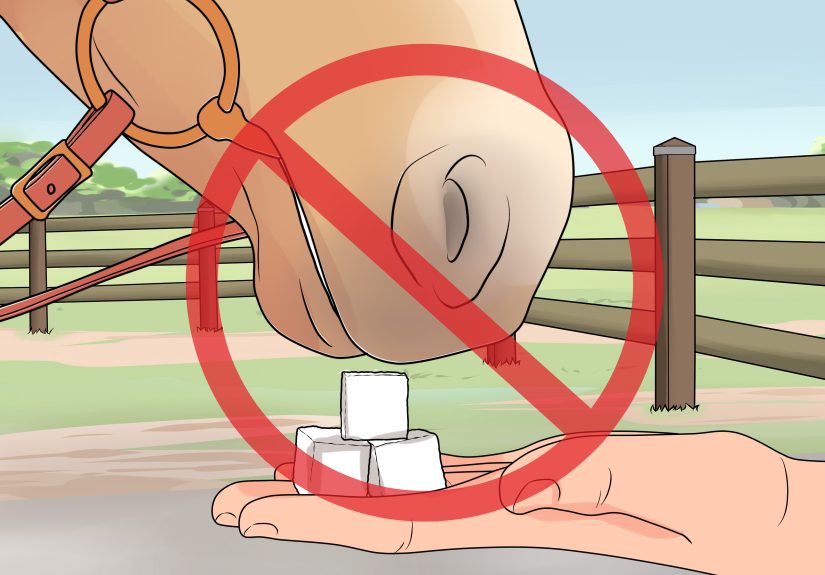
Never offer a carrot piece with pinched fingertips sticking out like bait. That is how people accidentally teach a horse that fingers are part of the buffet. Instead, place the carrot on a flat, open palm with fingers extended and held together. Keep your hand calm and steady. Let the horse take the piece, not snatch it out of the air like it is winning a game show.
Also, keep your body language quiet. Excited squealing, jerky movements, and waving treats around can make even a polite horse get grabby. A horse should receive a treat because it is standing respectfully, not because it successfully mugged you for produce.
Step 6: Feed Small Amounts, Not an All-You-Can-Eat Salad Bar
Moderation is the whole game. A few small carrot pieces are enough for most horses. Think of carrots as a reward or enrichment item, not a side dish at every meal. Overfeeding treats can add extra calories, upset the balance of the diet, and encourage a horse to start expecting snacks as a constitutional right.
This is especially important for easy keepers, ponies, and horses prone to weight gain. If your horse can gain three pounds just by hearing a grain scoop rattle, stay conservative. The horse will survive a modest serving. It may even survive being mildly offended.
Step 7: Watch the Horse Chew and Swallow
Do not feed and immediately wander off as though your work here is done. Watch your horse chew. A horse that struggles with treats may gulp, drop food, chew unevenly, or act oddly after swallowing. If you see coughing, nasal discharge with feed material, repeated stretching of the neck, or distress after eating, stop offering treats and contact a veterinarian. Those can be warning signs of a problem, including choke.
Even if the horse seems fine, observing how it handles carrot pieces gives you useful information. Some horses do beautifully with tiny chunks in a bucket. Others need even smaller pieces. A few are better off with no crunchy treats at all.
Step 8: Use Carrots to Reward Manners, Not Chaos
One of the fastest ways to create bad ground manners is to reward bad behavior by accident. If your horse paws, crowds your space, shoves its nose into your jacket, or performs a dramatic search-and-seizure mission on your treat pocket, do not hand over the carrot. Wait for a calm moment. Feed only when the horse stands quietly with respectful space.
This simple habit turns carrots into a training tool instead of a bribe. You are teaching, “Good things happen when you are polite,” not, “Excellent work head-butting my elbow; here is a vegetable.” Over time, this matters a lot.
Step 9: Adjust for the Individual Horse
No two horses read the same manual. A young, healthy gelding in regular work may handle a few carrot slices with zero fuss. A senior mare with worn teeth may need very tiny pieces or softer alternatives approved by her vet. A horse with metabolic problems may need carrots restricted sharply or eliminated. A barn with multiple horses may require extra care so one dominant horse does not inhale everyone else’s treats in a single life choice.
In other words, do not treat “horses” like one giant orange-loving species with identical needs. Watch the individual. Safe horse feeding is always more personal than people think.
Step 10: Keep Carrots in Their Proper Place
The safest and smartest long-term habit is to remember that carrots are an occasional extra. They are not a replacement for forage, turnout, dental care, hydration, or a proper feeding plan. If your horse seems ravenous, that is not a cue to dump more carrots into the equation. It is a cue to look at the broader diet, workload, and management program.
Used wisely, carrots are a small, cheerful addition to horse care. Used carelessly, they can create surprisingly large problems. Keep the relationship clear: your horse gets carrots because you are thoughtful, not because the carrot is somehow essential to its emotional well-being. Though, to be fair, your horse may strongly disagree.
Common Mistakes People Make When Feeding Horses Carrots
Giving Whole Large Carrots
This is the classic mistake. Whole large carrots may look convenient, but convenience is not a safety protocol. Cut them up.
Feeding Too Many Treats Every Day
A horse can love carrots and still not need them constantly. Daily overfeeding can contribute to obesity and poor feeding habits.
Ignoring Health Conditions
A horse with metabolic disease, laminitis risk, or a history of choking should never be treated like a generic healthy horse. “But he likes them” is not a medical plan.
Rewarding Pushy Behavior
If your horse gets carrots when it crowds, nips, or mugs, that behavior gets stronger. Horses repeat what works. This is not sass; this is learning theory in a very large body.
Assuming All Hand-Feeding Is Harmless
Hand-feeding is not automatically wrong, but it must be done carefully. Flat palm, calm horse, clear boundaries, and small pieces. Anything less, and your fingers are volunteering for a role they did not audition for.
When You Should Skip Carrots Entirely
There are situations where the best move is simply not feeding carrots. Skip them or get veterinary guidance first if your horse:
- Has equine metabolic syndrome, insulin resistance, or laminitis risk
- Has a history of choke or bolts food
- Has significant dental problems or struggles to chew treats
- Is on a strict weight-control program
- Becomes aggressive or dangerously mouthy around treats
- Is recovering from serious illness or a special feeding program
Sometimes the kindest thing is not giving the treat. Good horse care is not measured by how many snacks you hand out. It is measured by whether your choices fit the horse in front of you.
Experience From the Barn: What Feeding Carrots Really Teaches You
The funny thing about feeding horses carrots is that it often starts as a tiny moment and turns into a lesson on horsemanship. Most people imagine it will be simple: horse sees carrot, horse eats carrot, human feels adored. That part does happen. But what usually follows is a much clearer education in manners, timing, body language, and the absolute creativity of horses when food is involved.
I have seen one calm school horse take a carrot slice from a flat palm with the delicate precision of a librarian turning a page. I have also seen a chunky pony spot a crinkling produce bag from thirty feet away and march over with the confidence of a tax collector. Same vegetable. Very different emotional energy.
One of the most useful experiences owners have is realizing how quickly horses learn patterns. Feed a carrot only when your horse stands quietly, and you often get a calmer, more patient animal. Feed a carrot every time your horse bumps your shoulder, rummages through your jacket, or follows you like a four-legged detective, and suddenly you have built a mugging machine in a halter. The horse is not being mean. It is simply becoming excellent at the system you created.
Another lesson comes from older horses. A senior horse may still light up at the sight of a carrot, but that does not mean it can handle big crunchy chunks safely. Watching an older horse chew more slowly makes many owners rethink the casual way they used to toss treats. You learn to cut smaller pieces, wait longer, and pay attention. In a quiet way, feeding carrots becomes a reminder that good care lives in details.
Then there is the confidence side of things. For nervous new horse owners, offering a treat can feel intimidating at first. Horses are big. Their lips are surprisingly talented. Their teeth are even more memorable. But once someone learns to use a flat palm, keep boundaries, and stay calm, feeding a carrot can become a nice trust-building ritual. Not magical, not cinematic, just a small shared habit that feels pleasant and safe.
Perhaps the biggest experience-related truth is this: horses do not need us to be dramatic; they need us to be consistent. The best carrot-feeders are not the people who bring the most treats. They are the people who remember which horse needs tiny pieces, which horse should use a bucket, which one cannot have carrots at all, and which one will absolutely attempt grand larceny if given the opportunity. That kind of awareness is what separates a cute moment from solid horse management.
So yes, feeding a horse carrots can be fun. It can also sharpen your eye, improve your timing, and teach you a surprising amount about behavior and health. That is not bad for one orange root vegetable.
Final Thoughts
If you want the short version, here it is: feed carrots thoughtfully, not casually. Pick fresh carrots, cut them into small pieces, keep portions modest, reward calm manners, and be extra cautious with horses that have dental, metabolic, or choke-related concerns. The carrot itself is not the problem. The method is everything.
Done well, feeding carrots is a simple, cheerful part of horse care. Done badly, it can encourage rude behavior or create unnecessary risk. Horses make many activities look easy right up until they remind you they are giant animals with strong opinions and a serious interest in snacks. Respect that, and you and your horse can enjoy the occasional carrot without turning the barn aisle into a produce-fueled negotiation.