Table of Contents >> Show >> Hide
- Before You Start: A Quick Country Dance Cheat Sheet
- Step 1: Find the Beat (Yes, Even if You “Have No Rhythm”)
- Step 2: Learn the Country Two-Step Timing (Your New Best Friend)
- Step 3: Add DirectionTravel Like You Belong There
- Step 4: Build a Comfortable Partner Frame (No Death-Grip Allowed)
- Step 5: Master the Basic Turn (Because Spins Are the Fun Part)
- Step 6: Learn 3 “Universal” Line Dance Moves (So You Can Fake It Politely)
- Step 7: Know Where to Stand (Dance Floor Etiquette That Saves Lives)
- Step 8: Add a Little Country Swing Energy (Without Getting Airborne)
- Step 9: Match the Dance to the Song (Your Secret Weapon)
- Step 10: Make It Yours (Tasteful Flavor Beats Chaos)
- Common Beginner Mistakes (And How to Fix Them Fast)
- A Quick Practice Plan (20 Minutes, No Embarrassment Required)
- Conclusion: Country Dancing Is a Skill, Not a Mystery
- Extra: Real-World “Experiences” You’ll Recognize the Moment You Hit the Dance Floor
Country music has a special power: it can make complete strangers smile at each other, clap on the same beat,
and (occasionally) attempt a spin that ends in a polite apology and a laugh. The good news? You don’t need to
be a professional danceror own a hat with its own zip codeto look comfortable on a country dance floor.
You just need a few foundational steps, a little rhythm awareness, and the confidence to keep moving even
when your feet briefly forget their job description.
This guide breaks down how to dance to country music into ten doable steps you can practice
in your kitchen, your living room, or anywhere you can safely avoid punt-kicking a coffee table. You’ll learn
the essentials of country two-step, beginner-friendly line dancing habits,
and a taste of country swingplus real-world etiquette so you don’t become “that person”
who stops in the fast lane like it’s a scenic overlook.
Before You Start: A Quick Country Dance Cheat Sheet
1) Country dancing is mostly “traveling” or “in place”
On a typical dance floor, some dances move around the room (like Texas two-step and
country waltz), while others stay mostly in one spot (like many line dances and some swing
patterns). Knowing the difference is half the battleand 90% of avoiding collisions.
2) Shoes matter more than you think
You want shoes that let you pivot without sticking. Boots can work great if the sole isn’t super rubbery.
Sneakers with lots of grip can feel like dancing with Velcro on your feetfine for learning basics, but
tougher for smooth turns. Whatever you wear, prioritize comfort and stability.
3) Consent is always in style
Partner dancing includes handholds, frame, and occasional closeness. Always be respectful: offer a hand,
don’t yank, and if someone declines a dance, smile and move on like the adult you are.
Step 1: Find the Beat (Yes, Even if You “Have No Rhythm”)
Start simple: listen for the steady pulsethe thing your head naturally nods to. Many country songs have a
clear “walking” beat. Tap one foot on every beat for a few measures. When that feels steady, try clapping
on beat 2 and 4 (the “backbeat” you hear in tons of modern country). If you can do that without speeding up,
congratulations: you officially have rhythm. The rumor that you don’t was started by your middle school gym
class and should not be trusted.
- Practice tip: Count out loud: “1, 2, 3, 4” and keep it boringly consistent.
- Common mistake: Clapping to the singer instead of the beat. Singers love drama; beats love consistency.
Step 2: Learn the Country Two-Step Timing (Your New Best Friend)
The country two-step is the bread and butter of country partner dancing. The most common
feel is often described as “quick, quick, slow, slow”. Don’t overthink the wordsthink
of it as two smaller steps and two longer steps.
Try this solo drill:
quick (step), quick (step), slow (step), slow (step).
Keep your steps small and smooth. You’re not marching to waryou’re gliding toward fun.
- Goal: Move smoothly without bouncing.
- Shortcut: Imagine holding a full cup of sweet tea. No splashing.
Step 3: Add DirectionTravel Like You Belong There
Two-step is usually danced while traveling around the floor in a counterclockwise flow (often called the
“line of dance”). If you’ve ever driven behind someone going 12 mph under the speed limit in the left lane,
you already understand why this matters.
For beginners: stay in an inner lane and keep your steps compact. You’ll look more confident taking smaller,
controlled steps than taking huge steps that scream, “I’m new and my feet are negotiating terms.”
Mini drill: The “invisible track”
Pick a gentle curve in your room (or imagine one) and travel along it while keeping the quick-quick-slow-slow
timing. Your shoulders stay relaxed. Your hips move naturally. Your face says, “I’m having a good time,” even
if your brain is counting like it’s doing taxes.
Step 4: Build a Comfortable Partner Frame (No Death-Grip Allowed)
In partner dancing, “frame” means how you hold your arms and upper body so you can communicate clearly.
Good frame is supportive, not stiff. Think: “connected,” not “wrestling audition.”
- Hands: Light connection. If your partner’s fingers turn white, you’re holding too tight.
- Elbows: Soft benddon’t lock them.
- Posture: Tall spine, relaxed shoulders, chest open.
- Distance: Comfortable personal space; adjust based on venue and consent.
The magic of country partner dancing isn’t brute forceit’s clear signals and mutual balance.
Step 5: Master the Basic Turn (Because Spins Are the Fun Part)
Once you can travel and keep timing, the next crowd-pleaser is a simple underarm turn. The leader offers a
raised hand (like a doorway), and the follower turns underneath. The leader’s job is to guide, not launch.
The follower’s job is to pivot smoothly, not sprint.
Turn safety checklist
- Keep it small: Tiny pivots look cleaner than big, wobbly steps.
- Spot lightly: Focus your eyes on a point as you turn to reduce dizziness.
- Finish balanced: End the turn with weight controlled, ready to continue the basic.
Step 6: Learn 3 “Universal” Line Dance Moves (So You Can Fake It Politely)
Line dancing can look intimidating because everyone seems to know the choreography except you.
Here’s the secret: many line dances are built from a shared vocabulary. If you learn a few common moves,
you’ll recognize pieces of tons of dances.
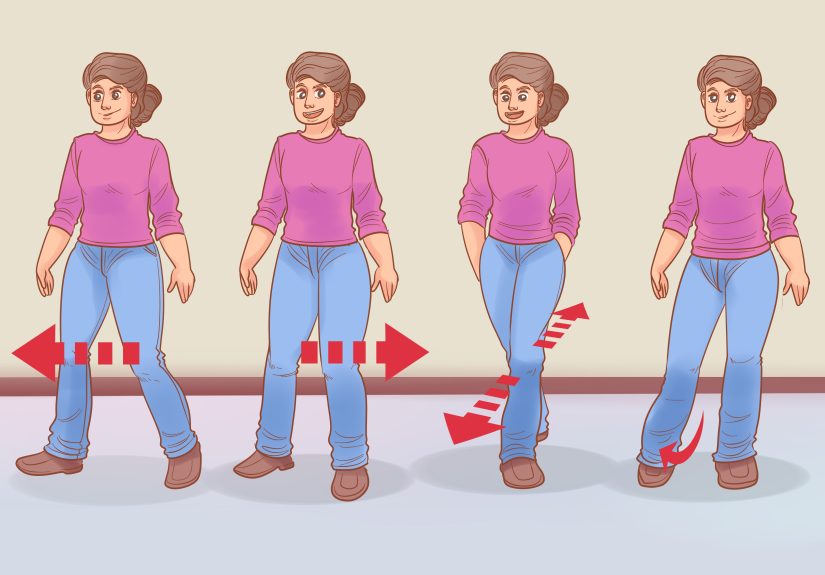
The Grapevine
Step to the side, cross behind, step to the side, tap (or step). Repeat the other direction. Keep it tidy.
This is not the time for interpretive lunges.
The Shuffle
A quick triple step that travels slightly: step-close-step. It’s small, rhythmic, and shows up everywhere.
The Rock Step
Shift weight back, then forward (or forward, then back). It’s a simple way to change direction without
losing the beat.
Put these together and you’ll survive a surprising number of beginner line dances with dignity intact.
Step 7: Know Where to Stand (Dance Floor Etiquette That Saves Lives)
Here’s how to avoid becoming a human traffic cone:
- Traveling dances (two-step, waltz): Move counterclockwise around the floor.
- Beginners: Stick to the inner lane and keep steps smaller.
- Line dances: Often claim the center; keep your lines neat and be aware of space.
- If you bump someone: A quick “Sorry!” and keep going. Everyone’s there to have fun.
- Don’t stop in traffic: If you need to fix a shoe or regroup, move toward the center or edge.
Good etiquette makes you instantly more welcome in any honky-tonk, dance hall, or country barno fancy footwork required.
Step 8: Add a Little Country Swing Energy (Without Getting Airborne)
Country swing is popular because it’s playful, social, and adapts to lots of upbeat songs.
Many beginner swing patterns use a compact rhythm feel that can be counted in short phrases. The biggest
beginner win is learning to stay grounded: knees soft, steps under your body, and connection at a comfortable height.
A beginner-friendly swing concept: “stay centered”
When you turn, you don’t fling your weight away from your partner. You rotate around your own center.
This is the difference between “smooth swing” and “we almost took out the nacho table.”
Step 9: Match the Dance to the Song (Your Secret Weapon)
Not every country song wants the same dance. Use tempo and vibe as your guide:
- Mid-to-faster songs: Often feel great for two-step or energetic line dances.
- Slow, romantic songs: Often suit a smooth two-step feel, gentle sways, or a waltz-like vibe if it’s in three.
- Bouncy, playful tracks: Can work well for swing-inspired movement (kept controlled in crowded spaces).
When in doubt: keep it simple, stay on beat, and prioritize not colliding with other humans. That’s a winning strategy in any genre.
Step 10: Make It Yours (Tasteful Flavor Beats Chaos)
Once your basics feel steady, sprinkle in personality. The key word is sprinkle, not “dump the entire spice rack.”
Add subtle style:
- Foot accents: A light toe tap or controlled pause on a lyric you love.
- Body tone: Relaxed shoulders, easy smile, confident posture.
- Musicality: Take smaller steps in quieter verses, open up slightly on bigger choruses.
Country dancing is social. The goal isn’t to “win.” The goal is to look like you’re enjoying yourselfbecause you are.
Common Beginner Mistakes (And How to Fix Them Fast)
Taking steps that are too big
Big steps create balance issues and floor collisions. Fix it by keeping your steps under your hips and focusing on smooth weight shifts.
Holding too tight
Partner connection should feel like a friendly handshake, not a rescue mission. Relax your hands; use your body position and timing instead.
Rushing the beat
Beginners often speed up during turns. Practice turning slower than you think you need. Clean timing always looks more advanced.
Stopping mid-floor to “figure it out”
If you get lost in a line dance, keep the beat with small steps in place and rejoin when you recognize the pattern. If you must stop, step out of traffic first.
A Quick Practice Plan (20 Minutes, No Embarrassment Required)
- 5 minutes: Find the beat. Count “1-2-3-4” and clap lightly on 2 and 4.
- 5 minutes: Quick-quick-slow-slow basics traveling in a gentle curve.
- 5 minutes: Grapevine + shuffle + rock step combo (slow and controlled).
- 5 minutes: Practice a simple turn patternstart tiny, stay balanced.
Do this a few times a week and you’ll feel dramatically more comfortable the next time country music comes onwhether that’s at a wedding, a bar, or your own kitchen.
Conclusion: Country Dancing Is a Skill, Not a Mystery
If you remember only three things, make them these: stay on beat, keep steps small, and
be a good dance-floor citizen. Master the country two-step timing, learn a few universal line dance moves,
and treat partner connection like a conversation instead of a tug-of-war. The rest comes from repetitionand letting yourself
have fun while you learn.
The best part? Country dance culture tends to reward effort. Show up, be respectful, laugh when you mess up, and keep moving.
That’s how people go from “I don’t dance” to “Okay fine, one more song.”
Extra: Real-World “Experiences” You’ll Recognize the Moment You Hit the Dance Floor
The first time you walk into a country bar or dance hall, you’ll probably have a brief moment of panic where you wonder if there’s
a secret handshake. There isn’t. There is, however, a secret facial expression everyone learns: the friendly half-smile that says,
“I’m doing my best and I’m not mad about it.” Put that on. It pairs well with denim and humility.
Experience #1: You’ll pick a spot on the floor and instantly realize you chose poorlylike sitting in the splash zone at SeaWorld,
except the splash is other people’s spinning boots. This is normal. The fix is simple: drift toward the inner lane if you’re two-stepping,
or find a clean pocket of space if a line dance is happening. You’ll learn to read the room the same way you read traffic: follow the flow,
don’t block intersections, and never assume you’re invisible.
Experience #2: Someone will ask you to dance and your brain will try to leave your body. Your mouth will say “Sure!” while your feet whisper,
“We don’t know the steps.” Here’s what happens next in real life: you start with something simple, keep your steps small, and focus on staying on beat.
If your partner is experienced, they’ll usually adjust to you. If they’re also learning, you’ll both laugh and accidentally invent a new dance called
“Two-Step-ish.” Either way, you win, because you’re out there doing it.
Experience #3: Line dancing will feel like trying to join a conversation halfway through a movie. Everyone turns at the same time and you’ll think,
“Oh, we’re facing that direction now.” The trick is not to freeze. Keep a basic step going in place and watch the feet of someone near you
(politely, like a student, not like a foot detective). Rejoin on the next obvious momentusually after a turn or a clap section. You don’t need to be perfect;
you need to be moving and not colliding.
Experience #4: You’ll discover that “spins” are mostly about patience. Beginners try to spin fast because they think speed equals skill. On a crowded floor,
speed equals chaos. The most impressive dancers often look slownot because they’re actually slow, but because they’re controlled. When you practice turns,
you’ll notice a weird improvement: the calmer you stay, the better your turn looks. It’s like the dance version of not yelling in an argument.
Experience #5: You’ll learn the social rules without anyone giving a lecture. Someone will gently steer you away from the fast lane. A stranger might offer
a quick tip. You’ll see people apologize after tiny bumps and then keep smiling. Country dance scenes often run on friendly micro-manners: a nod, a “my bad,”
a hand offered for a turn, a respectful distance maintained when needed. If you match that energy, you’ll feel like you belong faster than you expect.
And finally, the most universal experience: after a few songs, your brain stops overcounting and you start listening to the music. The lyrics land.
The groove becomes obvious. Your shoulders drop. You realize you’re not “performing”you’re just dancing. That moment is the whole point.
It’s why people keep coming back, even when they occasionally step on their own toes (which, to be fair, is a talent).