Table of Contents >> Show >> Hide
- Why Parents Say No to Getting a Cat
- How to Convince Your Parents to Get You a Cat: 14 Steps
- Step 1: Learn What Cat Ownership Really Means
- Step 2: Find Out Your Parents’ Real Concerns
- Step 3: Make a Cat Care Plan
- Step 4: Build a Realistic Cat Budget
- Step 5: Prove You Can Handle Daily Responsibilities
- Step 6: Explain the Benefits of Having a Cat
- Step 7: Suggest Adopting from a Shelter or Rescue
- Step 8: Prepare an Allergy Plan
- Step 9: Solve the Litter Box Problem Before It Becomes One
- Step 10: Protect the Furniture with a Scratching Plan
- Step 11: Create a Safe Home Setup
- Step 12: Discuss Veterinary Care Like a Responsible Owner
- Step 13: Offer a Trial Through Fostering or Cat-Sitting
- Step 14: Accept Their Answer Maturely and Keep Building Trust
- Common Mistakes to Avoid When Asking for a Cat
- Sample Cat Proposal You Can Give Your Parents
- Real-Life Experiences: What Actually Helps Parents Say Yes
- Conclusion
So, you want a cat. Not just “cats are cute on the internet” want. You want the full package: the tiny paws, the sleepy loaf position, the dramatic side-eye, and the mysterious 3 a.m. hallway sprint that sounds like a tiny horse wearing tap shoes. But there is one furry little obstacle standing between you and your dream cat: your parents.
Convincing your parents to get you a cat is not about begging until everyone in the house loses the will to live. It is about showing maturity, planning ahead, and proving that you understand a cat is not a decorative pillow with whiskers. A cat needs food, water, a clean litter box, veterinary care, safe space, toys, scratching options, attention, and a responsible human who does not disappear when the litter box becomes “less adorable.”
This guide explains how to convince your parents to get you a cat in 14 realistic steps. You will learn how to prepare a strong argument, handle common parent concerns, create a care plan, discuss costs, suggest adoption, and prove you are ready for the long-term responsibility. Think of this as your “Operation Cat Approval” handbook. Clipboard optional. Cat ears not required.
Why Parents Say No to Getting a Cat
Before you start your campaign, understand this: most parents are not saying no because they hate happiness. They usually have practical concerns. Cats can live for many years, and your parents may worry about money, allergies, furniture damage, vacation care, litter box smells, vet bills, or whether you will still be excited after the novelty wears off.
The best way to convince your parents is to take those concerns seriously. Do not treat their worries like background noise. If they say, “Who will clean the litter box?” the correct answer is not, “The cat will learn responsibility.” Cats are many things, but they are not unpaid housekeeping interns.
How to Convince Your Parents to Get You a Cat: 14 Steps
Step 1: Learn What Cat Ownership Really Means
Start by researching basic cat care. A cat needs daily feeding, fresh water, a clean litter box, safe toys, scratching surfaces, grooming, regular veterinary care, and a calm place to rest. Indoor cats also need enrichment, such as climbing spaces, playtime, and windows where they can supervise the neighborhood like tiny furry security guards.
When you talk to your parents, use real information instead of just saying, “Cats are easy.” Cats may be more independent than some pets, but they are not maintenance-free. Showing that you understand this helps your parents see that you are thinking like a future pet owner, not just a person emotionally manipulated by kitten videos.
Step 2: Find Out Your Parents’ Real Concerns
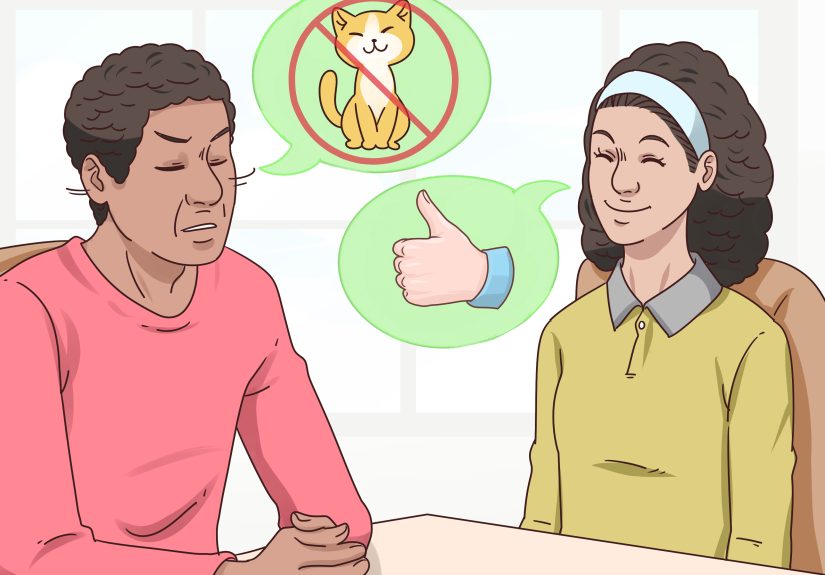
Ask your parents calmly why they do not want a cat. Their answer matters. If they are worried about allergies, your plan should include cleaning routines and possibly keeping the cat out of certain rooms. If they worry about costs, prepare a budget. If they worry about scratched furniture, research scratching posts, nail trimming, and training strategies.
Do not interrupt or argue immediately. Listen first. A mature response sounds like, “I understand why that worries you. Can I make a plan that addresses it?” That sentence is much more powerful than “But everyone else has a cat,” which is the official national anthem of losing an argument with parents.
Step 3: Make a Cat Care Plan
Create a written plan that explains exactly how you will care for the cat. Include feeding times, litter box cleaning, playtime, grooming, and who will handle each task. A care plan turns your request from a wish into a proposal.
For example, you could write: “I will feed the cat before school and after dinner, scoop the litter box every evening, refill water daily, brush the cat twice a week, and play with the cat for at least 15 minutes after homework.” Specific details make your parents more likely to trust you.
Step 4: Build a Realistic Cat Budget
Money is one of the biggest reasons parents say no. Cats need food, litter, bowls, a litter box, scratching posts, toys, a carrier, vet visits, vaccines, parasite prevention, and emergency savings. Adoption fees may also apply, though they often include important services such as spay or neuter surgery, basic vaccines, or microchipping depending on the shelter.
Make a simple budget with startup costs and monthly costs. Offer to contribute with allowance, part-time work, birthday money, or extra chores if that is realistic in your family. Do not promise to pay for everything unless you truly can. A believable plan is better than a heroic financial speech that collapses the first time cat litter goes on sale.
Step 5: Prove You Can Handle Daily Responsibilities
Parents often want evidence, not speeches. Before asking again, spend two or three weeks proving you can handle regular duties without reminders. Make your bed, finish homework, clean your room, help with dishes, take out trash, or complete chores consistently.
The goal is simple: show your parents that you can be trusted with boring tasks. Pet care includes many sweet moments, but it also includes scooping litter and cleaning hair from places where hair has no business being. If you can handle regular responsibilities now, your parents may believe you can handle cat care later.
Step 6: Explain the Benefits of Having a Cat
Cats can bring comfort, companionship, routine, and joy to a home. Many people enjoy cats because they are affectionate but often do not need constant attention. A cat can be a quiet companion while you study, read, or relax. Some cats are playful comedians. Others are professional nap consultants.
When explaining the benefits, avoid exaggeration. Do not claim a cat will solve every problem in the household. Instead, say something balanced: “I know a cat is a responsibility, but I think having one would help me build routine, patience, and empathy while also giving our family a loving companion.” That sounds thoughtful, not dramatic.
Step 7: Suggest Adopting from a Shelter or Rescue
Adoption can be a strong point in your argument. Shelters and rescue organizations often have cats of different ages, personalities, and energy levels. An adult cat may even be a better fit for some families because its personality is usually more predictable than a kitten’s. Kittens are adorable, yes, but they also come with chaos settings permanently switched to “confetti tornado.”
Offer to research local shelters, adoption requirements, and available cats. You can also suggest meeting cats first instead of making an instant decision. This shows your parents you care about finding the right match, not just grabbing the first fluffy creature who blinks at you.
Step 8: Prepare an Allergy Plan
If anyone in your family has allergies, take this seriously. Cat allergies are commonly related to dander and proteins from saliva and skin. You can suggest practical steps such as keeping the cat out of bedrooms, washing hands after petting, cleaning regularly, using washable blankets, vacuuming often, and asking a doctor for advice if allergies are a real concern.
Do not say, “We will just get a hypoallergenic cat,” as if you have discovered a magical sneeze-proof unicorn. Some cats may trigger fewer symptoms for certain people, but no plan should ignore allergies. A responsible approach shows your parents you care about the whole family’s comfort.
Step 9: Solve the Litter Box Problem Before It Becomes One
The litter box is where many parent objections go to sharpen their claws. Be ready with a plan. Cats generally need a quiet, accessible litter box away from food and water. It should be scooped daily to reduce odor and keep the cat comfortable. Some experts recommend one litter box per cat, plus one extra, especially in multi-cat homes.
Tell your parents where the litter box could go, how often you will clean it, what supplies you will use, and how you will prevent smells. You might say, “I will scoop it every day after dinner and do a full clean on schedule.” Then actually do it if you get the cat. This is the part where your future credibility lives or dies.
Step 10: Protect the Furniture with a Scratching Plan
Cats scratch. It is natural behavior, not a personal attack on your parents’ sofa. Scratching helps cats stretch, mark territory, and maintain their claws. The solution is not to expect the cat to become a polite little accountant. The solution is to provide scratching posts, pads, and acceptable surfaces in the right places.
Explain that you will set up scratching posts near resting spots and areas where the cat may want to scratch. You can also use positive reinforcement, toys, and redirection. Promise that you will not punish the cat for being a cat. You will guide the behavior instead.
Step 11: Create a Safe Home Setup
Before a cat comes home, the house needs basic preparation. This includes putting away toxic foods, securing loose cords, checking screens and windows, moving fragile objects, and creating a quiet starter room with food, water, bedding, toys, scratching options, and a litter box. New cats often feel safer when they begin in one calm room before exploring the entire house.
Include this in your proposal. Your parents may appreciate that you are thinking beyond the exciting adoption day. A good transition plan can reduce stress for both the cat and the humans who are suddenly living with a small animal that may choose to hide under a bed for six hours and judge everyone silently.
Step 12: Discuss Veterinary Care Like a Responsible Owner
A cat needs veterinary care, including wellness exams, vaccinations, parasite prevention, and spay or neuter planning if not already done. Microchipping is also helpful because it gives a lost cat a better chance of being identified if found by a shelter or clinic.
Tell your parents that you understand vet care is not optional. Ask what local veterinary clinic your family would use, and include estimated costs in your budget. This step is important because parents often worry that the “cheap pet” idea becomes expensive the moment the cat needs medical care.
Step 13: Offer a Trial Through Fostering or Cat-Sitting
If your parents are unsure, suggest a trial. Some families start by fostering through a shelter or rescue, while others cat-sit for a trusted friend or relative. This can help everyone learn what living with a cat feels like before making a long-term commitment.
Fostering is still a serious responsibility, and your parents must agree to the rules of the rescue organization. But it can be a practical way to test allergies, routines, cleaning habits, and household comfort. It also gives you a chance to prove that you will not vanish when the food bowl needs washing.
Step 14: Accept Their Answer Maturely and Keep Building Trust
Even after your best presentation, your parents may still say no. That is disappointing, but your reaction matters. If you yell, slam doors, or declare that nobody understands your soul except cats, you may accidentally prove their point. Stay calm.
Ask if you can revisit the conversation later. You might say, “I understand. Can I keep showing responsibility and talk about it again in a few months?” This keeps the door open. Sometimes convincing parents is not one big speech. It is a long-term demonstration that you are ready.
Common Mistakes to Avoid When Asking for a Cat
Do Not Beg Without a Plan
Begging may show enthusiasm, but it does not show readiness. Replace “Please, please, please” with a care plan, budget, and solution list. Parents respond better when they see thoughtfulness.
Do Not Hide Costs
Never pretend a cat will cost almost nothing. Food, litter, vet visits, and supplies add up. Being honest about money makes your argument stronger, not weaker.
Do Not Promise Perfection
Do not say, “I will never forget anything.” You are human. Instead, create reminders, checklists, and routines. A realistic system is more trustworthy than a perfect promise.
Do Not Surprise Your Parents with a Cat
Bringing home a cat without permission is not romantic or clever. It creates stress for your family and the animal. A cat deserves a prepared, stable home where everyone understands the commitment.
Sample Cat Proposal You Can Give Your Parents
Here is a simple example you can adapt:
“I would like our family to consider adopting a cat. I understand that a cat is a long-term responsibility, not just something cute to play with. I made a care plan and budget so we can talk about the real details. I will feed the cat daily, clean the litter box every evening, help with grooming, and make sure the cat has playtime and scratching posts. I also researched adoption, vet care, allergies, and furniture protection. If you are not ready to adopt, I would be open to cat-sitting or fostering first so we can see how it works for our family.”
This kind of proposal sounds calm, prepared, and respectful. It gives your parents something real to discuss instead of forcing them to respond to pure emotion.
Real-Life Experiences: What Actually Helps Parents Say Yes
Many people who successfully convince their parents to get a cat do not win with one dramatic speech. They win by becoming the kind of person their parents can imagine caring for a pet. The biggest lesson is that parents often watch actions more closely than words. You may think your strongest argument is, “I love cats so much,” but your parents may be more impressed when you clean your room without being asked, remember your homework, and help around the house consistently.
One realistic experience looks like this: a teenager wants a cat, but their parents worry the litter box will smell. Instead of arguing, the teenager researches litter box placement, daily scooping, odor control, and cleaning schedules. They make a chart and offer to handle the job every night after dinner. For a month, they also take on another unpleasant household chore without complaint, such as taking out trash. By the time they ask again, their parents have seen proof that they can handle tasks that are not fun. That proof matters.
Another common experience involves allergies. A family may not know whether a cat will trigger symptoms. Instead of ignoring the problem, the hopeful future cat owner suggests visiting a shelter, spending time around cats, washing hands afterward, and discussing symptoms honestly. They may also offer to keep the cat out of bedrooms and help with extra cleaning. This does not guarantee a yes, but it shows care for the whole family, not just personal desire.
Some families start with fostering. Fostering can be emotional because the cat may eventually go to another home, but it teaches real pet care fast. You learn that cats have different personalities. Some are cuddly on day one; others need time. Some love toys; others prefer a cardboard box that cost zero dollars and has apparently achieved five-star luxury status. Through fostering, parents can see how the household adjusts. They can also see whether the person asking for a cat actually keeps up with feeding, cleaning, and gentle socialization.
There are also experiences where the answer is no for now, and that is not the end of the story. Maybe the family is moving, money is tight, a sibling has allergies, or the schedule is too busy. In that case, the best move is patience. Keep learning, volunteer at a shelter if allowed, help a neighbor with pet care, or save money for future expenses. Sometimes the most convincing thing you can do is respect the first answer and continue proving responsibility over time.
The real secret is this: convincing your parents to get you a cat is less about “winning” and more about earning trust. A cat is a living animal with needs, moods, medical expenses, and a long life ahead. When your parents see that you understand the serious parts as much as the cute parts, your request becomes much stronger. And if the day finally comes when a cat walks into your home, you will be ready for the purring, the playtime, the responsibility, and yes, the occasional judgmental stare from the top of the bookshelf.
Conclusion
Convincing your parents to get you a cat takes patience, honesty, and preparation. The best approach is not begging, guilt-tripping, or sending them 400 kitten videos in a row. It is showing that you understand the real responsibilities of cat ownership and that you are ready to help with daily care, costs, cleaning, safety, and long-term commitment.
Start by listening to your parents’ concerns. Then answer those concerns with a thoughtful plan. Build a budget, create a cleaning schedule, research adoption, prepare for vet care, and prove your reliability through everyday actions. Whether your parents say yes now, later, or not yet, you will have shown maturity. And that is the kind of behavior that makes a future cat parent worth trusting.