Table of Contents >> Show >> Hide
- Why Wool Rugs Need Special Care
- What You Need Before You Start
- How to Clean a Wool Rug as Part of Regular Maintenance
- How to Deep Clean a Wool Rug at Home
- How to Spot Clean Common Wool Rug Stains
- What Not to Do When Cleaning a Wool Rug
- When to Call a Professional Rug Cleaner
- Experience-Based Tips: What People Learn the Hard Way About Cleaning Wool Rugs
- Conclusion
A wool rug can make a room look polished, cozy, and just a little bit expensive in the best possible way. It can also become a magnet for dust, crumbs, mystery footprints, and the occasional coffee incident that arrives like an uninvited guest. The good news is that wool is naturally durable and surprisingly forgiving. The less-fun news is that it does not enjoy being cleaned like a synthetic rug. Too much water, harsh cleaners, aggressive scrubbing, or a hot drying session can turn a beautiful rug into a lesson in regret.
If you want to know how to clean a wool rug without shrinking it, dulling the color, or making the fibers grumpy, the trick is simple: go gentle, go patient, and do not treat it like your bathroom mat. Below, you will find a practical, in-depth guide to routine care, deep cleaning, stain removal, drying, and the classic mistakes that make rug owners stare silently into the middle distance.
Why Wool Rugs Need Special Care
Wool is a natural fiber, and that is exactly why people love it. It feels soft, holds color beautifully, and stands up well to everyday use. It also has a natural coating called lanolin that helps resist some dirt and spills. But natural fiber comes with rules. Wool absorbs moisture more easily than many synthetic materials, dries more slowly, and can react badly to bleach, strong alkaline cleaners, high heat, or rough agitation.
That means the best wool rug cleaning routine is not dramatic. It is steady. Think regular vacuuming, quick attention to spills, low-moisture cleaning, and fast drying. Your rug does not need a chemical attack. It needs a calm, competent adult.
What You Need Before You Start
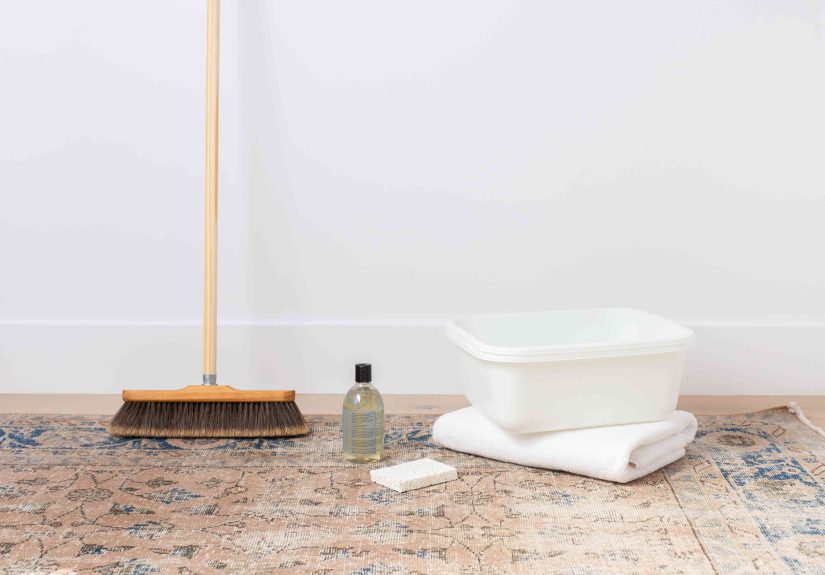
Before cleaning a wool area rug, gather a few basics:
- Vacuum with gentle suction or an upholstery attachment
- Soft-bristled brush or sponge
- Clean white towels or microfiber cloths
- Bucket of cool or cold water
- Wool-safe detergent or mild, non-bleach cleaner
- Dry carpet shampoo or baking soda for refresh jobs
- Tarp or drop cloth
- Fan, open windows, or a sunny, breezy outdoor space for drying
One more thing: always check the care label first. If the rug is antique, hand-knotted, vividly dyed, silk-blend, Persian, Oriental, or especially valuable, you may want to skip the DIY heroics and call a professional rug cleaner from the beginning.
How to Clean a Wool Rug as Part of Regular Maintenance
Vacuum It the Smart Way
The easiest way to keep a wool rug clean is to stop dirt from settling deep into the pile. Vacuum regularly, especially in high-traffic rooms. Use low suction or a canister-style setup when possible, and avoid beating up delicate fibers with an overly aggressive brush roll. If your rug has fringe, vacuum from the center toward the edge rather than dragging the fringe into the machine like it owes you money.
Flip the rug and vacuum the back, too. Dust and grit often hide underneath, and that hidden grit can slowly wear down the fibers with every footstep.
Shake or Beat Out Dry Dirt
If the rug is small enough to move, take it outside and give it a good shake. For a deeper refresh, drape it over a railing or sturdy chairs and gently beat it with a broom handle or rug beater. This old-school method still works because wool fibers can trap a surprising amount of dry soil. It is a little dusty, slightly theatrical, and oddly satisfying.
Deodorize Without Drenching
If the rug smells a little stale but is not actually dirty, skip the wet cleaning and go dry. Sprinkle a light layer of baking soda over the rug, let it sit for 30 minutes to several hours, then vacuum thoroughly. This is a good move for mild odors and general freshening when you do not want to add moisture.
Rotate the Rug
Rotate your wool rug every few months so traffic patterns do not wear down one section faster than another. This also helps prevent fading if one side gets more sunlight. A rug pad underneath helps, too. It reduces crushing, keeps the rug from sliding, and makes vacuuming more effective.
How to Deep Clean a Wool Rug at Home
If your rug looks dingy, feels dusty even after vacuuming, or has the general vibe of “I have seen things,” it may be time for a deeper clean. Here is how to do it safely.
1. Test for Colorfastness
Before using any cleaner, test a hidden corner. Dampen a white cloth with your cleaning solution and blot the spot. If dye transfers to the cloth, stop there. That rug is raising a red flag, and professional cleaning is the safer choice.
2. Prep the Area
Lay the rug on a tarp or drop cloth, ideally outdoors on a dry day. If you must clean it indoors, protect the floor underneath and make sure the room is well ventilated. Wool rugs do not love staying wet, and neither does your subfloor.
3. Remove Loose Soil First
Vacuum both sides thoroughly. If the rug is portable, shake or beat it outside before you start wet cleaning. Removing dry soil first keeps you from turning dust into mud halfway through the job.
4. Mix a Gentle Cleaning Solution
Fill a bucket with cool or cold water and add a small amount of wool-safe detergent. Do not guess wildly. Follow the product instructions. More soap does not equal more clean. Usually, it just equals more rinsing and more opportunities to leave residue behind.
5. Clean in Small Sections
Dip a sponge or soft brush into the solution, wring it out well, and work on one section at a time. The goal is to dampen the fibers, not soak them. Gently blot or lightly brush in the direction of the nap. Do not scrub aggressively. Wool can pill, fray, distort, or look tired long before you feel like you have “really gotten in there.”
For flatweave wool rugs, be even more conservative with moisture. These rugs can trap water in horizontal fibers, which makes drying slower and problems more likely.
6. Rinse Carefully
Use a second cloth or sponge dampened with clean water to remove leftover detergent. Again, this is a light rinse, not a flood event. Soapy residue attracts dirt, so do not skip this step.
7. Remove Excess Water
Blot the cleaned sections with dry towels. Press firmly to absorb as much moisture as possible. If you have access to a wet-dry vacuum and know how to use it gently, that can help speed the process, but towels are often enough for a careful DIY clean.
8. Dry the Rug Fast
Drying is where many wool rug cleaning attempts go wrong. Hang the rug or lay it flat in a well-ventilated area. Open windows, use fans, and keep air moving. If outdoors, choose a dry, bright day, but avoid leaving the rug baking for too long in harsh direct sun if the dyes seem delicate. Never toss a wool rug into a standard dryer unless the manufacturer specifically says it is safe. That is how rugs become dollhouse accessories.
How to Spot Clean Common Wool Rug Stains
Food and Drink Spills
Blot immediately with a clean white cloth. Do not rub. Rubbing pushes the spill deeper and roughs up the fibers. After blotting, use a small amount of diluted wool-safe detergent and continue blotting. Then blot with plain water to remove residue.
Mud and Dirt
Let mud dry first. Wet mud spreads. Dry mud crumbles. Once it dries, vacuum as much as possible, then use a lightly damp cloth with a gentle cleaner if any stain remains.
Pet Accidents
Blot up the liquid right away. Use a wool-safe cleaner or a very mild vinegar-and-water solution only if your rug’s dyes are stable and the care instructions allow it. Blot, rinse lightly, and dry thoroughly. Strong commercial deodorizers can backfire on wool, so keep it simple.
Grease or Oil
Sprinkle cornstarch or baking soda on the spot and let it sit to absorb the oil. Vacuum it up, then blot with a small amount of gentle detergent solution. This is not the time to go in with a powerful degreaser from under the kitchen sink.
Set-In Stains
If a stain has been hanging around long enough to pay rent, you can try repeated gentle blotting with a wool-safe cleaner. But once a wool rug has old staining, strong dyes, or unknown residue, professional cleaning often gives better results than repeated DIY attempts.
What Not to Do When Cleaning a Wool Rug
- Do not use bleach, strong alkaline cleaners, or harsh stain removers.
- Do not use hot water. Wool can shrink, fade, or distort.
- Do not oversaturate the rug.
- Do not scrub aggressively with a stiff brush.
- Do not leave the rug damp for long periods.
- Do not ignore the care label.
- Do not assume every viral cleaning hack is a good idea.
Yes, snow cleaning can freshen a rug in cold, dry conditions by helping remove surface dust. No, it is not a complete substitute for actual cleaning. It is more of a clever refresh than a miracle.
When to Call a Professional Rug Cleaner
Sometimes the best DIY move is knowing when not to DIY. Call a professional if your wool rug is antique, hand-knotted, Persian, Oriental, silk-blend, heavily stained, color-bleeding, or unusually valuable. Professional rug cleaners can wash, rinse, and dry rugs in controlled conditions that help preserve shape, color, and pile.
You should also bring in help if your rug smells musty after cleaning, stays damp too long, or has pet contamination that keeps resurfacing. Wool holds moisture and residue more than many people expect, and repeated home treatments can make the problem worse.
Experience-Based Tips: What People Learn the Hard Way About Cleaning Wool Rugs
One of the most common experiences people have with wool rugs is underestimating how much dry dirt is hiding inside them. A rug can look perfectly decent from above, then release a small weather system of dust when taken outside and shaken. That surprises first-time owners every single time. The lesson is simple: before reaching for water, remove as much dry soil as possible. A lot of rug “stains” are really just built-up dust mixed with everyday life.
Another lesson usually arrives after somebody scrubs too hard at one stubborn spot. The stain may lighten a little, but now the fibers look fuzzy, flattened, or worn. Wool responds much better to patience than force. People who get the best results tend to work slowly, blot repeatedly, and accept that two or three gentle passes are better than one aggressive cleaning session that leaves a permanent rough patch.
Many households also discover that the drying stage matters more than the washing stage. A lightly cleaned rug that dries quickly often looks great. A perfectly cleaned rug that stays damp for too long can smell off, feel stiff, or show water marks. That is why experienced rug owners plan the drying before they even start the cleaning. They wait for a dry day, gather towels, turn on fans, and make sure the rug will not sit there soaking like a wool sponge with emotional baggage.
Pet owners learn a particularly important version of this rule. If a dog accident or cat mess reaches the backing, surface cleaning may make the rug look fine for a day or two, then the odor sneaks back like it never signed the peace treaty. In those cases, the experience teaches people that appearance and actual cleanliness are not always the same thing. When odor persists, deeper cleaning or professional help is often the real answer.
There is also the issue of shedding. New wool rugs often shed loose fibers, and people sometimes panic, assuming the rug is falling apart. Usually it is not. In many cases, it is just settling in. Gentle vacuuming, done regularly and without an overly rough brush roll, tends to improve the situation over time. Experienced owners learn not to overreact and not to attack the rug with the strongest vacuum setting in the house.
Another practical experience involves color. Bright reds, blues, and richly dyed patterns can be gorgeous, but they deserve caution. People who skip the spot test sometimes regret it quickly. People who test a corner first usually congratulate themselves later. That tiny test can save an entire rug from color bleeding and save you from the very specific heartbreak of creating a pink halo where no pink halo belonged.
Finally, people who live with wool rugs for years often come to the same conclusion: the best cleaning strategy is boring, and that is exactly why it works. Vacuum often. Blot spills fast. Use less water than you think. Dry more thoroughly than you think. Rotate the rug. Use a pad. And every now and then, admit that a professional cleaner is worth every penny. Wool rugs age beautifully when treated with consistency, not chaos. In other words, caring for one is less about dramatic rescue missions and more about steady habits that keep your floor from becoming the most elegant dust trap in the zip code.
Conclusion
If you want your wool rug to stay soft, colorful, and worth showing off, the cleaning approach should always be gentle and deliberate. Vacuum regularly, treat spills fast, use cool water with a wool-safe cleaner, keep moisture under control, and dry the rug quickly. For valuable, antique, or badly stained pieces, professional rug cleaning is usually the smarter choice. A wool rug can handle real life, but it appreciates a little respect along the way.