Table of Contents >> Show >> Hide
- Why Clean Carpet by Hand Instead of Using a Machine?
- What You Need to Clean a Carpet by Hand
- Before You Start: The Golden Rules of DIY Carpet Cleaning
- How to Clean a Carpet by Hand: Step-by-Step
- Best DIY Carpet Cleaning Solutions for Common Problems
- Can You Use Vinegar to Clean Carpet by Hand?
- How to Deep Clean Carpet by Hand Without a Machine
- How to Handle High-Traffic Areas
- Mistakes to Avoid When Cleaning Carpet by Hand
- When DIY Carpet Cleaning Is Not Enough
- Simple Maintenance Tips to Keep Carpet Cleaner Longer
- Conclusion
- DIY Carpet Cleaning Experiences: What Real-Life Hand Cleaning Usually Looks Like
Carpet has a special talent for collecting everything life throws at it: muddy footprints, mystery crumbs, coffee splashes, pet accidents, and the occasional “I can fix this with one napkin” disaster. The good news is that you do not always need a rental machine or a professional crew to make your carpet look respectable again. If you know how to clean a carpet by hand, you can tackle stains, odors, and dingy high-traffic areas with a few simple tools, a little patience, and the self-control not to dump half a bottle of soap onto the problem.
This guide walks through practical DIY carpet cleaning methods that work for real homes. You will learn how to spot-clean, deodorize, freshen the pile, avoid common mistakes, and choose the right homemade or store-bought solution for the mess in front of you. Whether you are dealing with a fresh spill or a carpet that just looks tired and grumpy, these hand-cleaning tips can help you get it back on speaking terms with the rest of your house.
Why Clean Carpet by Hand Instead of Using a Machine?
Machine cleaning has its place, especially for deep cleaning wall-to-wall carpet. But hand cleaning can be the smarter move when:
- You only need to treat a stain or one high-traffic section.
- You want to avoid over-wetting the carpet pad.
- You do not own a carpet cleaner and do not feel like renting one for a two-inch coffee spill.
- You need a fast DIY fix using items already in your home.
- You want more control over delicate fibers, older carpet, or area rugs.
Hand cleaning is also ideal for maintenance between deeper cleanings. Think of it as the “spot-check and rescue mission” approach. It will not always replace a full professional cleaning, but it can absolutely help extend the life and appearance of your carpet.
What You Need to Clean a Carpet by Hand
Before you start, gather a few basics. You do not need a chemistry lab or a cleaning cart worthy of a five-star hotel. A small kit is enough:
- Vacuum cleaner
- White microfiber cloths or white towels
- Spray bottles
- Soft-bristle brush or scrub brush
- Small bowl or bucket
- Warm water
- Mild clear dish soap
- White vinegar
- Baking soda
- Paper towels
- Spoon or dull knife for lifting solids
- Fan for drying
Why white cloths? Because colored cloths can transfer dye to carpet. That is the kind of plot twist nobody needs on a Saturday afternoon.
Before You Start: The Golden Rules of DIY Carpet Cleaning
1. Vacuum first
Always remove loose dirt, dust, pet hair, and crumbs before using any moisture. If you skip this step, you can turn surface debris into muddy paste. That is not cleaning. That is seasoning.
2. Blot, do not scrub
Scrubbing can fray carpet fibers, distort the pile, and push stains deeper into the backing. Blotting lifts messes upward instead of grinding them in. Use gentle pressure and patience.
3. Test any cleaner in a hidden spot
Even homemade carpet cleaning solutions can affect color or texture. Test behind furniture or in a closet first, then wait for it to dry before going full hero mode.
4. Use less liquid than you think you need
Over-wetting is one of the biggest mistakes in hand carpet cleaning. Too much water can soak the pad, leave residue, slow drying, and create odors or mold issues. Lightly damp is the goal. Swamp conditions are not.
5. Rinse and dry thoroughly
Leftover soap attracts fresh dirt. After stain removal, blot with clean water and dry the area well with towels and airflow. If carpet gets significantly wet, speed matters.
How to Clean a Carpet by Hand: Step-by-Step
Step 1: Remove dry debris and loosen the pile
Vacuum slowly and thoroughly, especially in high-traffic lanes and around baseboards. For compacted carpet, brush the fibers lightly with a soft brush before or after vacuuming. This helps lift flattened sections and exposes trapped dirt.
Step 2: Treat fresh spills immediately
If the spill is still wet, blot it with paper towels or a clean white cloth. Press firmly, then switch to a fresh section of towel and repeat. For solids or sticky messes, lift as much as possible with a spoon or dull knife first.
Step 3: Mix a gentle carpet cleaning solution
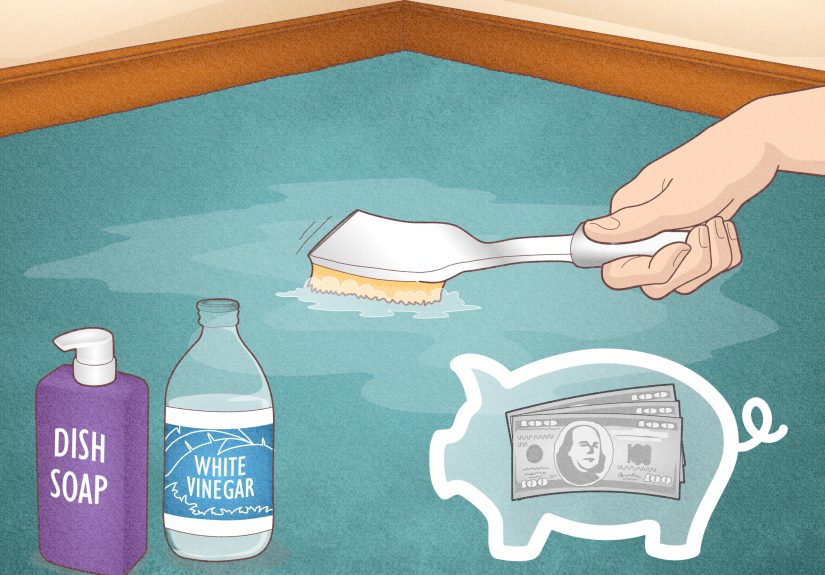
For general stain treatment, a reliable DIY option is a small amount of clear dish soap mixed with warm water. You want a weak solution, not a bubble bath. Too much detergent can leave the carpet sticky and attract more soil later.
A practical all-purpose mix is:
- 1 cup warm water
- 1/4 teaspoon clear dish soap
Pour it into a spray bottle or bowl. Lightly spray the cloth or the stain area. Do not soak the carpet.
Step 4: Blot from the outside in
Work from the outside edges of the stain toward the center so you do not spread it. Blot gently. If needed, repeat the process several times rather than attacking the spot like it insulted your family.
Step 5: Rinse the area
Once the stain lifts, lightly mist the area with clean water or blot with a cloth dampened in plain water. This removes soap residue. Then blot dry with clean towels until the carpet feels only slightly damp.
Step 6: Dry fast
Open windows if weather allows, turn on a ceiling fan, or point a portable fan at the cleaned area. Fast drying helps prevent musty smells and moisture problems.
Best DIY Carpet Cleaning Solutions for Common Problems
For everyday dirt and light stains
Use the diluted dish soap solution above. It works well on general grime, tracked-in dirt, and many food-related spots.
For odors and general freshening
Sprinkle baking soda over dry carpet, let it sit for at least 15 to 30 minutes, then vacuum thoroughly. For stronger odors, let it sit longer if the carpet is completely dry. This is an easy way to freshen carpet by hand between deeper cleanings.
For greasy stains
Grease needs a different strategy. First, blot excess oil. Then sprinkle baking soda over the stain to absorb residue. Let it sit, vacuum, and follow with gentle spot cleaning. For stubborn grease, a small amount of solvent-based carpet spot cleaner may work better than soap and water.
For pet accidents
Blot up as much liquid as possible first. Rinse lightly with cool water and blot again. Then use an enzyme cleaner for carpet if odor remains. Enzyme products are especially helpful because they target the organic material that causes lingering smells. Vinegar may reduce odor in some cases, but it is not a magic wand for every pet mess.
For coffee, tea, and juice
Blot immediately, then use a mild dish soap solution. In some cases, a little white vinegar mixed into water can help cut through lingering color. Always rinse afterward and blot dry.
For blood stains
Use cold water, not hot. Hot water can make protein-based stains set. Blot with cold water first, then treat gently with an appropriate cleaner. Hydrogen peroxide is sometimes used on light carpets, but test carefully because it can affect color.
For wax or gum
Harden the mess first with ice in a sealed plastic bag. Once the material becomes brittle, gently lift or chip it away with a spoon or dull knife. Then treat any remaining residue.
Can You Use Vinegar to Clean Carpet by Hand?
Yes, but with common sense. A diluted vinegar solution can help with certain odors and some light stains, especially when paired with blotting. One simple mix is:
- 1 part white vinegar
- 3 parts water
Use it sparingly. Vinegar is not the answer to every carpet problem, and stronger is not better. It may be useful for deodorizing or light maintenance, but always test in a hidden area and do not saturate the fibers. Some manufacturers prefer approved carpet-safe cleaners, especially for warranty protection.
How to Deep Clean Carpet by Hand Without a Machine
If the whole carpet looks dull, not just one stain, you can do a broader hand-cleaning refresh:
- Vacuum slowly and thoroughly.
- Spot-treat visible stains first.
- Lightly mist a small section with a diluted cleaner.
- Use a soft brush to gently work the solution into the pile.
- Blot with clean towels to lift soil and moisture.
- Rinse lightly with clean water on a cloth.
- Blot again and move to the next section.
- Dry with fans and avoid walking on the carpet until dry.
This method takes time, but it is useful for apartments, bedrooms, rugs, or rooms where a full machine clean feels excessive. Work in small areas and do not rush. Carpet rewards patience and punishes shortcuts.
How to Handle High-Traffic Areas
Hallways, living room paths, and the strip in front of the sofa usually look dingier because they collect body oils, dust, and repeated foot traffic. For these zones:
- Vacuum more often than the rest of the room.
- Use a mild cleaning solution with a soft brush.
- Brush gently in several directions to lift the pile.
- Blot thoroughly and dry completely.
- Use entry mats and a no-shoes rule to slow future buildup.
Sometimes what looks like permanent discoloration is really compacted traffic soil plus flattened fibers. Even a modest hand-cleaning session can make a noticeable difference.
Mistakes to Avoid When Cleaning Carpet by Hand
- Using too much soap: Residue attracts dirt and makes the carpet feel crunchy or sticky.
- Scrubbing hard: This can damage fibers and spread the stain.
- Soaking the area: Moisture can reach the backing and pad, leading to odors or mold.
- Skipping the rinse: Cleaner left behind becomes tomorrow’s dirt magnet.
- Using the wrong stain treatment: Blood, grease, wine, and pet urine do not all respond to the same cleaner.
- Ignoring drying time: Damp carpet needs airflow fast.
- Using bleach or harsh chemicals: These can discolor fibers and damage the carpet.
When DIY Carpet Cleaning Is Not Enough
Hand cleaning is great for maintenance and many fresh stains, but some situations call for professional help:
- The carpet has been soaked for more than a short period.
- There is a musty smell after cleaning.
- The stain keeps reappearing as the carpet dries.
- You are dealing with large pet contamination, flooding, or mold concerns.
- The carpet is wool, antique, delicate, or under warranty with strict cleaning rules.
If carpet or padding has been heavily saturated and cannot be dried quickly, the issue moves from cosmetic to structural. At that point, fast drying or replacement may be the safer choice.
Simple Maintenance Tips to Keep Carpet Cleaner Longer
- Vacuum high-traffic areas several times a week.
- Blot spills immediately.
- Use doormats at every entrance.
- Take shoes off indoors.
- Rotate furniture to prevent visible traffic patterns.
- Freshen dry carpet with baking soda occasionally.
- Schedule deeper cleaning before the carpet starts looking hopeless.
Conclusion
Learning how to clean a carpet by hand is one of those home skills that feels small until the day you spill coffee, knock over salsa, or discover that your dog has made an artistic decision in the corner of the living room. With the right method, you can handle many carpet problems using simple DIY tools and solutions.
The winning formula is straightforward: vacuum first, blot quickly, use a gentle cleaner, avoid over-wetting, rinse out residue, and dry the area thoroughly. Add baking soda for odor control, enzyme cleaner for pet messes, and patience for stubborn stains. No drama, no foam party, no mysterious sticky patch that somehow gets dirtier after cleaning.
Used wisely, these hand-cleaning techniques can keep your carpet looking fresher, extend its lifespan, and save you money between professional cleanings. In other words, your carpet can keep doing its job without constantly advertising every accident your household has ever experienced.
DIY Carpet Cleaning Experiences: What Real-Life Hand Cleaning Usually Looks Like
In real homes, hand-cleaning carpet is rarely a glamorous event. It usually begins with a sentence like, “Oh no,” followed by a sprint for paper towels. But that is exactly why these DIY methods matter so much. The people who get the best results are not necessarily using expensive products. They are simply moving fast, using less liquid than they think, and resisting the urge to scrub the stain into another dimension.
A common experience is the fresh coffee spill. At first it looks dramatic, like the carpet has entered a period of mourning. But if the spill is blotted right away and treated with a mild cleaning solution, it often lightens more than expected. The biggest difference usually comes from repetition: blot, apply a little solution, blot again, rinse lightly, blot dry. It is not exciting, but it works. Carpet cleaning by hand tends to reward consistency more than force.
Pet accidents are another category where homeowners learn quickly that odor matters as much as appearance. A stain may look gone long before the smell is truly handled. That is why many people eventually discover the value of an enzyme cleaner after trying soap, vinegar, or wishful thinking. The visual cleanup is one job. Neutralizing what is left behind is a second job. Skipping that step often leads to the “Why does this room still smell weird?” phase.
High-traffic lanes are different from spills because they usually build up slowly. Homeowners often think the carpet is permanently discolored when it is really a combination of ground-in soil and flattened fibers. A careful hand-cleaning session with vacuuming, light agitation, blotting, and drying can brighten those areas more than expected. The change is not always dramatic in five minutes, but it can be surprisingly satisfying by the time everything dries.
There is also a lesson many people learn the hard way: more soap does not equal more clean. In fact, overdoing the detergent is one of the fastest ways to create a carpet that feels stiff, attracts dirt, or looks worse a week later. The same goes for water. A lightly damp approach nearly always beats soaking the spot and hoping for the best. Hand cleaning works because it is controlled.
Perhaps the most useful real-world takeaway is that carpet cleaning is often a process of improvement, not perfection. Some older stains may fade rather than vanish. Some rooms may need a second round. And some messes truly do need professional help. But for everyday spills, odors, and dullness, hand cleaning gives homeowners a practical, low-cost way to rescue carpet without turning the living room into a full-scale restoration project.