Table of Contents >> Show >> Hide
- Why Pretty Paper Details Do So Much Heavy Lifting
- Menus: The Stylish Detail That Also Makes Dinner Smoother
- Place Cards: Small Detail, Big Main Character Energy
- The Extra-Special Details That Make the Table Feel Finished
- How to Make It All Look Good Without Making Yourself Miserable
- Hosting Is Really About Making People Feel Noticed
- What Real Hosting Experience Teaches You About the Little Things
- SEO Tags
If you are hosting this season, you already know the truth nobody puts on the invitation: people may come for the food, but they remember the feeling. They remember whether the room felt warm, whether the table looked inviting, whether their seat felt intentional, and whether they were handed a drink before they started hovering awkwardly near the cheese board like a polite raccoon.
That is why the little things matter. Pretty menus, thoughtful place cards, elegant napkins, a low candle glow, a signature sip, and one or two charming details can turn a regular dinner into an occasion. Not a stressful, “please nobody touch anything” occasion. A good one. The kind where guests feel welcomed instead of managed.
The best part is that making a gathering feel extra special does not require a ballroom, a floral designer, or handwriting that belongs in a museum. It just requires intention. A few smart hosting choices can create a table that feels polished, personal, and surprisingly easy to pull off.
Why Pretty Paper Details Do So Much Heavy Lifting
Menus and place cards are small, yes, but they work overtime. They add structure, signal care, and instantly make the table feel like more than “Tuesday dinner, but with better pants.” A printed menu gives guests a preview of the meal, which is especially helpful when you are serving multiple courses, including dietary alternatives, or trying to make the whole evening feel cohesive. A place card tells every guest, “You belong here.” That is a powerful message for a three-inch rectangle of cardstock.
These details also solve real-world hosting problems. Menus cut down on the repetitive chorus of “What are we having?” Place cards prevent the chaotic shuffle of guests half-sitting, half-standing, and wondering whether they accidentally stole Aunt Linda’s chair. They help with conversation flow, too. If you know two people will hit it off over gardening, movies, or mutual opinions about store-bought pie crust, you can make a little seating magic happen before anyone picks up a fork.
In other words, the pretty details are not fluff. They are hospitality with eyeliner on.
Menus: The Stylish Detail That Also Makes Dinner Smoother
They set the tone before the first bite
A menu card makes the whole meal feel intentional. Even if dinner is wonderfully relaxed, a menu suggests that the evening has shape. That matters more than most hosts realize. Guests settle in faster when they know whether they are in for a casual supper, a cozy buffet, or a sit-down meal with a starter, main, and dessert.
If you are hosting a seasonal gathering, tailor the menu design to the mood. For a classic holiday dinner, cream cardstock with serif fonts and a simple border looks timeless. For a more playful gathering, use a colored card, a quirky heading, or a menu title with personality. Something like “Tonight’s Cozy Little Feast” is far more charming than listing dishes like a tax document.
They help guests with dietary needs feel seen
This is one of the least glamorous and most valuable reasons to use menus. A clear printed menu can quietly tell guests which dishes are vegetarian, dairy-free, gluten-free, alcohol-free, or spicy enough to cause a family discussion. That tiny bit of clarity removes friction and prevents the host from having to repeat ingredient explanations fifteen times while trying not to burn the rolls.
You do not have to turn your menu into a medical chart. A simple note works: “Mushroom Tartlets (vegetarian)” or “Cranberry Punch (zero-proof).” Elegant and useful is the goal.
They can double as decor
If you want your table to look layered and polished, menus can act as a design element as much as an information card. Tuck one beneath a napkin, lay it on top of a charger, tie it with velvet ribbon, or pair it with a sprig of rosemary or a cinnamon stick. You can even lean into nontraditional materials if that suits your style: acrylic, wood, textured paper, deckled edges, or metallic details all create visual interest without screaming, “I just discovered craft supplies and now nobody is safe.”
Place Cards: Small Detail, Big Main Character Energy
Place cards are one of the easiest ways to make guests feel special, especially during the holiday season when gatherings can feel busy, crowded, and a little chaotic. They turn a table setting into a welcome. They say that you planned ahead. They say you cared enough to think about where people will sit, how they will connect, and what kind of evening you want to create.
That does not mean place cards have to be formal. In fact, the best ones often feel personal rather than precious. Handwritten cards are lovely. Printed cards are even lovelier if your penmanship leans more “doctor in a moving vehicle.” Tie a name tag to a rosemary sprig. Rest a card against a small pear. Slip it into a folded napkin. Use a tiny ornament, pinecone, acorn, shell, or pomegranate as a holder. The goal is not perfection. The goal is charm with a pulse.
Place cards are also useful when seating matters. If you are hosting a mixed crowd, assigning spots can keep the table balanced. Put more talkative guests near quieter ones. Seat older family members where serving is easiest. Keep anyone with mobility needs comfortable. And if two people have a long and glorious history of disagreeing at dinner, perhaps let them admire each other from a respectful distance.
Easy place card ideas that look expensive without being dramatic
Natural and seasonal: Use herbs, citrus slices, mini apples, pears, or greenery for a fresh, organic look.
Classic and elegant: Folded ivory cards, black ink, and a small gold edge never fail.
Warm and rustic: Kraft paper, twine, cinnamon sticks, and linen napkins create a cozy table.
Playful and modern: Bold typography, color-blocking, acrylic holders, or a cheeky line beneath the name can make the setup feel current.
If you want guests to smile, add a tiny second line under each name. Not a roast. Just a nudge of personality. “Team Extra Gravy.” “Will Definitely Ask for Seconds.” “Brings Excellent Stories.” Suddenly the table has a pulse.
The Extra-Special Details That Make the Table Feel Finished
Layered linens and napkins
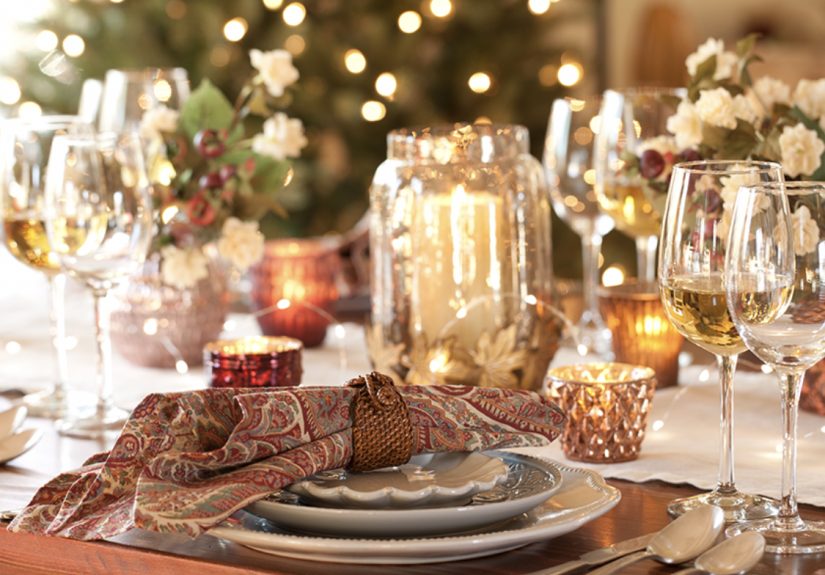
A table does not need to be overloaded to feel rich. Start with a tablecloth or runner, then add cloth napkins in a color that makes the setting feel complete. Deep green, warm rust, classic white, soft plaid, or even moody charcoal can make a dinner feel seasonal without leaning into cartoon-level holiday décor. A napkin ring, knot, ribbon, or tucked menu card adds shape and polish.
Candles that flatter everyone
Here is one of the best hosting truths of all time: candlelight is forgiving, festive, and cheaper than remodeling. Use taper candles for height, votives for glow, or a mix for dimension. Just keep arrangements low enough that guests can actually see one another. No one should have to play peekaboo around a centerpiece to pass the mashed potatoes.
Centerpieces that do not pick fights with the food
The prettiest table in the world still loses if the centerpiece blocks eye contact or takes up the space where the serving dishes need to go. Keep arrangements low, loose, and intentional. Seasonal fruit, clipped greenery, herbs, small bud vases, or a few grouped candles often work better than one giant arrangement that behaves like a territorial peacock.
Edible or natural details are especially smart this season. Think citrus branches, fresh herbs, pears, figs, pomegranates, or even tiny bowls of nuts in shells. They make the table feel alive and seasonal without requiring florist-level confidence.
A signature drink and one zero-proof option
If you want guests to feel cared for within the first sixty seconds, greet them with a drink. It can be a cocktail, a mocktail, sparkling cider, hot punch, or a citrusy spritz. Put the drink on a small welcome menu or bar card for an instant “I have my life together” effect, even if five minutes earlier you were frantically hiding shipping boxes in the laundry room.
This is also a smart place to make the evening more inclusive. A zero-proof option should feel like a choice, not a consolation prize. Give it garnish, glassware, and a name worthy of the occasion.
How to Make It All Look Good Without Making Yourself Miserable
The fastest way to suck the joy out of hosting is to confuse “special” with “complicated.” A beautiful gathering does not need twelve layers of detail. It needs a clear point of view. Pick two or three signature touches and let them carry the room.
Maybe your formula is this: a printed menu, rosemary place cards, and taper candles. Maybe it is monogrammed napkins, a drink station, and one gorgeous bowl of citrus at the center of the table. Maybe it is simple white dishes, a plaid runner, and handwritten cards tucked into each glass. That is enough. More than enough, actually.
Also, keep your place settings honest. If you are not serving soup, skip the soup spoon. If dessert happens in the living room, do not clutter the table with extra flatware just because it looks fancy. The best hosting style always leaves room for comfort. A table should feel inviting, not like it is being graded.
A simple formula for a polished seasonal table
Step 1: Confirm your guest list early, including name spellings and dietary needs.
Step 2: Choose one color palette and one texture story, such as velvet and brass, linen and greenery, or paper and wood.
Step 3: Add one paper element that informs, such as a menu, drink card, or favor tag.
Step 4: Add one personalized element, such as place cards or a tiny take-home token.
Step 5: Finish with candlelight and keep the center low enough for conversation.
That is it. That is the trick. Not perfection. Not pageantry. Just thoughtful layers that help people feel welcome.
Hosting Is Really About Making People Feel Noticed
The prettiest menus and place cards are not really about paper at all. They are about care made visible. They are a way of telling guests that this meal did not happen by accident and neither did their place at the table. That kind of thoughtfulness changes the entire energy of a gathering.
People rarely leave a great dinner talking about the exact fold of the napkin or the cardstock weight of the menu. What they remember is how the room felt. They remember that somebody thought to greet them warmly, pour them a drink, point them to a seat, and make the evening feel easy. The details create that feeling. Quietly, efficiently, beautifully.
So yes, host this season. Use the pretty menu. Make the place cards. Light the candles. Add the ribbon, the herb sprig, the tiny note, the cheerful welcome drink, the beautifully simple table. None of it is frivolous. It is the whole point. These are the touches that turn a meal into a memory.
What Real Hosting Experience Teaches You About the Little Things
After enough gatherings, most hosts learn the same lesson: guests do not need a flawless evening. They need an evening that feels considered. That sounds obvious, but it becomes much clearer after you have hosted a few dinners where something small unexpectedly stole the show. Maybe it was the handwritten menu that everyone picked up and read out loud. Maybe it was the place cards that sparked laughter because each one included a tiny inside joke. Maybe it was the fact that people sat down faster, talked more easily, and relaxed sooner simply because the table already answered the question of where they belonged.
That is the experience many new hosts do not anticipate. The little details do not just make the table prettier; they reduce social friction. A guest who sees their name card immediately feels expected. A guest who reads the menu and spots a dish they can eat feels included without having to ask awkward questions. A guest who is handed a drink at the door stops feeling like an arrival and starts feeling like part of the event. These moments are small, but the emotional effect is not.
There is also a practical side to hosting experience that deserves more attention. Pretty details can make the host calmer too. Once menus are printed and seats are assigned, there are fewer last-minute decisions to make. You are not scrambling to reorganize people at the table or repeating the dinner lineup six times while trying to remember whether the tartlets are still in the oven. A little planning buys a surprising amount of peace.
Another thing experienced hosts tend to discover is that guests notice atmosphere before they notice perfection. They notice whether the lighting is warm, whether the music is pleasant, whether the table feels crowded, and whether there is room to set down a glass without performing a geometry exercise. They notice whether the centerpiece is lovely or whether it is aggressively blocking half the room. They notice whether the place settings feel intentional or cluttered. They may never say any of this out loud, but they feel it instantly.
And perhaps the most comforting lesson of all is that “extra special” does not have to mean expensive. Some of the most memorable gatherings are built on simple moves: a sprig of rosemary tied to a card, a menu printed at home on good paper, thrifted candleholders, fruit from the grocery store used as decor, cloth napkins instead of disposable ones, and a signature drink with a witty name. None of that requires a huge budget. It requires taste, restraint, and the confidence to stop adding details before the table starts looking like it lost an argument with a craft store.
Hosting experience also teaches humility. Something may spill. Someone will arrive late. A candle may lean in a way that feels spiritually aggressive. The seating chart may need a last-minute adjustment because your cousin brought a plus-one with the energy of a game show host. That is normal. The point of beautiful menus, place cards, and thoughtful table details is not to create a museum exhibit. It is to create enough structure and warmth that real life can happen inside it.
That is what people remember. Not perfection. Not performance. Just the rare and wonderful feeling of walking into a room and sensing that someone made space for you on purpose.