Table of Contents >> Show >> Hide
- Why Paint Color Matters in a Home Gym (Yes, It Actually Does)
- What’s New About 2025 Home Gym Color Trends
- Choose a Paint Color Based on How You Actually Work Out
- Top Home Gym Paint Color Ideas for 2025
- 1) Modern plum-brown (cozy, strong, and surprisingly neutral)
- 2) Dusty violet (moody but approachable)
- 3) Ruby red (best as an accent, not a full-time roommate)
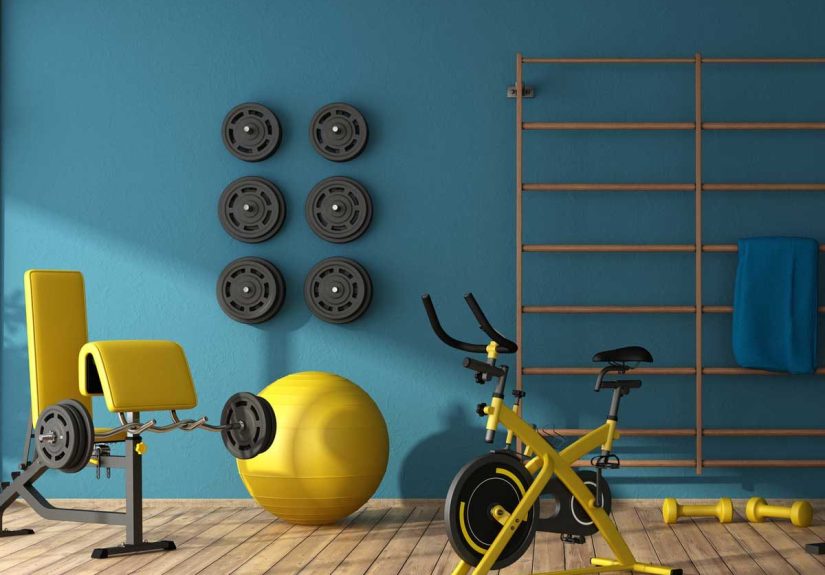
- 4) Golden pear / warm yellow-gold (sunshine for basements)
- 5) Warm brown (grounded, clean, and hides scuffs)
- 6) Blue-gray “rain cloud” (focused and modern)
- 7) Soft sage or blue-green (recovery-friendly)
- 8) Sunbaked beige (warm neutral that doesn’t look builder-basic)
- 9) Clean warm white (the “I want it bright” option)
- 10) Chartreuse or yellow-green (for the brave, used wisely)
- How to Pick the Right Shade for Your Space
- Don’t Skip This: The Best Paint Finish for a Home Gym
- Design Moves That Make a Home Gym Look “Built-In”
- Health and Practical Tips for Painting a Gym Space
- Quick “If-This-Then-That” Color Guide
- Wrap-Up: The Best Home Gym Paint Color Is the One You’ll Enjoy Living With
- Experience-Based Add-On: What Real Home Gyms Teach You After the Paint Dries (About )
Your home gym doesn’t need a neon sign that screams “WELCOME TO PAIN.” But it does deserve wall color that makes you want to show upespecially on those days when your motivation is hiding behind the laundry basket.
The right paint color can make a small room feel bigger, a dim basement feel less like a bunker, and a sweaty workout space feel clean, energizing, and intentional.
In 2025, the biggest paint trend isn’t one “it” colorit’s a smarter approach: deeper, moodier hues that feel grounded and grown-up, balanced with warm neutrals and nature-inspired tones that make a space feel calm instead of chaotic. Translation: you can lift heavy things and still have “taste.”
Why Paint Color Matters in a Home Gym (Yes, It Actually Does)
Paint color isn’t going to do your squats for you, but it can change how your gym feels and functions:
- Energy & focus: Warmer colors can feel more active; cooler colors can feel more controlled and calming.
- Perceived space: Lighter colors usually make a room feel larger; darker colors can make it feel more “designed” and immersive.
- Light behavior: Paint reflects (or absorbs) lighthuge in basements, garages, and spare rooms with one sad window.
- Cleanability: Gyms get scuffs, chalk dust, and the occasional mystery mark. Finish selection matters as much as color.
What’s New About 2025 Home Gym Color Trends
2025 color direction leans into “luxe organic”: earthy neutrals, smoky blues and grays, rich plums and violets, and confident accent shades (yes, even reds) used in a more sophisticated way.
Instead of painting everything stark white and calling it “minimal,” people are choosing colors that feel comforting, grounded, and personalwithout turning the gym into a circus.
2025’s headline vibes
- Grounded neutrals: warm taupes, clay browns, soft beiges
- Moody purples & plums: complex, modern, surprisingly versatile
- Nature tones: sage, softened blue-greens, mineral hues
- Strategic bold: ruby reds, yellow-greens, and golden tonesusually as accents
Choose a Paint Color Based on How You Actually Work Out
The best “home gym paint color” depends on the kind of workouts you’ll do most. Pick the mood you want to feel mid-rep.
For HIIT, cardio, and high-energy training
If your workouts involve timers, jumping, or yelling “LET’S GO” at a water bottle, warmer colors can match the pace. Use them as an accent wall so the room feels energizednot like a fast-food logo.
- Ruby red accent: a modern red feels bold and confident, especially behind a rack or treadmill.
- Warm terracotta / clay: energized without being aggressive.
- Golden tones: great in low-light spaces where you want warmth.
For strength training and functional fitness
Strength spaces often look best with grounded, steady colors. They hide scuffs better than bright white and make equipment look intentional instead of “I bought this at 2 a.m.”
- Warm taupe or brown: pairs beautifully with black racks and wood accents.
- Stormy blue-gray: calm, focused, and very forgiving in messy garages.
- Charcoal (not pitch black): dramatic and sleekbest with good lighting.
For yoga, Pilates, mobility, and recovery days
If your gym doubles as a “keep my blood pressure in check” room, lean into cooler, nature-inspired tones.
Soft blue-greens, muted sages, and gentle grays feel restorative, especially when paired with warm wood and soft lighting.
For a mixed-use home gym (the most common setup)
Want a room that can handle dumbbells and stretching? Choose a mid-tone that’s neither too loud nor too sleepy. Mid-depth plums, dusty violets, and warm grays are the 2025 sweet spot:
interesting up close, easy to live with long-term.
Top Home Gym Paint Color Ideas for 2025
Here are 2025-friendly picks and how to use them so your gym looks purposeful (not like a spare room that got caught in a kettlebell explosion).
1) Modern plum-brown (cozy, strong, and surprisingly neutral)
A complex plum-brown reads warm and groundedperfect for a gym that needs to feel calm but powerful.
Use it on all walls for a “studio” feel, or do one accent wall behind a mirror.
2) Dusty violet (moody but approachable)
Dusty violet is a 2025 standout because it feels fresh without being trendy in a disposable way.
Pair it with warm whites and black hardware for a modern gym aesthetic.
3) Ruby red (best as an accent, not a full-time roommate)
A deep ruby red can be an incredible motivation wallespecially behind a rack, rower, or cardio zone.
Keep the other walls neutral so the color looks intentional, not like an emergency exit sign.
4) Golden pear / warm yellow-gold (sunshine for basements)
Warm golden tones are underrated for home gymsespecially in lower-light rooms where cool grays can turn gloomy.
Try it as a color-blocked section to define a cardio area.
5) Warm brown (grounded, clean, and hides scuffs)
Warm browns and clay-adjacent neutrals are practical gym colors: they look good with rubber flooring, hide minor wall marks, and feel cozy in winter.
6) Blue-gray “rain cloud” (focused and modern)
A blue-gray is ideal if you want the room to feel cooler and sharper. It’s a strong backdrop for bright LED lighting and stainless or black equipment.
7) Soft sage or blue-green (recovery-friendly)
Sage and softened blue-greens bring “fresh air” energy indoorsperfect if you do mobility work, yoga, or just want your gym to feel like a wellness space.
8) Sunbaked beige (warm neutral that doesn’t look builder-basic)
In 2025, beige is backbut it’s warmer, deeper, and more flattering.
Use it to make a small gym feel bright while still hiding everyday scuffs better than stark white.
9) Clean warm white (the “I want it bright” option)
White walls can work beautifullyespecially in tiny gymsbut pick a warmer white so the space feels welcoming, not clinical.
White is also the best choice if you want your gym to look bigger and reflect as much light as possible.
10) Chartreuse or yellow-green (for the brave, used wisely)
A chartreuse accent can be surprisingly modern in 2025great for small doses like the wall behind open shelving, a door, or a stripe detail.
Think “designer energy,” not “tennis ball explosion.”
How to Pick the Right Shade for Your Space
Step 1: Start with the room’s light (not your Pinterest board)
Paint looks different in every room. A color that looks calm online can look like swamp soup under warm bulbs.
If your gym has limited natural light, warmer tones often feel better; in bright sun, deeper or cooler tones can look crisp and balanced.
Step 2: Use LRV to avoid accidental darkness
LRV (Light Reflectance Value) is a simple way to estimate how light or dark a paint color will feel.
If your gym is small or dim, choose a higher-LRV color (lighter) or add serious lighting before going full “moody cave.”
Step 3: Sample like a pro
- Paint a large sample (at least 2’ x 2’) on two different walls.
- Check it morning, afternoon, and at night under your workout lighting.
- Stand where your mirror will bereflections can change everything.
Don’t Skip This: The Best Paint Finish for a Home Gym
Gyms are high-touch, high-scuff spaces. Flat paint looks great… until someone bumps a dumbbell into it.
For most home gyms, a washable finish is the smarter choice:
- Eggshell: low sheen, forgiving, and easy enough to clean for most setups.
- Satin: more durable and wipeablegreat for garages and family gyms.
- Semi-gloss: best for trim, doors, or areas that get extra moisture or constant wiping.
One more thing: shinier paint reflects more light and shows more wall imperfections. If your drywall isn’t perfect (whose is?), eggshell or satin usually looks better than anything too glossy.
Design Moves That Make a Home Gym Look “Built-In”
Accent wall behind the rack or mirror
The simplest upgrade: paint one wall in a deeper or bolder color behind your main equipment.
It creates a focal point, adds depth, and makes the room look designedeven if your “decor” is mostly resistance bands.
Color zoning for multi-use gyms
Paint can visually separate zones: cardio corner, lifting wall, stretching mat area.
Try color blocking (two tones split horizontally) or a wide vertical block behind a specific station.
Ceiling color for a studio vibe
Painting the ceiling a soft version of your wall color can make the room feel cohesive and intentional.
This is especially effective with blue-greens and moody neutralsvery “boutique studio,” very “I might actually stretch today.”
Health and Practical Tips for Painting a Gym Space
Use low-odor, low-VOC paint when possible
Home gyms often have limited ventilation (hello, basements), so choosing lower-VOC options and airing out the room matters.
Even with “low VOC” labels, ventilation is still your friendopen windows, run fans, and give the paint time to cure before heavy workouts.
Plan your paint job around the equipment
- Move everything out if you can. If not, shift equipment to the center and cover it well.
- Patch holes and dingsgyms tend to reveal wall flaws under bright lighting.
- Prime stained or patched areas so the final color looks even.
Quick “If-This-Then-That” Color Guide
- If your gym is dark: choose warm neutrals or golden tones, and avoid ultra-cool grays.
- If your gym is tiny: pick a light-to-mid tone, or do one moody accent wall (not all four).
- If you sweat a lot (or your gym is humid): choose a more washable finish like satin.
- If you want it to feel like a studio: try a mid-depth plum/violet or a blue-gray, plus consistent lighting.
- If your equipment is mostly black: almost any 2025 color worksjust choose the mood you want.
Wrap-Up: The Best Home Gym Paint Color Is the One You’ll Enjoy Living With
In 2025, home gym color is less about rules and more about building a space that matches your real life:
energized when you need it, calm when you don’t, and durable enough to survive the occasional dumbbell “oops.”
Pick a color that supports your workout style, fits your lighting, and makes you want to step into the room. Because motivation is greatbut a gym you actually like being in is even better.
Experience-Based Add-On: What Real Home Gyms Teach You After the Paint Dries (About )
If you’ve ever painted a room and thought, “Wow, this is not what it looked like on my phone,” welcome to the clubyour membership card is a paint-stained hoodie.
Home gyms are especially honest spaces: bright lights, mirrors, and open wall areas make color decisions look very real very fast.
One common lesson: dark colors are gorgeous… until they aren’t. A deep violet or charcoal can look premium and “boutique,” but in a basement with one small window, it can also feel like you’re doing lunges inside a fancy cave.
The fix isn’t always “go lighter.” Often it’s: add brighter overhead lighting, swap bulbs to a cleaner white tone, and use a warmer trim color to keep the room from feeling cold.
In practice, people who love moody walls usually succeed when they commit to the full packagelighting, clean lines, and fewer visual distractions.
Another real-world surprise: finish matters more than you expect. A flat finish can look velvety on day one, but gyms collect scuffs the way socks collect lint.
Wiping a flat wall can leave shiny “clean” patches that look worse than the dirt. That’s why many DIYers end up happiest with eggshell or satindurable enough to clean, but not so glossy that every drywall seam starts auditioning for a spotlight.
Then there’s the “equipment reality check.” A color that looks perfect in an empty room can clash the moment you roll in a black rack, bright bumper plates, and a neon yoga mat.
People who get the most polished look usually do one of two things:
(1) keep walls neutral and let equipment be the color, or (2) choose one statement wall and keep everything else simple.
A ruby-red accent behind a rack? Looks intentional. Ruby-red on every wall with mismatched storage bins? Suddenly the room feels like it’s yelling.
Also: don’t underestimate the emotional impact of “clean and bright.” A lot of homeowners start with a bold idea, then realize the main thing they want is to walk in and feel like the room is fresh.
That’s why warm whites and sunbaked beiges keep winning in real gymsespecially when paired with a single darker accent for depth.
It’s the design equivalent of a solid playlist: not flashy, but it gets you moving.
Finally, the most practical experience-based tip: give paint time to cure before you go hard. Even when walls feel dry to the touch, they can still be curing.
If you hang wall-mounted hooks too soon, stick adhesive organizers too early, or shove equipment against the wall right away, you can end up with dents, stuck rubber marks, or peeled paint.
The “patient” approachventilation, a little extra time, and careful reassemblyalmost always leads to a longer-lasting finish and fewer touch-ups later.
Bottom line: the best home gym paint job isn’t the one that looks trendy on day oneit’s the one that still looks good after month three, when you’ve actually used the room, leaned a barbell against the wall once (be honest), and decided your gym deserves to look as strong as your goals.