Table of Contents >> Show >> Hide
- Why a White Wall Sconce Works So Well
- Understanding the “High/Low” Part
- Where to Use a High/Low White Wall Sconce
- How to Choose the Right One
- Placement Tips That Make a Big Difference
- Best Style Directions for a White Wall Sconce
- Common Mistakes to Avoid
- Conclusion
- Real-World Experiences With a High/Low White Wall Sconce
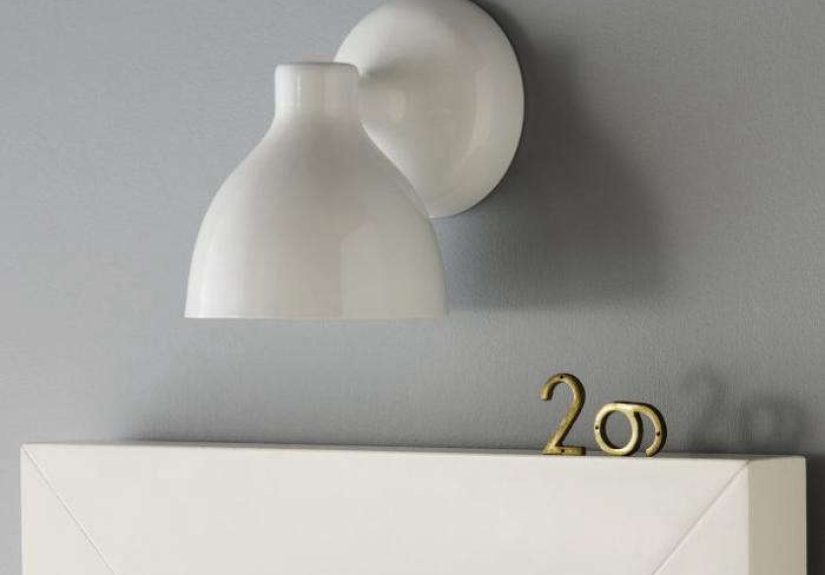
If there were an award for “small home upgrade with suspiciously big main-character energy,” the white wall sconce would be a serious contender. It hangs there all innocent and compact, then suddenly your hallway looks polished, your bedroom feels boutique-hotel cozy, and your bathroom stops lighting your face like an interrogation room. Not bad for something attached to the wall.
The phrase high/low white wall sconce can mean a few things in real-life decorating. Sometimes it refers to a fixture that throws light upward and downward. Sometimes it points to a sconce with multiple brightness levels. And sometimes it speaks the language of design people who love mixing high-end style with low-key simplicity. In all three cases, the appeal is the same: a white wall sconce can look crisp, calm, architectural, and quietly expensive without demanding the whole room revolve around it.
That is exactly why this fixture works in so many spaces. White finishes blend into pale walls, soften visual clutter, and make lighting feel intentional rather than bulky. At the same time, the right sconce can still provide real function, whether you need task lighting for reading, flattering side light at a vanity, or a gentle wash of ambient light in a hallway.
Why a White Wall Sconce Works So Well
White is the overachiever of fixture finishes. Black sconces make a statement. Brass sconces add warmth. Chrome feels crisp. But white has a special talent: it can either disappear beautifully or stand out with sculptural restraint. In a minimalist room, a white wall sconce feels clean and modern. In a traditional room, it can read classic and airy. In a small room, it avoids the heavy visual weight that darker fixtures sometimes bring.
This is also why white wall sconces pair so easily with current design trends. Tonal interiors, textured neutrals, plaster finishes, soft whites, natural materials, and layered lighting all love a white sconce. It does not fight with your wall color, your art, or your wood tones. It simply shows up, does its job, and makes the room look more pulled together than it did ten minutes ago.
For homeowners trying to strike a high/low balance, white sconces are especially useful. You can pair a modestly priced white fixture with a custom mirror, vintage console, linen headboard, or stone tile wall, and the whole setup reads elevated. It is one of those rare decorating moves that looks thoughtful instead of try-hard.
Understanding the “High/Low” Part
1. High/Low as Up-and-Down Light
One popular interpretation of a high/low sconce is a fixture that sends light both upward and downward. This creates a soft architectural effect on the wall while still adding practical illumination below. In a hallway, this style can make the wall itself glow. In a bedroom, it adds mood without swallowing the room in darkness. In an entryway, it can make even a plain painted wall feel more designed.
If your goal is atmosphere, this is the version to consider first. Upward light tends to feel softer and more ambient, while downward light is more useful when you need visibility. Put the two together and you get a fixture that feels balanced, versatile, and a little bit fancy without turning your home into a showroom that no one is allowed to touch.
2. High/Low as Adjustable Brightness
Some sconces offer multiple brightness settings or work beautifully with a dimmer. This matters more than many people think. Bright at 7 a.m. is helpful. Bright at 11 p.m. when you just wanted a calming glow? That is not ambiance. That is emotional sabotage.
A dimmable white wall sconce gives you flexibility. You can turn it up for reading, grooming, or practical tasks, then soften it for movie nights, late-night hallway trips, or winding down before bed. If you only remember one rule from this article, let it be this: buy the dimmer-friendly option whenever you can.
3. High/Low as High Style, Low Fuss
There is also the decorating meaning of high/low: combining a polished, designer-inspired look with approachable materials, simple shapes, or budget-conscious choices. White wall sconces are brilliant for this because their finish already feels tailored and clean. A simple white cone shade, cylinder, globe, or plaster-style form can look far more expensive than its price tag suggests.
That makes them ideal for refreshes where the budget is real, the dreams are lofty, and the credit card would appreciate a less dramatic story arc.
Where to Use a High/Low White Wall Sconce
Bedroom
In bedrooms, white wall sconces save precious surface space and make bedside lighting feel custom. If your nightstand is small, crowded, or currently performing too many emotional support duties, a wall-mounted fixture is a smart upgrade. Swing-arm or directional designs work well for readers, while softer shaded sconces create a calmer mood.
White finishes are especially strong in bedrooms because they keep the space restful. They do not visually crowd the bed wall, and they pair easily with warm woods, linen bedding, and layered neutrals.
Bathroom
Bathrooms are where wall sconces prove they are not just decorative freeloaders. Side-mounted sconces near a vanity can be more flattering than a single overhead light because they help reduce shadows on the face. A white sconce here feels fresh, clean, and appropriate to the room without looking cold.
If your bathroom leans modern, go for a white cylinder or globe. If it leans classic, choose a white shade with gentle curves. If it leans “I renovated half of this and then got tired,” a clean white fixture can still help the whole room look more finished.
Hallway and Entryway
These are excellent places for a high/low white wall sconce because the fixture can provide guidance, softness, and visual rhythm without taking up floor space. In narrow halls, choose a shallower fixture that hugs the wall. In an entryway, install a pair to frame a mirror or console table and create an instant sense of arrival.
White sconces are also ideal here because they do not visually crowd transitional areas. They can brighten dark corners, connect one zone to another, and make the home feel more intentionally layered from the moment someone walks in.
Living Room and Dining Room
In living rooms, a white wall sconce can highlight a fireplace, accent art, brighten a reading corner, or add glow where overhead lighting feels too blunt. In dining rooms, sconces beside a sideboard or hutch add depth and make the room feel more layered at night. This is one of those designer moves that seems extra until you see it done well, and then suddenly your ceiling fixture looks lonely.
How to Choose the Right One
Pick the Right Light Direction
If you want general mood lighting, choose an upward-facing or up/down white wall sconce. If you want reading or grooming light, choose a downward-facing, directional, or swing-arm design. The direction of the light matters just as much as the finish.
Choose the Right Color Temperature
Warm white light usually feels best in living rooms, bedrooms, and cozy hallways. Neutral-to-cooler white can work in bathrooms, kitchens, and work areas where clarity matters more. The wrong bulb can make a beautiful white wall sconce feel either dingy or uncomfortably stark, so do not treat bulb choice like an afterthought.
Pay Attention to CRI
Color rendering matters. A fixture can be bright and still make your skin, paint, textiles, or tile look strangely lifeless. A higher-quality bulb helps your room look like itself instead of a slightly disappointed cousin of itself.
Think About Scale
A tiny sconce on a huge wall can look apologetic. An oversized fixture in a tight hallway can feel like a shoulder-check waiting to happen. Consider height, width, and depth, and think about what sits nearby: mirror, bed, art, doorway, or furniture. Good lighting is not just about output. It is also about proportion.
Decide Between Hardwired, Plug-In, or Battery-Powered
Hardwired sconces offer the cleanest, most built-in look. Plug-in versions are easier to install and great for renters or quick upgrades. Rechargeable or adhesive-friendly options have become more popular for small spaces and temporary solutions. The best choice depends on your commitment level, your wall situation, and how much adventure you want from your weekend.
Placement Tips That Make a Big Difference
A beautiful fixture can still underperform if it is hung in the wrong place. For many interiors, wall sconces often land around eye level or slightly above, though exact placement depends on the room, the fixture shape, and what the light needs to accomplish. Near mirrors, symmetry matters. Near beds, comfort and reach matter. In hallways, depth and traffic clearance matter.
As a general design move, pairs feel polished. One sconce can work as an accent, but two create balance and make the room feel planned. If you are placing a white wall sconce near a mirror, art, or headboard, make sure it relates to the object rather than floating randomly beside it like it got lost on the way to another wall.
And please, for the love of good lighting, test bulb warmth before declaring the project finished. The fixture may be perfect, but the wrong bulb can turn your sophisticated white sconce into a glowing marshmallow of regret.
Best Style Directions for a White Wall Sconce
Minimal Modern
Think slim profiles, matte finishes, cylinders, domes, and clean geometry. Perfect for tonal interiors and spaces that want quiet structure.
Soft Traditional
Look for white shades, curved arms, or candle-inspired forms. These work beautifully in bathrooms, bedrooms, and hallways that want warmth without visual clutter.
Sculptural Organic
Plaster-like finishes, alabaster-inspired looks, ceramic textures, and softly irregular forms bring a more elevated, designer feel. These are ideal if you want the sconce to double as wall art.
Functional Contemporary
Directional heads, swing arms, and integrated LED bars are practical choices for reading nooks, bedside walls, and focused task lighting. They are proof that useful does not have to mean ugly.
Common Mistakes to Avoid
- Choosing a white finish that clashes with the wall instead of complementing it.
- Using only overhead lighting and expecting the room to feel cozy.
- Mounting sconces too high, too low, or without reference to nearby furniture or mirrors.
- Ignoring bulb temperature and ending up with light that feels harsh or muddy.
- Forgetting a dimmer, then wondering why the room feels dramatic in all the wrong ways.
- Picking a fixture that is too deep for a hallway or tight passage.
Conclusion
A high/low white wall sconce is one of those rare home upgrades that can be stylish, practical, and refreshingly versatile. It can wash the wall with light, spotlight a reading corner, flatter a vanity, or simply make a room feel calmer and more complete. White keeps the look clean and adaptable, while the high/low idea gives you flexibility in mood, function, and design impact.
If you want lighting that feels elevated without becoming fussy, this is a strong choice. It works in modern homes, classic homes, small apartments, and rooms that just need one smart detail to stop feeling unfinished. In other words, it is not just a light fixture. It is a quiet little design hero with very good timing.
Real-World Experiences With a High/Low White Wall Sconce
One of the most common experiences people have with a white wall sconce is surprise. Not the dramatic movie kind. More the “wait, why does this room suddenly look expensive?” kind. A bedroom with basic lamps can feel perfectly fine for years, and then someone installs a pair of simple white sconces above the nightstands and the whole room changes personality overnight. It feels calmer, cleaner, and somehow more intentional, even though the paint color, bedding, and furniture all stayed the same.
Another real-world pattern shows up in small homes and apartments. People often assume they do not have room for better lighting, but a wall sconce solves exactly that problem. Once a bulky bedside lamp or awkward floor lamp disappears, the room feels less cramped. Nightstands become useful again. Corners stop looking cluttered. And because white fixtures visually blend into the wall, the improvement feels lighter rather than heavier.
Bathrooms tell a similar story. Many homeowners live with a single overhead vanity light for far too long, mostly because replacing it sounds annoying. Then they add side sconces and suddenly understand why flattering light has such a loyal fan base. Makeup is easier. Shaving is easier. The mirror stops casting odd shadows that make everyone look mysteriously under-rested. A white sconce is especially effective here because it feels fresh and clean without competing with tile, mirrors, or hardware.
Hallways are where the emotional payoff can be oddly strong. These in-between spaces are easy to ignore, so when they finally get proper sconces, the whole home feels more welcoming. People often describe this as their house feeling “finished” for the first time. That reaction makes sense. Good hallway lighting connects rooms, softens transitions, and creates rhythm. It turns a pass-through into part of the experience of living there.
There is also the practical joy of flexibility. A dimmable high/low white wall sconce changes with the hour. Bright in the morning, softer at night, cozy during a storm, helpful when reading, gentle when guests are over. Homeowners tend to notice that one fixture can do more than expected, which makes it feel like money well spent instead of one more decorative impulse purchase that looked cute for six days and then became background scenery.
Perhaps the biggest shared experience is this: once people get one white wall sconce right, they start seeing opportunities everywhere. The blank wall by the reading chair. The dark stair landing. The guest room. The entry console. Good lighting has a way of making other weak spots obvious. Fortunately, that is less a problem and more a gateway to a better-looking home.