Table of Contents >> Show >> Hide
- Why gut health matters more than people think
- What the research says about herbs and spices and gut bacteria
- How herbs and spices may support probiotic-friendly bacteria
- Which herbs and spices show promise for gut health?
- The smartest way to use herbs and spices for gut health
- Should you take probiotic supplements too?
- Practical mistakes to avoid if you want a healthier gut
- Conclusion
- Experiences related to gut health, herbs, spices, and probiotic-friendly eating (extended section)
Your gut is basically a neighborhood. Some residents are helpful, some are loud, and some absolutely should not be allowed to host parties after midnight. The goal of good nutrition is not to create a “perfect gut” (that doesn’t exist), but to support a healthier, more balanced community of microbes. And here’s the fun part: the tiny flavor heroes in your spice rack may actually help.
In recent years, gut health has gone from niche science topic to full-blown dinner-table conversation. People now ask smarter questions: Do I need probiotics? Are fermented foods enough? Are supplements worth it? And can everyday herbs and spices do anything besides make roasted vegetables less boring? The answer to that last question is increasingly exciting: yes, they might.
Emerging research suggests that culinary amounts of herbs and spices may influence the composition of the gut microbiome, including bacteria linked to beneficial gut functions. That does not mean cinnamon is a magic wand or oregano replaces fiber (sorry, oregano). But it does mean your seasoning habits can become part of a gut-friendly strategy that includes prebiotics, probiotic foods, and an overall balanced diet.
Why gut health matters more than people think
The gut microbiome refers to the massive community of microorganisms living in your digestive tract. These microbes help break down food, interact with your immune system, and produce compounds that affect many parts of the body. In other words, your gut is not just a food-processing tube. It’s more like a biochemical startup with a very busy team.
When people talk about “good bacteria,” they are often referring to probiotic bacteria or probiotic-friendly bacteria that support digestive balance. Common probiotic groups include Lactobacillus and Bifidobacterium, though different strains can behave very differently. That distinction matters because one probiotic product may help a specific condition, while another may do very little for the same issue.
Probiotics vs. prebiotics vs. synbiotics
This is where many people get tripped up, so let’s keep it simple:
- Probiotics are live microorganisms that may benefit health when consumed in adequate amounts.
- Prebiotics are non-digestible food components (usually certain fibers/carbohydrates) that feed beneficial microbes.
- Synbiotics are combinations of probiotics and prebiotics.
A quick memory trick: probiotics are the “seeds,” prebiotics are the “fertilizer.” And if you’ve ever tried to grow anything, you already know that throwing seeds on concrete is not a winning plan. That’s why a food-first, fiber-rich eating pattern is the foundation of gut healtheven if you also use probiotic foods or supplements.
What the research says about herbs and spices and gut bacteria
A particularly interesting controlled-feeding study (published in The Journal of Nutrition) looked at adults at risk for cardiovascular disease and tested what happened when they ate an average American-style diet with different doses of mixed herbs and spices over four weeks. The researchers used low, moderate, and high spice doses while keeping the rest of the diet tightly controlled. That design matters because it helps isolate the effect of the herbs and spices instead of confusing the results with a totally different eating pattern.
The study found that adding herbs and spices led to measurable shifts in gut bacterial composition after four weeks. In plain English: the spice levels changed which bacteria were more or less abundant. The researchers also reported a tendency toward greater bacterial diversity as spice intake increased, and the high-spice diet was associated with enrichment of certain bacterial families, including Ruminococcaceae.
Even more interesting, the study noted enrichment of bacteria such as Faecalibacterium and Agathobacter in some comparisons. These are known for producing short-chain fatty acids (SCFAs), including butyrate, which helps support the intestinal lining and plays a role in gut health. That doesn’t prove herbs and spices “cure” anythingbut it does support the idea that seasoning your meals can influence gut ecology in meaningful ways.
Important reality check: what this study does and does not prove
This is good science, but it still has limits. The study used a mix of many herbs and spices rather than testing each one individually. It focused on adults at risk for cardiovascular disease, so we can’t assume the exact same results apply to every healthy person, teenager, athlete, or uncle who thinks hot sauce is a food group. Also, the researchers themselves noted that more studies are needed to understand the long-term metabolic impact of the bacterial changes.
In short: the evidence is promising, but this is a “helpful support strategy,” not a miracle headline.
How herbs and spices may support probiotic-friendly bacteria
So why would herbs and spices affect gut bacteria at all? One reason is their natural plant compounds, including polyphenols and other bioactive substances. Many of these compounds are not fully absorbed in the upper digestive tract, which means they can travel farther down and interact with gut microbes. Think of them as special deliveries for the bacteria in your colon.
Some microbes can use these compounds as fuel or transform them into other beneficial molecules. In turn, those changes may favor a more diverse microbiome or support bacteria associated with healthier gut function. This is one reason nutrition experts increasingly focus on dietary patterns rather than single “superfoods.” A colorful, fiber-rich diet plus flavorful herbs and spices creates a better environment than one supplement taken with fast food and regret.
What “boost probiotic bacteria” really means
Let’s be precise, because SEO-friendly content should still be science-friendly: herbs and spices may not directly act as probiotics (they are not live bacteria). Instead, they may help create conditions that support beneficial microbes and microbial diversity. In other words, they can function as part of a probiotic-supportive eating patternespecially when paired with prebiotic fiber and fermented foods.
Which herbs and spices show promise for gut health?
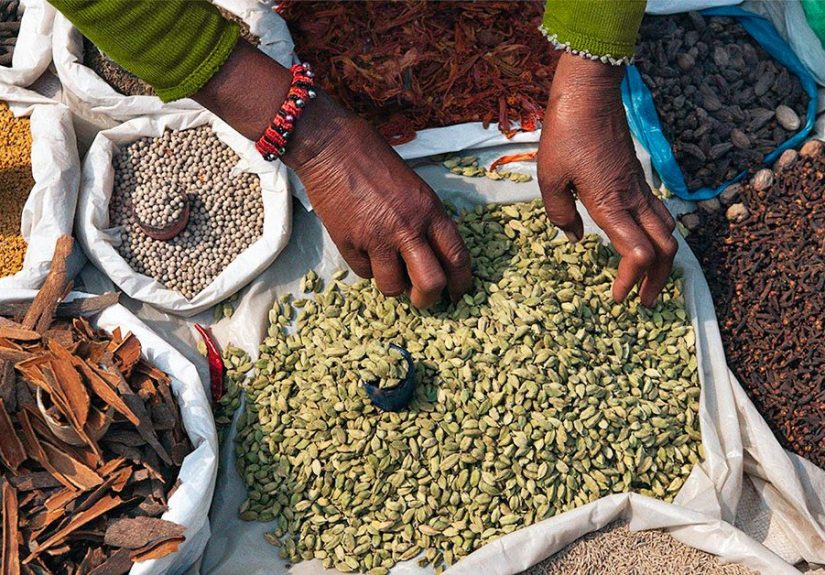
In the Penn State-related reporting on the study, the herb-and-spice blends included familiar kitchen staples like cinnamon, ginger, cumin, turmeric, rosemary, oregano, basil, and thyme. That’s great news because these are not exotic powders hidden in a boutique store 40 minutes away. They’re normal ingredients many people already own but underuse.
1) Turmeric
Turmeric is one of the most talked-about spices for digestive and inflammatory health. While much of the supplement hype goes beyond what evidence can guarantee, turmeric remains a flavorful, practical spice to use in soups, rice, roasted vegetables, eggs, and marinades. If you use supplements instead of food, be careful: turmeric products can cause GI side effects in some people, including reflux or stomach upset.
2) Ginger
Ginger is a gut-health favorite for a reason. It’s commonly used for nausea and digestive comfort, and it also works beautifully in both savory and sweet foods. Fresh ginger in stir-fries, grated ginger in oatmeal, or ground ginger in soups can help you increase variety without forcing a “wellness” routine that feels like homework. As with other herbal products, supplements can cause side effects or interact with medications in some cases.
3) Oregano, thyme, rosemary, and basil
These herbs bring more than Italian-restaurant vibes. They add plant compounds and flavor complexity that can help you eat more vegetables, beans, and whole grains. That matters because one of the easiest ways to improve gut health is simply eating more fiber-rich foods consistently. If herbs make those foods taste better, they’re doing double duty.
4) Cinnamon and cumin
Cinnamon and cumin are gut-friendly “bridge” spices: easy to use, familiar, and versatile. Cinnamon works in oats, yogurt, baked apples, and smoothies. Cumin works in lentils, chili, roasted chickpeas, taco bowls, and soups. They make it easier to build meals that are rich in prebiotic fibers and fermented ingredients.
The smartest way to use herbs and spices for gut health
If you want better gut health, the goal is not to dump half a jar of turmeric into one smoothie and call it a spiritual experience. The research points toward regular, culinary use of herbs and spices as part of an overall diet pattern. Consistency beats intensity.
Build a “gut-friendly plate” first
Start with the basics:
- Prebiotic-rich foods: oats, bananas, onions, garlic, leeks, beans, lentils, asparagus, whole grains.
- Probiotic foods: yogurt with live cultures, kefir, kimchi, sauerkraut, some fermented pickles, kombucha (if tolerated), and certain cheeses.
- Plant diversity: rotate fruits, vegetables, legumes, herbs, and spices instead of eating the same three foods all month.
- Fiber first: herbs and spices help, but they do not replace fiber.
Also, keep in mind that not all fermented foods contain live microbes by the time you eat them. Heat and pasteurization can reduce or destroy live cultures, so labels matter if you’re specifically choosing foods for probiotic benefits.
Try this simple daily “spice habit”
Here’s a realistic pattern that works for busy people:
- Breakfast: Oatmeal with cinnamon, banana, and plain yogurt.
- Lunch: Grain bowl with chickpeas, cumin, garlic, herbs, and a spoon of fermented veggies.
- Dinner: Roasted vegetables with rosemary/thyme and a protein of your choice.
- Snack: Kefir or yogurt with berries (if tolerated).
Nothing fancy. No powder pyramid scheme. Just repeated exposure to fiber, fermented foods, and flavorful plants.
Should you take probiotic supplements too?
Maybebut not automatically. Major health organizations consistently point out that probiotic effects are strain-specific and condition-specific. Some probiotics may help in certain situations (for example, specific cases involving antibiotics or certain GI conditions), while evidence is weaker or mixed for many other uses. This is one reason “a probiotic” is not a one-size-fits-all answer.
Another practical issue: supplements are not regulated like prescription drugs, and quality can vary. A label can look impressive and still not be the best fit for your symptoms, your health history, or your goals. For many people, starting with a food-first strategy is simpler, cheaper, and often more sustainable.
Safety matters, especially with supplements
Most healthy people tolerate probiotic foods and many supplements reasonably well, but side effects like gas or bloating can happen. People who are immunocompromised, severely ill, or caring for high-risk infants should be especially cautious and get medical advice before using probiotic supplements. The same goes for herbal supplements: “natural” does not automatically mean “risk-free.”
If you take medications, talk to a healthcare professional before using concentrated ginger, turmeric, or mixed herbal supplements. Food-level use in cooking is usually the easiest and safest starting point.
Practical mistakes to avoid if you want a healthier gut
1) Relying on one “super spice”
Gut microbes like variety. Your plate should too. Rotating herbs and spices may be more helpful than overusing one ingredient every day.
2) Ignoring prebiotics
Probiotic foods get all the attention, but without prebiotic-rich foods, you’re not feeding the beneficial microbes already living in your gut. Fiber is still the quiet MVP.
3) Buying sugary “probiotic” products
Some products market themselves as gut-friendly while being packed with added sugar. Read labels and choose simpler options when possible, especially plain yogurt or kefir with live cultures.
4) Expecting overnight results
Gut health improves through repeated habits, not one “clean eating” Tuesday. Give your routine a few weeks and pay attention to how your digestion, energy, and meal tolerance change over time.
Conclusion
The current evidence supports a smart, balanced message: herbs and spices may help boost probiotic-friendly bacteria and improve gut microbial diversity when used regularly as part of a healthy diet. They’re not a replacement for fiber, fermented foods, or medical carebut they are a powerful, practical upgrade to everyday meals.
If you want to support your gut health, start where you are: season your food generously, eat more plants, include fermented foods with live cultures when you can, and be skeptical of miracle supplement claims. Your gut microbiome doesn’t need a dramatic makeover. It needs better roommates and better groceries.
Experiences related to gut health, herbs, spices, and probiotic-friendly eating (extended section)
One of the most common experiences people report when they start focusing on gut health is that they begin with probiotics and end up succeeding because of flavor. They buy yogurt or kefir, feel motivated for three days, and then realize the real change happens when their meals become easier to repeat. That’s where herbs and spices come in. A plain bowl of lentils can feel like a chore. Lentils with cumin, garlic, paprika, oregano, and olive oil? Suddenly that’s lunch you’ll actually make again. The gut-health win often comes from consistency, and flavor is what makes consistency possible.
Another common experience is the “I thought healthy food had to taste bland” moment. People who increase fiber sometimes struggle at first because they add beans, oats, and vegetables but don’t change their cooking style. Then they start experimenting: cinnamon in oatmeal, ginger in tea and stir-fries, rosemary on roasted potatoes, thyme in soups, basil on tomato dishes, turmeric in rice. The meals feel more satisfying, so they stick to the routine long enough to notice benefits like better regularity, less bloating (after the adjustment period), or fewer snack cravings late at night. It’s not dramatic. It’s just daily food getting better.
There’s also a learning curve many people go through with fermented foods. At first, they buy a random “gut health” product and assume it’s automatically probiotic. Later, they realize not every fermented food still contains live cultures, and not every product marketed for gut health is a great choice. A more practical approach usually emerges: plain yogurt with fruit, kefir a few times a week, small portions of kimchi or sauerkraut with meals, and a steady intake of prebiotic foods like oats, onions, bananas, and beans. Once people stop chasing the “perfect supplement” and build a simple routine, they tend to feel less overwhelmed.
Some people also notice that spices help them eat more vegetables without feeling like they’re “on a plan.” Roasted carrots with cumin taste different from roasted carrots with thyme. Cauliflower with turmeric and garlic feels different from cauliflower with rosemary and black pepper. This variety matters psychologically. Gut-health habits fail when meals feel repetitive, but spices can make the same base ingredients taste new all week. In real life, that’s huge.
Finally, many people discover that moderation beats extremes. They try huge amounts of spice or too many supplements at once, get stomach discomfort, and assume gut-friendly eating “doesn’t work.” Then they reset: smaller portions, more water, gradual fiber increases, gentler seasoning, and a calmer pace. That’s when the experience improves. The best gut-health routines usually look surprisingly normalbalanced meals, regular seasoning, a few fermented foods, enough sleep, and less stress around food. It’s not a glamorous answer, but it’s the one people can live with. And in gut health, “boring but repeatable” often beats “exciting but impossible.”