Table of Contents >> Show >> Hide
- Before You Book: Set Yourself Up for a Great Tattoo
- What to Expect at the Tattoo Appointment
- How Much Does a Tattoo Hurt? The Honest Pain Talk
- Tattoo Day Checklist: What to Bring and What to Wear
- Aftercare: How to Heal Your Tattoo Without Wrecking It
- Normal Healing vs. Red Flags: When to Get Help
- Frequently Asked Questions
- Final Thoughts: Your Tattoo Should Feel Like a Flex, Not a Stress
- Real-World Experiences: 10 Things People Commonly Say After Getting a Tattoo (and What They Mean)
- 1) “It didn’t hurt the whole timejust in certain spots.”
- 2) “The sound freaked me out more than the pain.”
- 3) “I got shaky because I didn’t eat enough.”
- 4) “I thought it was infected, but it was just the peeling stage.”
- 5) “I over-moisturized and it got weird.”
- 6) “I didn’t realize clothing friction would be such a big deal.”
- 7) “The second day hurt more than the first.”
- 8) “I wish I spoke up about the stencil placement.”
- 9) “The tattoo looks different once swelling goes down.”
- 10) “Sunscreen became my tattoo’s best friend.”
Getting a tattoo is basically commissioning a tiny mural on your body that you can never “accidentally” leave at home. It’s exciting, a little nerve-wracking, andif you do it rightcompletely worth it. If you’re wondering what the appointment is actually like, how much it might hurt, what to bring, and how to heal your new ink without turning it into a flaky tragedy, you’re in the right place.
This guide walks you through the full tattoo experience: choosing a studio, what happens in the chair, pain-management tips that don’t involve “just be tougher,” a practical checklist, and aftercare that protects both your skin and your investment.
Before You Book: Set Yourself Up for a Great Tattoo
Pick a design that still makes sense on “random Tuesday”
A tattoo can be deeply meaningful, purely aesthetic, or both. But the best filter is simple: will you still like seeing it when it’s not a Big Life Momentlike when you’re waiting for your coffee and someone is playing a podcast out loud on speaker? If yes, proceed.
Try living with the idea for a bit. Save reference images, sketch a concept, or print it and tape it where you’ll see it daily. If it still sparks joy after a couple weeks, that’s a good sign.
Choose placement with real-world consequences in mind
Placement affects pain, healing, visibility, and even how the design ages. Areas with lots of friction (like tight waistbands), frequent sun exposure (like forearms), or constant stretching (like ribs) can be trickier. Also consider that tattooing over a mole or lesion you need to monitor isn’t idealkeep space around skin spots your clinician might want to watch over time.
Shop for an artist like you’re hiring them (because you are)
Style matters. A tattoo artist is not a human printer; they’re a specialist. Find someone whose portfolio consistently shows the style you wantfine line, American traditional, realism, blackwork, watercolor, you name it. A great realism artist may not be your best bet for crisp traditional bold lines (and vice versa).
Safety isn’t awkward to ask aboutit’s the whole point
A reputable studio will be comfortable answering basic hygiene questions. Look for:
- Single-use needles and disposable items opened in front of you
- Gloves worn and changed appropriately
- Clean, organized stations with barriers (covered surfaces) where needed
- Proper sterilization protocols for any reusable equipment (commonly via autoclave)
- Clear aftercare instructions given without you having to beg
If the studio gets defensive about sanitation questions, that’s your cue to leave gracefully and keep your skin free of regret.
What to Expect at the Tattoo Appointment
1) Paperwork and a quick consult
Expect to show ID, fill out consent forms, and answer health questions. Your artist may ask about allergies, skin conditions, or any history of keloids (raised scars). Be honestthis isn’t the time for “I’m probably fine.”
2) Design review and placement
You’ll confirm the final design, size, and placement. Many artists use a stencil so you can preview positioning. Speak up now, not after it’s permanent. “Can we shift it half an inch?” is normal. “Can we change it after it’s done?” is… less effective.
3) Prep: shaving, cleaning, and setup
The area is typically shaved (even if you feel like you’re not that hairysurprise, humans are mammals) and cleaned. You’ll see the artist prep inks and equipment. A professional setup looks deliberate and methodical, not chaotic.
4) The tattooing: buzzing, pressure, and breaks
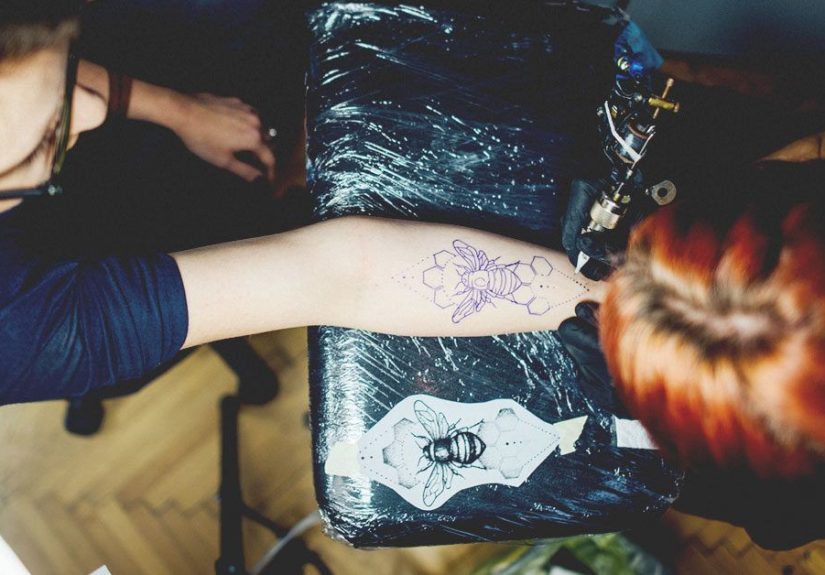
The sensation varies by person and body area, but the most common descriptions are: “scratchy,” “hot,” “sharp,” or “like a cat dragging a tiny rake across my skin.” You may feel more discomfort during line work and a different kind of sting during shading.
Good artists pace well and will offer breaks. Don’t try to be a heroif you need a quick pause, ask. The goal is a clean tattoo, not winning an imaginary suffering contest.
5) Wrap-up: cleaning, bandaging, and instructions
Afterward, your artist will clean the area and apply a bandage or protective film. You should leave with clear aftercare directions. If you don’t, ask. Your tattoo is an open woundcute, artistic, expensive… and still an open wound.
How Much Does a Tattoo Hurt? The Honest Pain Talk
Why tattoos hurt (and why that’s normal)
Tattooing involves needles depositing ink into the dermis. Your body responds like it does to any controlled injury: inflammation, tenderness, and a healing process. Some redness, swelling, and oozing of clear fluid early on can be normal.
Pain varies by placement (and by you)
In general, areas with thin skin, more nerve endings, or less padding tend to feel spicierthink ribs, sternum, hands, feet, inner biceps, and near joints. Areas with more muscle and fat often feel more manageablelike outer arms, thighs, or calves. But everyone’s nervous system writes its own opinion piece.
Pain tips that actually help
- Sleep and eat beforehand: Low blood sugar + needle time is not a vibe. Have a solid meal.
- Hydrate: Well-hydrated skin can be easier to tattoo and you’ll feel better overall.
- Skip alcohol beforehand: It can increase bleeding and mess with your ability to sit still.
- Breathe on purpose: Slow exhale during rough moments helps your body stay calmer.
- Bring distractions: Headphones, an audiobook, or a playlist you can mentally karaoke to.
- Ask about numbing options: Some studios allow topical numbing products, some prefer not tofollow the artist’s guidance.
Important: don’t stop prescribed medications without medical advice. If you’re on blood thinners or have a medical condition, check with a clinician before getting tattooed.
Tattoo Day Checklist: What to Bring and What to Wear
Bring this
- Government-issued ID (most studios require it)
- Payment method (and tip, if you plan to tip in cash)
- Water and a snack (especially for longer sessions)
- Headphones (wireless is easiest)
- Loose, comfortable clothing or something that gives easy access to the area
- Aftercare supplies if your artist recommends specific products (gentle soap, fragrance-free lotion)
Wear this (so you’re not doing clothing gymnastics)
- For arm tattoos: a tank top or loose short-sleeve
- For leg tattoos: shorts or loose pants that can roll up
- For rib/torso tattoos: something that can be moved aside easily and respectfully
Avoid this
- Sunburned skin (rescheduleseriously)
- Heavy fragrance or body lotion right before the session
- Alcohol before your appointment
- Trying to “power through” illnessif you feel sick, postpone
Aftercare: How to Heal Your Tattoo Without Wrecking It
Aftercare matters because your tattoo is fresh trauma to the skin. Done right, healing protects the artwork, reduces infection risk, and keeps lines crisp and color solid.
The first 24 hours
- Follow your artist’s bandage instructions. Some wraps stay on a few hours; some protective films stay longer.
- Wash your hands before touching it. Every time.
- Gently clean the tattoo with mild soap and lukewarm water when instructed.
- Pat dry with a clean paper toweldon’t rub.
- Apply a thin layer of recommended ointment or moisturizer (more is not better).
Days 2–7: the itchy, flaky era
This is when many people panic. Your tattoo may itch, flake, or form light scabbing. That can be normal. The rules during this stage:
- Do not pick or scratch. You can pull ink out and cause patchiness or scarring.
- Clean gently once or twice daily (as advised) and keep it lightly moisturized.
- Avoid soaking: no pools, hot tubs, baths, or natural bodies of water until healed.
- Avoid friction: tight clothing rubbing the area can irritate healing skin.
Weeks 2–4: “It looks healed… but is it?”
The surface may look fine before deeper layers finish recovering. Continue gentle cleansing and moisturizing. If your tattoo looks a bit dull or “cloudy,” that can be part of the normal healing cycle as skin renews.
Long-term care: keep it bright for years
- Sunscreen matters: once healed, regular broad-spectrum sunscreen helps prevent fading.
- Moisturize: healthy skin keeps tattoos looking smoother.
- Touch-ups happen: fine lines and high-friction areas may need refreshing over time.
Normal Healing vs. Red Flags: When to Get Help
What can be normal
- Mild to moderate redness and swelling right after tattooing
- Soreness that gradually improves
- Clear fluid oozing early on
- Itching, flaking, and light scabbing as it heals
Signs something might be wrong
If you notice symptoms that worsen instead of improveespecially spreading redness, increasing pain, warmth, pus, fever, chills, or sweatsget medical care promptly. Tattoo infections are treatable, but they’re not the kind of problem you want to “wait out” with positive vibes.
Allergic reactions and unusual skin responses
Some people develop allergic reactions to certain pigments (often presenting as persistent redness, itching, bumps, or swelling). In other cases, tattoos can trigger granulomas or keloids in predisposed individuals. If you have a history of severe allergies or keloid scarring, talk to a clinician before getting tattooed, and consider a small test area first if your artist offers that approach.
Frequently Asked Questions
How long does a tattoo take to heal?
Many tattoos look mostly healed on the surface in a couple of weeks, but deeper healing can take longer. Your timeline depends on size, placement, shading density, and how well you follow aftercare.
When can I work out again?
Light activity is often fine after a short rest period, but heavy sweating, friction, and gym germs can irritate a fresh tattoo. Many artists suggest easing back in and avoiding direct rubbing or equipment contact on the area until it’s settled. When in doubt, ask your artist based on your tattoo’s location and size.
When can I swim?
Swimming and soaking increase infection risk and can disrupt healing. Wait until the tattoo is fully healed (not peeling, not scabbing, not “kind of fine”). If you’re unsure, assume it’s too soon and check with your artist.
Can I donate blood after getting a tattoo?
Blood donation eligibility can depend on where you got tattooed and local regulation. In some cases, you may need to wait (commonly a few months) after a tattoo, especially if it was done in a jurisdiction without regulation of tattoo facilities. Check the current criteria of the blood donation organization you use.
Final Thoughts: Your Tattoo Should Feel Like a Flex, Not a Stress
A great tattoo experience is part art, part planning, and part aftercare discipline. Choose a reputable artist, communicate clearly, prepare your body (sleep, food, hydration), and treat healing like it mattersbecause it does. The payoff is walking around with a piece of art that fits you like it always belonged there.
Real-World Experiences: 10 Things People Commonly Say After Getting a Tattoo (and What They Mean)
To make this guide extra practical, here are common “I wish someone told me this” moments that come up again and again. These aren’t meant to scare youthey’re meant to make your first (or next) tattoo feel predictable in a good way.
1) “It didn’t hurt the whole timejust in certain spots.”
Many people are surprised that tattoo pain isn’t constant. You might feel fine for long stretches, then suddenly hit a spicy patch near a bony area, close to a joint, or where skin is thinner. Knowing this helps you avoid the mental trap of thinking, “Oh no, it’s getting worse forever.” Usually it’s just a temporary hotspot.
2) “The sound freaked me out more than the pain.”
The buzzing can be weirdly intense if you’re anxious. Headphones help. Some people find that once they stop anticipating the sensation and start treating it like background noise, the experience becomes surprisingly chill.
3) “I got shaky because I didn’t eat enough.”
A tattoo session can stress your system the way a long workout does. People who skip food sometimes feel lightheaded, shaky, or nauseatedespecially for longer appointments. The fix is boring but effective: eat a real meal beforehand, bring water, and pack a snack you’ll actually consume.
4) “I thought it was infected, but it was just the peeling stage.”
The healing timeline can look dramatic. Flaking, mild scabbing, and itchiness can be normal. What tends to separate normal healing from a problem is the direction of change: normal healing gradually improves; infections and serious reactions often intensifymore redness, more heat, more pain, spreading irritation, drainage that looks like pus, or systemic symptoms like fever. If you’re unsure, it’s always reasonable to ask a clinician rather than guessing.
5) “I over-moisturized and it got weird.”
This is common. People hear “moisturize” and go full frosting-on-a-cupcake. Too much ointment can trap moisture, clog pores, and irritate skin. Most artists recommend a thin layerenough to reduce dryness, not enough to make it glossy all day.
6) “I didn’t realize clothing friction would be such a big deal.”
Waistbands, bra straps, socks, tight jeansthese can irritate fresh tattoos fast. People often wish they’d planned outfits for a few days of “soft, loose, breathable” comfort. This also helps keep you from accidentally sticking fabric to healing skin (an experience that deserves exactly zero stars).
7) “The second day hurt more than the first.”
Totally plausible. Right after the tattoo, adrenaline can make you feel okay. The next day, inflammation may peak and the area can feel tender, warm, and sorelike a sunburn with attitude. That should gradually calm down, not ramp up indefinitely.
8) “I wish I spoke up about the stencil placement.”
This one’s huge. People sometimes feel shy asking for micro-adjustments and later realize the tattoo sits slightly off-center or doesn’t align the way they wanted. A good artist expects you to advocate for placement. Stencil time is collaboration time.
9) “The tattoo looks different once swelling goes down.”
Fresh tattoos can look slightly raised or puffy at first. Once swelling resolves, the lines and shading often look cleaner and more “settled.” People sometimes worry early on that it’s not perfectthen a week later, it looks exactly like what they hoped for.
10) “Sunscreen became my tattoo’s best friend.”
Lots of tattoo veterans will tell you the same thing: the sun is the fastest route to fading. Once healed, sunscreen is low-effort protection for years. It’s not dramatic. It’s just the difference between “wow, that still looks new” and “was that always this blurry?”
Bottom line: most tattoo “surprises” are preventable with planning, realistic expectations, and good aftercare. The more you treat the process like a professional service (and your skin like it’s doing a real job healing), the better your outcome tends to be.