Table of Contents >> Show >> Hide
- What Is the Garza Marfa Round Leather Chair, Exactly?
- The Design Story: Why This Chair Became an Icon
- Materials and Construction: Why It Feels Different Than “Leather-Look” Chairs
- Comfort and Ergonomics: Is It Actually a “Sit For Hours” Chair?
- Colors, Finishes, and How to Choose Without Spiraling
- Styling the Garza Marfa Round Leather Chair in Real Homes
- Leather Patina and Care: The Chair’s “Glow-Up” Timeline
- Buying Guide: What to Know Before You Click “Add to Cart”
- Is It Worth It? The “Cost Per Sit” Way to Think About the Price
- Real-World Experiences (Extra): Living With the Garza Marfa Round Leather Chair
- Final Thoughts
Some chairs are just places to sit. Others are basically a personality test with legs.
The Garza Marfa Round Leather Chair falls into the second categoryan instantly recognizable piece of
American-made design that looks equally at home in a desert adobe, a clean-lined city loft, or that one corner of your living room
you keep calling a “reading nook” even though it’s mostly a charging station for devices.
In this guide, we’ll break down what makes the Round Leather Chair such a design-world darling: the materials, the build,
the comfort factor, how it ages (spoiler: beautifully), and how to style it without turning your home into a movie set.
We’ll also talk honestly about what you’re buying when you buy a chair at this price pointbecause “investment piece” is a phrase
people throw around like confetti, and confetti is notoriously hard to vacuum.
What Is the Garza Marfa Round Leather Chair, Exactly?
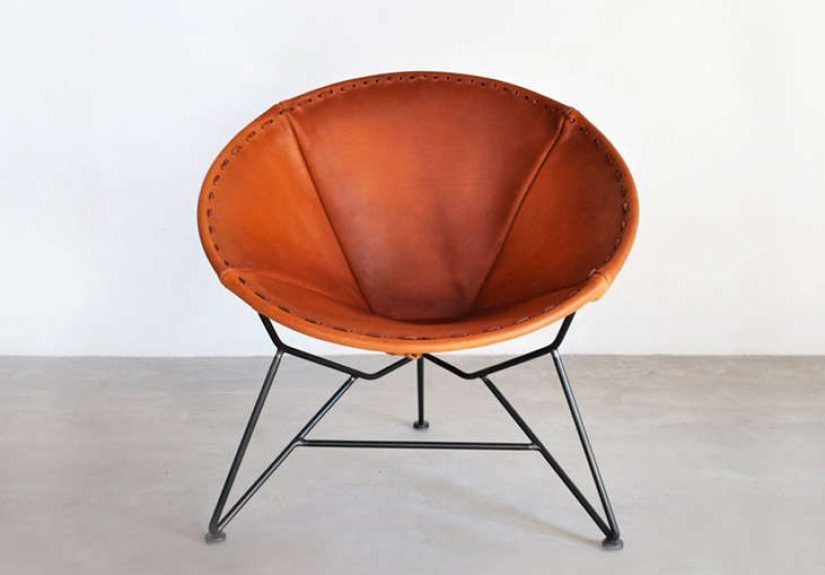
At first glance, the Round Leather Chair is disarmingly simple: a rounded, sling-like seat made from saddle-grade leather,
suspended on a powder-coated steel base. But that simplicity is the whole point. The shape reads modern and sculptural,
while the materials feel grounded and utilitarianlike something that could survive both a stylish dinner party and an actual life.
The standard size commonly listed is about 31 inches high, 30 inches wide, and 32 inches deep, with a
seat height around 16 inches. That puts it in lounge-chair territorylow enough to feel relaxed, high enough that
you’re not performing a dramatic “stand up” scene every time you get a refill.
Another defining trait: the chair tends to come in a range of base colors (often bold) paired with leather options that lean classic.
The vibe is “West Texas restraint meets playful color theory,” which is a fancy way of saying it can be understated or louddepending on
what you choose.
The Design Story: Why This Chair Became an Icon
The chair’s appeal isn’t only about looks. It’s about place and process. Garza Marfa is the design team of
husband-and-wife makers Jamey Garza and Constance Holt-Garza, who built their line around a lived-in,
high-desert worldviewfurniture that feels honest, durable, and a little mythic (in the best “campfire story” way).
A modern nod to a classic lounge silhouette
The Round Chair is often discussed in relation to the iconic Acapulco chaira midcentury, bucket-shaped woven lounge chair
associated with beach living. The Garza Marfa take reimagines that breezy, woven concept into something more rugged: leather in place of
cord, and a steel base that feels ready for the long haul. The result is a chair that references leisure without feeling flimsy.
From early experiments to a signature piece
According to Garza Marfa’s own published history, the Round Chair concept took shape over years of prototyping, tweaking, and refitting
until the leather “sat” just right, then launched publicly as a core design. That iterative, workshop-driven approach shows up in the final
product: it doesn’t look over-designed; it looks resolved.
The chair also became a launchpad for a broader saddle-leather collection associated with the studio’s work and its relationship with
design retail and exhibitionshelping cement the Round Chair as both a functional object and a recognizable design signature.
Materials and Construction: Why It Feels Different Than “Leather-Look” Chairs
Not all leather chairs are created equaland plenty of them aren’t truly leather chairs at all (if you’ve ever assembled a “bonded leather”
chair and watched it peel like a sunburn, you know).
Vegetable-tanned saddle-grade leather
The Round Leather Chair is commonly described as using vegetable-tanned, saddle-grade leather. Vegetable tanning is known
for producing leather that develops a rich patina over time, rather than staying “factory perfect” forever. In plain English:
it’s supposed to change. It’s supposed to show life.
Garza Marfa has also shared that their leather is left natural in appearance (without sealers or top-coats) and will feature marks and
variations that are considered part of the material’s character rather than defects. If you want uniformity, buy plastic. If you want
warmth and depth, you’re in the right aisle.
Powder-coated steel base
The base is typically a powder-coated steel structure. Powder coating is popular in furniture because it’s durable,
consistent, and available in saturated colors. It also helps explain why these chairs can feel both playful and architectural:
the color sits on a crisp metal silhouette, while the leather adds softness and organic variation.
Made-to-order reality check
Many listings and brand notes describe the chair as built to order. Translation: you may wait. In return, you’re getting
something that’s not churned out as fast as a trending TikTok sound. If you’re furnishing a space on a deadline, plan accordingly.
Comfort and Ergonomics: Is It Actually a “Sit For Hours” Chair?
Comfort is where expectations can get weird with design icons. People see an artful shape and assume it’s either
(a) a torture device disguised as furniture, or (b) a cloud that will solve their lower back issues and also their taxes.
The seat feel
The Round Leather Chair’s sling-style leather seat has a supportive “give” that can feel more forgiving than a hard-upholstered chair.
Over time, vegetable-tanned leather typically relaxes and molds slightly, making the chair feel more personal with use.
The trade-off is that the initial feel may be firmer than plush upholsterythink “supportive lounge” rather than “sinkhole sofa.”
Best-use scenarios
- Reading corner: Add a small side table and a warm lamp, and you’ve got a chair that looks intentional, not accidental.
- Conversation seating: The open silhouette doesn’t visually block a room, so it’s great for layouts where you need flow.
- Bedroom lounge spot: Perfect for the classic “I will fold laundry here” fantasy (even if you never do).
Who might not love it
If you’re seeking a high-back, head-rest, movie-marathon thronethis isn’t that. The chair’s comfort is more “stylish ease” than
“recliner takeover.” For all-day lounging, pairing it with an ottoman (or even a strategically placed pouf) can make a big difference.
Colors, Finishes, and How to Choose Without Spiraling
A chair like this can be a neutral anchor or the room’s exclamation point. The decision usually comes down to two things:
leather tone and base color.
Leather choices: natural vs. darker tones
Many retailers describe options like natural, chocolate, and black leather.
Natural leather tends to patina the most dramatically, shifting richer with time and light exposure. Darker leather can feel more formal,
and it’s often more forgiving for households that treat furniture as, you know, furniture.
Base colors: subtle steel or joyful color pop
A natural steel base reads understated and modern. A bold powder-coat color reads expressive and graphic. If you’re nervous about color,
here’s a surprisingly reliable trick: pick a base color that already appears somewhere else in your home (a rug stripe, art print,
or even book spines). Suddenly it looks curated instead of random.
Styling the Garza Marfa Round Leather Chair in Real Homes
One reason the chair stays popular is that it plays well with different design languages. It can lean modern, rustic, eclectic, or
quietly minimalist depending on what you pair it with.
Modern desert: warm neutrals + texture
Pair natural leather with clay tones, raw wood, woven textiles, and matte ceramics. The chair’s leather and steel combination echoes
desert architecture: tough structure, softening layers.
Coastal-calm: airy palette + crisp contrast
If your home leans coastal, the chair can still fitespecially with a lighter rug, linen throws, and simple shapes.
The steel base keeps it from looking too rustic, while the leather keeps it from feeling sterile.
City eclectic: art, pattern, and collected pieces
The chair has been featured in editorial-style home tours where it sits comfortably among layered textiles, patterns, and vintage accents.
That’s a good sign: it’s not a “one-style-only” piece. It’s more like a great jacketworks with jeans, works with something fancier,
still looks like you meant it.
Small-space strategy: visual lightness
Because the chair doesn’t have bulky arms or a solid upholstered box, it can make a tight space feel less crowded.
If your room is small, choosing a base color that blends with the background (or matches nearby metal finishes) can help it feel even lighter.
Leather Patina and Care: The Chair’s “Glow-Up” Timeline
If you’re buying vegetable-tanned leather, you’re signing up for a relationship with time. The chair will change as it’s used,
and that’s not a flawit’s the feature.
What patina really means
Patina is the slow, natural shift in tone and surface character caused by light, touch, oils, and environment.
Over months and years, the leather can deepen in color and show subtle “history marks” that tell the story of how the chair was used.
It’s like a passport for your living roomstamps included.
Brand-noted care approach
Garza Marfa has described their leather as unsealed and naturally finished, and notes that it can be conditioned and will respond to UV and
moisture. Many retailer care notes emphasize basic maintenance: remove dust and grit gently, wipe with a damp cloth, and avoid harsh cleaners.
If you want a chair that can be treated like a countertop, leather is not your guy.
Practical, non-fussy care tips
- Dust matters: Fine grit can act like sandpaper over time. A quick brush or wipe keeps the leather looking cleaner longer.
- Skip “miracle sprays”: Many leather products are made for car interiors or sealed leatherstest anything in an inconspicuous spot first.
- Watch the sun: Some sun is part of patina, but constant direct UV can create uneven darkening. Rotate the chair occasionally if needed.
- Blot, don’t panic: If something spills, blot gently. Aggressive rubbing is how small problems become permanent souvenirs.
Buying Guide: What to Know Before You Click “Add to Cart”
The Round Leather Chair is one of those pieces that’s easy to love online. Here’s how to make sure you’ll love it in your actual home,
where lighting is less “golden hour editorial” and more “overhead fixture you’ve been meaning to replace.”
1) Measure like you mean it
Use painter’s tape to outline the footprint (about 30″ by 32″) and sit in the taped area on a stool to approximate clearance.
Make sure there’s enough room to walk around it without doing the sideways crab shuffle.
2) Decide what role it plays
Is it your primary lounge chair or a supporting character? If it’s primary, consider pairing it with a footrest or ottoman.
If it’s secondary, lean into its sculptural presence and place it where it can be seen from multiple angles.
3) Understand lead times and availability
Because the chair is frequently listed as made-to-order, delivery timelines can vary by retailer, finish, and production schedules.
If you’re furnishing for a specific date, confirm current timelines before ordering.
4) New vs. vintage/secondhand
Secondhand versions show up through auction and resale channels. That can be a smart way to get the chair soonerand sometimes for less
but check condition carefully. Look for expected patina (good), deep cracks or structural issues (not good), and confirm maker marks if possible.
Is It Worth It? The “Cost Per Sit” Way to Think About the Price
The chair often appears in the market around the mid–four figures, depending on retailer and configuration.
That’s not casual money. But it’s also not “you’re paying for a logo” furniture. You’re paying for materials,
domestic production, and a design that holds its own visually for years.
If you buy a cheaper chair every two years because it flakes, sags, or stops fitting your style, you may eventually spend more and still end up
with a room full of furniture you don’t love. If you buy one chair you genuinely enjoy sitting inand looking atfor a decade, the math changes.
The Round Leather Chair is a strong candidate for that long-game approach.
Real-World Experiences (Extra): Living With the Garza Marfa Round Leather Chair
Because I’m not living in your house (and I don’t get to claim personal ownership of furniture), the “experience” section below is based on
the chair’s documented material behavior (vegetable-tanned leather patina, natural finish, and maintenance guidance) and common real-home usage
patterns seen in design editorial and resale descriptions. In other words: it’s the stuff people actually notice after the honeymoon phase.
The first week: “This leather is… confident.”
Many people’s first impression of saddle-grade, vegetable-tanned leather is that it feels sturdier than expected.
It’s not a pillowy lounge chair, and that’s by design. The seat has structure. It supports you in a way that feels more like a well-made belt
than a sofa cushionfirm, but not unfriendly. In the first week, you might find yourself adjusting how you sit:
feet tucked, one leg crossed, or leaning back with a book. It quickly becomes a “favorite spot” chair because it encourages a relaxed posture
without swallowing you whole.
Month one: the chair starts telling your story
Vegetable-tanned leather is famous for patina, and the early signs can show up sooner than people think.
A slightly deeper tone where your hands rest. A soft shift in sheen where you sit most often.
The first tiny scuff can feel dramaticuntil you realize the chair is supposed to look better with life.
It’s not a museum piece; it’s a living material. That mindset flip is where owners tend to fall in love:
the chair doesn’t “wear out,” it “wears in.”
Hosting mode: it becomes the seat everyone claims
In a gathering, the Round Leather Chair has an odd social power. It looks like the “good seat.”
It doesn’t matter if your sofa is biggerpeople gravitate toward the sculptural chair because it feels special.
The open silhouette also makes conversation easier; you’re not hidden behind bulky arms or a tall back.
In small living rooms, it helps keep sight lines open, which makes the whole space feel less cramped when the crowd grows.
Pets, kids, and the “reality test”
If your household includes pets or children, you’ll appreciate two truths: (1) leather is easier to wipe than many fabrics,
and (2) unsealed leather will show marks. Those marks are not automatically “damage,” but they are visible.
Some families treat that as a downside. Others treat it as the pointlike a well-loved leather jacket.
A practical approach is to keep nails trimmed (for everyone involved), wipe grit quickly, and accept that perfection
is not the goal. Character is.
Year two and beyond: it stops being a “new chair” and becomes part of the architecture
This is where the chair earns its keep. The steel base remains crisp and graphic, while the leather deepens and warms.
Instead of looking “trendy,” it starts looking inevitablelike it always belonged in the room.
People who style their homes slowly tend to love this phase, because the chair becomes a steady anchor while other elements
(pillows, rugs, art) change around it. It’s also one of the reasons the chair shows up in resale and auction listings in
“good usable condition” even after years: the materials are meant to age honestly, not pretend nothing ever happened.
The best part? You don’t have to baby it like a precious object. You do have to treat it with basic respect:
keep it reasonably clean, avoid harsh chemicals, and don’t be shocked when natural leather behaves like natural leather.
If you can handle that, the chair will likely reward you with the kind of lived-in beauty that mass-produced furniture
simply can’t fake.