Table of Contents >> Show >> Hide
- What Henrybuilt Is, Exactly
- Why Seattle Matters to the Henrybuilt Story
- From Kitchen Brand to Whole-Home Furniture Name
- The Henrybuilt Design Philosophy
- What Makes Henrybuilt Different in the Luxury Furniture Market
- Who Henrybuilt Furniture in Seattle Is Best For
- The Trade-Offs Buyers Should Understand
- Why Henrybuilt Still Matters Now
- Extended Experience: What Henrybuilt Furniture in Seattle Feels Like in Real Life
- Conclusion
If kitchens are the heart of the home, Henrybuilt seems determined to make sure that heart is not only beating, but also beautifully organized, quietly efficient, and dressed a little better than the rest of us on a Monday morning. Based in Seattle, Henrybuilt has built a serious reputation in the American design world for furniture and storage systems that feel less like ordinary cabinetry and more like architectural tools for daily life.
That distinction matters. A lot. Plenty of brands can sell you a pretty kitchen. Plenty can sell you a custom closet. Fewer can make a compelling argument that these spaces should function as a unified system, with the same level of thought given to movement, touch, storage, materials, and long-term use. That is where Henrybuilt has carved out its lane. It is not chasing disposable trends, nor is it trying to overwhelm you with ornament. Instead, Henrybuilt furniture in Seattle is about precision, calm, usefulness, and that rare luxury of feeling like your home actually understands how you live.
What Henrybuilt Is, Exactly
Henrybuilt started in Seattle in 2001 with an ambitious idea: create an American answer to the European system kitchen. In practical terms, that means designing kitchens, wardrobes, vanities, wall systems, and related furniture as integrated, flexible systems rather than as a random lineup of pretty boxes. The company is still rooted in Seattle, where its products are made to order, and that local manufacturing identity is a big part of its appeal.
Calling Henrybuilt a “cabinet company” is a bit like calling a concert pianist “someone who hits keys.” Technically true, but wildly incomplete. The brand works in the space between architecture and furniture. Its products are meant to blend with the structure of a home while still behaving like high-performance equipment. That is why designers, architects, and homeowners who love clean lines tend to pay attention when Henrybuilt enters the chat.
Why Seattle Matters to the Henrybuilt Story
Seattle is not just the place where Henrybuilt is headquartered. It shows up in the brand’s personality. The company’s work has a Pacific Northwest sensibility: restrained, tactile, materially honest, and more interested in longevity than spectacle. There is often a quiet confidence in Seattle design, a belief that things should work beautifully without needing to shout about it. Henrybuilt seems to have bottled that attitude and built an entire business around it.
Its Georgetown-area headquarters and production facility reinforce that image. This is not a brand that simply sketches concepts and outsources the hard part. Henrybuilt’s furniture and systems are developed, engineered, and fabricated in Seattle, which gives the company tighter control over quality, detailing, and the consistency of the final result. For buyers investing in a luxury system, that local production model is not a minor footnote. It is the backbone of trust.
From Kitchen Brand to Whole-Home Furniture Name
Henrybuilt may be best known for kitchens, but that is only the front door. Over time, the brand has expanded into wardrobes, bath pieces, entry storage, work areas, wall-based systems, and standalone furniture. This broader scope is one reason Henrybuilt remains relevant: modern homeowners do not want one room to look smart and the rest of the house to look like it lost the plot.
Kitchens That Behave Like Workbenches
The Henrybuilt kitchen philosophy is refreshingly practical. These kitchens are designed for real use, not just magazine glamour shots where no one appears to have ever chopped an onion. The company focuses on workflow, touchpoints, concealed utility, and custom-fit organization. Small details often do the heavy lifting: integrated pulls, thoughtful drawer systems, specialized inserts, sculpted work surfaces, and components that reduce visual noise while increasing usability.
That combination of refinement and performance is what separates Henrybuilt from standard luxury cabinetry. The surfaces are clean, but the systems are busy in the best possible way. They are quietly helping you cook, host, store, hide, prep, and move around the room without unnecessary friction. Henrybuilt does not romanticize clutter. It tries to design around it.
Wardrobes, Vanities, and Entry Systems
One of the smartest things Henrybuilt has done is extend its design logic beyond the kitchen. The same principles that make a cooking space feel orderly can make a dressing room more intuitive, an entry more useful, and a bathroom less chaotic. This whole-home approach gives the brand a stronger identity than companies that stop at the island and call it a day.
In wardrobes and dressing spaces, Henrybuilt leans into organization that feels tailored rather than rigid. In bath spaces, the emphasis is often on durability, calm materials, and elegant storage. In entries and transition zones, the company’s systems help turn dead walls into productive space. It is all part of the same design thesis: daily life gets better when function is built in, not bolted on later.
Opencase and Primary Objects
Two concepts help explain Henrybuilt’s furniture mindset especially well. The first is Opencase, a flexible wall-based storage system designed to activate vertical space. It can be configured for mudrooms, pantries, hallways, offices, and other in-between areas that usually end up underperforming. If your wall is just standing there doing nothing, Opencase would like a word.
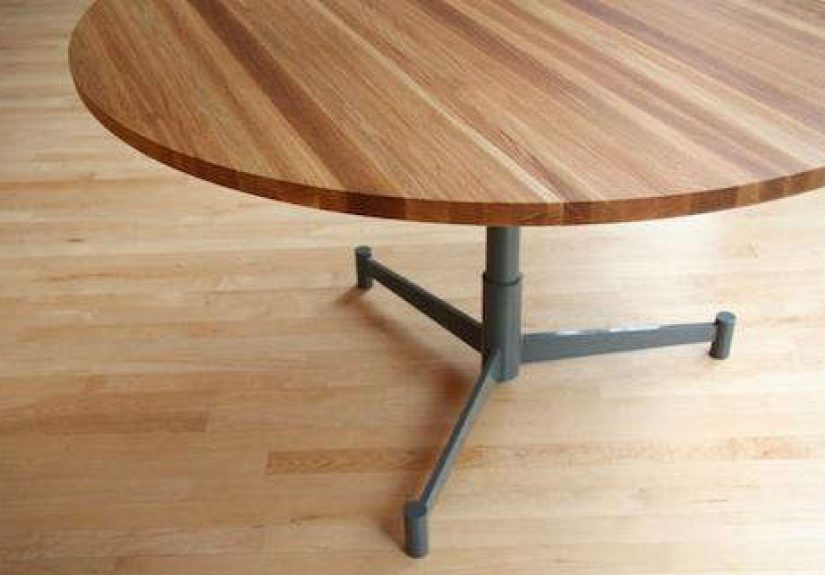
The second is Primary Objects, Henrybuilt’s line of standalone furniture pieces. These include islands, tables, storage pieces, and other freestanding forms that carry the same DNA as the integrated systems. They feel heirloom-minded without feeling dusty, minimal without feeling cold, and practical without looking like they were inspired by an office supply catalog.
The Henrybuilt Design Philosophy
Henrybuilt’s appeal comes down to one central idea: beauty and function should not be treated as rivals. In the company’s world, the most satisfying spaces are the ones where form, performance, and material quality work together so smoothly that you almost forget how hard that is to achieve.
This is why the brand often talks less about style and more about experience. A Henrybuilt room is not supposed to impress you only in a photograph. It is supposed to reward use over time. The drawers should feel right. The layout should feel right. The transition from cooking to serving to socializing should feel right. This focus on the lived experience of furniture is a big reason the brand attracts serious design clients who are less interested in flashy statements and more interested in how a home functions over years, not weeks.
What Makes Henrybuilt Different in the Luxury Furniture Market
Luxury furniture and cabinetry are crowded categories, so differentiation matters. Henrybuilt stands out for several reasons.
First, it operates with a systems mindset. Many high-end brands offer customization, but Henrybuilt is particularly focused on interrelated components that work together across multiple rooms. That makes the result feel more architectural and less piecemeal.
Second, Seattle manufacturing gives the company control and credibility. Buyers are not just purchasing a design concept; they are investing in a product that is made to order in the company’s own production environment.
Third, Henrybuilt balances craft with innovation. The brand is deeply material and tactile, yet it has also been willing to develop tools, refine planning methods, and think digitally about how kitchens and home systems are configured. That blend of handcraft and systems thinking is not common.
Fourth, the aesthetic is disciplined. Henrybuilt furniture usually avoids fussy detailing and obvious trend-chasing. That restraint is powerful because it gives the work durability. A Henrybuilt kitchen from years ago can still feel current, which is more than can be said for some trend-happy interiors that age like milk in a heat wave.
Who Henrybuilt Furniture in Seattle Is Best For
Henrybuilt is best suited to homeowners who value design at a deep level, not just a decorative one. This is a brand for people who notice drawer behavior, circulation patterns, material transitions, and the difference between “custom-looking” and truly integrated. It is also well suited to architects and interior designers who want cabinetry and furniture to support a strong architectural idea rather than compete with it.
It may be especially attractive to buyers renovating a full home or building from scratch, because Henrybuilt performs best when it is brought in early. The company’s work can influence planning, storage strategy, appliance integration, and how multiple rooms speak to one another. Waiting until the last minute is a bit like hiring a symphony conductor after the orchestra has already started playing.
The Trade-Offs Buyers Should Understand
No serious review of Henrybuilt furniture in Seattle should pretend there are no trade-offs. The first is cost. Henrybuilt is firmly in the premium category, and its systems reflect that. The second is process. Because the work is highly tailored and integrated, it benefits from planning and coordination. This is not a grab-it-off-the-shelf situation, nor is it trying to be.
There is also the matter of taste. Henrybuilt’s visual language leans modern, clean, and restrained. If someone wants ornate detailing, historical reproduction, or decorative maximalism, they may be happier elsewhere. Henrybuilt is more about precision than flourish, more about calm than spectacle.
Why Henrybuilt Still Matters Now
Henrybuilt remains relevant because it speaks to how people increasingly want to live: with less friction, less clutter, better organization, and more intention. Modern luxury is not just marble and mood lighting. Often, it is the ability to move through your home without fighting it. It is storage that actually stores. It is a kitchen that supports conversation and cooking at the same time. It is furniture that earns its footprint.
Seattle gives Henrybuilt a fitting home base for that mission. The city has long appreciated design that is understated, high-performing, and materially grounded. Henrybuilt takes those values and scales them into a national design presence, all while keeping its core identity tied to making, systems, and the daily rituals of home.
Extended Experience: What Henrybuilt Furniture in Seattle Feels Like in Real Life
To understand Henrybuilt, it helps to imagine the full experience rather than just the finished photos. A visit to the Seattle headquarters is not the same as walking into a typical furniture showroom where everything is lined up like obedient soldiers waiting for a price tag. Henrybuilt’s Seattle environment is designed to feel lived-in, tactile, and architectural. You are not just seeing cabinets. You are seeing how a system might support cooking, dressing, gathering, storing, and moving through a home in a more graceful way.
That experience starts with materials. Henrybuilt tends to favor finishes that invite touch rather than scare it away. Wood tones, refined metal details, durable surfaces, leather accents, and carefully resolved hardware all contribute to the sense that these pieces are meant to be used hard and appreciated slowly. Nothing feels accidental. The proportions are considered. The surfaces often look calm from a distance and surprisingly smart up close.
Then there is the planning mentality. Henrybuilt does not sell the fantasy of effortless luxury without the effort. Instead, it leans into the idea that great spaces come from deeply understanding routines. Where do keys land? Where should prep happen? What needs to stay visible, and what absolutely deserves to disappear? Where do guests hover when dinner is being made? Where do backpacks, chargers, and the other tiny villains of modern life go? Henrybuilt’s systems are strongest when answering exactly those kinds of questions.
That is also why the company resonates with architects. The furniture is not trying to steal the spotlight from the building. It is trying to complete the building. In many homes, cabinetry feels like a separate layer that was pasted in after the real design work ended. Henrybuilt tries to erase that divide. Its pieces often read as part of the architecture, which is a fancy way of saying they actually belong there.
For homeowners, the lasting impression is usually not dramatic flair but competence. A Henrybuilt room can feel unusually capable. The island may function like a social hub and a workbench. A wall system may turn a neglected passage into useful storage. A wardrobe may help a morning routine run more smoothly without looking bossy about it. Over time, that sort of competence becomes its own form of luxury.
And that may be the strongest argument for Henrybuilt furniture in Seattle. It is not just beautiful when installed. It is designed to get better as you live with it, understand it, and rely on it. In a world of fast furniture, fast trends, and fast everything, that slower, smarter promise feels refreshing. Henrybuilt does not merely ask how a room should look on day one. It asks how a home should support you on day 1,001. That is a much harder question, and frankly, a much more interesting one.
Conclusion
Henrybuilt furniture in Seattle stands out because it treats the home as an ecosystem rather than a collection of isolated rooms. Its work blends architecture, furniture, storage, and lifestyle into one thoughtful system. The result is modern, highly functional, and deeply considered without feeling sterile.
For buyers who want more than surface-level luxury, Henrybuilt offers a compelling proposition: made-to-order furniture and integrated systems rooted in Seattle craft, designed for real life, and refined enough to age well. In other words, it is not just furniture to look at. It is furniture to live with, rely on, and quietly admire every time a drawer opens exactly the way it should.