Table of Contents >> Show >> Hide
- What Happened in the Viral “Fake Funeral” Prank?
- Why Do People “Disappear” When They Start Dating?
- Friendship Isn’t a HobbyIt’s a Health Habit
- When a Prank Is Funny… and When It’s Not
- How to Talk to a Friend Who’s Always With His Girlfriend
- For the Friend Who Vanished: How to Rejoin the Group Without Making It Weird
- Relationship Balance Checklist
- of “Been There” Experiences (and What They Teach)
- Conclusion: Keep the Relationship, Keep the Friends
Every friend group has that guy. One day he’s in the group chat dropping memes like a trained professional. The next day? Gone. Vanished.
Like a sock in the dryer. Like your motivation on Monday morning. Like he got abducted by aliens who only speak in couple selfies.
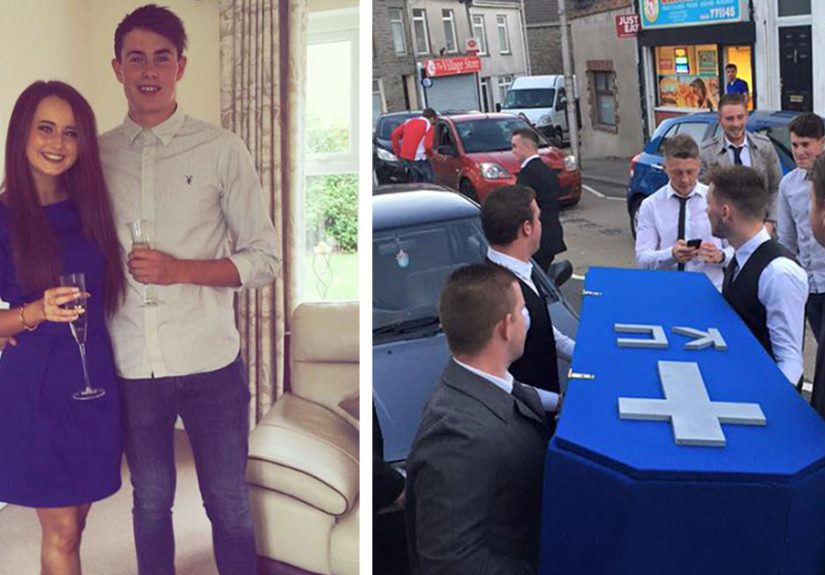
In one now-legendary prank, a group of friends decided that if their buddy was going to “die” socially after getting a girlfriend, they’d give him the kind
of send-off usually reserved for beloved grandpas and retired rock stars: a fake funeral. It’s funny on the surfacecoffin, procession, the whole dramatic production
but underneath the jokes is a real (and super common) friendship problem: how do you balance your relationship with your friends without turning into a full-time couple side quest?
Let’s unpack what happened, why it hit such a nerve, and what to do when your friend is always with his girlfriendwithout resorting to a hearse rental and a choir.
What Happened in the Viral “Fake Funeral” Prank?
The headline version goes like this: a young guy starts dating, gradually stops showing up for his friends, and the friends respond by staging a mock funeral
to “mourn” his disappearance. The prank got attention because it was wildly theatricaland because almost everyone has watched a friend drift away during the
honeymoon phase of a new relationship.
The setup: “Come to the pub, it’ll be fun”
According to reports at the time, the friend group told their buddy they were meeting up at a local spot to watch a big game.
Instead, he walked into a full-blown send-off: friends dressed for the occasion, a coffin, and the kind of solemn vibe that says,
“We’re here to pay respects… to the version of you who used to answer texts.”
The punchline: a funeral for someone who’s very much alive
The joke wasn’t about actual deathit was about social death. The “RIP” energy was basically: “We miss you, we’re annoyed, and we don’t know how to say it
without sounding needyso we chose maximum chaos.”
Why it went viral: it’s absurd, but the emotion is relatable
It’s easy to laugh at the spectacle. But what makes stories like this travel is the underlying truth: friend groups are social ecosystems. When one person
disappears, everyone feels it. The group loses routines, inside jokes, and the glue that keeps people connected.
Why Do People “Disappear” When They Start Dating?
Sometimes the answer is simple: time. A new relationship is a shiny, exciting project. There are dates to plan, texts to send, playlists to build,
and at least one deep conversation that starts with “so what are we?” and ends with “wait, what are we?”
But there’s more going on than scheduling. New love can change priorities, identity, and routinesespecially for teens and young adults, when friendships and
dating both feel like the center of the universe.
The honeymoon phase is real (and it’s a time thief)
Early relationships often come with a “more is more” mindset: if seeing each other is good, then seeing each other constantly must be better.
It’s not always deliberate neglect. It’s momentum. People get swept up.
Dyadic withdrawal: the fancy term for “see you never”
Researchers have long discussed a pattern where people pull back from friends as romantic relationships get more serious. It’s sometimes called
dyadic withdrawala shift where social time narrows and centers on the couple. This doesn’t automatically mean anything is wrong, but it can shrink
friendships if nobody protects them.
When it’s normal… and when it’s a red flag
A little disappearance can be normal. People adjust. Friends roll their eyes. Life continues.
But if your friend can’t hang out without their partner, or they seem anxious about being away, pay attention. Sometimes constant togetherness isn’t romance
it’s control, insecurity, or a relationship dynamic that doesn’t leave room for independence.
Red flags aren’t just “they’re always together.” It’s things like: your friend suddenly needs permission to see you, they’re apologizing for everything,
they’ve lost hobbies, or they seem isolated from everyone except their partner. In those cases, the goal isn’t to roast themit’s to support them.
Friendship Isn’t a HobbyIt’s a Health Habit
The prank story is goofy, but the issue behind it matters. Social connection isn’t just “nice.” Strong relationshipsfriends, family, partners, communityare
linked to well-being in ways that show up in real research and public health conversations.
Why your friend group matters even when you’re coupled up
Friends do things a romantic partner can’t do (and shouldn’t have to do). They widen your world. They mirror you in different ways. They keep you grounded.
They also act like a safety net when life gets hardbecause even a great relationship can’t be your entire support system.
Translation: having friends outside your relationship doesn’t threaten the relationship. It often makes it strongerless pressure, more balance, more joy.
When a Prank Is Funny… and When It’s Not
Let’s be real: the fake funeral is objectively theatrical. But funeral-themed jokes can land badly, especially if anyone in the group has experienced recent loss.
Even when nobody means harm, the vibe can shift from “lol” to “why did you do that?” fast.
Quick reality check before you copy this idea
- Funeral imagery is sensitive. What’s funny to one person can feel cruel to another.
- Public humiliation backfires. If your goal is connection, embarrassment can push people away.
- It doesn’t teach communication. It teaches escalationand a taste for props.
Better ways to “bring him back from the dead”
If you’re the friend group, you’ve got options that don’t involve a coffin:
- Plan something concrete. “Guys’ night Friday at 7come through.” Vague invites die in group chats.
- Make it easy. Low-stakes hangouts beat complicated all-day plans.
- Include the girlfriend sometimes. Not every time. Just enough that she’s not treated like a villain.
- Say what you mean. “We miss you” works better than “RIP you.”
How to Talk to a Friend Who’s Always With His Girlfriend
Here’s the secret most friend groups hate: the mature move is a conversation. (I know. Terrible. Let’s all boo accountability together.)
What to say (without sounding like a jealous ex)
- Start with care: “Hey, we miss you.”
- Be specific: “We haven’t seen you in weeks. It feels like you’ve disappeared.”
- Make it about connection, not control: “We want to stay close, even if you’re in a relationship.”
- Offer a doable plan: “Can you make Tuesday nights your ‘friend time’?”
What not to say (unless you want a full shutdown)
- “Your girlfriend stole you.”
- “You’re whipped.”
- “Bro, you’re dead to us.” (Unless you’re in a comedy sketch and everyone consented.)
- “If she comes, don’t come.”
The goal is to invite your friend back into the circle, not force them to choose sides. In real life, ultimatums don’t rebuild friendshipsthey burn them down.
For the Friend Who Vanished: How to Rejoin the Group Without Making It Weird
If you’re reading this as the person who’s always with their girlfriend, here’s good news: you don’t have to do a grand apology tour.
You just need to show up consistently and act like you still live on Earth.
A simple “return to the group chat” plan
- Own it lightly: “Yeah, I disappeared. My bad. I’m back.”
- Make one recurring commitment: weekly hangout, monthly dinner, whatever fits.
- Keep your partner informed: “Thursday is friend night.” Normal couples respect that.
- Don’t overcorrect. You don’t have to reject your relationship to keep your friendships.
Balance isn’t 50/50 every week. Sometimes school, work, family, or the relationship needs more. The key is that your friendships don’t drop to 0%.
Relationship Balance Checklist
Use this as a quick gut-check. If you answer “yes” to most of these, you’re probably fine:
- I can hang out with friends without my partner sometimes.
- I still reply to friends within a reasonable time (no, three weeks is not reasonable).
- I keep at least one hobby or routine that isn’t “couple time.”
- My partner supports my friendships, even if they’re not besties with everyone.
- I feel like myself when I’m not with my partner.
If you answered “no” to most of them, don’t panic. Just adjust. The fix is usually small: set boundaries, schedule time, communicate early, and stop treating
your friends like optional subscriptions.
of “Been There” Experiences (and What They Teach)
Because this topic is basically universal, here are a few common “I’ve seen this movie” experiences people shareplus what actually helps.
Think of these as realistic snapshots, not a blueprint for dramatic revenge.
1) The friend who became a plus-one permanently
A group plans a casual hangout. The friend shows up… with the girlfriend. Cool. The next time? Girlfriend. Next time? Girlfriend.
Eventually, it stops feeling like “she’s welcome” and starts feeling like “we’re never getting a real moment with him again.”
What helped wasn’t banning herit was one friend saying, calmly, “We like her, but we miss you. Can we do one night a week as friends?”
The moment it became a schedule instead of a complaint, the tension dropped.
2) The honeymoon phase that turned into a year
Early relationship excitement makes people temporarily clueless. Most friends forgive a few weeks of silence.
The frustration grows when the silence becomes a season. In one common pattern, the group kept inviting the missing friend, got ignored, and eventually stopped trying.
The fix (when it worked) was surprisingly unglamorous: a short message like, “No pressure, but we want you in our lives. Tell us a day that works.”
Giving the person a simple next steppick a daymade reconnection easier.
3) The “she doesn’t like us” misunderstanding
Sometimes the girlfriend isn’t the villain; she’s just shy, new, or worried about being judged. The friend, trying to avoid awkwardness, stays with her constantly.
That makes the group feel pushed away, which makes the girlfriend feel even more unwelcome. Loop of doom.
What helped was a low-key, inclusive plan: a quick meal, a game night, or something structured so nobody has to freestyle conversation for three hours.
Once everyone had a few normal interactions, the temperature dropped.
4) The uncomfortable truth: the relationship was controlling
In a harder version, the missing friend wasn’t just “busy”they were isolated. They seemed nervous about being away, or they’d cancel at the last minute with vague excuses.
The best responses weren’t jokes or pressure. They were consistent, supportive check-ins: “I’m here. No judgment. Want to grab coffee?”
When someone feels trapped, they need a door back to communitynot a punchline.
5) The comeback that saved the friendship
The happiest endings usually look boring from the outside: one honest conversation, one recurring plan, and one friend willing to stop clowning long enough to say,
“We care about you.” People don’t drift because they hate their friends. They drift because life gets loud. Friendship survives when someone keeps the signal clear.
Conclusion: Keep the Relationship, Keep the Friends
The “fake funeral for a friend who’s always with his girlfriend” story is hilarious because it’s extremeand because the emotion under it is real.
Friends don’t stage dramatic stunts because they’re evil masterminds. They do it because they miss someone and don’t know how to say it in a normal way.
Here’s the better message: you can be in love and still be a good friend. You can build a relationship without shrinking your world down to two people and a shared phone charger.
Schedule friend time. Communicate early. Include your partner sometimes. Protect your friendships on purpose.
And if you’re the friend group? Try the honest option before you try the theatrical one. Coffins are expensive. Texts are free.