Table of Contents >> Show >> Hide
The Burning Man Festival, a staple of American culture known for its countercultural roots and innovative artistic expressions, has always attracted a mix of fascination and criticism. However, the tragic death of a young festival-goer this year has sparked a wave of controversy, reigniting debates about the event’s safety and its future. As the father of the victim speaks out, the calls to cancel the festival have grown louder. But is canceling the event the solution, or are there deeper issues that need addressing?
The Tragic Incident
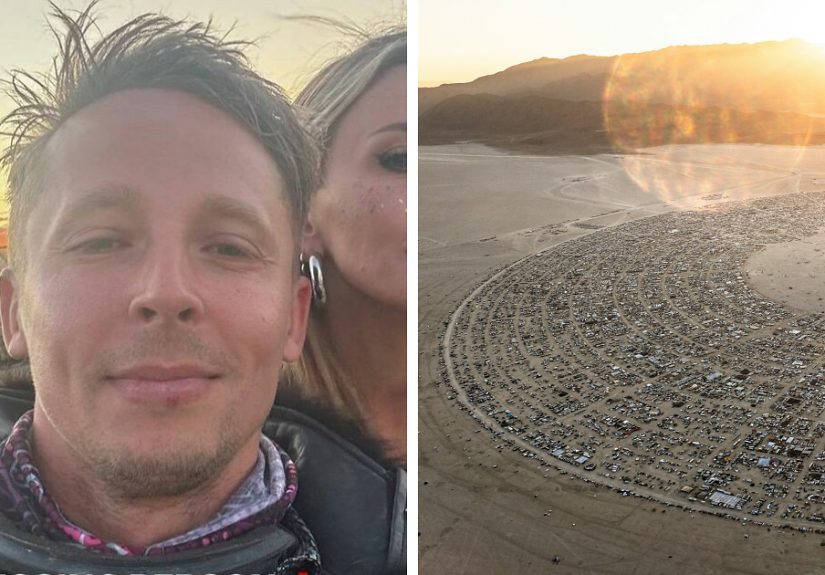
Burning Man, held annually in the Nevada desert, is renowned for its eclectic mix of performances, art installations, and participatory experiences. Sadly, this year’s festival ended in tragedy when a 25-year-old attendee, Alex Hayes, died after sustaining severe injuries during an accident involving one of the art installations. The incident has cast a dark shadow over the event and raised pressing questions about safety protocols at large-scale gatherings.
In the wake of the tragedy, Alex’s father, Michael Hayes, has come forward with a heart-wrenching statement. He described his son as an adventurous spirit who loved the creative freedom the festival embodied but also expressed deep concerns about the festival’s lack of adequate safety measures. Michael’s emotional appeal for better regulation at the event has ignited a flurry of social media discussions, with many calling for the event to be canceled entirely.
Calls for Cancellation Grow Louder
Following the tragic incident, several high-profile activists, safety advocates, and even some former festival-goers have begun to voice their support for the cancellation of the Burning Man Festival. The argument for cancellation is rooted in the perceived irresponsibility of the organizers in addressing safety concerns at an event that draws tens of thousands of people each year.
Critics argue that the festival’s reputation for radical self-expression and risk-taking creates an environment where safety regulations take a back seat to artistic expression. They point to the lack of medical personnel on-site in some areas, the absence of designated emergency pathways, and inadequate crowd control measures. The tragic death of Alex has served as a catalyst for a larger conversation about whether festivals like Burning Man, which thrive on pushing boundaries, are endangering the very people they attract.
The Counterarguments: Should Burning Man Be Canceled?
While calls for cancellation intensify, others contend that the tragic incident, though heartbreaking, should not lead to the end of a beloved cultural event. Advocates for the festival argue that the spirit of Burning Man is one of personal responsibility, where participants take part in a shared social contract to respect both the environment and their peers.
Supporters of the festival point out that Burning Man has long been committed to its “Leave No Trace” policy, encouraging environmental stewardship and community-building among its participants. The event is also designed to be a space for individuals to explore new ideas, share experiences, and connect with others in a way that few other festivals allow. To cancel it based on one tragic event, they argue, would be to ignore the broader cultural impact and the joy it brings to so many.
Furthermore, organizers have stated that they are already working on improving safety measures, including enhancing emergency response times, improving on-site medical resources, and implementing better crowd control strategies. They emphasize that the festival’s core values of radical self-reliance and community support will continue to be the guiding principles, with safety being a top priority moving forward.
The Role of Community and Accountability
The tragic loss has brought into sharp focus the need for a balance between freedom and responsibility in communal spaces. Burning Man has always celebrated the idea of personal responsibility, where individuals are expected to take care of themselves and contribute to the welfare of the community. This self-reliant culture, however, doesn’t absolve the organizers from ensuring basic safety protocols are in place.
The father of the victim, Michael Hayes, has called for a more stringent review of safety standards at all levels of the event, from transportation to health services. His concerns are echoed by many who believe that the festival’s growth and evolution should not come at the expense of participant safety.
What’s Next for Burning Man?
As the calls for cancellation and reform continue, the future of Burning Man hangs in the balance. While some demand that the festival be shut down, others are pushing for a more measured approach that includes stricter safety regulations without sacrificing the festival’s essence. It’s clear that there are no easy answers, but the conversation has opened the door for an important dialogue about the intersection of art, community, and safety at large-scale cultural events.
Conclusion: A Cultural Shift in the Making?
The tragic death at Burning Man has undoubtedly altered the festival’s narrative, and it is likely that the calls for reform will only grow louder. However, as with any cultural institution, change takes time, and it is crucial that those involvedwhether organizers, participants, or safety expertswork together to address these issues thoughtfully and effectively. Burning Man has the potential to evolve into a more inclusive, safe, and responsible festival, but only if its community takes accountability for its actions and its impact on others.
Extra Thoughts: Is It Time for a Cultural Shift?
The Burning Man Festival has long been a space for self-expression, a place where individuals come together to explore new ideas and create without the usual boundaries of modern society. However, as this recent tragedy illustrates, the festival’s unique ethos may no longer be enough to ensure participant safety in the face of its exponential growth.
For years, Burning Man has thrived on the idea of radical self-reliance, with the expectation that participants take care of themselves. But in the modern world of large-scale events, where crowd sizes are growing and the stakes are higher, this ideal can clash with the realities of event management and safety. As we’ve seen, accidents happen, and in such a vast and chaotic environment, even the best-intentioned actions can go awry.
The future of Burning Man may hinge on how the organizers, along with the community at large, address these concerns. There’s a need to strike a delicate balance between preserving the festival’s core values and ensuring the safety and well-being of all attendees. This could involve revisiting policies on crowd control, improving medical response times, and implementing more stringent safety checks without stifling the very spirit that makes Burning Man special.
As discussions continue to unfold, it’s clear that the conversation around safety at Burning Man is far from over. And while cancellation may not be the answer, a shift in how the festival approaches its logistics and safety practices could be a step in the right direction. Ultimately, the festival will need to evolve to maintain its status as a beloved cultural institutionone that continues to inspire creativity while also protecting the people who make it possible.