Table of Contents >> Show >> Hide
- Why Chicken Wire Works So Well in Farmhouse Decor
- What Defines a Good Farmhouse Lamp Shade Today
- How to Create a Farmhouse Look on a Lamp Shade With Chicken Wire
- Simple DIY Steps for a Chicken Wire Lampshade
- Best Places to Use a Chicken Wire Lamp Shade
- Styling Ideas That Make the Look Feel Finished
- Mistakes to Avoid
- Safety and Maintenance Tips
- Is a Chicken Wire Lamp Shade Worth Trying?
- Real-World Experiences With a Farmhouse Chicken Wire Lamp Shade
Some decorating ideas are loud. They kick the door open, demand applause, and practically arrive wearing rhinestones. A chicken wire lamp shade is not that kind of idea. It is quieter, moodier, and much more charming than it has any right to be. It takes an everyday lamp and gives it that collected-over-time farmhouse look people love: a little rustic, a little vintage, and just rough enough around the edges to feel authentic instead of showroom-perfect.
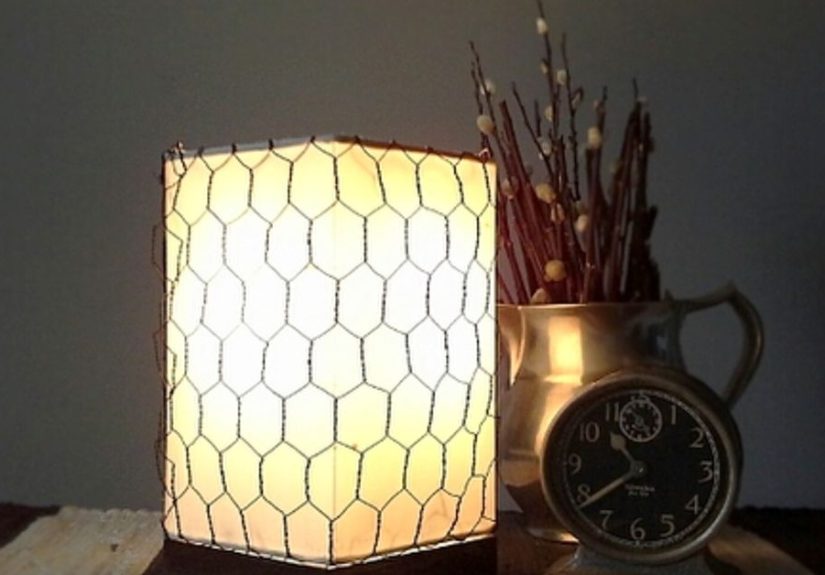
If you are trying to create a farmhouse look on a lamp shade with chicken wire, the appeal is easy to understand. The metal mesh adds texture without making the room feel heavy. It lets light pass through in a softer, more interesting way. It plays nicely with distressed wood, linen, old crocks, galvanized finishes, black metal, mason jars, weathered tables, and all the other pieces that tend to hang around farmhouse interiors like they own the place. Best of all, it can be a budget-friendly DIY that looks far more custom than its materials would suggest.
This guide covers how to get the look, how to style it, what mistakes to avoid, and how to keep the lamp practical and safe. Because yes, rustic charm is wonderful, but not if your lamp starts behaving like it has anger issues.
Why Chicken Wire Works So Well in Farmhouse Decor
Farmhouse style has evolved over the years, but the heart of it has stayed the same. The look still leans on natural texture, simple shapes, muted color, and materials that feel useful instead of overly precious. Chicken wire fits into that world almost perfectly. It is humble, a little industrial, and visually lightweight. In other words, it looks like it has a backstory, even when you bought it on Tuesday.
What makes a chicken wire lamp shade especially effective is contrast. A lamp is usually associated with softness: warm light, fabric shades, cozy corners. Chicken wire introduces a harder, grid-like structure. When those two ideas meet, the result feels layered and interesting. The wire keeps the shade from looking too sweet, while the lamp keeps the wire from looking too cold. That push and pull is what gives farmhouse lighting its personality.
Another reason the look works is because the wire is open rather than solid. Heavy metal shades can feel severe, especially in small rooms. Chicken wire gives you texture without turning the lamp into a tiny lighthouse with trust issues. Light still escapes. The room still feels warm. You get the rustic effect without sacrificing comfort.
What Defines a Good Farmhouse Lamp Shade Today
Texture Comes First
Modern farmhouse and classic farmhouse interiors both rely on texture more than shine. Think linen, jute, weathered wood, matte black, rope, wicker, worn paint, and aged metal. A chicken wire lamp shade fits naturally into that mix because it adds another tactile layer. Even when the color is simple, the texture does the heavy lifting.
Muted Color Keeps It Timeless
The best farmhouse lamp shades usually stay in a restrained palette. Black, white, cream, soft gray, antique bronze, aged zinc, and natural wood tones all work beautifully. Chicken wire can be left plain for a raw look, painted matte black for a more refined farmhouse feel, or lightly dry-brushed with white to imitate a timeworn finish. Bright metallic paint usually ruins the mood. Farmhouse style should whisper, not yell across the room.
Imperfect Details Add Character
Farmhouse decorating loves pieces that feel handmade, repurposed, or slightly worn. That does not mean sloppy. It means human. A chicken wire shade looks best when it has a little texture, a bit of patina, and enough irregularity to feel real. You are not building a lab instrument. You are creating something cozy enough to sit beside a stack of old books and a chipped ceramic pitcher.
How to Create a Farmhouse Look on a Lamp Shade With Chicken Wire
Start With the Right Shade Shape
Drum, empire, and tapered shades are the easiest shapes to work with. If you are using an old lamp shade frame, remove damaged fabric and keep the metal skeleton intact. A frame gives the chicken wire structure and makes the finished result feel intentional instead of improvised. If the frame is bent, fix that first. Rustic is good. Crooked enough to cause emotional distress is not.
Choose the Right Wire Scale
Not all chicken wire creates the same effect. Finer mesh feels more decorative and subtle, while larger openings look rougher and more utilitarian. For most indoor farmhouse lamps, a smaller or medium hex pattern works best. It reads as rustic without looking like you borrowed supplies from a barn renovation halfway through.
Soften the Metal With Layering
A chicken wire lamp shade does not have to be wire alone. In fact, some of the most attractive versions combine materials. Try lining the inside with light linen or muslin for a softer glow. Add a simple fabric band around the top or bottom edge. Wrap the frame in twine before attaching the mesh. Mix in wood bead trim if the room leans cottage farmhouse. These small details keep the shade from feeling too stark.
Use a Finish That Matches the Room
If your space has black iron hardware, matte black chicken wire or a dark waxed finish will look cohesive. If the room is softer and brighter, whitewashed or antiqued wire may blend better. In a room with lots of warm woods and old brass, a gently aged brown or pewter finish can feel especially natural. Match the lamp to the room instead of treating it like a solo act.
Simple DIY Steps for a Chicken Wire Lampshade
- Gather your supplies. You will need a lamp shade frame, chicken wire or similar mesh, wire cutters, work gloves, pliers, zip ties or floral wire, and optional paint or trim.
- Measure the frame carefully. Measure the height and circumference so you can cut the mesh with enough overlap to attach it neatly.
- Cut the wire slowly. Wear gloves and cut cleanly. Leave a little extra on the edges so you can fold sharp ends inward.
- Wrap the frame. Shape the chicken wire around the frame and secure it at the seam first. Then attach it at the top and bottom rings.
- Fold and crimp rough edges. This step matters. A farmhouse lamp should not double as a trap for sleeves, fingers, or unsuspecting dust cloths.
- Add finish details. Paint the wire, tie on a linen ribbon, add a wood finial, or line the inside with fabric for a softer effect.
- Test the lamp with the correct bulb. Use an LED bulb that stays cooler and fits the lamp’s wattage recommendations.
The easiest version of this project is a wire-over-frame makeover. The more advanced version includes an interior fabric liner or decorative trim. Either way, the key is balance. You want the shade to look handcrafted, not hurried.
Best Places to Use a Chicken Wire Lamp Shade
Entry Table Lamps
An entry table is a perfect place for this look. A chicken wire lamp shade immediately signals warmth, texture, and personality before guests even make it past the doormat. Pair it with a reclaimed wood console, a crock full of stems, and a simple mirror with a distressed frame.
Bedside Lamps
Farmhouse bedrooms love layers: quilts, linen curtains, wood nightstands, vintage accents. A chicken wire lamp shade adds just enough grit to keep the room from feeling too polished. For bedrooms, soften the wire with a light fabric lining so the glow stays gentle.
Living Room Accent Lighting
In a living room, this type of shade works best on side tables or a console behind the sofa. It helps create that soft, shaded light that makes a room feel more relaxed than a ceiling fixture alone. The open mesh also gives the lamp visual texture during the day, even when it is switched off.
Kitchen Corners and Breakfast Nooks
Farmhouse kitchens benefit from small decorative lamps more than people sometimes expect. A chicken wire shade can look especially charming near a hutch, pantry area, or breakfast nook, where it echoes other rustic details like wire-front cabinets, wooden stools, enamelware, or galvanized containers.
Styling Ideas That Make the Look Feel Finished
- Pair it with linen. Linen runners, relaxed curtains, and neutral pillows help soften the metal.
- Repeat the finish. If your lamp has black wire, repeat black metal somewhere else in the room with curtain rods, cabinet pulls, or frames.
- Add old wood nearby. A weathered table or antique crate grounds the lamp and reinforces the farmhouse mood.
- Use warm bulbs. The farmhouse look is cozy, not clinical. Warm LED light usually flatters the shade best.
- Mix rustic with one refined element. A rough wire shade looks better when paired with something elegant, like a turned lamp base, a pleated cloth, or a brass accent.
The trick is not to over-theme the room. One chicken wire lamp shade feels stylish. Five may start to feel like the house is preparing for extremely fashionable hens.
Mistakes to Avoid
Going Too Raw
Unfinished wire can be beautiful, but it should still look intentional. If the cut ends are sticking out or the surface looks dirty rather than aged, the project can slide from farmhouse charm into garage leftovers very quickly.
Using the Wrong Bulb
Because wire shades are open, the bulb is often more visible. That means shape, brightness, and color temperature matter. A harsh cool-white bulb can make the lamp feel sterile. A warm LED bulb usually gives the nicest result and keeps heat lower than older incandescent options.
Ignoring Scale
A bulky shade on a delicate base looks top-heavy. A tiny shade on a chunky vintage lamp looks accidental. Make sure the lamp base and shade size feel proportional. The chicken wire should enhance the lamp, not visually wrestle it.
Forgetting Comfort
Rustic design still needs to feel livable. If the wire throws awkward shadows, feels too industrial, or makes the room seem colder, add a fabric liner or surrounding soft textures. Farmhouse style should feel welcoming, not like an antique store arguing with a hardware aisle.
Safety and Maintenance Tips
Any DIY lighting project needs a little common sense. Use the bulb type and wattage your lamp is designed for, and do not ignore the manufacturer’s recommendations. LED bulbs are usually the smartest choice because they are energy efficient, long-lasting, and generally produce far less heat than traditional incandescent bulbs. That matters in decorative shades where heat management is worth respecting.
Check that the wire does not touch the bulb. Make sure nothing flammable is pressed directly against hot components. Inspect older lamp wiring before investing time in a makeover. If the cord is cracked, the socket is loose, or the lamp wobbles like it had a dramatic childhood, fix the lamp before styling it.
For cleaning, dust the wire regularly with a dry microfiber cloth or a soft brush attachment. If the finish is painted, avoid soaking it. If the wire is intentionally aged, embrace a little patina but not active grime. There is a line between charming and suspicious, and dust is often standing on it.
Is a Chicken Wire Lamp Shade Worth Trying?
Absolutely, especially if you love farmhouse decor but want something with more character than a standard fabric shade. A chicken wire lamp shade is affordable, customizable, and surprisingly versatile. It can look primitive, modern farmhouse, cottage farmhouse, or even slightly industrial depending on the finish and the lamp base you pair it with.
It also solves a common decorating problem: how to make a room feel more layered without adding clutter. A lamp is functional. A textured shade makes that function decorative. You are not just placing another object in the room. You are upgrading one that already earns its keep.
The best part is that this look does not require a perfectly renovated farmhouse or a giant decorating budget. It works in suburban homes, apartments, cottages, and older houses that just need a bit more soul. A little wire, a warm bulb, and a good lamp base can go a long way.
Real-World Experiences With a Farmhouse Chicken Wire Lamp Shade
One of the most interesting things about living with a chicken wire lamp shade is how different it feels from looking at one in a store or on a screen. In photos, the wire usually reads as a style choice. In real life, it changes the mood of the lamp throughout the day. In the morning, the shade looks more sculptural than glowy. You notice the pattern, the texture, and how the metal works with nearby wood or painted furniture. At night, the personality shifts. The mesh becomes softer, the light sneaks through the openings, and the lamp starts doing exactly what farmhouse lighting should do: making the room feel settled, calm, and a little more personal.
Many people are surprised by how much visual depth the shade adds to a simple corner. A plain side table with a basic lamp can look forgettable. Add a chicken wire shade, and suddenly the corner has a story. It feels layered, even if the rest of the setup is simple. A stack of books, a ceramic vase, and that one lamp are often enough. That is part of the charm. You do not need to redecorate the whole room to enjoy the effect.
Another common experience is realizing that the lamp looks best when the surrounding materials support it. Chicken wire tends to shine in rooms with other natural textures. Beside a glossy plastic table, it can feel misplaced. Beside weathered wood, linen, pottery, or matte metal, it suddenly looks right at home. That is useful to know before you build one. The lamp shade may be the star, but the supporting cast matters.
People also notice that bulb choice makes a huge difference. With a cool, bright bulb, the wire can look a little stark. With a warm LED bulb, the lamp feels softer and more inviting. That small switch often determines whether the finished project feels cozy or slightly too industrial. In real homes, the best farmhouse lighting is rarely the brightest thing in the room. It is the light that makes everyone want to sit down for “just five minutes” and then mysteriously remain there for an hour.
There is also a practical side to the experience. A chicken wire shade is often easier to maintain than a delicate fabric one. It does not stain in the same way, and it handles everyday life well. Dusting still matters, of course, because open mesh loves collecting dust like it is building a private museum. But many homeowners find it forgiving, especially in busy living spaces.
Most of all, the experience feels satisfying because the result looks custom. Even a simple DIY version often gets noticed. Guests ask where it came from. That is always a fun moment, especially when the answer is essentially, “From a lamp frame, some wire, and an unreasonable amount of determination.” It feels creative without being fussy, distinctive without being expensive, and rustic without turning your home into a themed restaurant.
If your goal is to make a room feel warmer, more textured, and less generic, a farmhouse look on a lamp shade with chicken wire is one of those rare ideas that is both practical and full of personality. It is not flashy. It is better than flashy. It is the kind of detail that quietly makes a home feel lived in, loved, and a little more memorable.