Table of Contents >> Show >> Hide
- Why Linen Still Has a Loyal Following
- What Makes Coyuchi Linen Bedding Different
- How Coyuchi Linen Compares With Other Bedding Materials
- The Real Pros of Coyuchi Linen Bedding
- The Tradeoffs You Should Know Before Buying
- How to Care for Coyuchi Linen Bedding
- Who Should Buy Coyuchi Linen Bedding?
- Design Tips: How to Style Coyuchi Linen Bedding
- Experience Section: What Living With Coyuchi Linen Bedding Actually Feels Like
- Final Thoughts
Note: Source links are intentionally omitted for web publishing. Content is fully rewritten in standard American English and formatted for easy copy/paste.
If your bed could file a formal complaint, it would probably say this: “Please stop trapping me in sweaty, synthetic chaos.” That is exactly why linen bedding keeps winning fans, and why Coyuchi has become one of the more recognizable names in the natural-textile conversation. Coyuchi’s linen bedding is built around organic French flax, a relaxed look, and a sustainability story that aims to sound less like marketing glitter and more like an actual supply-chain effort.
In plain English, Coyuchi linen bedding is for people who want their bedroom to feel airy, lived-in, and quietly luxurious without looking like a hotel brochure exploded on the mattress. It leans into the charm of real linen: texture, breathability, softness that improves over time, and a crinkled finish that says, “I have style,” not, “I forgot to fold the laundry.”
This article takes a close look at what makes Coyuchi’s linen bedding stand out, where it fits in the larger world of fabrics and linens, what shoppers should know before buying, how to care for it, and what the real-life experience is typically like after the first few nights, first wash, and first moment you realize your bed suddenly looks much more expensive than your weekend plans.
Why Linen Still Has a Loyal Following
Linen is made from flax, and that matters because flax creates a fabric with a personality all its own. Compared with many cotton sheets, linen is generally more breathable, more durable, and better at wicking away moisture. It also has a matte, natural finish that feels more relaxed than glossy sateen or super-smooth hotel-style bedding. If cotton is the eager people-pleaser, linen is the cool friend who shows up late, looks amazing, and somehow gets better with age.
That cool-to-the-touch quality is one of linen’s biggest selling points. Hot sleepers often gravitate toward linen because it allows more airflow and tends not to trap heat the same way denser fabrics can. At the same time, linen is not just a summer fling. It is often praised for year-round comfort because it helps regulate temperature instead of feeling seasonally one-note.
Another reason linen remains popular is longevity. Good linen is not usually cheap up front, but it is often framed as an investment fabric. Instead of wearing out quickly, it tends to soften and break in over time. That means the relationship may begin with a little awkwardness and texture, then improve into something much more comfortable. Frankly, that is more than can be said for some group chats.
What Makes Coyuchi Linen Bedding Different
Coyuchi has built its reputation around natural fibers, organic standards, and home textiles that aim to be both elevated and responsible. In its linen collection, the brand emphasizes GOTS-certified organic French linen, temperature regulation, and a relaxed hand feel. Its linen bedding is marketed as ideal for every season, which lines up with broader expert guidance on linen as a breathable, moisture-managing bedding material.
One detail that helps Coyuchi stand out is sourcing. The brand’s linen products are described as being made from organic flax grown in France and woven into linen in Portugal. That gives the bedding a distinctly European fiber story, which matters because flax for higher-end linen is often associated with Western Europe’s climate and growing conditions. In other words, this is not bargain-bin mystery fabric wearing an eco-friendly costume.
Coyuchi’s relaxed linen line is also known for a somewhat heavier feel than ultra-light linen competitors, with reviewers noting a weight around 185 GSM. That can translate to a more substantial drape on the bed without tipping into heavy or stuffy. The fabric is generally described as breathable, durable, and able to soften with each use and wash.
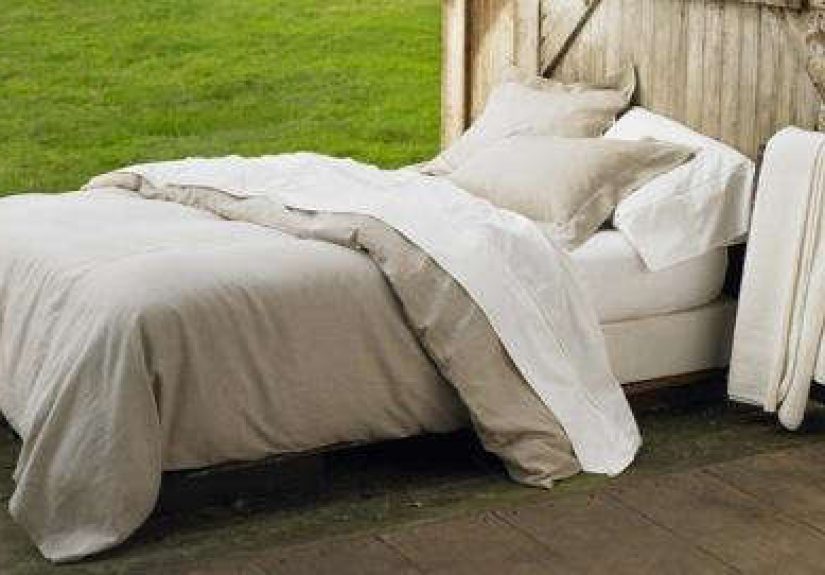
From a design standpoint, Coyuchi plays to its strengths. Expect muted, earthy colors rather than flashy prints or trend-chasing patterns. The overall effect is calm, natural, and intentionally understated. If your dream bedroom lives somewhere between “organic retreat” and “California coastal without the seashell overkill,” Coyuchi understands the assignment.
Certifications and Material Story
For many shoppers, certifications are not just extra badges on a product page. They are part of the trust equation. Coyuchi highlights GOTS certification in its linen collection and also points shoppers toward broader standards and certifications across the brand. The value of GOTS is that it goes beyond a simple fiber claim and speaks to environmental and human-safety requirements throughout the supply chain.
That matters in bedding because sheets and duvet covers live very close to your skin for many hours each night. Buyers who care about organic textiles, lower-impact dyes, or broader supply-chain transparency often see certification as more than marketing polish. It becomes part of the reason to choose one premium bedding brand over another.
Thoughtful Product Details
Coyuchi’s linen bedding is not just about fiber sourcing. The practical details matter, too. Its linen sheet sets are commonly noted for deep pockets, which is useful for modern mattresses that have become absurdly thick for no good reason. The bedding is also available as separates in some cases, which helps shoppers build a bed more intentionally rather than paying for pieces they do not need.
The brand’s linen duvet covers are positioned as especially versatile for couples who sleep differently, thanks to linen’s temperature-regulating qualities. That is not magic, of course, but it is helpful. If one person sleeps like a furnace and the other behaves like a Victorian ghost, breathable bedding can make the compromise less dramatic.
How Coyuchi Linen Compares With Other Bedding Materials
The easiest comparison is cotton, because that is what most people already know. Cotton can feel softer immediately, especially in sateen form, and it usually costs less. It also comes in more patterns, prints, and finishes. If you want silky smoothness on night one, cotton may still win that first impression contest.
Linen, however, has a different appeal. It is more textured, more relaxed-looking, and often better loved by people who prioritize airflow and durability over instant softness. Coyuchi’s version leans heavily into that identity. It is not trying to mimic sateen or pass itself off as wrinkle-free. Quite the opposite: the natural creasing is part of the charm.
Compared with synthetic blends, Coyuchi linen feels more breathable and more premium. Compared with budget linen, it aims for stronger sourcing credibility and a more refined finish. Compared with ultra-luxury linen brands, it tends to sit in that appealing space where the materials and sustainability story feel elevated, but the aesthetic remains accessible rather than intimidatingly precious.
The Real Pros of Coyuchi Linen Bedding
1. Strong Breathability
Linen is widely favored for airflow, and Coyuchi’s linen bedding is built around that benefit. For hot sleepers or anyone who hates waking up feeling like a microwaved burrito, that is a major advantage.
2. Gets Better Over Time
Many reviewers and bedding experts note the same pattern: linen may start out crisp or textured, then become softer with repeated washing and use. Coyuchi leans into that long-game appeal rather than pretending the fabric behaves like brushed microfiber from day one.
3. Relaxed, High-End Look
Some fabrics look best when ironed into submission. Linen is not one of them. Coyuchi’s rumpled, organic appearance is part of what makes it visually appealing. The bed looks styled without looking fussy, which is a surprisingly hard balance to achieve.
4. Sustainability Appeal
Organic certification, natural fibers, and Coyuchi’s broader circularity messaging all help position the brand as a strong choice for shoppers who want more than just pretty bedding. The company also promotes programs tied to resale and renewal, which adds another layer to the long-term value story.
5. Durability
Linen is often praised as a long-lasting fabric, and Coyuchi’s heavier-weight linen supports that reputation. While no sheet set is immortal, linen generally holds its own very well when cared for properly.
The Tradeoffs You Should Know Before Buying
Let us be honest, because your credit card deserves emotional preparation.
First, linen is expensive. Coyuchi is not entry-level bedding, and its linen collection sits firmly in the premium category. You are paying for the material, the production story, the certifications, and the brand positioning.
Second, linen wrinkles. A lot. If you want a perfectly smooth, glossy bed, this is not your soul mate. Coyuchi linen looks best when you stop fighting its nature and let it be beautifully rumpled.
Third, the feel is not for everyone. Some people adore the texture from the first night. Others need a few washes to get on board. If your personal definition of comfort is “soft as buttered clouds,” linen may take some adjustment.
Finally, color and pattern options tend to be more restrained than what you will find in mainstream cotton collections. That is part of the brand identity, but it does mean less room for loud design drama.
How to Care for Coyuchi Linen Bedding
Linen is durable, but that does not mean you should treat it like a camping tarp. The best routine is gentle, simple, and consistent.
Washing
Cold water is generally recommended for linen to help preserve the fabric’s fit and finish. A mild detergent is the smart move, and bleach is best avoided because it can damage color and fibers. If you are washing sheets, a weekly schedule is a solid rule of thumb for hygiene and overall freshness.
Drying
Low heat is typically the safer choice for linen, and removing bedding promptly from the dryer helps cut down on excessive creasing. Air drying is even better when possible, especially for people who want to preserve the fabric and embrace that naturally easy look.
Softening Over Time
One of the nice things about linen is that routine care actually helps the fabric along. With repeated washing, the bedding becomes more supple. That means regular use is not the enemy here; it is part of the appeal.
Who Should Buy Coyuchi Linen Bedding?
Coyuchi linen bedding makes the most sense for shoppers who care about fabric provenance, organic certifications, breathability, and a laid-back luxury look. It is especially attractive for hot sleepers, design-minded homeowners, and anyone trying to move away from synthetic-feeling bedding toward more natural materials.
It is also a good fit for the shopper who would rather buy fewer, better things. Coyuchi’s pricing only feels remotely reasonable if you value longevity, everyday comfort, and a more intentional textile story. If you change bedroom aesthetics every six months and treat sheets like disposable trend accessories, there are cheaper paths to that chaos.
On the other hand, if you want instant silkiness, crisp pattern-heavy bedding, or the lowest possible price, Coyuchi linen may not be your best match. That is not a flaw. It just means linen has a personality, and Coyuchi does not try to hide it.
Design Tips: How to Style Coyuchi Linen Bedding
The easiest way to make Coyuchi linen bedding look great is to stop over-styling it. Linen already brings texture, movement, and softness to a room. Pair it with neutral walls, wood tones, a lightweight blanket, or a contrasting quilt, and let the fabric do the visual work.
Mixing tones also helps. A linen duvet in a muted earth shade with lighter pillowcases or a natural-toned sheet set can create depth without making the bed look too coordinated. This is the bedding equivalent of effortless style, which usually takes some effort, but at least looks like it did not.
You can also layer linen with cotton or wool accents depending on the season. That is one of linen’s strengths: it plays well with other natural textures. A bed dressed in Coyuchi linen rarely looks overdone. It just looks calm, which is increasingly rare in a world where even alarm clocks seem to have branding strategies.
Experience Section: What Living With Coyuchi Linen Bedding Actually Feels Like
The first experience many people have with Coyuchi linen bedding is visual before it is tactile. You take it out of the package and immediately notice that it does not scream for attention. It looks soft but not shiny, elevated but not formal. The colors usually feel grounded, the texture feels real, and the whole thing has that “quiet luxury” energy people keep talking about without requiring a trust fund or a candle named after a forest.
Then comes the first touch. If you are new to linen, you may be surprised that it does not feel buttery like sateen. It feels textured, a little crisp, and unmistakably natural. That first impression tends to split people into two camps: those who love the authenticity right away and those who need a minute. Coyuchi linen is often described as softer than some rougher linen options, but it still feels like linen. That is important. It has character.
The first night usually tells you whether the breathability lives up to the hype. For hot sleepers, this is often where the fabric earns its keep. The bedding feels airy instead of clingy, and the bed does not build up as much warmth as denser sheets can. People who share a bed may notice that the temperature balance feels a bit less dramatic, especially when one sleeper tends to overheat. No sheet set can solve every bedtime negotiation, but breathable linen can at least remove one argument from the agenda.
After the first wash, the relationship improves. The fabric begins to relax. It drapes better, feels less crisp, and starts moving toward that softened, broken-in texture linen fans are always bragging about. The wrinkling is still there, of course, but by then it reads more as intentional charm than laundry failure. That is part of the Coyuchi linen experience: you stop trying to make it look perfectly pressed and start appreciating that it looks inviting on purpose.
Over time, the experience becomes less about novelty and more about habit. Making the bed is easier because the slightly rumpled look still works. Sleeping feels comfortable year-round. The bedding looks good in morning light, in low lamp light, and even during those chaotic “I shoved everything around before guests came over” moments. It becomes the kind of textile you notice less for drama and more for consistency. And honestly, that may be the highest compliment a bed can get.
Final Thoughts
Coyuchi linen bedding is not trying to be everything for everyone. It is not ultra-slick, ultra-cheap, or trend-chasing. What it offers instead is a thoughtful take on linen bedding: organic French flax, Portugal weaving, breathable comfort, durable construction, and a style that feels relaxed rather than staged.
For shoppers exploring fabrics and linens with a more natural, long-term mindset, Coyuchi is easy to understand. It sells the idea that bedding should feel good, look calm, and age gracefully. If that is what you want from your sleep setup, Coyuchi linen bedding makes a compelling case for itself. And if nothing else, it is a very elegant way to tell sweaty, scratchy, lifeless bedding that its services are no longer required.