Table of Contents >> Show >> Hide
- What Makes Exploding Truffles Work?
- Ingredients for Exploding Truffles
- How to Make Exploding Truffles Recipe with Pop Rocks
- Why This Recipe Succeeds
- Common Mistakes to Avoid
- Flavor Variations to Try
- Serving and Storage Tips
- Are Exploding Truffles Hard to Make?
- Experience: What Making Exploding Truffles Feels Like in Real Life
Some desserts whisper. These truffles absolutely do not. They crackle, pop, and make people stop mid-bite like they just discovered dessert has sound effects. If you have ever wanted a chocolate treat that feels equal parts fancy candy-shop indulgence and edible science experiment, this Exploding Truffles Recipe with Pop Rocks is your moment.
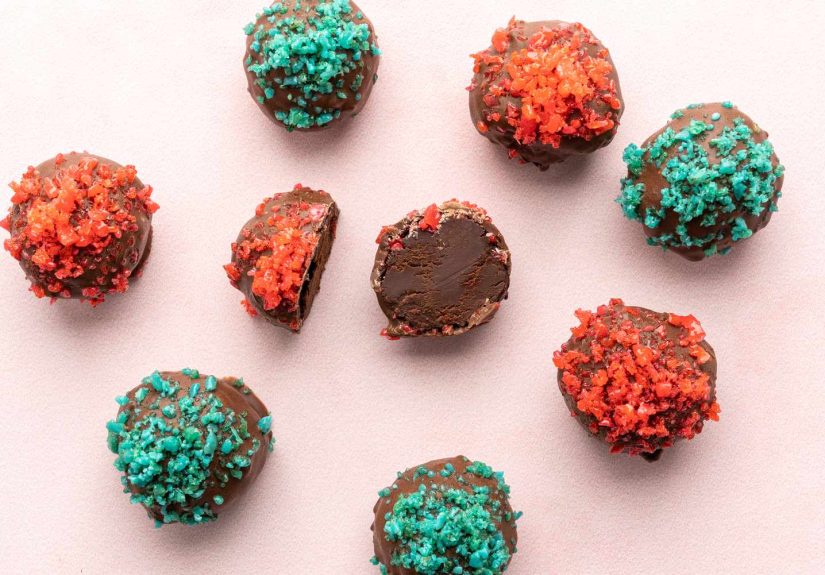
At first glance, exploding truffles look like classic chocolate truffles: rich ganache center, glossy shell, bite-size shape, undeniable ability to disappear from the plate at suspicious speed. But tucked inside is the real magic: popping candy. The result is creamy chocolate followed by a fizzy, crackly surprise that turns an ordinary truffle into a tiny party.
The trick is not just tossing Pop Rocks into chocolate and hoping for the best. Moisture is the villain here, and humidity can turn your dramatic dessert into a very quiet one. The good news is that once you understand how to build a firm ganache, protect the candy, and work in the right order, this recipe is completely doable at home. It is also wildly fun. Not elegant tea-room fun. More like “why is everyone laughing in the kitchen?” fun.
What Makes Exploding Truffles Work?
Traditional chocolate truffles are built around ganache, a mixture of chocolate and cream. For exploding truffles, you want a ganache firm enough to scoop and chill, but still creamy when eaten. That texture matters because it gives you a rich center without leaking moisture into the popping candy too soon.
The other big decision is the outside coating. You can use tempered chocolate for better flavor and a cleaner snap, or candy coating if you want a more forgiving finish. Tempered chocolate tastes more luxurious, while candy coating is easier for beginners and sets reliably. Either choice can work, but the real job of the shell is the same: keep the Pop Rocks as dry and protected as possible until the moment someone bites in.
That is why the best exploding truffles are usually made one of two ways: either the ganache is rolled, lightly coated in popping candy, and quickly sealed in chocolate, or the candy is tucked into a molded shell so it stays away from the moist center until the last possible second. Both methods are valid. The version below is designed for home cooks who want excellent results without needing a chocolatier diploma or a dramatic French accent.
Ingredients for Exploding Truffles
For the ganache center
- 8 ounces good-quality dark or semisweet chocolate, finely chopped
- 1/2 cup heavy cream
- 1 tablespoon unsalted butter
- 1/2 teaspoon vanilla extract
- Pinch of fine sea salt
For the exploding finish
- 5 to 6 packets Pop Rocks or other popping candy
- 12 ounces chocolate candy coating or tempered dark chocolate
- 1 tablespoon cocoa powder, optional, for dusting your hands or tray
Optional flavor boosters
- 1/4 teaspoon espresso powder for deeper chocolate flavor
- 1 or 2 drops strawberry or cherry extract if you want the candy flavor to stand out more
- Flaky sea salt for a sweet-salty finish
Best flavor tip: Fruity Pop Rocks flavors such as strawberry or cherry tend to pair especially well with dark chocolate. Green apple can work, but it gives the truffles a sharper, tangier profile. Some people love that contrast. Some people make one face, then eat another truffle anyway.
How to Make Exploding Truffles Recipe with Pop Rocks
Step 1: Make the ganache
Place the chopped chocolate, butter, vanilla, and salt in a heatproof bowl. Warm the heavy cream in a small saucepan just until it begins to simmer around the edges. Do not boil it like you are angry at it. Pour the hot cream over the chocolate mixture and let it sit for 1 to 2 minutes.
Stir gently until smooth, glossy, and fully combined. If a few bits of chocolate remain, set the bowl over barely warm water for a few seconds and stir again. You want a silky ganache, not a scorched one.
Step 2: Chill until scoopable
Cover the bowl and refrigerate the ganache for 1 to 2 hours, or until it is firm enough to scoop. The texture should feel like soft clay. If it becomes rock hard, let it sit at room temperature for a few minutes before shaping.
Step 3: Portion the centers
Line a tray or plate with parchment paper. Scoop small portions of ganache, about 1 teaspoon to 2 teaspoons each, and roll them into balls. Work quickly so the heat from your hands does not melt the chocolate too much. If things get messy, refrigerate the tray for 10 minutes and regroup. Chocolate waits for no one, but it does respond well to a short chill.
Step 4: Add the Pop Rocks
Open only one packet of Pop Rocks at a time. This part matters. Popping candy loses its drama when exposed to moisture and air too long. Roll each truffle lightly in the candy, pressing just enough so some crystals stick to the outside. You are not building a gravel driveway here. A thin coating is enough.
Place the coated truffles back on the tray and chill for 10 to 15 minutes so they firm up again before dipping.
Step 5: Seal in chocolate
Melt the candy coating according to package directions, or temper your chocolate if you prefer a more classic shell. Dip each chilled truffle into the melted coating using a fork or dipping tool. Lift, tap off the excess, and place it back on parchment.
If you want a stronger “exploding” effect on the first bite, sprinkle a tiny pinch of fresh Pop Rocks on top immediately after dipping. Just know that exposed candy on the surface will lose its pop faster than candy sealed under the shell.
Step 6: Let them set
Allow the truffles to harden completely at cool room temperature. If your kitchen is warm, refrigerate briefly, but do not leave them in a damp environment for hours. Once set, serve them the same day for maximum crackle.
Why This Recipe Succeeds
This is more than a fun dessert gimmick. It actually has good kitchen logic behind it. A firm chocolate ganache gives the truffle body, while the outer shell helps insulate the popping candy from humidity. The small truffle size also works in your favor: quick bite, big payoff, less time for the candy to absorb moisture before it reaches your mouth.
The recipe also balances flavor and texture. Dark chocolate adds depth and keeps the sweetness from tipping into cartoon territory. Heavy cream softens the center. Butter adds a smoother mouthfeel. Then Pop Rocks burst in with a fizzy jolt that feels almost ridiculous in the best way possible. It is part candy-store nostalgia, part dinner-party trick, part genuinely delicious dessert.
Common Mistakes to Avoid
Using low-quality chocolate
If the chocolate does not taste good on its own, the truffles will not magically fix it. Use chocolate you would happily eat straight from the wrapper.
Opening all the Pop Rocks too early
That is the fastest way to turn “exploding truffles” into “mildly interesting chocolate balls.” Open one packet at a time and keep the rest sealed until needed.
Making the ganache too soft
If you add too much cream, the centers become harder to roll and more likely to soften the candy. Stick with a truffle-friendly ratio and chill thoroughly.
Taking too long to dip
Once the Pop Rocks are on the truffle, you want the shell on pretty soon after. Move with purpose. This is not the moment to answer three texts and reorganize your spice drawer.
Storing them forever
These truffles are at their best the day they are made. They can still taste good the next day, but the popping effect gradually fades.
Flavor Variations to Try
Strawberry fireworks truffles
Use strawberry Pop Rocks and add a drop of strawberry extract to the ganache. This version feels playful and slightly retro, like a Valentine from someone with excellent snack instincts.
Cherry blackout truffles
Pair cherry popping candy with bittersweet chocolate and a tiny drop of almond extract. It gives you that chocolate-cherry-cordial vibe without becoming syrupy.
Birthday cake explosion truffles
Use white candy coating, vanilla-forward ganache, and a few rainbow sprinkles on top. This one is cheerful to the point of being shameless.
Mocha crackle truffles
Stir espresso powder into the ganache and finish with dark chocolate coating. The coffee note makes the candy feel slightly more grown-up, which is useful when you want to serve a dessert that is both sophisticated and making tiny popping noises.
Serving and Storage Tips
Serve exploding truffles slightly cool, not ice-cold. Cold can mute flavor, while a slightly cool truffle keeps the shell firm and the center creamy. Arrange them on a dry plate, away from steam, direct sunlight, or any kitchen conditions that feel like a tropical vacation.
For the strongest popping effect, make these on the day you plan to serve them. If you need to hold them for a short time, store them in an airtight container in a cool, dry place. Refrigeration can help with firmness, but condensation is not your friend, so let them sit in the container as they come back toward serving temperature rather than exposing them immediately to humid air.
These are terrific for birthday dessert boards, Halloween candy trays, Valentine gift boxes, movie nights, and Harry Potter-themed parties. They also make an excellent “wait, what is happening in my mouth?” moment at dinner parties, which is honestly a valuable category of dessert.
Are Exploding Truffles Hard to Make?
Not really. They are more delicate than basic cocoa-dusted truffles, but they are not impossible. Think of them as a medium-effort, high-drama dessert. The biggest skills are patience, timing, and respecting the power of moisture. If you can make ganache, scoop chilled centers, and dip candy without panic, you can make these.
And even if your first batch looks a little rustic, that is fine. Truffles are forgiving. A slightly lopsided, crackly chocolate bite still tastes great. Nobody at the table is going to say, “This shell geometry is disappointing.” They are going to say, “Why is this truffle popping?” and then immediately reach for another one.
Experience: What Making Exploding Truffles Feels Like in Real Life
There is a very specific kind of joy that comes with making exploding truffles, and it starts before the first one is even finished. The minute the packet of Pop Rocks opens, the recipe changes from standard chocolate work into something far more mischievous. You are no longer just making candy. You are engineering a tiny edible prank with excellent flavor. That is part of the charm.
Most people expect truffle-making to feel serious and precise, like a quiet pastry project with soft music in the background and zero surprises. Exploding truffles do not cooperate with that mood. They crackle while you work. They make the tray sound alive. They create this oddly satisfying moment where you realize the kitchen itself has become part dessert lab, part comedy sketch.
The first real thrill usually happens when you roll the chilled ganache in the popping candy. You can hear the faint fizzing, and suddenly the recipe stops being theoretical. It becomes interactive. Even experienced home bakers who have made countless cookies, cakes, and candies tend to grin at this point, because there is something delightfully unserious about hearing your dessert argue back.
Serving them is another experience entirely. People almost always examine them first like normal truffles, expecting a rich chocolate bite and nothing more. Then they take a bite, pause, widen their eyes, and laugh. It is one of those rare homemade desserts that creates an instant reaction without needing towering layers, fancy garnish, or a blowtorch. The effect is built right into the bite.
Kids usually think the truffles are magical. Adults tend to become children again for about ten seconds, which may be even better. Suddenly everyone has a story about the last time they had Pop Rocks, the weird candy they loved growing up, or the dessert they once tried at a party that seemed impossible to recreate. That makes this recipe more than a sweet treat. It becomes a conversation starter.
There is also a practical side to the experience. You learn quickly that humidity is not abstract kitchen advice; it is a real thing with consequences. Leave the candy exposed too long and the pop softens. Take your time and the sparkle fades. Move efficiently, though, and the truffles reward you with that sharp crackle that makes the entire project worth it. In that way, the recipe teaches timing better than a dozen ordinary candies ever could.
Another memorable part is how customizable the whole process feels. One batch can lean rich and elegant with dark chocolate and sea salt. Another can go full carnival with white coating and bright fruit flavors. You can make them romantic, goofy, spooky, nostalgic, or party-ready depending on the coating and candy choice. Very few truffle recipes have that much personality packed into such a small shape.
By the time the last truffle sets, the kitchen usually looks like a chocolate crime scene, but a happy one. There may be smudged parchment, a suspicious number of “test bites,” and one fork that somehow ended up shellacked in hardened coating. That is normal. In fact, it is part of the experience. Exploding truffles are not the kind of dessert you make to feel neat and organized. They are the kind you make to have fun and produce a memorable plate of candy that people talk about long after dessert is over.
And that, really, is the best reason to make them. In a world full of predictable sweets, these truffles still manage to surprise. They are creamy, crunchy, fizzy, messy, nostalgic, and just fancy enough to seem impressive. Best of all, they remind you that dessert does not always have to be serious to be excellent. Sometimes it just needs chocolate, a little technique, and enough Pop Rocks to make everyone at the table smile.