Table of Contents >> Show >> Hide
- Table of Contents
- How the Ranking Works (So Nobody Throws a Nuka-Cola)
- Quick Ranking (Best to Worst)
- Tier 1: Legendary Obsidian
- Tier 2: Great Games With Real Bite
- Tier 3: Good, But Know What You’re Getting
- #9 Grounded (Honey, I Joined a Survival Crafting Addiction)
- #10 Tyranny (You Work for Evil… and That’s the Point)
- #11 Neverwinter Nights 2 (A Classic D&D Campaign With Some Dusty Bits)
- #12 Avowed (Big Fantasy Action With Obsidian DNA)
- #13 Pathfinder Adventures (Surprisingly Addictive, If You Like Dice Drama)
- #14 Grounded 2 (Provisional: Early Access Means the Story Isn’t Done Yet)
- Tier 4: Rough Draft Energy (Still Interesting)
- Tier 5: Not Their Superpower
- of “What It Feels Like” to Marathon Obsidian (A Field Guide)
- Conclusion
Obsidian Entertainment is the studio that shows up to the RPG party with a notebook full of moral dilemmas,
three competing factions, and one guy in the corner whispering, “What if the ending remembers what you did?”
Sometimes the results are legendary. Sometimes they’re… a fascinating group project that definitely happened.
This is a full ranking of every major, released Obsidian Entertainment gamefrom the crown jewels to the “we learned a lot”
experiments. The goal isn’t to dunk on anything for sport. It’s to explain why each game lands where it does, with enough detail
to help you choose what to play next (or what to lovingly argue about in the comments like a true fan).
Table of Contents
How the Ranking Works (So Nobody Throws a Nuka-Cola)
Ranking games is like ranking pizza: even the “worst” is still pizza, and someone out there will swear it changed their life.
So instead of pretending this list is carved into stone tablets, here’s the rubric:
- Role-playing depth: Do your choices feel meaningful, or like you picked a dialogue flavor for the same outcome?
- Writing and tone: Obsidian lives and dies by story. Sharp characters and smart humor count for a lot.
- Systems that support the fantasy: Combat, progression, stealth, craftingwhatever the game promises, does it deliver?
- Finish and feel: Some classics are messy. We’ll forgive rough edges if the heart is hugebut we won’t ignore them.
- Legacy: Did the game leave a mark? Inspire mods? Spawn debates? Get quoted at least once a week on the internet?
Also: a couple of newer entries (or live/online-ish ones) land with a “provisional” vibe. Because judging an evolving game is like rating a sandwich
while it’s still being assembled. Promising! But maybe let’s wait until the lettuce is on.
Quick Ranking (Best to Worst)
Want the list first and the nuance later? Here you go. (And yes, we can still be friends if your #1 is different.)
- Fallout: New Vegas
- Star Wars: Knights of the Old Republic II – The Sith Lords
- Pillars of Eternity
- Pentiment
- Pillars of Eternity II: Deadfire
- The Outer Worlds
- South Park: The Stick of Truth
- The Outer Worlds 2
- Grounded
- Tyranny
- Neverwinter Nights 2
- Avowed
- Pathfinder Adventures
- Grounded 2 (Provisional)
- Dungeon Siege III
- Alpha Protocol
- Armored Warfare
Tier 1: Legendary Obsidian
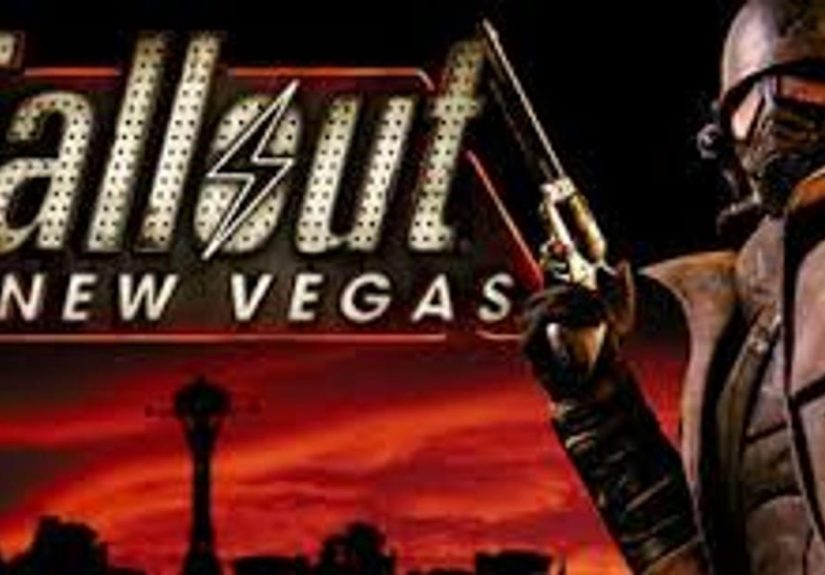
#1 Fallout: New Vegas (The Gold Standard for “Choices Matter”)
Fallout: New Vegas is the game people cite when they say they want “real role-playing,” and then immediately start a 40-minute story about
how their courier became a pacifist, then accidentally founded a small empire, then betrayed everyone because a robot asked nicely.
The magic is how the game lets you role-play a philosophy. You can side with a powerful republic, a brutal slaver legion, an autocrat with a clean suit,
or an independent path that screams “I can fix the Mojave (I cannot).” The factions aren’t just quest-giversthey’re ideologies with tradeoffs that keep
feeling relevant long after the credits.
Yes, it launched with bugs. Yes, the gunplay can feel dated. But the quests are built like clockwork: multiple approaches, reactivity, consequences,
and a world that recognizes you as a personnot a hero-shaped vacuum cleaner sucking up loot. It’s still Obsidian’s most culturally sticky work:
quoted, modded, replayed, argued over, and adored.
#2 Star Wars: Knights of the Old Republic II – The Sith Lords (The Smartest Star Wars RPG)
If the first KOTOR is a heroic space opera, KOTOR II is the late-night conversation after the credits rollwhen someone asks,
“Okay, but what does the Force do to people?” and nobody sleeps again.
Obsidian’s signature is taking a familiar universe and interrogating it. The companions aren’t just party members; they’re walking arguments.
The tone is more reflective, sometimes bleak, often brilliant. It’s also famously rough around the edges in placeslike it sprinted to the finish line,
tripped, then still delivered a killer monologue while lying on the ground.
When it hits, it hits harder than most Star Wars games ever made. And even with its unevenness, the writing is so ambitious that it earns a spot
near the top of this list.
#3 Pillars of Eternity (The CRPG Love Letter That Actually Works)
Pillars of Eternity is Obsidian proving it can build its own fantasy universe and make you caredeeplyabout the politics, the metaphysics,
and the consequences of messing with souls (spoiler: it’s complicated, and everyone is stressed).
The worldbuilding is dense, but it isn’t fluff. Cultures and factions have texture. The writing respects your intelligence. The companions feel like
real people with real baggage, not just “Archer #2.” And the choices tend to be moral puzzles rather than obvious “good vs. evil” levers.
Combat can be a learning curve if you’re new to party-based systems, but it supports the larger fantasy: you’re leading a crew through dangerous,
politically charged territory where knowledge matters as much as a sword.
#4 Pentiment (The Coziest Game About Murder and Existential Dread)
Pentiment is proof that Obsidian doesn’t need a hundred-hour runtime and 900 weapons to be unforgettable. It’s a narrative adventure
wrapped in the style of illuminated manuscripts and woodcut art, set in a small community where history, class, religion, and personal grudges
collideoften in extremely human ways.
Instead of “build a DPS machine,” the game asks you to build a life. Your background choices shape how you interpret clues. Your relationships shape
what the town believes about you. And your decisions don’t just affect the endingthey affect how people remember you.
It’s not for players who hate reading. But for everyone else, it’s one of Obsidian’s cleanest, boldest swings.
Tier 2: Great Games With Real Bite
#5 Pillars of Eternity II: Deadfire (Brilliant Systems, Underrated Heart)
Deadfire is a sequel that dares to be different. Instead of replaying the first game’s vibe, it sails into a sunlit archipelago
full of colonial tensions, competing powers, and the kind of moral complexity Obsidian likes best: the kind where every “solution” has fallout.
Mechanically, it’s often the studio at its most refined: deeper customization, smoother combat options, and a flexible approach that can feel
friendlier to different playstyles. The “captain and crew” framing also gives the adventure a distinct identity.
Why isn’t it higher? For some players, the pacing and the central story thrust can feel less urgent than Pillars 1. But as a CRPG system-builder,
it’s one of the best modern examples.
#6 The Outer Worlds (Satire, Companions, and a Very Polite Revolution)
The Outer Worlds is Obsidian doing what it does best in a new coat of paint: sharp writing, fun companions, and faction conflict
that isn’t just “pick the blue team.” Its corporate dystopia is exaggerated on purpose, and when the humor lands, it’s deliciously nasty.
The RPG structure is approachable: hubs you can explore, quests that offer multiple paths, and character builds that reward committing to a style.
It’s not as sprawling as New Vegas, but it’s tighter and more consistently polished.
Its biggest knock is that some players wanted more depth in the world’s systemic reactivitymore “the universe changes because of me,” less “great
quests in a well-designed theme park.” Still, it’s a strong modern Obsidian signature.
#7 South Park: The Stick of Truth (Shockingly Great as an RPG)
Licensed games have a reputation. The Stick of Truth shows up, looks that reputation in the eyes, and says:
“Respectfully, I’m going to be the funniest RPG you played this year.”
It nails the show’s tone (for better and worsethis is South Park, so the line is occasionally a speed bump). More importantly, it works as a game:
simple but satisfying turn-based combat, goofy progression, and a structure that makes exploration feel like you’re wandering through an interactive episode.
It’s not Obsidian’s deepest story, but it’s one of its most successfully executed.
#8 The Outer Worlds 2 (Bigger, Sharper, Still Very Corporate)
The Outer Worlds 2 largely builds on what worked: choice-driven quests, punchy writing, and companions who aren’t just inventory mules
with feelings. It aims for “more” across the boardmore freedom, more reactivity, more places to poke the system and see what squeaks.
The reason it sits behind the first game and Deadfire is simple: sequels don’t get infinite credit for being bigger. They get credit for being
better. When the improvements shine, this game climbs. When it feels like an iteration instead of a reinvention, it settles herestill strong,
still worth playing, and still the kind of RPG you’ll replay to see how mean you can be to a megacorp without getting fired into space.
Tier 3: Good, But Know What You’re Getting
#9 Grounded (Honey, I Joined a Survival Crafting Addiction)
Grounded is Obsidian stepping outside its usual comfort zone and somehow making it work: a backyard survival game where blades of grass
become skyscrapers and spiders become… look, we don’t have to talk about the spiders yet.
The appeal is exploration and discovery. The world feels handcrafted, playful, and surprisingly tense. Building is satisfying. Co-op turns every session
into a sitcom about resource management and very bad decisions (“Why did you poke the wasp nest?”).
It ranks here because, while the premise is fantastic, survival crafting can be inherently grindyand not everyone wants their narrative studio
to ask them to farm for berry leather. But as a genre swing, it’s an impressive one.
#10 Tyranny (You Work for Evil… and That’s the Point)
Tyranny has one of Obsidian’s best hooks: the war is over, the bad guys won, and you’re part of the new order. The game doesn’t treat
“evil” as cartoon villainy; it treats it as governance, bureaucracy, and the complicated ways people survive under power.
The setting is fresh, the writing is sharp, and the reactivity can be excellent. The main drawback is scale: it can feel like a brilliant first act
that you desperately want to grow into a bigger saga. Still, it’s one of the most interesting fantasy RPG premises of the last decade.
#11 Neverwinter Nights 2 (A Classic D&D Campaign With Some Dusty Bits)
Neverwinter Nights 2 is like finding an old D&D binder: the story beats are familiar, the systems are crunchy, and the joy comes from
building a party, breaking the rules, and making the dice behave through sheer willpower.
The best parts are the party dynamics and the feeling of being in a tabletop campaign translated to PC formcomplete with occasional clunkiness.
If you love D&D systems and don’t mind a little age on the interface, it’s still a great time.
If you don’t love D&D systems? This game will politely hand you a rulebook and stare until you respect it.
#12 Avowed (Big Fantasy Action With Obsidian DNA)
Avowed sits in that tricky space between “action-forward” and “choice-forward.” It has Obsidian’s fingerprintsworld detail, factions,
consequenceswrapped in a more kinetic, first-person fantasy structure that invites comparisons to the giants of the genre.
When it’s strongest, it marries exploration with meaningful decisions and keeps the momentum moving. When it’s weaker, it can feel like the studio
is negotiating with genre expectations: how much “deep RPG” can you keep when the pacing wants to be fast and the combat wants to be flashy?
The result is a solid game that many players will love, even if it doesn’t quite unseat Obsidian’s all-time greats.
#13 Pathfinder Adventures (Surprisingly Addictive, If You Like Dice Drama)
Pathfinder Adventures is a digital card game adaptation with a niche vibe that becomes weirdly compelling once it clicks. It’s the kind of
game where you start thinking, “I’ll do one scenario,” and then it’s 1:00 a.m. and you’re bargaining with probability like it’s a deity.
As an Obsidian game, it’s less about narrative fireworks and more about clever mechanics and long-form progression. If you enjoy tabletop-inspired systems
and can tolerate occasional friction, it’s a fun detour from the studio’s usual catalog.
#14 Grounded 2 (Provisional: Early Access Means the Story Isn’t Done Yet)
Grounded 2 is tricky to rank because “provisional” is doing a lot of work here. Early Access games can change dramaticallysometimes for the
better, sometimes into something you swear you dreamed.
The core promise is strong: take what made the original compellingminiature wonder, satisfying building, backyard dangerand expand it with quality-of-life
upgrades and new systems. Early impressions lean hopeful, but until the full experience is locked, it’s hard to place it above completed titles.
Think of this as the “check back later” slot. The potential is there; the final verdict is still loading.
Tier 4: Rough Draft Energy (Still Interesting)
#15 Dungeon Siege III (A Decent Dungeon Crawl That Plays It Safe)
Dungeon Siege III is a perfectly serviceable action RPG: you hit monsters, collect loot, level up, repeat. If you want a straightforward
dungeon-crawling loop with co-op potential, it can deliver a pleasant weekend.
The issue is ambition. Compared to the studio’s best work, it feels restrainedless about meaningful choices and memorable characters, more about getting
from dungeon A to dungeon B with your pockets full of shinier pants.
It’s not a disaster. It’s just not the version of Obsidian that makes people write essays.
#16 Alpha Protocol (A Brilliant Spy RPG… Stuck Inside a Clumsy Shooter)
Alpha Protocol is one of the most “Obsidian” games ever made in concept: reactive conversations, shifting alliances, and choices that can
rearrange the plot like you shook the story box too hard.
The problem is feel. Combat and stealth can be awkward. Moment-to-moment play sometimes fights you. And that friction makes it hard for the game’s best
ideas to shine consistently.
If you can tolerate jank for ambition, this becomes a cult favorite. If you can’t, it’s a reminder that great writing can’t always save clunky mechanics.
Tier 5: Not Their Superpower
#17 Armored Warfare (A Tank Game That Doesn’t Feel Like Obsidian)
Armored Warfare sits at the bottom mostly because it’s the least “Obsidian-shaped” of the bunch. Obsidian’s reputation comes from narrative,
choices, and role-playing identity. This is a tactical vehicle combat experience that lives or dies by balance, matchmaking, and long-term service support.
That doesn’t mean it can’t be funtanks are inherently cool in the “I am now a moving bunker” way. But if you came here for companion quests, moral dilemmas,
and dialogue that changes your fate, this isn’t the stop on the tour.
Think of it like ordering at your favorite burger place and getting a salad. The salad might be fine. You’re still going to ask, “Where is the burger?”
of “What It Feels Like” to Marathon Obsidian (A Field Guide)
If you decide to play Obsidian’s catalog back-to-back, you’ll start noticing a pattern: their games don’t just ask you to pick optionsthey ask you to
own them. Even when the mechanics vary wildly (from CRPG party combat to first-person action to survival crafting), there’s an obsession with
consequences. You’ll say something flippant to an NPC early on, forget about it, and fifteen hours later the game will gently remind you that sarcasm is
not a victimless sport.
The “Obsidian experience” also comes with a particular kind of emotional whiplash. One minute you’re laughing because a corporate slogan is so bleak it
loops back into comedy; the next minute you’re staring at a choice that doesn’t have a clean answer. Obsidian loves dilemmas that feel like real life:
you can help people, but you might empower the wrong institution; you can fix the system, but you might have to break someone to do it; you can be kind,
but kindness might be weaponized against you. It’s exhausting in the best waylike a good book that makes you put it down and pace.
A marathon also highlights how much Obsidian cares about companions. The great ones aren’t just there to fill out a combat role. They argue with you.
They challenge your assumptions. They make you feel guilty when you disappoint them. And occasionally they make you feel proud when you earn their trust,
which is suspiciously close to “character development” in a video game. If you’re the type who talks to every party member after every major quest,
congratulations: you are playing Obsidian correctly, and the studio thanks you for your service.
You’ll also gain a healthy respect for “rough-but-ambitious” design. Some Obsidian titles feel like they reached for the moon and grabbed a handful of
sparks on the way down. Those games can still be worth your time because the ideas are bold: faction systems that actually respond to you, dialogue that
branches in meaningful ways, settings that don’t treat morality like a binary switch. Even the messier entries can be fun when you approach them like
you’re exploring a prototype of something brilliant.
Finally, a marathon will teach you the most important survival skill: making peace with imperfection. These are games made by people who want to give you
freedom, and freedom is hard to balance. But when Obsidian is at its best, you finish a quest and feel like you authored part of the storylike the world
didn’t just happen around you. It listened. It reacted. It remembered. And that feeling is why people keep coming back, even when the UI has a little
dust on it and the bugs occasionally try to join your party.
Conclusion
If you’re hunting for the purest Obsidian flavorreactive storytelling, sharp writing, and choices that actually matterstart with
Fallout: New Vegas, KOTOR II, and the Pillars games. If you want a shorter, unforgettable narrative,
Pentiment is the must-play. If you want to see the studio flex outside RPG tradition, Grounded is the delightful surprise.
And if you’re feeling adventurous? Try the messy ones. Obsidian’s “almost” games often have some of its most interesting ideasjust bring patience,
a sense of humor, and the willingness to forgive a menu that looks like it was designed during a caffeine shortage.