Table of Contents >> Show >> Hide
- Why a $500 abode Smart Home Security Prize Is Worth Paying Attention To
- What Is abode Smart Home Security?
- What Could You Buy With $500 Toward an abode System?
- Why abode Appeals to Smart-Home Fans
- Self-Monitoring vs. Professional Monitoring
- How to Enter a Smart Home Security Giveaway Safely
- Who Would Benefit Most From an abode Smart Home Security System?
- How to Plan Your abode Setup Before Spending the Prize
- Smart Home Security Is Also About Cybersecurity
- Common Mistakes to Avoid When Setting Up Smart Home Security
- Experience Notes: What a $500 abode Security Upgrade Can Feel Like in Real Life
- Conclusion
Some giveaways offer a mug. Some offer a tote bag that mysteriously becomes a drawer goblin. But a chance to win $500 toward an abode smart home security system? That is the kind of prize that can actually change the way your home feels when you leave for work, go on vacation, or simply hear a suspicious “thump” from the other room at 11:47 p.m.
Smart home security has moved far beyond the old-school image of a loud box on the wall and a sticker in the window. Today’s systems can combine door and window sensors, motion detection, cameras, mobile alerts, smart-home automations, leak detection, professional monitoring options, and voice assistant compatibility. In other words, your home can finally stop relying on “I think I locked the door?” as its main security strategy.
Abode has become popular with homeowners, renters, apartment dwellers, and smart-home fans because it focuses on flexible DIY security. You can start small, expand over time, self-monitor, or choose optional professional monitoring depending on your needs. A $500 credit can go a long way toward building a practical setup that protects entry points, adds visibility, and helps you automate everyday routines without signing your life away to a long-term contract.
Why a $500 abode Smart Home Security Prize Is Worth Paying Attention To
A $500 credit toward an abode smart home security system is valuable because it gives you room to build a setup that fits your actual home instead of buying a one-size-fits-all box and hoping your windows behave politely. With abode, you can choose from starter kits, hubs, sensors, cameras, keypads, and add-on devices depending on whether you live in a studio apartment, a townhouse, a single-family home, or a place where one back window seems personally committed to making you nervous.
For many households, $500 can cover a strong starter package and several useful add-ons. That may include a hub, door/window sensors, a keypad, motion detection, an indoor camera, or other accessories. The exact mix depends on current pricing and promotions, but the big advantage is flexibility. Instead of spending the entire budget on one flashy gadget, you can prioritize coverage where it matters most: doors, accessible windows, common entry paths, and high-traffic areas.
What Is abode Smart Home Security?
Abode is a DIY smart home security platform designed for people who want control without turning their home into a wiring project. The system can support self-monitoring, optional professional monitoring, mobile alerts, smart-home integrations, and a range of devices such as door/window sensors, motion sensors, cameras, keypads, water leak sensors, and glass-break sensors.
The brand is especially appealing to people who want a security system that plays well with other smart-home products. Abode supports popular ecosystems such as Apple HomeKit, Amazon Alexa, Google Home, Zigbee, and Z-Wave, which makes it easier to connect security devices with lights, locks, plugs, and automations. That matters because a modern security system is not just about sounding an alarm; it is also about making your home respond intelligently.
DIY Installation Without the Toolbox Drama
One of the biggest selling points of abode is DIY installation. Many devices are wireless, app-guided, and designed to be placed without major tools. For renters, that is a very big deal. Nobody wants to explain to a landlord why the wall looks like it survived a tiny meteor shower.
DIY installation also makes the system easier to adjust. If you move, rearrange rooms, add a pet gate, convert a spare bedroom into an office, or finally admit that the garage deserves more protection than a rusty latch and optimism, you can update your setup as needed.
What Could You Buy With $500 Toward an abode System?
The smartest way to use a $500 abode security credit is to think in layers. A good security setup does not rely on one device. It combines detection, alerts, visibility, deterrence, and daily convenience.
1. Start With the Hub
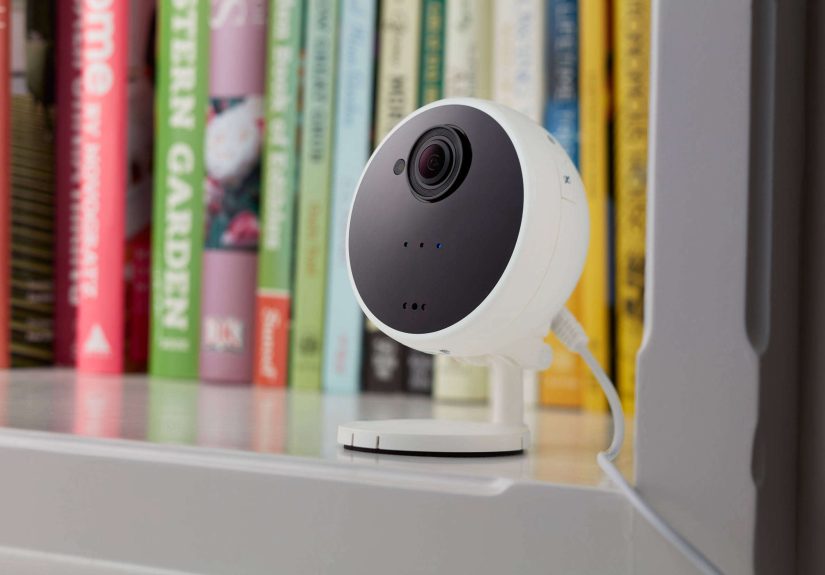
The hub is the brain of the system. Depending on the kit, that may be a standard security hub or an all-in-one iota hub. The iota option is especially interesting because it combines several features into one device, including a built-in camera, motion sensor, siren, and two-way audio. For apartments, condos, and smaller homes, an all-in-one hub can provide a clean starting point without spreading gadgets across every flat surface like a tech yard sale.
2. Cover Doors and Accessible Windows
Door and window sensors are the bread and butter of home security. They tell the system when an entry point opens. If your home has a front door, back door, sliding door, basement window, or first-floor window that is easy to reach, sensors should be near the top of your list.
For most people, entry sensors are more important than buying cameras for every corner. Cameras are useful, but a sensor on a door can tell you immediately when something changes. Think of sensors as the quiet little guards who do not ask for snacks.
3. Add Motion Detection in Smart Places
Motion sensors are helpful in hallways, living rooms, stairways, or main paths someone would likely cross after entering. Placement matters. Put them where they can detect meaningful movement, not where your curtains, pets, or robot vacuum will cause daily false alarms and slowly destroy your trust in technology.
4. Consider a Keypad for Everyday Convenience
A keypad is one of those devices that sounds boring until you use it. It lets family members arm and disarm the system without depending entirely on a phone. It is especially useful near a main entry door or garage entrance. If guests, house sitters, or relatives occasionally need access, a keypad can make the system feel more practical.
5. Use Cameras Where They Actually Help
Security cameras are best used in purposeful locations, such as main entrances, driveways, garages, or indoor common areas. Avoid placing cameras in private spaces. A smart home should make people feel safer, not like they accidentally moved into a reality show.
If you choose a camera, look for features that matter in real use: clear video, night vision, motion alerts, privacy controls, app reliability, and storage options. Video is useful for checking what happened, confirming an alert, or seeing whether the “intruder” was actually a raccoon with suspicious confidence.
Why abode Appeals to Smart-Home Fans
Many security systems protect the home but live in their own little universe. Abode is attractive because it can also work as part of a broader smart-home setup. That means you can create automations such as turning on lights when motion is detected, arming the system when everyone leaves, or triggering a routine when a door opens.
For example, you might create a “Goodnight” routine that arms the system, turns off downstairs lights, and keeps certain sensors active while you sleep. Or you might set an “Away” routine that arms the home and turns on selected lights at sunset. These automations are not just cool party tricks. They can make your home look occupied, reduce forgetfulness, and simplify daily routines.
Self-Monitoring vs. Professional Monitoring
One of the biggest decisions with any smart home security system is whether to self-monitor or use professional monitoring. Self-monitoring means alerts go to you through the app. You decide what to do next. It can be budget-friendly and flexible, especially for people who are comfortable responding quickly.
Professional monitoring adds another layer. If an alarm is triggered, a monitoring center can help verify the event and contact emergency services when needed, depending on the plan and situation. This can be useful when you are sleeping, traveling, at work, in a meeting, or somewhere with bad cell service. In other words, professional monitoring is for all the moments when your phone is technically “with you” but spiritually buried under a pile of laundry.
The best choice depends on your lifestyle. If you are often near your phone and want to avoid monthly costs, self-monitoring may be enough. If you travel frequently or want added backup, professional monitoring may be worth considering.
How to Enter a Smart Home Security Giveaway Safely
Before entering any giveaway, slow down and check the basics. Real sweepstakes should clearly explain eligibility, prize value, entry method, deadlines, winner selection, and official rules. A legitimate giveaway should not ask you to pay a fee to claim your prize or pay extra to improve your chances of winning.
Be cautious with messages that say you won a prize you never entered, especially if they ask for banking information, gift cards, wire transfers, cryptocurrency, or “processing fees.” That is not a giveaway; that is a scam wearing a party hat.
Smart Giveaway Checklist
- Enter only through the official website, verified email, or trusted publication hosting the promotion.
- Read the official rules before submitting personal information.
- Never pay to claim a prize or increase your odds.
- Use a strong password if you create an account.
- Watch for fake social media accounts pretending to be the sponsor.
- Be careful with links in direct messages.
- Keep a screenshot or confirmation email after entering.
Who Would Benefit Most From an abode Smart Home Security System?
An abode system can fit many living situations, but it is especially appealing to people who want flexibility. Renters may like the DIY setup and portable equipment. Homeowners may appreciate the ability to expand coverage over time. Smart-home fans may like the broad integrations. Frequent travelers may value mobile alerts and optional monitoring. Pet owners may appreciate adjustable routines and thoughtful device placement.
Renters and Apartment Dwellers
Renters often need security that does not require drilling, hardwiring, or begging the property manager for permission. An abode starter setup can be a strong fit because it can cover the front door, add motion detection, and provide alerts without turning the lease agreement into a legal thriller.
Homeowners Building a Smarter Home
Homeowners may want more complete coverage, including multiple entry sensors, cameras, leak detection, and smart-home routines. A $500 prize could help build a foundation that expands over time. Start with critical entry points, then add devices based on real needs rather than buying everything at once.
Busy Families
Families benefit from convenience. A keypad, mobile app, and automations can reduce everyday friction. Parents can check whether the system is armed, receive alerts, and use routines that make leaving the house less chaotic. Because nothing says “modern family life” like trying to arm the security system while someone is yelling that they cannot find their left shoe.
How to Plan Your abode Setup Before Spending the Prize
If you win $500 toward an abode smart home security system, resist the urge to immediately buy the shiniest device. Start with a simple home security map. Walk through your home and list every exterior door, accessible window, hallway, stairway, garage entrance, and area where you would want alerts.
Then rank each area by importance. Your front door probably matters more than a second-floor window that only Spider-Man could reach. A main hallway may be a better motion-sensor location than a room where your dog performs midnight gymnastics.
Build in This Order
- Entry protection: Cover main doors and accessible windows first.
- Interior detection: Add motion sensors in high-traffic paths.
- Control: Add a keypad or key fob for easier daily use.
- Verification: Add cameras where video actually helps.
- Environmental protection: Consider leak sensors near water heaters, laundry rooms, sinks, or basements.
- Automation: Connect lights, locks, or routines after the basics are solid.
Smart Home Security Is Also About Cybersecurity
A smart home security system protects physical space, but it also lives on your home network. That means cybersecurity matters. Before connecting devices, secure your Wi-Fi with a strong password, enable modern encryption such as WPA2 or WPA3, update your router firmware, and avoid reusing passwords across accounts.
For extra protection, consider placing smart-home devices on a separate guest or IoT network if your router supports it. Enable two-factor authentication when available. Keep apps and device firmware updated. Review privacy settings. These steps are not glamorous, but neither is discovering that your “smart home” is smarter than your password choices.
Common Mistakes to Avoid When Setting Up Smart Home Security
The first mistake is buying too much equipment before understanding your home’s layout. More devices do not automatically mean better security. A focused setup with well-placed sensors is often more useful than a dozen gadgets installed wherever there was room near an outlet.
The second mistake is ignoring daily habits. If the system is annoying to use, people will stop using it. Choose arming modes, keypad locations, notifications, and automations that match real life. A security system should reduce stress, not become another household member with opinions.
The third mistake is forgetting maintenance. Test sensors, check batteries, update apps, review alert settings, and make sure emergency contacts are current if you use monitoring. Smart security works best when it is treated like a living system, not a “set it and forget it forever” gadget.
Experience Notes: What a $500 abode Security Upgrade Can Feel Like in Real Life
Imagine starting with a home that has the usual security routine: lock the door, glance at the windows, wonder if the garage door is closed, then leave while hoping your memory is more reliable than it was the last time you forgot why you walked into the kitchen. Now imagine adding a smart security setup that gives you alerts, routines, and a clearer picture of what is happening at home. That is where a $500 abode credit can feel less like a prize and more like a lifestyle upgrade.
In a small apartment, the experience might begin with an iota-style hub near the main living area, a sensor on the front door, and a keypad by the entrance. That setup can make daily life smoother. You leave for school, work, or errands, tap the keypad, and know the system is armed. If the door opens unexpectedly, your phone lets you know. If motion is detected while you are away, you can check the alert instead of spending the afternoon imagining increasingly dramatic scenarios.
In a single-family home, the experience becomes more layered. You might place sensors on the front door, back door, garage entry, and first-floor windows. A motion sensor in the hallway can act as a second layer if someone gets inside. A camera near a main entrance can help you verify activity. Add a leak sensor near the water heater or laundry room, and suddenly your smart security system is not only watching for break-ins; it is also helping protect you from the indoor swimming pool nobody requested.
The everyday convenience may be the biggest surprise. Smart home security is not only useful during emergencies. It helps during normal, slightly messy life. You can check whether the system is armed while lying in bed. You can create a routine that turns lights on when you arrive. You can get a notification when a door opens. You can give temporary access to someone helping with the house without handing out a permanent key. These small conveniences add up.
There is also peace of mind when traveling. Anyone who has left town knows the mental checklist: Did we lock the back door? Did we close the window? Did the neighbor remember to bring in the package? With smart alerts and connected devices, you are not completely guessing. You can monitor key activity, respond faster, and feel more connected to home even when you are away.
The best experience comes from thoughtful setup. Do not turn on every notification unless you enjoy being interrupted by your own house. Start with essential alerts, test them, and adjust. Place sensors carefully. Give your devices clear names such as “Front Door” or “Garage Entry” instead of “Sensor 4,” which sounds like a robot with commitment issues. Teach everyone in the household how to arm and disarm the system. A smart security system works best when it becomes part of daily routine rather than a mysterious app only one person understands.
Winning $500 toward an abode smart home security system would not magically make a home perfect, but it could make it smarter, calmer, and easier to manage. It is the kind of upgrade that helps you protect the places and people you care about while still leaving room for everyday life, pets, guests, forgotten groceries, and the occasional mystery noise that turns out to be the ice maker.
Conclusion
Entering to win $500 toward an abode smart home security system is exciting because the prize is practical, flexible, and useful for many types of homes. Abode’s DIY approach, smart-home compatibility, sensor options, camera features, and monitoring flexibility make it a strong choice for people who want home protection without unnecessary complexity.
The smartest way to think about the prize is not “What gadget can I buy?” but “How can I build a system that fits my home?” Start with entry sensors, add motion detection, consider a keypad, use cameras where they make sense, and strengthen your Wi-Fi security before connecting everything. And when entering any giveaway, always read the official rules and avoid anything that asks you to pay to claim a prize.
A safer home does not have to feel like a fortress. With the right smart security setup, it can feel like a calmer, more connected version of the place you already lovejust with fewer mystery noises and a lot more confidence.