Table of Contents >> Show >> Hide
- What does “low-carb” actually mean?
- Why low-carb can feel tricky on a plant-based diet
- Best low-carb foods for vegetarians and vegans
- Nutrients to watch on low-carb vegetarian/vegan diets
- How to lower carbs without making meals boring
- 7-day low-carb vegetarian/vegan meal plan
- Simple prep plan (because weekday you deserves help)
- FAQ: Quick answers for real life
- Conclusion: Low-carb, plant-based, and still delicious
- Experiences people commonly have when going low-carb vegetarian or vegan (and what helps)
Low-carb eating is often treated like an exclusive club where the bouncer only lets in chicken breasts and bacon. Good news: plants didn’t get the memo. You can eat lower-carb as a vegetarian or veganwithout living on lettuce and regret.
This guide walks you through what “low-carb” really means, the best low-carb vegetarian and vegan foods, and a practical 7-day low-carb meal plan that doesn’t taste like punishment. We’ll also cover the nutrients plant-based eaters should watch (because “I’ll just eat almonds” is not a complete life strategy).
What does “low-carb” actually mean?
“Low-carb” isn’t one strict number. In real life, it usually means you’re eating fewer carbs than a typical patternand you’re doing it intentionally.
A practical, not-weird way to define it
- Moderate low-carb: roughly 100–130 grams of carbs per day (often enough to feel “lower-carb” while still supporting fiber and variety).
- Lower-carb: roughly 50–100 grams per day (requires more planning for vegans, but still doable).
- Very low-carb / keto: often under ~50 grams per day (possible, but the most restrictiveand usually the toughest for plant-based eaters).
Important note: If you’re a teen, pregnant, managing diabetes with medication, have kidney disease, or have a history of disordered eating, talk with a qualified clinician or dietitian before significantly cutting carbs. Your body’s needs are not a trend.
Why low-carb can feel tricky on a plant-based diet
Vegetarian and vegan staples often lean carb-heavy: beans, lentils, grains, fruit, and starchy vegetables are nutritiousbut they can push carbs up fast. That doesn’t mean you should fear them. It just means low-carb plant-based eating is more about smart portions and swaps than banning entire food groups.
The “low-carb plant-based” mindset
- Build meals around protein + non-starchy veggies.
- Add satisfying fats (avocado, olive oil, nuts/seeds) to keep meals filling.
- Use legumes and whole grains strategically (smaller portions, choose higher-fiber options).
- Keep added sugars and refined starches low (they’re the “empty calories” of the carb universe).
Best low-carb foods for vegetarians and vegans
Below are reliable building blocks that keep carbs lower while still delivering protein, fiber, and micronutrients.
1) Plant proteins that work on low-carb
- Tofu (all types): versatile, relatively low-carb, easy to flavor.
- Tempeh: typically higher in protein and fiber than tofu, with a hearty texture.
- Edamame: a higher-fiber soy option that can fit well in moderate low-carb.
- Seitan: very high protein and low carb (but contains gluten).
- Unsweetened soy milk: often lower-carb than many plant milks and useful for smoothies or chia pudding.
- Protein powders (pea/soy blends): helpful when you need protein without extra carbscheck labels for added sugar.
- Vegetarian add-ons: eggs, Greek yogurt, cottage cheese, and cheese can make low-carb simpler (if they fit your diet).
2) Non-starchy vegetables (your low-carb MVPs)
If low-carb had a mascot, it would be a broccoli floret wearing a cape.
- Leafy greens: spinach, arugula, romaine, kale
- Cruciferous veggies: broccoli, cauliflower, cabbage, Brussels sprouts
- Crunch + color: bell peppers, cucumbers, zucchini, mushrooms, asparagus, green beans
- Flavor builders: onions and tomatoes in reasonable portions (they add carbs, but also make food worth eating)
3) Healthy fats to keep meals satisfying
- Avocado (and guacamole, which is basically avocado in a party hat)
- Olives and olive oil
- Nuts: almonds, walnuts, macadamias, pecans (watch portionseasy to overdo)
- Seeds: chia, flax, hemp, pumpkin, sunflower
- Nut/seed butters: choose unsweetened when possible
- Coconut: coconut milk or flakes can work, but keep it balancedsaturated fat can add up
4) Lower-carb “carb” choices (so you don’t feel deprived)
- Berries (generally easier to fit than tropical fruit)
- Legumes in small portions: lentils, chickpeas, black beansstill nutritious; portion size is key
- Lupini beans (often lower net carbs and high protein/fiber; check your brand)
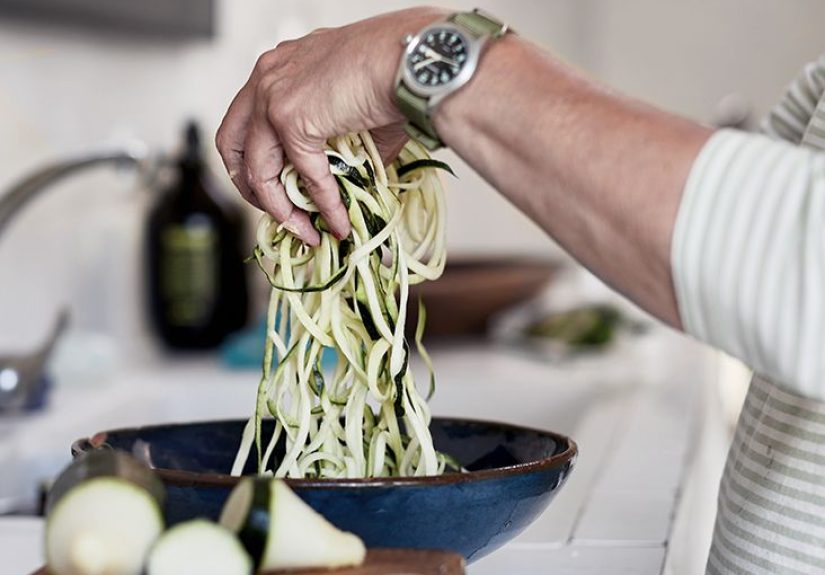
- Cauliflower rice, zucchini noodles, spaghetti squash (swap-friendly)
Nutrients to watch on low-carb vegetarian/vegan diets
Plant-based diets can absolutely be healthy and nutrient-densebut when you also go low-carb, you may cut back on foods that normally contribute key nutrients (like legumes, whole grains, and fruit). Here’s how to stay covered.
Vitamin B12 (especially important for vegans)
Vitamin B12 isn’t naturally present in most plant foods. Vegans typically need fortified foods (like certain cereals or nutritional yeast) and/or a B12 supplement. If you’re vegetarian, eggs and dairy can help, but some vegetarians still fall short.
Iron (plant-based iron needs strategy)
Plant iron (non-heme) is less readily absorbed than heme iron from animal foods. Choose iron-rich plant foods (tofu, tempeh, pumpkin seeds, spinach, legumes) and pair them with vitamin C foods (bell peppers, tomatoes, citrus, strawberries) to support absorption.
Iodine (easy to miss if you don’t plan)
Iodine supports thyroid function. Vegetarian sources may include dairy/eggs; vegan options often rely on iodized salt or carefully chosen seaweed. Seaweed can be very high in iodine depending on type, so “more” isn’t always better.
Omega-3s (ALA vs. DHA/EPA)
Plant foods like flax, chia, walnuts, and canola oil provide ALA. DHA/EPA are found in marine sources, but they originate from microalgaeso vegans can consider algae-based DHA/EPA if needed.
Calcium, vitamin D, zinc, and protein
- Calcium: calcium-set tofu, fortified plant milks, leafy greens, yogurt/cheese (if vegetarian)
- Vitamin D: sun exposure varies; fortified foods or supplements may help
- Zinc: pumpkin seeds, hemp seeds, tofu, legumes, nuts
- Protein: aim for a protein source at every meal; don’t leave it to chance
How to lower carbs without making meals boring
Low-carb doesn’t have to mean low-joy. Try these swaps:
Smart swaps
- Instead of rice: cauliflower rice or a half-and-half mix (less restrictive, more sustainable)
- Instead of pasta: zucchini noodles, hearts of palm pasta, or spaghetti squash
- Instead of sugary sauces: salsa, pesto, tahini-lemon sauce, chimichurri, mustard-based dressings
- Instead of chips: cucumber rounds, bell pepper strips, roasted seaweed snacks
- Instead of “snack carbs”: edamame, tofu jerky, roasted nuts/seeds (portion-aware)
7-day low-carb vegetarian/vegan meal plan
This plan is vegan-friendly by default with easy vegetarian add-ons (eggs/dairy) noted. Adjust portions to fit your energy needs and your preferred carb range (moderate vs. lower-carb).
| Day | Breakfast | Lunch | Dinner | Snack (optional) |
|---|---|---|---|---|
| Mon | Tofu scramble with spinach, mushrooms, and salsa (veg add-on: sprinkle cheese) | Big salad: mixed greens + tempeh + avocado + cucumbers + olive oil/lemon | Stir-fry: broccoli, peppers, tofu, and sesame-ginger sauce over cauliflower rice | Edamame or a small handful of walnuts |
| Tue | Chia pudding made with unsweetened soy milk + berries | Lettuce wraps: seitan strips (or tofu) + slaw + tahini-lime drizzle | Eggplant “boats” stuffed with tempeh crumbles, tomatoes, herbs (veg add-on: Greek yogurt on top) | Celery sticks + peanut butter |
| Wed | Smoothie: unsweetened soy milk + protein powder + spinach + cinnamon | Zucchini noodle bowl with pesto, cherry tomatoes, and crispy tofu | Sheet pan: cauliflower, Brussels sprouts, and smoky tofu with lemon-garlic sauce | Roasted pumpkin seeds |
| Thu | Avocado “toast”… but on roasted sweet pepper halves (veg add-on: egg on top) | Soup + salad combo: miso soup with tofu + side salad with olive oil vinaigrette | Vegan chili (smaller bean portion) served over sautéed greens (veg add-on: shredded cheese) | Cucumber slices + hummus (portion-aware) |
| Fri | Unsweetened coconut yogurt (or Greek yogurt) + chia + berries + hemp seeds | Cauliflower rice “sushi bowl”: tofu, cucumber, avocado, nori strips, tamari | Tempeh tacos in lettuce cups with pico de gallo and guacamole | Olives + a few almonds |
| Sat | Breakfast skillet: tofu, zucchini, peppers, onions, and hot sauce | “Mediterranean plate”: marinated tofu, olives, cucumbers, tomatoes, tahini sauce | Seitan (or tofu) fajita bowl over shredded cabbage with lime-cilantro dressing | Protein shake or tofu jerky |
| Sun | Scramble remix: tempeh + spinach + nutritional yeast + salsa verde | Crunchy salad: cabbage, edamame, avocado, sesame seeds, ginger dressing | Stuffed peppers with tofu “ricotta” and sautéed veggies (veg add-on: real ricotta) | Dark chocolate square + walnuts (if it fits your plan) |
Simple prep plan (because weekday you deserves help)
90-minute setup for the week
- Press and bake tofu (two trays: one savory, one spicy).
- Steam/roast veggies (broccoli, cauliflower, Brussels sprouts) for fast meals.
- Make 2 sauces: tahini-lemon + sesame-ginger (store in jars).
- Chop snack veg (cucumbers, peppers, celery) for grab-and-go.
- Cook one protein extra: tempeh bacon bits or seitan strips.
Low-carb vegetarian/vegan shopping list
- Proteins: tofu, tempeh, seitan, edamame, protein powder
- Veggies: greens, broccoli, cauliflower, zucchini, peppers, mushrooms, cabbage
- Fats: avocado, olive oil, nuts, seeds, tahini, olives
- Flavor: salsa, tamari, vinegar, mustard, garlic, ginger, spices, nutritional yeast
- Optional vegetarian: eggs, Greek yogurt, cottage cheese, cheese
- Fortified basics: unsweetened fortified plant milk; consider B12-fortified foods
FAQ: Quick answers for real life
Can a vegan do keto?
It’s possible, but it’s typically the hardest version to do well because many vegan proteins come with carbs (beans, lentils). If your goal is “lower-carb,” a moderate low-carb approach is often more sustainable: plenty of non-starchy vegetables, solid protein from tofu/tempeh/seitan, and careful portions of higher-carb plant foods.
Do I have to avoid beans and lentils?
No. They’re nutritious and high in fiber. For low-carb eating, think portion strategy instead of “banishment.” Try smaller servings, pair with low-carb veggies, and choose them when you need more fiber and satisfaction.
What about “net carbs”?
Some people track net carbs (total carbs minus fiber). It can be useful for certain approaches, but it’s not magic. Focus on whole foods, fiber, and how you feel rather than turning every blueberry into a math problem.
How do I eat out and stay low-carb vegan/vegetarian?
- Look for bowls or salads and double the protein (tofu/tempeh/beans if available).
- Swap rice for extra veggies when possible.
- Ask for sauces on the side (many are sugar-heavy).
- Choose grilled/roasted veggie sides and add avocado/olive oil for satiety.
Is low-carb automatically “healthier”?
Not automatically. Health is more about overall quality: vegetables, protein adequacy, healthy fats, fiber, and micronutrients. A low-carb diet built on whole foods can be great. A low-carb diet built on “mystery snacks” and cheese sticks (or vegan cookie dough bites) is… a different vibe.
Conclusion: Low-carb, plant-based, and still delicious
Eating low-carb as a vegetarian or vegan is less about extreme restriction and more about smart structure: prioritize plant proteins like tofu, tempeh, and seitan; load up on non-starchy vegetables; add healthy fats for satisfaction; and keep an eye on nutrients like B12, iron, iodine, and omega-3s. Use the 7-day plan as a starting point, adjust portions to your needs, and remember: carbs aren’t villainsthey’re just enthusiastic. You’re the one holding the plan.
Experiences people commonly have when going low-carb vegetarian or vegan (and what helps)
When people first try low-carb eating on a vegetarian or vegan diet, the most common experience is a weird mix of confidence and confusionlike, “I’ve got this!” followed immediately by, “Wait… everything I normally eat is a bean.” That initial moment is normal. Plant-based diets often rely on grains and legumes for convenience, so shifting the center of the plate to tofu, tempeh, seitan, and vegetables can feel like learning a new language where the word for “pasta” is suddenly “zucchini.”
Another common early experience is the adaptation week. Some people notice lower energy or extra cravings for a few days, especially if they cut carbs too sharply or forget to increase calories from fats and protein. The fix is rarely willpowerit’s usually meal structure. People who do best tend to plan one “anchor protein” per meal (tofu scramble at breakfast, tempeh salad at lunch, tofu stir-fry at dinner) and then rotate sauces so the food doesn’t feel repetitive. In other words: the secret weapon is not deprivation; it’s tahini.
Satiety is another big theme. Many people report that low-carb feels surprisingly satisfying once they stop trying to make every meal “low-carb but also basically a smoothie.” Adding fatsavocado, olive oil, nuts, seedsoften makes the difference between “I could eat a chair” hunger and a calm, steady appetite. That said, people also frequently learn the hard way that nuts are calorie-dense. The experience usually goes: “Almonds are healthy!” followed by “Why did I just eat 700 calories of almonds while standing in the pantry?” Portioning snacks into small containers helps a lot.
Then there’s the fiber question. People sometimes cut carbs and accidentally cut fiber, which can lead to digestive discomfort. The best experiences come from keeping high-fiber low-carb staples in the mix: leafy greens, broccoli, chia, flax, hemp seeds, and moderate portions of legumes when needed. A common “aha” moment is realizing that low-carb doesn’t have to mean “no beans ever”it can mean “beans sometimes, and not in a serving size meant for a linebacker.”
Social situations are also a big learning curve. Many plant-based eaters already navigate gatherings where the only vegan option is chips and salsa; low-carb can add another layer. People who stick with it usually find a few go-to strategies: eating a protein-forward snack beforehand, choosing salads or veggie sides and adding fat (olive oil, avocado), and asking for sauces on the side. Over time, the experience becomes less about perfection and more about patterns: most meals are on-plan, occasional meals are flexible, and nobody has to interrogate a tomato about its carb content.
Finally, a surprisingly positive experience many people mention is better kitchen confidence. Once you learn two or three fast protein methods (press and bake tofu, pan-crisp tempeh, quick seitan sauté), you can build meals quickly. The plan stops feeling like a “diet” and starts feeling like a personal style of eatingone where vegetables are the main character, protein is the supporting cast, and carbs have a smaller but still meaningful role. And honestly, that’s a healthier long-term relationship than treating food like a courtroom drama.