Table of Contents >> Show >> Hide
- What Is Pan Sauce Gravy, Exactly?
- Easy Pan Sauce Gravy Recipe
- How to Get the Deepest Flavor
- Easy Variations for Different Meals
- How to Fix Common Pan Sauce Gravy Problems
- What to Serve With Pan Sauce Gravy
- Storage, Leftovers, and Food Safety
- Kitchen Experiences That Make This Recipe Even Better
- Conclusion
Note: HTML body only, ready to copy and publish. Source links intentionally omitted for a cleaner web-ready draft.
If you have ever stared into a skillet full of browned bits and thought, “Well, that looks important,” congratulations: you were absolutely right. That golden, crusty layer on the bottom of the pan is not kitchen clutter. It is flavor wearing a tuxedo. And with a few pantry staples, you can turn it into an easy pan sauce gravy recipe that tastes like you suddenly became the sort of person who says things like deglaze without blinking.
This recipe lives in the happy middle between a classic pan sauce and a cozy homemade gravy. It is richer than a quick restaurant-style butter sauce, but not so heavy that it lands on your mashed potatoes like a cement truck. It works beautifully with chicken, pork chops, steak, turkey cutlets, or even a humble weeknight roast. Better yet, it does not require a culinary degree, a French whisk, or a dramatic backstory.
In this guide, you will learn exactly how to make a silky, savory pan sauce gravy from drippings or fond, how to fix it if it goes rogue, and how to adapt it for the meat already sitting on your stove. So grab a skillet, keep the browned bits, and let’s make the kind of sauce that causes people to swipe their plates with bread when they think nobody is watching.
What Is Pan Sauce Gravy, Exactly?
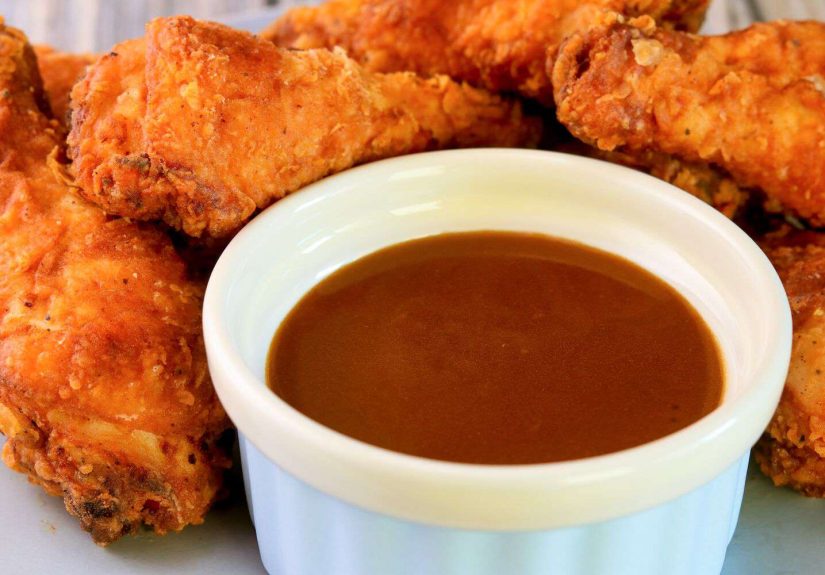
A classic pan sauce is usually made by cooking meat, keeping the flavorful browned bits in the pan, adding aromatics, deglazing with liquid, reducing, and often finishing with butter. Traditional gravy leans more on drippings plus a flour-based thickener for a fuller, spoon-coating texture. This easy pan sauce gravy recipe borrows the best ideas from both methods: the concentrated flavor of a pan sauce and the body of gravy. The result is glossy, savory, and versatile enough for both Tuesday chicken breasts and Sunday comfort food.
Think of it as the overachiever of sauces. It is quick enough for a weeknight, rich enough for company, and forgiving enough for people who occasionally measure with their hearts. If your roast or chops leave behind fat, juices, and fond, you already have the beginnings of something very good.
Easy Pan Sauce Gravy Recipe
Why This Recipe Works
This method works because it builds flavor in layers instead of dumping everything into a saucepan and hoping for emotional support. First, the drippings and fond provide depth. Then a shallot or garlic adds sweetness and aroma. A splash of wine or broth loosens the browned bits. Flour creates body, low-sodium stock gives the sauce room to reduce without turning salty, and a final spoonful of cold butter makes the texture smooth and shiny. It is simple kitchen math with very delicious results.
Ingredients
- 2 tablespoons pan drippings, or 1 tablespoon drippings plus 1 tablespoon unsalted butter
- 1 small shallot, finely minced
- 1 small garlic clove, minced
- 2 tablespoons all-purpose flour
- 1/2 cup dry white wine, dry sherry, or extra broth
- 1 1/4 cups low-sodium chicken or beef stock
- 1 teaspoon Dijon mustard, optional
- 1 teaspoon Worcestershire sauce, optional
- 1 tablespoon cold unsalted butter
- 1 tablespoon chopped parsley or thyme, optional
- Kosher salt and black pepper, to taste
- A squeeze of lemon juice, optional, for brightness
How to Make It
- Start with the right pan. After cooking your meat, transfer it to a plate to rest. Leave about 2 tablespoons of flavorful fat and browned bits in the skillet. If the pan is swimming in grease, pour off the excess. You want flavor, not an oil slick.
- Cook the aromatics. Set the skillet over medium heat. Add the shallot and cook for about 1 minute until softened. Stir in the garlic and cook for about 20 seconds more, just until fragrant. If garlic burns, it turns from charming dinner guest to bitter heckler.
- Add the flour. Sprinkle in the flour and whisk constantly for 1 to 2 minutes. This cooks out the raw flour taste and forms the base of the gravy.
- Deglaze the pan. Pour in the wine or extra broth. Scrape the bottom of the pan with a wooden spoon or whisk to loosen every last browned bit. Let the liquid simmer until slightly reduced.
- Whisk in the stock. Slowly add the stock while whisking to keep the gravy smooth. Stir in the Dijon and Worcestershire if using.
- Simmer until thickened. Let the mixture bubble gently for 3 to 5 minutes, whisking often, until it thickens enough to coat the back of a spoon. If it becomes too thick, add a splash of stock. If it stays too thin, let it reduce a little longer.
- Finish with butter. Turn off the heat and whisk in the cold butter. Add herbs and a tiny squeeze of lemon juice if you want the flavor to pop.
- Season and serve. Taste before salting, especially if your drippings came from well-seasoned meat. Spoon over the rested meat, mashed potatoes, rice, biscuits, or roasted vegetables.
The Handy Ratio to Remember
If you remember nothing else, remember this: for about 1 cup of finished gravy, start with roughly 2 tablespoons fat and 2 tablespoons flour, then add around 1 cup liquid. That ratio gives you a thick but pourable sauce. Add a little more liquid for a looser pan sauce or simmer longer for a richer gravy texture.
How to Get the Deepest Flavor
Do Not Fear the Fond
The fond is the browned residue left after searing meat, and it is the backbone of great pan sauce gravy. Those tiny caramelized bits dissolve when liquid hits the hot pan, creating a deeper, meatier flavor than broth alone can manage. This is why a stainless steel or well-heated regular skillet is so useful. A nonstick pan may be easy to clean, but it rarely gives you the same glorious brown buildup that turns a good sauce into a memorable one.
Choose Your Deglazing Liquid Wisely
White wine is classic for chicken or pork. Red wine works beautifully with steak or hearty beef drippings. Dry sherry, vermouth, cider, or straight broth also do the job. Even water can work in a pinch if your pan has a lot of flavor built in already, though broth gives a richer result. The liquid is not there just to loosen the pan; it adds acidity, aroma, and balance.
Use Low-Sodium Stock
This tip deserves its own standing ovation. Sauces and gravies reduce as they cook, which means salt concentrates fast. A stock that tastes fine straight from the carton can become surprisingly salty once it simmers down. Starting with low-sodium broth gives you room to reduce for flavor and season at the end like the clever person you are.
Butter Is the Final Plot Twist
That last tablespoon of cold butter is not decoration. It helps emulsify the sauce and gives it a smoother, glossier finish. The texture becomes more luxurious, the flavor rounds out, and suddenly your weeknight pork chop looks like it has ambitions. If you want an even richer finish, a splash of cream works too, but butter usually gets the job done with less fuss.
Easy Variations for Different Meals
Chicken Pan Sauce Gravy
Use chicken drippings, shallot, white wine, chicken stock, parsley, and a little lemon. This version is bright, savory, and excellent over chicken breasts, thighs, or turkey cutlets.
Pork Chop Pan Sauce Gravy
Use pork drippings, shallot, apple cider or white wine, chicken stock, Dijon mustard, and thyme. Pork loves a sauce with a little sweetness and a little tang, so this one tastes especially cozy in cool weather.
Steak Pan Sauce Gravy
Use beef drippings, minced shallot, red wine, beef stock, Worcestershire, and black pepper. A tiny splash of cream can make it feel extra steakhouse without requiring a valet stand in your driveway.
Holiday Shortcut Gravy
If you are making roast chicken or turkey, use the drippings from the pan, whisk in flour, and build the sauce with stock. Strain it if you want a smoother finish. This version gives you much of the classic holiday gravy feeling without needing a second pot, three cousins, and a minor kitchen crisis.
How to Fix Common Pan Sauce Gravy Problems
It Is Too Thin
Let it simmer a little longer. Reduction is your friend. If it still refuses to thicken, whisk together 1 teaspoon cornstarch with 1 tablespoon cold water and stir it in gradually. Do not pour in a giant slurry avalanche. This is gravy, not a science fair volcano.
It Is Too Thick
Add stock a tablespoon or two at a time until the texture loosens. Gravy thickens a bit as it sits, so stop when it is just slightly thinner than your ideal final consistency.
It Is Lumpy
Lumps usually happen when flour meets liquid too quickly or without enough whisking. Whisk harder first. If that fails, strain the gravy through a fine-mesh sieve. Nobody at the table needs to know about your brief conflict with physics.
It Tastes Too Salty
Add a splash of unsalted or low-sodium stock and let the sauce loosen slightly. A little butter or cream can also soften the edges. This is another reason low-sodium broth is such a smart starting point.
It Looks Greasy or Broken
Too much fat can make the sauce separate. Whisk in a tablespoon of warm stock or water off the heat, then finish with butter. The sauce should come back together and look silky again.
What to Serve With Pan Sauce Gravy
This easy pan sauce gravy recipe is wildly adaptable. Spoon it over sliced chicken breast, pork chops, steak, turkey cutlets, meatloaf, or roasted mushrooms. Pour it over mashed potatoes, buttered noodles, rice, biscuits, or crusty bread. It is also excellent with roasted carrots, green beans, and cauliflower because vegetables deserve good things too.
If you want a simple dinner formula, try this: one seared protein, one starchy side, one green vegetable, and this gravy. Suddenly dinner has structure, elegance, and a much lower chance of anyone asking, “Is there a sauce?”
Storage, Leftovers, and Food Safety
If you have leftovers, refrigerate the gravy within 2 hours. When reheating, bring gravy and sauces to a full simmer or a rolling boil on the stovetop, or reheat thoroughly to 165°F if checking with a thermometer. If the gravy thickens in the fridge, whisk in a splash of broth or water while reheating. Keep hot gravy above 140°F if you are holding it out for serving, and remember that safe cooking temperatures matter for the meat that created those drippings in the first place: poultry should reach 165°F, while whole cuts of beef, pork, veal, and lamb should reach at least 145°F with a 3-minute rest.
Kitchen Experiences That Make This Recipe Even Better
The first time many home cooks make pan sauce gravy, the reaction is usually the same: surprise that something this good came from a pan they were about to wash. It feels a little like discovering twenty dollars in your winter coat, except warmer and significantly better over mashed potatoes. That is part of the charm. Pan sauce gravy does not ask for exotic ingredients. It just asks you to notice what your pan is already trying to give you.
One of the most common weeknight experiences goes like this: chicken breasts are cooked, the kitchen smells great, but the meat looks a little too responsible. Perfectly fine. Respectable. Maybe even nutritious. But not exactly exciting. Then you make a quick gravy in the same skillet with shallots, broth, and a little butter, and suddenly dinner has personality. The chicken is no longer just chicken. It is now “the chicken with that amazing sauce,” which is a much better title.
Another real-world lesson comes from using stock that is too salty. Nearly everyone does it once. The sauce tastes fine at first, then it reduces, and suddenly your gravy tastes like it trained at a salt mine. That moment teaches a valuable kitchen truth: sauce concentrates everything, including your mistakes. It is not a tragedy, though. Add unsalted broth, whisk, adjust, and carry on. Pan sauce gravy is forgiving, but it does reward a little patience and tasting as you go.
There is also the experience of making this with pork chops on a chilly evening, when the whole house seems to need comfort food immediately. Pork drippings, a little Dijon, maybe some thyme, and a splash of cider or wine create the kind of sauce that makes a regular dinner feel suspiciously close to a holiday meal. It is deeply satisfying because it tastes like more effort than it actually took. That is one of the finest tricks any recipe can pull.
Steak nights teach a different lesson: confidence. Once you realize that a pan sauce gravy can be made in just a few minutes while the meat rests, you stop feeling like sauce belongs only to restaurants. The browned bits in the skillet become opportunity, not cleanup. A shallot, a splash of red wine, some broth, a knob of butter, and suddenly you are spooning glossy sauce over sliced steak like you planned the whole evening around it. Maybe you did. No judgment.
Holiday cooking offers its own version of the story. People often fear gravy because it seems mysterious, moody, and one whisk away from disaster. But pan-based gravy is often easier than expected because the drippings already did much of the flavor work for you. Once you understand the rhythm, fat plus flour plus liquid plus whisking, the process stops feeling dramatic and starts feeling practical. You do not need magic. You need attention, a warm pan, and enough confidence to keep whisking.
Perhaps the most useful experience of all is learning that pan sauce gravy makes leftovers better. Reheated chicken, sliced turkey, roast pork, even plain rice can feel revived with a little warm gravy spooned over the top. Instead of tasting like yesterday’s compromise, leftovers start to taste intentional. That is a small but powerful kitchen victory.
So yes, this recipe is about technique. It is about fond, deglazing, reduction, and balance. But it is also about the moment you realize you can make dinner taste more complete with ingredients you probably already have. Once that clicks, the skillet stops being just a pan. It becomes the place where ordinary meals get their upgrade.
Conclusion
An easy pan sauce gravy recipe is one of the most useful things a home cook can learn because it turns everyday drippings into something rich, polished, and deeply flavorful. It saves dinner from dryness, makes leftovers more exciting, and gives humble proteins the kind of finish that makes them feel intentional. Best of all, it is flexible. Chicken, pork, steak, or roast turkey can all get the same treatment with small changes in herbs, broth, or wine.
Once you get comfortable with the basic method, you stop seeing browned bits as mess and start seeing them as dinner’s best opportunity. And honestly, that may be the greatest kitchen glow-up of all.