Table of Contents >> Show >> Hide
- Why You’ll Love These Lemonade Cookies
- What Are Lemonade Cookies?
- Easy Lemonade Cookies Recipe Card
- How to Make Lemonade Cookies
- Tips for the Best Soft Lemonade Cookies
- Flavor Variations
- What to Serve With Lemonade Cookies
- How to Store Lemonade Cookies
- Common Mistakes to Avoid
- Frequently Asked Questions
- Experience Notes: What I Learned While Making Easy Lemonade Cookies
- Conclusion
Some cookies whisper. Lemonade cookies do not. They walk into the kitchen wearing sunglasses, carrying a pitcher of sunshine, and politely ask why your dessert plate has been so boring lately. This Easy Lemonade Cookies Recipe is soft, bright, sweet, lightly tart, and simple enough for a weekday bakebut charming enough to bring to a picnic, potluck, bake sale, baby shower, Easter table, or “I survived Monday” celebration.
The magic ingredient is frozen lemonade concentrate. Instead of squeezing a mountain of lemons and hoping your citrus enthusiasm matches your schedule, lemonade concentrate gives the dough a sweet-tart lemon flavor in one easy pour. Add butter, sugar, eggs, flour, a little baking soda, a pinch of salt, and optional lemon zest, and you get tender lemon cookies with the cheerful flavor of homemade lemonade.
These cookies are not fussy. They do not require a pastry degree, a stand mixer with a dramatic origin story, or a kitchen that looks like a cooking show set. You can make them with basic pantry ingredients, a bowl, a mixer, and a baking sheet. The result is a batch of soft lemonade cookies with golden edges, sunny flavor, and the kind of aroma that makes people wander into the kitchen pretending they “just came in for water.”
Why You’ll Love These Lemonade Cookies
This recipe is built for real life. The cookies are quick to prepare, easy to customize, and friendly to both beginner bakers and experienced cookie people who already own more spatulas than strictly necessary.
- Big lemon flavor: Lemonade concentrate gives the cookies a sweet citrus punch without complicated prep.
- Soft and tender texture: Butter, eggs, and careful baking keep the centers moist and delicate.
- Simple ingredients: No rare baking supplies, no mystery extracts, no “where do I even buy that?” moments.
- Great for every season: They taste like summer but are welcome on spring dessert tables, holiday trays, and lunchbox menus.
- Easy to dress up: Add glaze, sanding sugar, white chocolate chips, or a sprinkle of zest for bakery-style flair.
What Are Lemonade Cookies?
Lemonade cookies are soft lemon-flavored cookies made with lemonade concentrate or lemonade mix. They are usually sweeter and more playful than traditional lemon shortbread, but brighter and lighter than a heavy frosted cookie. Think of them as the cookie version of a cold glass of lemonade: sweet first, tart second, refreshing all the way through.
Most classic lemonade cookie recipes use a buttery sugar-cookie base. The lemonade flavor can come from frozen lemonade concentrate, powdered lemonade drink mix, fresh lemon juice, lemon zest, or a combination. This version leans on thawed frozen lemonade concentrate because it brings both sweetness and tang, then adds optional lemon zest for fresh citrus aroma.
Easy Lemonade Cookies Recipe Card
Recipe Overview
- Prep time: 15 minutes
- Chill time: 20 minutes, optional but helpful
- Bake time: 9 to 11 minutes per batch
- Total time: About 45 minutes
- Yield: 36 to 42 cookies
- Difficulty: Easy
Ingredients
- 1 cup unsalted butter, softened
- 1 cup granulated sugar
- 2 large eggs, room temperature
- 1 teaspoon vanilla extract
- 2 teaspoons finely grated lemon zest, optional but recommended
- 3 cups all-purpose flour, spooned and leveled
- 1 teaspoon baking soda
- 1/2 teaspoon fine salt
- 1 can frozen lemonade concentrate, 6 ounces, thawed and divided
- 2 tablespoons granulated sugar, for sprinkling
Optional Lemon Glaze
- 1 cup powdered sugar
- 1 to 2 tablespoons thawed lemonade concentrate or fresh lemon juice
- 1/2 teaspoon lemon zest, optional
How to Make Lemonade Cookies
Step 1: Prepare the Oven and Baking Sheets
Preheat the oven to 350°F. Line two baking sheets with parchment paper. Parchment helps prevent sticking and makes cleanup easier, which is important because nobody wants to end a cookie-baking session by chiseling sugar off a pan like an archaeologist.
Step 2: Cream the Butter and Sugar
In a large mixing bowl, beat the softened butter and granulated sugar until the mixture looks pale, fluffy, and creamy. This usually takes 2 to 3 minutes with an electric mixer. Do not skip this step. Creaming adds air to the dough, giving the cookies a lighter texture instead of a dense, sad little hockey puck.
Step 3: Add Eggs, Vanilla, Lemon Zest, and Lemonade
Beat in the eggs one at a time. Add the vanilla extract and lemon zest. Pour in 1/3 cup thawed lemonade concentrate and mix until combined. The dough may look slightly loose at this point, but do not panic. Cookie dough occasionally goes through an awkward phase, just like middle school.
Step 4: Mix the Dry Ingredients
In a separate bowl, whisk together the flour, baking soda, and salt. Whisking distributes the baking soda evenly, which helps the cookies rise properly and prevents bitter pockets of leavening.
Step 5: Combine Wet and Dry Ingredients
Add the dry ingredients to the butter mixture in two or three additions, mixing on low speed just until the flour disappears. Do not overmix. Once flour joins the party, too much mixing can make cookies tough. Stop when the dough looks soft and cohesive.
Step 6: Chill the Dough Briefly
If the dough feels very sticky or warm, chill it for 20 minutes. This quick rest firms the butter, helps control spreading, and gives the flour time to hydrate. If your kitchen is cool and the dough scoops neatly, you can bake right away.
Step 7: Scoop and Bake
Scoop tablespoon-sized portions of dough and place them 2 inches apart on the prepared baking sheets. Lightly flatten each mound with your fingers or the bottom of a glass. Brush the tops with a small amount of the remaining lemonade concentrate, then sprinkle lightly with sugar.
Bake for 9 to 11 minutes, or until the edges are set and just barely golden. The centers should still look soft. Lemonade cookies continue to firm as they cool, so pulling them from the oven before they look fully done is the secret to a tender center.
Step 8: Cool and Glaze
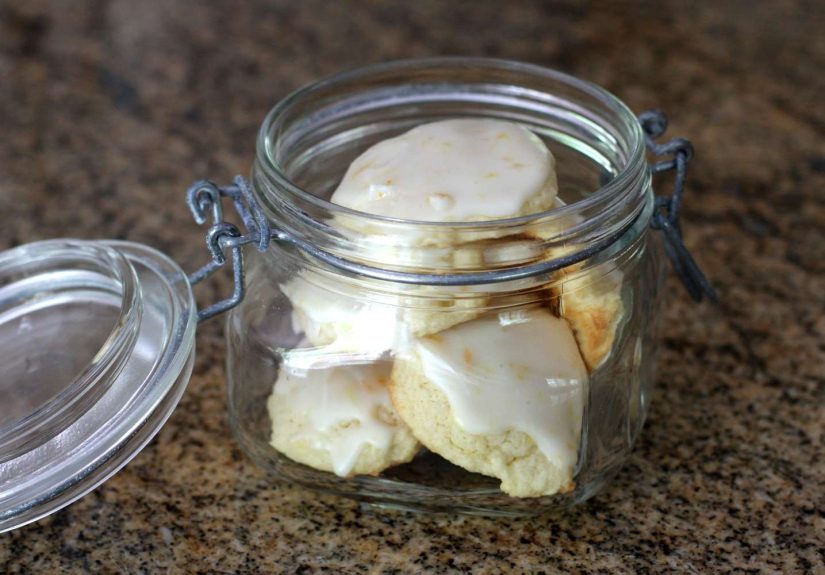
Let the cookies cool on the baking sheet for 5 minutes, then transfer them to a wire rack. For a simple glaze, whisk powdered sugar with lemonade concentrate or lemon juice until smooth. Drizzle over completely cooled cookies and let set before storing.
Tips for the Best Soft Lemonade Cookies
Use Softened Butter, Not Melted Butter
Softened butter should give slightly when pressed but should not look shiny or oily. Melted butter can make the dough spread too much, leaving you with thin cookies instead of soft, puffy ones.
Measure Flour Correctly
Spoon flour into the measuring cup and level it off with a knife. Scooping directly from the bag can pack too much flour into the cup, which may make the cookies dry. Flour is sneaky like that.
Do Not Overbake
The most common cookie crime is overbaking. Remove the cookies when the edges are set and the centers are still pale. If the whole cookie is golden brown, it may taste fine, but it will not have that soft lemonade-cookie texture.
Add Lemon Zest for Fresh Flavor
Lemonade concentrate gives sweetness and tang, while lemon zest adds aroma. The zest contains citrus oils that make the cookies smell fresh and bakery-worthy. Use a microplane or fine grater and avoid the white pith, which can taste bitter.
Let the Glaze Set
If you glaze the cookies, give them 20 to 30 minutes before stacking. This keeps the tops pretty and prevents the cookies from becoming one giant lemony cookie sandwich by accident. Delicious? Yes. Practical? Not always.
Flavor Variations
Pink Lemonade Cookies
Use pink lemonade concentrate instead of regular lemonade concentrate. Add a tiny drop of pink food coloring if you want a brighter color, though the flavor works beautifully without it.
Lemonade Crinkle Cookies
Roll the dough balls in granulated sugar, then powdered sugar before baking. The tops will crackle as the cookies spread, giving them a pretty crinkle-cookie look.
White Chocolate Lemonade Cookies
Fold 3/4 cup white chocolate chips into the dough. The creamy sweetness pairs well with lemon and makes the cookies feel a little more dessert-table fancy.
Strawberry Lemonade Cookies
Add 1/3 cup finely chopped freeze-dried strawberries to the dough. They add berry flavor without making the dough watery.
Extra-Tart Lemonade Cookies
Add 1 tablespoon fresh lemon juice to the glaze and increase the lemon zest in the dough to 1 tablespoon. This version is for lemon lovers who believe dessert should come with a little zing.
What to Serve With Lemonade Cookies
These cookies pair beautifully with iced tea, lemonade, hot tea, coffee, vanilla ice cream, berry salad, or a brunch spread. They are especially good with fresh strawberries, blueberries, raspberries, or whipped cream. For parties, arrange them on a platter with lemon bars, sugar cookies, and shortbread for a bright citrus dessert board.
If you are packing them for a picnic, skip a very thin glaze and choose a thicker drizzle or sugar topping instead. A sturdy glaze travels better, while a wet glaze may smudge in warm weather. Cookies may be casual, but even cookies deserve a little dignity.
How to Store Lemonade Cookies
Store cooled cookies in an airtight container at room temperature for up to 4 days. Place parchment paper between layers if the cookies are glazed. For longer storage, freeze unglazed cookies in a freezer-safe container for up to 3 months. Thaw at room temperature, then glaze after thawing for the freshest finish.
You can also freeze the dough. Scoop it into balls, freeze on a baking sheet until firm, then transfer to a freezer bag. Bake from frozen, adding 1 to 2 extra minutes as needed. This is excellent for emergency cookie situations, which are real and should be respected.
Common Mistakes to Avoid
Using Too Much Lemonade Concentrate
Lemonade concentrate is flavorful, but too much liquid can make the dough sticky and cause spreading. Use 1/3 cup in the dough, then save the rest for brushing or glazing.
Skipping the Salt
Salt does not make the cookies salty. It balances sweetness and makes the lemon flavor taste brighter. Without it, the cookies may taste flat.
Glazing Warm Cookies
Warm cookies melt glaze. Unless you want your cooling rack to look like a lemon-flavored crime scene, wait until the cookies are completely cool.
Overcrowding the Baking Sheet
Give the cookies room to spread. Two inches of space between dough balls is ideal. Crowded cookies can bake unevenly or merge into one large cookie continent.
Frequently Asked Questions
Can I Make Lemonade Cookies Without Frozen Lemonade Concentrate?
Yes. Replace the concentrate with 3 tablespoons fresh lemon juice plus 2 tablespoons granulated sugar. The flavor will be fresher and less “classic lemonade,” but still delicious. You may also add 1 teaspoon lemon zest to boost the citrus flavor.
Can I Use Lemonade Powder?
Yes, but use it carefully because powdered lemonade mix can be very sweet and strong. Start with 2 tablespoons of lemonade powder mixed into the dry ingredients, then add 1 to 2 tablespoons milk or lemon juice if the dough feels dry.
Why Did My Cookies Spread Too Much?
The butter may have been too warm, the dough may have needed chilling, or the flour may have been under-measured. Chill the dough for 20 to 30 minutes before baking the next batch.
Can I Make These Cookies Ahead of Time?
Absolutely. Bake them one day ahead and store them in an airtight container. For the best appearance, glaze them the day you plan to serve them.
Are Lemonade Cookies Good for Bake Sales?
Yes. They are eye-catching, inexpensive to make, easy to package, and different enough from standard chocolate chip cookies to stand out. Add a small label that says “Soft Lemonade Cookies” and watch people become very interested.
Experience Notes: What I Learned While Making Easy Lemonade Cookies
The first time I made lemonade cookies, I expected them to behave exactly like regular sugar cookies. That was my first mistake. Lemonade concentrate brings extra liquid and sugar, so the dough has a softer personality. It is not difficult, but it does like a little patience. When I chilled the dough for 20 minutes, the cookies baked into prettier rounds with soft centers and lightly golden edges. Without chilling, they still tasted good, but they spread more and looked like they had just heard surprising news.
The second lesson was about lemon flavor. Lemonade concentrate gives the cookies a nostalgic, sweet-tart flavor, but lemon zest makes them smell fresh. The difference is noticeable. Without zest, the cookies taste like lemonade. With zest, they taste like lemonade made by someone who owns a sunhat and knows what they are doing. I recommend adding zest even though it is optional. It takes one minute and makes the whole batch feel brighter.
I also tested the glaze two ways: thin and thick. A thin glaze soaks slightly into the cookie and gives it a soft, tangy top. A thicker glaze sits on the surface and looks prettier for gifting. For everyday snacking, I like a light drizzle. For parties, I use a thicker glaze and a little extra zest on top. It gives the cookies a bakery look without requiring bakery effort, which is my favorite category of effort.
The biggest surprise was how well these cookies fit different occasions. They are cheerful enough for spring, refreshing enough for summer, and bright enough to wake up a winter cookie tray that has become too committed to chocolate and cinnamon. I served them with iced tea once, and they disappeared quickly. I packed them in a lunchbox another time, and they held up well because they are soft but not fragile. I even froze a small batch unglazed, thawed them later, added fresh glaze, and they tasted nearly new.
My favorite practical trick is brushing the tops with a tiny bit of lemonade concentrate before baking, then sprinkling them with sugar. It gives the cookies a lightly sparkly top and a little extra tang right where you taste it first. Do not soak them; this is a cookie, not a sponge audition. Just a quick brush is enough.
If you are baking with kids, this recipe is especially fun because the dough smells like lemonade and the glaze is easy to stir. Kids can sprinkle sugar, drizzle glaze, or add colorful sanding sugar. If you are baking for adults, try pairing the cookies with hot tea or serving them alongside berries and whipped cream. Either way, lemonade cookies have a way of making dessert feel relaxed, sunny, and slightly more joyful than expected.
Conclusion
This Easy Lemonade Cookies Recipe is proof that simple ingredients can still deliver big flavor. With butter, sugar, flour, eggs, and thawed lemonade concentrate, you can create soft lemon cookies that taste bright, nostalgic, and homemade in the best possible way. They are quick enough for casual baking, pretty enough for parties, and flexible enough for creative variations like pink lemonade, strawberry lemonade, or white chocolate lemonade cookies.
The key is balance: use enough lemonade concentrate for flavor, add zest for freshness, avoid overmixing, and pull the cookies from the oven while the centers are still soft. Do that, and you will have a batch of sunny, tender cookies that make your kitchen smell like summer vacation.