Table of Contents >> Show >> Hide
- What Makes a Scandinavian Table Feel So Elegant?
- The Design History Hiding Beneath the Surface
- Materials, Craft, and the Quiet Luxury of Wood
- How to Style a Scandinavian Table Without Killing the Mood
- Bringing the Look Home in an American Space
- Experiences of Living with a Scandinavian Table
- Conclusion
There is something quietly confident about a Scandinavian table. It does not beg for attention. It does not wear too much jewelry. It does not arrive with a marching band of carved details, glossy flourishes, and dramatic centerpieces. It simply sits there in light wood, clean lines, and calm proportions, looking like it has already solved several life problems before breakfast. And somehow, that is exactly the point.
Scandinavian design has long been admired for its ability to make practical objects feel beautiful without turning them into divas. In the dining room, that philosophy lands with special grace. A Scandinavian table is not just a piece of furniture; it is a stage for everyday life. It is where coffee becomes a ritual, dinner becomes an event, and even a Tuesday bowl of pasta feels a little more civilized. The elegance comes from restraint, but never from coldness. That is the magic trick: less visual noise, more human comfort.
In American homes, this look continues to resonate because it feels timeless rather than trendy. It works in city apartments, suburban dining rooms, open-plan kitchens, and even awkward breakfast nooks that have seen some things. The appeal lies in a handful of dependable ideas: honest materials, thoughtful craftsmanship, useful beauty, and enough breathing room to let the table do its job. Underneath that polished simplicity is a deep design tradition shaped by climate, craft, and a serious respect for how people actually live.
What Makes a Scandinavian Table Feel So Elegant?
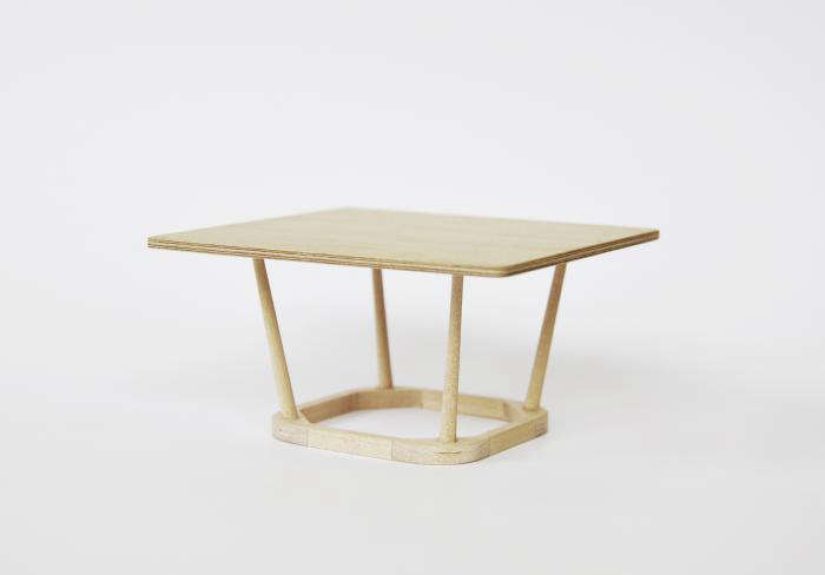
At first glance, a Scandinavian table can seem almost too simple. Then you spend time with one, and the details begin to show off in the politest possible way. The beauty is often found in proportion: the thickness of the tabletop, the angle of the legs, the softness of the edges, the way the grain of oak, birch, or ash moves across the surface like a quiet landscape. Nothing screams. Everything works.
This style is closely tied to the broader Scandinavian design tradition, which favors functionality, minimalism, and natural materials. In practice, that means furniture with clean lines, useful form, and a warm, approachable presence. A table in this tradition is rarely overloaded with ornament. Instead, it leans on craftsmanship. Joinery matters. Finish matters. Comfort matters. The goal is not to impress people from across the street. The goal is to make the people sitting around it feel good for a very long time.
Color plays a big role too. Scandinavian interiors often use light, neutral palettes that help rooms feel brighter and calmer. For a table, that usually means pale wood tones, muted textiles, stoneware, matte finishes, and black accents used with discipline rather than drama. A Scandinavian table setting might include linen napkins, simple ceramic plates, clear glassware, and candles that cast a soft glow instead of turning the meal into a Broadway production. Elegance, here, is not about excess. It is about editing.
The result is a table that feels airy but grounded, refined but relaxed. It can host a holiday dinner without becoming fussy, and it can survive a weeknight sandwich without losing dignity. That dual personality is one reason the look feels so modern. We want our homes to be lovely, yes, but we also want to use them. Scandinavian design has always understood that beauty and utility should be friends.
The Design History Hiding Beneath the Surface
To understand why a Scandinavian table feels so balanced, it helps to look under the tabletop and into the history behind it. Scandinavian modernism gained international momentum in the mid-20th century, especially in the 1950s, when design from Denmark, Sweden, Norway, Finland, and Iceland drew attention for being sleek, functional, democratic, and well made. While other forms of modernism could sometimes feel severe, Nordic design often softened modern ideas with warmth, tactility, and a closer relationship to daily life.
That distinction matters. The best Scandinavian furniture was never interested in looking futuristic just for the sake of it. It aimed to improve living. Museums and design historians have pointed to clarity, ease of use, and natural materials as central qualities of the style. In other words, a table should not only look good in a magazine spread; it should also support elbows, plates, conversation, homework, and the occasional dramatic family storytelling session.
One of the defining figures in this tradition was Alvar Aalto, whose work helped introduce American audiences to Finnish design decades ago. Aalto rejected furniture that functioned like a status symbol and instead championed simple, undecorated objects that lived in harmony with human beings. His work with bent and laminated wood demonstrated that furniture could be innovative without losing warmth. Even today, that philosophy echoes through contemporary Scandinavian tables: rounded corners, practical shapes, tactile finishes, and forms that feel gentle rather than aggressive.
Danish designers also played a major role in shaping the international image of Scandinavian furniture. Designers such as Hans Wegner and, in the American context, Danish-born Jens Risom helped establish the idea that modern furniture could be elegant, inviting, and human-scaled. That legacy still influences dining tables paired with wishbone-style chairs, softly curved seating, and understated silhouettes. The message is consistent: design should serve people, not intimidate them.
It is also impossible to separate this aesthetic from geography. Nordic countries experience long winters and a strong desire for interiors that feel calm, useful, and welcoming. Natural light is precious. Materials matter. Rooms often rely on pale finishes, reflective surfaces, and textures that create visual softness. A Scandinavian table, then, is not just fashionable furniture. It is a cultural response to climate, craft, and the idea that home should be restorative.
Materials, Craft, and the Quiet Luxury of Wood
If Scandinavian elegance had an unofficial mascot, it would probably be wood. Good wood. Honest wood. Wood that is allowed to look like wood instead of pretending to be marble in a social-climbing phase. Oak, birch, ash, and walnut are common choices because they bring warmth, durability, and visible grain to a room without overwhelming it.
Light-toned woods are especially popular because they help create the open, breathable quality associated with Nordic interiors. A pale oak or birch table can make even a small dining area feel brighter and less crowded. The finish is often matte or low sheen, which gives the piece a more natural, touchable quality. This is not furniture that wants to live behind velvet ropes. It wants to be used.
Craftsmanship is where the elegance deepens. Scandinavian tables often rely on subtle but meaningful details: softly beveled edges, slim tapered legs, rounded junctions, balanced proportions, and sturdy construction that never feels bulky. These details do not shout for applause, but they are exactly why the table feels refined. It is the design equivalent of excellent manners.
There is also a sustainability lesson buried here. While not every product marketed as “Scandinavian” deserves sainthood, the design tradition itself has long valued longevity. Furniture is meant to last, to age well, and to remain useful across changing trends. That makes the elegant Scandinavian table especially appealing in a time when many homeowners are tired of disposable décor. A well-made table becomes more beautiful through use. Tiny dents become stories. The grain grows richer. Life leaves fingerprints, and somehow that improves the piece instead of ruining it.
How to Style a Scandinavian Table Without Killing the Mood
Styling a Scandinavian table is less about decorating every square inch and more about knowing when to stop. This can be emotionally challenging for people who believe every table needs seven candles, twelve objects, and a centerpiece the size of a minor planet. Scandinavian design kindly suggests taking a breath.
Start with textiles. Linen is a favorite because it softens the look without making it feel precious. A natural table runner, simple placemats, or neatly folded cloth napkins can add texture while keeping the palette calm. White, oatmeal, gray, muted green, charcoal, and dusty blue all work well. If the table itself has beautiful grain, let it remain visible. Covering the whole surface with heavy layers would be like putting a winter coat on a sculpture.
Next comes the dinnerware. Stoneware and ceramic pieces with handmade character fit beautifully into this look. They bring subtle irregularity to a design style often associated with precision, which is important. Scandinavian rooms do not succeed because they are sterile; they succeed because they balance order with softness. Clear glassware and understated flatware keep the setting crisp, while matte black accents can add gentle contrast.
Candlelight is another essential ingredient. Scandinavian-inspired tablescapes often rely on candles to create atmosphere, especially in colder months. Beeswax tapers, simple candleholders, and warm pools of light make the table feel intimate and grounded. Add a single branch, a bowl of pears, a few sprigs of greenery, or one restrained floral arrangement, and you have enough. Truly enough. More than enough, actually.
The space around the table matters just as much as what sits on top of it. Scandinavian dining areas often emphasize natural light, negative space, and visual calm. That means a table looks best when the room is not choking on clutter. A woven pendant lamp, a pale rug, a simple bench, or a pair of sculptural chairs can support the look without crowding it. Mix old and new if you like; Scandinavian interiors often feel strongest when a timeless table is paired with pieces that bring lived-in personality.
Bringing the Look Home in an American Space
The good news is that you do not need a dramatic fjord view, a perfect Nordic accent, or a snow-dusted window to make this style work. In American homes, the elegant Scandinavian table adapts well because its principles are flexible. The look can be interpreted through a round pedestal table in a small apartment, a rectangular oak table in an open kitchen, or an extendable dining table in a family home where guests appear with alarming frequency.
If you are choosing a table, prioritize shape and proportion over trend-driven details. Round tables encourage conversation and work beautifully in tight spaces. Rectangular tables offer classic versatility and suit larger rooms. Extendable versions are especially practical because Scandinavian design loves efficiency almost as much as it loves beautiful wood grain.
Chair selection matters too. A Scandinavian table often pairs well with chairs that have airy silhouettes, woven seats, bent wood frames, or soft upholstery in neutral tones. The goal is visual lightness. Even in a substantial dining room, the arrangement should feel open rather than heavy.
Most importantly, resist the urge to over-theme the room. You do not need every object to look imported from Copenhagen. One well-chosen table, a restrained palette, natural textures, good light, and thoughtful styling can create the atmosphere. Scandinavian elegance is not about costume. It is about coherence.
Experiences of Living with a Scandinavian Table
What does it actually feel like to live with a Scandinavian-style table day after day? The experience is less flashy than buying a dramatic statement piece, but more rewarding over time. At first, the table may seem almost modest. It does not immediately dominate the room. Then, after a few weeks, you notice something interesting: everything around it begins to behave better.
The room feels calmer. Meals stretch a little longer. The tabletop encourages you to clear yesterday’s clutter because it looks best when it can breathe. A mug, a book, a candle, and a small ceramic bowl suddenly feel like enough. There is a kind of visual discipline built into the furniture, and it gently pushes the household in the same direction without ever becoming bossy.
In everyday use, the practical advantages stand out quickly. A good Scandinavian table usually has a sturdy, sensible shape, so it works just as well for breakfast, homework, working from home, wrapping gifts, or setting out snacks when friends stop by. It transitions between uses gracefully. That versatility is part of what makes the elegance believable. The table is beautiful because it is useful, not because it is trying to look untouchable.
There is also a tactile pleasure that becomes more noticeable with time. Hands rest on real wood. Plates land on a surface that feels warm rather than slick. Linen wrinkles a little and somehow improves the mood. Candlelight reflects softly instead of bouncing harshly off glossy finishes. Even ordinary dinners feel more composed. A roast chicken, a loaf of bread, and a salad can look suspiciously editorial on a Scandinavian table, which is either inspiring or mildly annoying depending on your personality.
Another common experience is that the table changes with the season without needing a total makeover. In summer, it looks light and breezy with simple glassware, fresh greenery, and sunlight pouring across the wood. In fall, it welcomes darker ceramics, pears, mushrooms, and textured runners. In winter, it becomes the hero of cozy evenings, holding candles, soup bowls, and maybe a dessert that deserves more applause than it gets. In spring, a branch with budding leaves is enough to reset the entire scene. Few furniture pieces handle seasonal shifts this well without asking for constant reinvention.
People also tend to notice how social the table becomes. Because the design is usually unfussy and comfortable, guests relax faster. Nobody feels like they are sitting at a museum exhibit. The room invites conversation instead of performance. Chairs are often lighter, arrangements are simpler, and the table itself does not compete with the meal. That creates a subtle hospitality that is hard to fake. It feels intentional but not stiff, elegant but not formal.
Perhaps the most satisfying part of the experience is how well the table ages. Small marks become part of the story. The finish softens. The wood develops character. Instead of looking outdated after a year, the table often looks more settled, more rooted, more like it belongs to the people using it. In a culture that often pushes constant updates, that stability feels luxurious. You stop thinking about what is fashionable and start appreciating what works.
That, ultimately, is the emotional power of a Scandinavian table. It does not just decorate a room. It organizes the pace of living around it. It makes ordinary rituals feel considered. It proves that elegance does not need noise, and that good design is often most powerful when it quietly supports daily life. No fireworks, no fuss, just a beautifully made place to gather. Honestly, that is a pretty excellent deal for a table.
Conclusion
An elegant table from Scandinavia is not defined by extravagance. It is defined by balance: light and warmth, function and beauty, simplicity and comfort. Rooted in a design tradition that values craftsmanship, clarity, and human-centered living, the Scandinavian table remains one of the smartest choices for modern homes. It works hard, looks calm, and ages gracefully. Best of all, it reminds us that the most memorable rooms are not always the loudest ones. Sometimes the most beautiful table is the one that makes everyone want to sit down and stay a while.