Table of Contents >> Show >> Hide
- What Are Double Thumbprint Cookies?
- Ingredient Intelligence (So You Know What Matters)
- Recipe: Double Thumbprint Cookies (Heart-Shaped Jam Cookies)
- Pro Tips for Cookies That Look Bakery-Nice
- Flavor Variations (Because Jam Has Many Moods)
- Thumbprint Cookie Troubleshooting
- Make-Ahead, Storage, and Freezing
- Serving Ideas (a.k.a. How to Look Like You Planned This)
- Real-Life Baking Experiences Related to Double Thumbprint Cookies (About )
- Conclusion
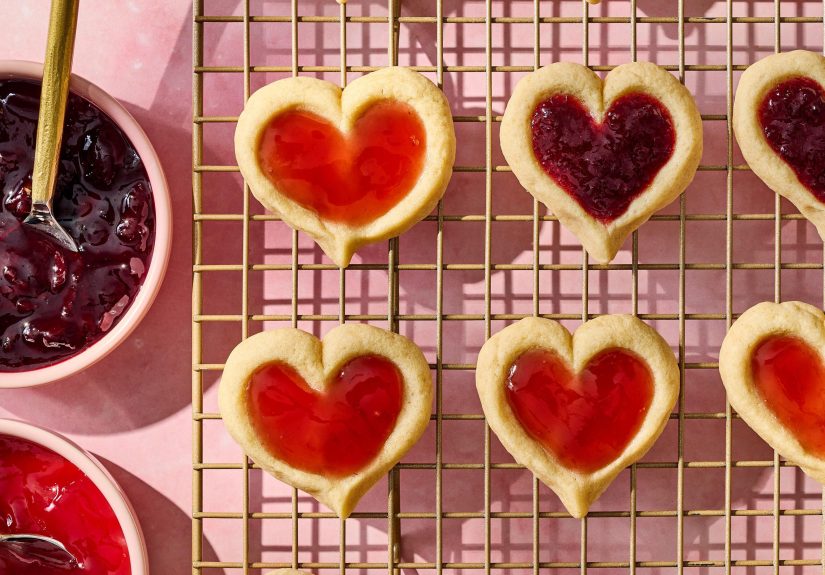
If regular thumbprint cookies are cute, double thumbprints are the ones that show up wearing a tiny bow tie and somehow still look casual. This double thumbprint cookies recipe gives you buttery, jam-filled cookies with two little wellsoften shaped into a heart so each bite tastes like shortbread met a fruit tart and decided to be portable.
You’ll get an in-depth, foolproof method (plus the “why” behind each step), flavor swaps, and troubleshooting so you can confidently bake jam thumbprint cookies that don’t crack, don’t spread into pancakes, and don’t launch their filling into the oven like it’s trying to escape.
What Are Double Thumbprint Cookies?
Traditional thumbprint cookies are buttery rounds with one indentation for jam. “Double” thumbprints usually means one of two things:
- Two indentations in one cookie (often creating a heart shape): you press two wells side-by-side, then pinch/taper the bottom.
- Two fillings (bonus level): jam in one well, chocolate/curd/caramel in the otherbecause decision-making is hard.
The dough here is shortbread-leaning: rich with butter, gently sweet, sturdy enough to hold a filling, and tender enough to melt pleasantly instead of crumbling like sandcastle regrets.
Ingredient Intelligence (So You Know What Matters)
Butter
Use unsalted butter for control over salt. Softened butter creams smoothly with sugar, creating tiny air pockets that help cookies bake evenly. If your kitchen is warm enough to qualify as “tropical,” soften butter briefly and then chill the dough later to prevent excess spreading.
Sugar
A mix of granulated sugar (for crisp edges) and a touch of brown sugar (for subtle chew and caramel notes) creates a balanced cookie. Rolling dough balls in sugar is optionalbut it adds sparkle and a light crunch.
Egg (or Egg Yolk)
One egg yolk adds richness and helps bind the dough without making it cakey. If you use a whole egg, the cookies may spread slightly more. Both work; yolk gives a more “fancy bakery shortbread” vibe.
Flour + Leavening
All-purpose flour is the classic choice. A small amount of baking powder helps the cookies puff just enough to look plush. Too much leavening, though, can make thumbprints rise and “heal over,” so we keep it modest.
Jam / Preserves
The best fillings are thick (so they don’t run) and bold (so they taste like fruit, not vaguely sweet nostalgia). Seedless raspberry, strawberry, apricot, and cherry preserves are crowd-pleasers. If your jam seems thin, stir it well and consider a quick chill.
Recipe: Double Thumbprint Cookies (Heart-Shaped Jam Cookies)
Yield: About 24–30 double thumbprint cookies (depending on size)
Total Time: ~75 minutes (includes chilling)
Oven: 350°F
Equipment
- Baking sheets
- Parchment paper (or silicone mats)
- Stand/hand mixer (or strong arm + determination)
- Small spoon or 1 teaspoon measure (for neat thumbprints)
Ingredients
- 1 cup (2 sticks) unsalted butter, softened
- 1/2 cup granulated sugar (plus 2–3 tablespoons for rolling, optional)
- 1/4 cup light brown sugar, packed
- 1 large egg yolk (or 1 large egg)
- 2 teaspoons vanilla extract
- 1/4 teaspoon almond extract (optional but delightful)
- 2 cups all-purpose flour, spooned and leveled
- 1 teaspoon baking powder
- 1/2 teaspoon fine salt
- 1–2 tablespoons milk (only if dough seems dry)
- 1/3 to 1/2 cup jam or thick preserves (raspberry, strawberry, apricot, cherry, etc.)
- Powdered sugar for dusting (optional)
Instructions
- Prep your oven and pans. Preheat to 350°F. Line baking sheets with parchment. (Parchment = easier cleanup and fewer “why is this welded to the pan?” moments.)
- Cream the butter and sugars. Beat softened butter, granulated sugar, and brown sugar for about 2 minutes, until fluffy and lighter in color. This helps create a tender buttery cookie dough with a pleasant bite.
- Add yolk and flavor. Beat in egg yolk (or whole egg), vanilla, and almond extract (if using). Scrape down the bowl so everything actually mixes instead of forming secret butter pockets.
- Add dry ingredients. In a separate bowl, whisk flour, baking powder, and salt. Add to the wet mixture in 2 additions, mixing on low just until combined. If the dough looks crumbly or cracks when pinched, mix in 1 tablespoon milk (up to 2 tablespoons total).
- Chill for shape control. Cover and chill the dough for 20–30 minutes. If your kitchen is warm or your dough feels very soft, chill a bit longer. Cold dough = less spread and cleaner thumbprints.
- Portion the dough. Scoop small portions and roll into smooth balls:
- For heart-shaped double thumbprints: roll two balls per cookie, each about 3/4-inch wide.
- For a simpler approach: roll one slightly larger ball per cookie and press two thumbprints into it.
Optional: roll the outside in granulated sugar for sparkle and crunch.
- Form the “double” shape. Place two dough balls side-by-side so they touch. Press a thumb (or teaspoon) into each ball to make two wells. Then gently pinch/taper the bottom to suggest a heart shape. Leave about 2 inches between cookies.
- Fill with jam. Spoon jam into each indentationaim for about 1/2 teaspoon total per cookie (roughly 1/4 teaspoon per well). Don’t overfill; jam is adorable but it will bubble.
- Bake. Bake 12–15 minutes, until the edges are just turning light golden. The centers may look slightly soft; that’s good. Overbaked thumbprints are basically butter-flavored drywall.
- Fix the wells (if needed). If the thumbprints puff up, immediately re-press the centers gently with the back of a teaspoon while cookies are hot. Let cookies cool 5 minutes on the pan, then move to a rack to cool completely.
- Finish and serve. Dust with powdered sugar if you want them to look like they just came from a winter rom-com bakery. Serve once fully cooled so the jam can settle.
Pro Tips for Cookies That Look Bakery-Nice
1) Roll the dough balls smoother than your best poker face
Cracks usually start before you press the thumbprint. Roll each ball until the surface is smoothno seams, no fissures, no “this is probably fine” energy.
2) Press gently and gradually
Instead of punching straight down, press slowly and wiggle slightly. A teaspoon is great for neat, consistent wells and fewer stress fractures in the dough.
3) Keep dough cold (especially for picture-perfect hearts)
If the dough warms up as you work, your cookies may spread and blur the heart shape. Work in batches: shape one tray, chill it while you shape the next, then bake.
4) Choose thick jam and don’t overfill
Thick preserves stay put. Thin jelly can run, bubble, and create a sticky lava moat around your cookies. If your jam is thin, give it a stir and a quick chill to thicken.
5) Know when “done” is done
Pull thumbprints when edges are set and barely golden. They will continue to firm up as they cool, keeping the texture tender instead of crunchy in a “did someone toast this?” way.
Flavor Variations (Because Jam Has Many Moods)
Classic Almond-Raspberry
Add almond extract (as written) and use seedless raspberry jam. It’s bright, bakery-style, and pairs beautifully with coffee or tea.
Peanut Butter & Jelly Double Thumbprints
Replace 2 tablespoons of flour with 2 tablespoons powdered peanut butter (or add 2 tablespoons creamy peanut butter and chill longer). Fill with strawberry or grape jam. For the “extra” version, drizzle melted peanut butter on top.
Chocolate + Jam (The Two-Filling Power Couple)
Make two wells; fill one with jam and one with thick chocolate ganache. Or bake first, re-press the wells, then add ganache so it sets smooth. Raspberry + dark chocolate is a classic for a reason.
Tahini-Sesame + Raspberry
Add 1–2 tablespoons tahini to the dough and roll the outside in sesame seeds (white, black, or both). The result tastes grown-up, nutty, and faintly mysteriousin a good way.
Lemon Curd Hearts
Bake cookies without filling, re-press wells, then add lemon curd once cooled. Bright, tangy, and perfect when you want a “sunshine cookie” in the middle of winter.
Thumbprint Cookie Troubleshooting
“Why did my cookies crack when I pressed them?”
- Dough is too dry: add 1 tablespoon milk and remix.
- You pressed too fast: press slowly or use a teaspoon.
- Dough wasn’t rolled smooth: roll longer; smooth surface = fewer cracks.
“Why did my cookies spread and lose their shape?”
- Butter too warm: chill dough longer, and chill shaped cookies before baking.
- Too much sugar or under-measured flour: spoon and level flour; don’t scoop compacted flour.
- Overmixing: mix just until flour disappears.
“My jam overflowedwhat happened?”
- You overfilled the wells: aim for about 1/2 teaspoon total per cookie.
- Jam too thin: choose thicker preserves or chill the jam.
- Wells too shallow: press a deeper indentation (and re-press right after baking if needed).
Make-Ahead, Storage, and Freezing
Make-Ahead
You can make the dough a day or two ahead and keep it tightly covered in the refrigerator. Let it sit at room temperature for 10–15 minutes if it’s too firm to roll.
Storage
Store cooled cookies in an airtight container at room temperature for up to a week. If stacking, separate layers with parchment so the jam stays in the cookieand not on the cookie above it.
Freezing
For best results, freeze the shaped, unfilled cookies: form the double thumbprints, freeze on a tray until firm, then transfer to a freezer bag. When ready to bake, place on a sheet, add jam, and bake (add 1–2 minutes if baking from very cold).
Serving Ideas (a.k.a. How to Look Like You Planned This)
- Cookie exchange MVP: bring three jams (raspberry, apricot, cherry) so your tray looks curated.
- Dessert board: pair with dark chocolate squares, orange slices, and nuts.
- Ice cream assist: crumble a cookie over vanilla ice cream for a “jammy shortcake” effect.
- Tea-time glamour: serve with Earl Grey, chamomile, or coffeethumbprints love warm beverages.
Real-Life Baking Experiences Related to Double Thumbprint Cookies (About )
Double thumbprint cookies have a funny way of turning “I’ll bake a quick batch” into an event. Not a dramatic eventmore like a cozy, flour-on-your-shirt, jam-on-your-spoon kind of event. They’re hands-on by design: you roll, press, fill, and inevitably pause to admire how ridiculously cute they look lined up on the tray. The double well (especially the heart shape) makes them feel intentional, like you planned ahead, even if your actual plan was “cookie, please.”
One of the most common experiences people report is the “thumbprint confidence curve.” The first few cookies get pressed timidlyshallow wells, tiny jam portions, and a lot of cautious glances toward the oven window. Then you see the dough puff slightly in the heat, realize your indentations could have been deeper, and suddenly cookie number six is getting a bold, decisive press. By the second tray, you’re re-pressing the wells like a pro and filling them with the steady hand of someone who has accepted that jam is not a suggestionit’s the point.
These cookies also have a reputation as a “family kitchen magnet.” Kids love the pressing step (it feels like edible Play-Doh), and adults love “taste testing” the jam options with the seriousness of a panel of judges. If you put out three small bowls of jamsay raspberry, apricot, and strawberrypeople will absolutely lobby for their favorite flavor, as if the future of dessert depends on it. That’s part of the charm: thumbprints invite customization without requiring a separate dough, frosting, or complicated piping bag situation.
At holidays and gatherings, double thumbprints behave like social cookies. They’re small enough to grab without commitment, pretty enough to spark conversation (“Wait, are these hearts?”), and flavorful enough that people come back for a secondoften “just to compare jams,” which is a completely valid scientific reason. They also travel well: the dough is sturdy, and the jam center helps keep them moist for days. Pack them in layers with parchment, and they arrive looking like they didn’t just ride in the trunk next to a reusable bag of mystery items.
Another classic experience is discovering your own “signature thumbprint.” Some bakers swear by a sugar roll for sparkle, others love finely chopped nuts for a toasted edge, and some go full dessert-maximalist with chocolate in one well and jam in the other. Over time, you’ll learn what your crowd likes: tart jams if your friends are “not too sweet” people, cherry if they’re nostalgic, or raspberry-chocolate if they’re the type to order dessert first and call it self-care. Once you find your favorite combo, double thumbprints become less of a recipe and more of a traditionone you can scale up for cookie swaps, gift tins, or those afternoons when you need your kitchen to smell like butter and victory.
Conclusion
The best part of a double thumbprint cookies recipe is that it looks fancy while being wonderfully low-drama: simple dough, quick shaping, and a jam center that does most of the personality work. Keep the dough cool, press with confidence, don’t overfill, and you’ll get heart-shaped shortbread thumbprint cookies that are tender, bright, and dangerously easy to “sample.”