Table of Contents >> Show >> Hide
- The quick truth: lemon water can help, but not for the reason TikTok says
- What’s in lemon water, exactly?
- How lemon water may support weight loss
- What the lemon adds (and what it doesn’t)
- Common myths (aka “things lemon water is not doing”)
- How to use lemon water for weight loss (the smart, tooth-friendly way)
- A practical 7-day lemon water “swap” plan
- FAQ
- Real-life experiences: what people commonly notice (about )
- Bottom line
Lemon water has a glow-up problem. Somewhere between “hot girl morning routine” and “my aunt’s detox hack,”
it got promoted from “a tasty way to drink more water” to “a fat-burning elixir.”
So… does lemon water help you lose weight, or is it just water wearing a citrus costume?
Here’s the honest answer: lemon water can support weight loss indirectlymainly by helping you drink
more water and by replacing higher-calorie beverages. But it doesn’t “melt fat,” detox your body in any special way,
or target belly fat like a heat-seeking lemon.
The quick truth: lemon water can help, but not for the reason TikTok says
If lemon water helps you lose weight, it’s usually because it changes what you donot because it changes your
metabolism. The biggest wins tend to come from:
- Hydration you actually stick with (because it tastes better than plain water).
- Fewer liquid calories (because you swap soda, sweet tea, juice, or fancy coffee drinks for lemon water).
- Better appetite awareness (because a glass of water before meals can reduce how much you eat in some people).
What’s in lemon water, exactly?
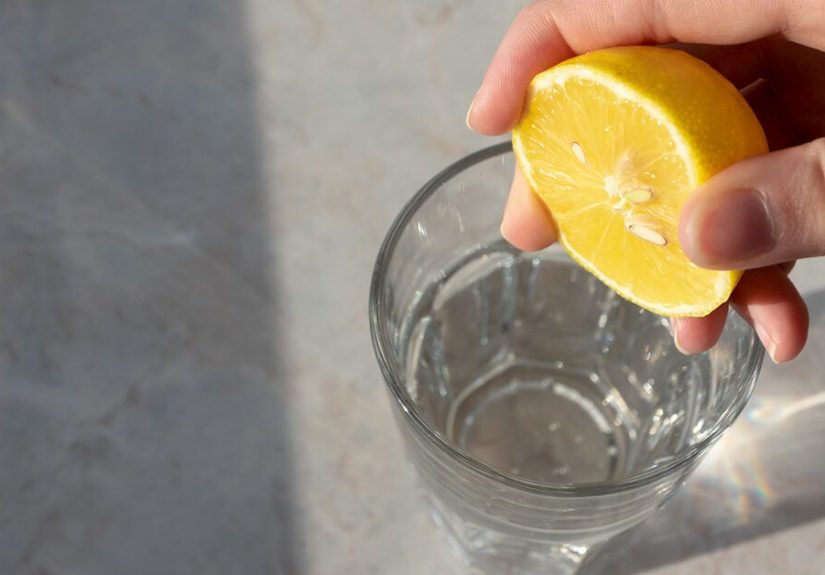
Classic lemon water is simply water plus fresh lemon juice (or lemon slices). If you keep it unsweetened,
it’s very low in caloriesespecially compared to sugary drinks. The lemon adds a little vitamin C and other plant
compounds, but the main ingredient doing the heavy lifting is still… water.
Hot vs. cold lemon water
Temperature doesn’t make lemon water “more fat-burning.” Hot lemon water can feel soothing, and cold lemon water can
be refreshing. Pick the version you’ll actually drink consistently.
How lemon water may support weight loss
1) It helps you drink more water (and that can support weight goals)
A lot of people don’t drink enough fluids day-to-day. Adding lemon can make water more appealing, which makes it easier
to hit a steady hydration routine. And while hydration isn’t a magic weight-loss switch, it can help you feel better
during workouts, reduce “confusing hunger” (sometimes thirst feels like snack cravings), and support normal digestion.
General daily fluid guidance varies by person, activity, and climate, but many reputable health organizations note that
a large portion of daily fluids comes from beverages and some from foods. For example, Mayo Clinic summarizes average
needs around 15.5 cups/day for men and 11.5 cups/day for women (from beverages and foods combined).[6]
Harvard’s Nutrition Source also discusses “adequate intake” ranges and how needs change with activity and heat.[7]
2) The biggest “weight loss” effect often comes from replacing sugary drinks
This is where lemon water can quietly become a superhero: not because it burns fat, but because it can replace drinks
that bring a lot of calories and added sugar.
A 12-ounce regular soda can pack a hefty dose of added sugar and calories. CDC resources highlight how quickly sugary
drinks can add upand how swapping them for water reduces calorie intake.[3]
Rutgers Cooperative Extension makes the same point with a long-term math example: replacing one daily 12 oz soft drink
with water can save a large number of calories over a year.[4]
Real-life example: Let’s say you drink one 12 oz soda per day.
- Swap it for unsweetened lemon water.
- You cut roughly 150+ calories/day (varies by soda).
- Over a month, that can be several thousand fewer calorieswithout changing a single bite of food.
Research on beverage replacement strategies supports this general idea: substituting caloric beverages with noncaloric
options is associated with modest weight loss in studies.[5]
3) Water before meals may help some people eat less
If you’ve ever walked into a restaurant “not that hungry” and then somehow ordered enough food to feed a small soccer
team… you’re not alone. For some people, drinking water before meals can increase fullness and reduce intake.
Harvard Health reviews evidence suggesting that a glass of water before meals may help some people eat less and lose a bit
more weight in certain study settings (often alongside a reduced-calorie plan).[1] It’s not guaranteed,
and it won’t override very high-calorie eating patternsbut it can be a simple nudge in the right direction.
4) It can become a “keystone habit” that supports better choices
Weight management rarely hinges on one food. It’s usually a pattern: more home meals, more walking, fewer sugar drinks,
more protein and fiber, better sleep, less “I accidentally ate an entire bag of chips while standing.”
Lemon water can act like a small daily anchorespecially if you link it to a routine (morning, pre-lunch, mid-afternoon).
Once you’re doing one healthy thing consistently, other choices often get easier.
What the lemon adds (and what it doesn’t)
Vitamin C: a nice bonus, not a weight-loss trigger
Lemon juice contains vitamin C. That’s great for overall nutrition, but it doesn’t mean lemon water causes fat loss.
Think of it as “helpful nutrient,” not “metabolism cheat code.” USDA nutrient references list lemon juice as a vitamin C
source.[13]
Citrate and kidney stones: a real benefit for some people
The citrate in citrus juices can help reduce the risk of certain kidney stones for some individuals. The National Kidney
Foundation notes that lemons and limes contain citrate and discusses citrus in the context of kidney stone prevention.[9]
Their prevention guidance also mentions lemon juice mixed with water as one practical option and warns to avoid sugary
lemonade.[10] Harvard Health similarly explains that citrate can help block stone formation and describes
lemon juice as a potential strategy.[11]
Important note: kidney stone prevention is personalized. If you have a history of stones or kidney disease, ask your clinician
what’s appropriate for your stone type and health needs.
Common myths (aka “things lemon water is not doing”)
Myth 1: “Lemon water detoxes your body”
Your liver and kidneys already detox you 24/7. Lemon water can support hydration, which supports normal kidney function,
but it’s not a special detox agent.
Myth 2: “It alkalinizes your body and makes you lose fat”
Your body tightly regulates blood pH. Lemon is acidic in the glass. Don’t worryyour physiology isn’t a swimming pool
you can “balance” with citrus.
Myth 3: “It targets belly fat”
Spot reduction isn’t how fat loss works. Lemon water can help you reduce calorie intake if it replaces sugary drinks,
but it doesn’t choose where your body loses fat.
How to use lemon water for weight loss (the smart, tooth-friendly way)
Make it simple
- Option A: 8–16 oz water + juice from 1/4 to 1/2 lemon
- Option B: Water + lemon slices (milder flavor, less acid exposure)
- Option C: Sparkling water + lemon (for soda cravings)
Use it as a replacement, not an add-on
Lemon water helps most when it replaces something higher-calorielike soda, sweet tea, juice, sports drinks, or sugary
coffee beverages.
CDC guidance emphasizes choosing water over sugary drinks as a practical way to cut calories, and even suggests adding a
wedge of lemon or lime to make water more appealing.[12]
Skip (or seriously limit) sweeteners
Adding honey, agave, or sugar turns lemon water into lemon “drink.” If you want sweetness, try:
- a squeeze of orange + lemon (still watch acidity)
- fresh mint or cucumber
- berries (muddle a few)
- cinnamon stick in warm water
Protect your teeth
Citrus is acidic, and frequent acid exposure can contribute to enamel erosion over time. The American Dental Association
recommends rinsing with water after acidic beverages rather than brushing immediately, among other strategies.[2]
MouthHealthy (by the American Dental Association) also advises waiting before brushing after acidic foods/drinks, using a straw,
and avoiding swishing acid in your mouth.[8]
Tooth-friendly tips:
- Use a straw if you drink lemon water often.
- Drink it with meals rather than sipping for hours.
- Rinse your mouth with plain water afterward.
- Wait before brushing (let enamel re-harden).
Watch for reflux
If you have GERD or frequent heartburn, lemon water can trigger symptoms in some people. If it makes you feel worse,
it’s not a “push through it” situationtry plain water or a less acidic option.
Cleveland Clinic notes that lemon water can be helpful for hydration and digestion in some contexts, but citrus acidity
isn’t ideal for everyone.[14]
A practical 7-day lemon water “swap” plan
If you want to test whether lemon water helps you, do it like an experimentnot a belief system.
For one week:
- Pick one daily drink to replace (soda, sweet tea, juice, sugary coffee).
- Replace it with lemon water (unsweetened).
- Keep everything else the samedon’t “reward” yourself with extra snacks.
- Track three things: cravings, energy, and how many days you stuck with it.
If your calories drop and your routine is consistent, you’ll likely see gradual progress. If nothing changes, that’s useful data, too:
it may mean your biggest calorie sources are elsewhere (hello, “just a handful of nuts” that was actually 400 calories).
FAQ
Does lemon water boost metabolism?
Not in a meaningful, fat-melting way. Any “metabolism boost” claims are usually overstated. The main benefit is behavioral:
it can help you drink water and reduce liquid calories.
Is lemon water better in the morning?
Morning lemon water isn’t magic, but it can be a helpful habit if it replaces a sugary drink or helps you start the day hydrated.
If mornings make your reflux flare, choose plain water.
Can I add honey?
You can, but honey adds calories. If weight loss is your goal, keep added sweeteners minimal and treat them like dessert
(small, intentional, not “oops I poured”).
How much lemon is too much?
There isn’t one perfect number for everyone. The bigger concerns are frequent acid exposure (teeth) and GI irritation (reflux).
If you’re drinking lemon water all day long, consider dialing it back or alternating with plain water.
Real-life experiences: what people commonly notice (about )
People’s experiences with lemon water vary a lotmostly because their starting point varies a lot. Someone replacing two sodas
a day will often notice a bigger change than someone who already drinks water all day and just adds a lemon wedge for vibes.
Below are common, realistic patterns people describe when lemon water becomes part of their weight-management routine.
These aren’t promisesjust typical “this is what it feels like” observations.
The “I finally drink water” effect
Many people say plain water is… fine. Not exciting, not offensive, just the beverage equivalent of beige paint. Adding lemon
makes it more enjoyable, which can increase how often they reach for it. When hydration improves, some people report fewer
afternoon headaches, less “snacky wandering,” and a clearer sense of whether they’re actually hungry or just bored and
under-caffeinated. That doesn’t automatically equal weight loss, but it can reduce the friction of healthier choices.
The soda swap wake-up call
A common experience is realizing how much “invisible” energy was coming from drinks. People often report that the first few
days of swapping soda or sweet tea for lemon water feel weirdcravings, habit triggers (like lunch = soda), and a sense that
something is missing. Then, around day four or five, the habit feels less dramatic. They may notice they feel less bloated
or less “sugar roller-coaster-y” in the afternoon. The scale may not instantly drop (bodies are not vending machines), but
the routine becomes easier, and that consistency is what sets the stage for gradual progress.
The “I eat differently when I’m hydrated” shift
Some people say that drinking lemon water before meals slows them down. It’s like a tiny pause button between “I’m starving”
and “I ordered an appetizer that could qualify as a main course.” They report being more satisfied with normal portions,
especially at lunch. Others don’t notice a difference at allespecially if they tend to eat quickly, eat while distracted,
or are running on too little sleep (which can crank up hunger hormones and cravings). The takeaway: lemon water can help,
but it’s one tool in a much bigger toolbox.
The “healthy ritual” mindset boost
A surprisingly common experience is psychological: lemon water feels like a fresh start. People describe it as a small
self-care ritual that nudges them toward other helpful behaviorspacking lunch, walking after dinner, choosing protein at
breakfast, or just cooking more at home. Not because lemon water contains motivational molecules, but because it acts like a
daily reminder: “I’m doing the things.” For many, that identity shift matters as much as any nutrition strategy.
The “oops, my teeth” lesson
On the downside, some people notice tooth sensitivity when they sip lemon water all day. That’s often the moment they switch
to drinking it with meals, using a straw, rinsing afterward, or alternating with plain water. This is one of those areas where
“more” is not better. Consistency matters; constant acid exposure doesn’t.
Bottom line
Lemon water can support weight loss if it helps you drink more water, reduces liquid calories, and fits into a
sustainable routine. But it’s not a standalone solution, and it doesn’t override overall calorie intake, food quality, sleep,
stress, and activity. Think of lemon water as a helpful assistantnot the boss of your metabolism.