Table of Contents >> Show >> Hide
- Why the Terrain Chair Caught So Many Design Eyes
- The Look: Vintage Soul, Modern Restraint
- Why It Works So Well in Today’s Dining Rooms
- How to Style a Slatted Oak Dining Chair
- What to Look for in Similar Chairs
- The Real Genius of This Chair
- Living With a Chair Like This: The Experience
- Final Verdict
- SEO Metadata
Some chairs are loud. They arrive in a room like they paid extra for a spotlight and expect applause before anyone has even passed the bread. The Slatted Oak Dining Chair from Terrain is not that chair. It is cooler than that. Smarter, too. It slips into a dining room with the quiet confidence of someone who knows exactly why they were invited.
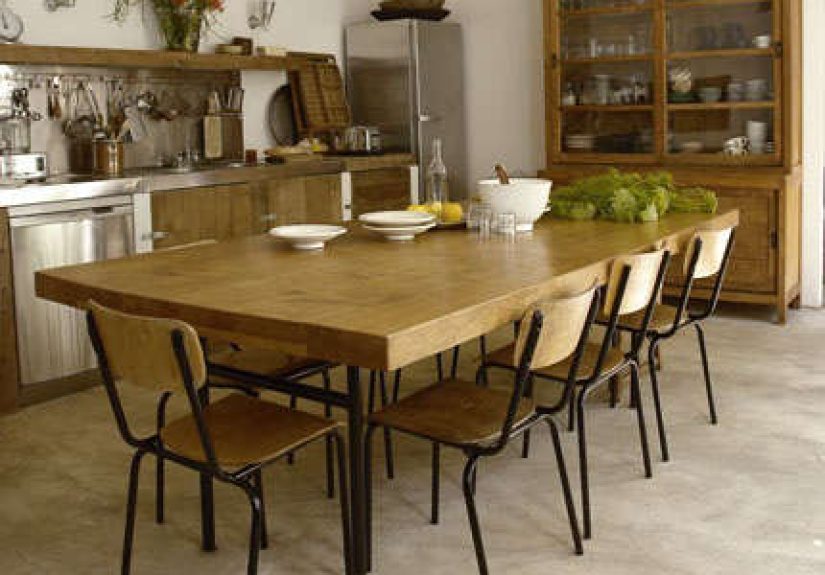
At first glance, this chair reads as simple: slatted oak seat, iron frame, gently vintage personality, no unnecessary drama. But that apparent simplicity is exactly the trick. The best furniture often looks obvious only after someone else has already done the hard work of getting the proportions, materials, and silhouette just right. This is one of those pieces. It feels a little French, a little industrial, a little rustic, and a little modern. In other words, it is doing a lot without looking like it is trying too hard. Frankly, we all know people who could learn from that.
What makes this design especially interesting is how it bridges categories that usually bicker with each other. It has the warmth of oak, the structure of iron, the visual rhythm of slats, and the kind of flexibility that makes a chair actually useful in real life instead of merely photogenic on the internet. Terrain’s version became memorable because it looked collected rather than corporate, practical rather than precious, and stylish without turning dinnertime into a performance piece.
Why the Terrain Chair Caught So Many Design Eyes
The appeal starts with the mix of materials. Oak brings warmth, texture, and visual softness. Iron brings contrast, definition, and enough industrial edge to keep the wood from drifting into country-cute territory. Together, they create the sort of balance designers chase constantly: organic but disciplined, rustic but refined, vintage-feeling but not dusty.
The slatted seat is the chair’s real magic move. Slats add texture without bulk, and they make the piece feel airy instead of heavy. That matters in dining rooms, where too much visual mass can make a table setting feel crowded before anyone has even sat down. A slatted chair lets the eye move through the room. It gives shape, but it also gives breathing room. Think of it as furniture with good manners.
Then there is the contour. A dining chair cannot survive on looks alone. If a chair is beautiful but punishing, it is not a design triumph; it is a prank. The Terrain chair was praised for its contoured oak seat, and that detail matters because it softens the harder materials and makes the chair more inviting for actual human beings with actual spines.
And yes, the stackable design deserves a round of polite but sincere applause. Stackability is one of those features that sounds boring until you live in a home where flexibility matters. Small-space apartment? Helpful. Extra holiday seating? Helpful. Want to move chairs from the dining room to the patio without launching a logistical operation? Very helpful.
The Look: Vintage Soul, Modern Restraint
One reason the slatted oak dining chair still feels relevant is that it lives in a sweet spot between nostalgia and freshness. It nods to older European workshop and café styles, but it avoids becoming a costume piece. There is no fake distressing begging you to admire its “character.” No overblown curves trying to prove it has a backstory. It just borrows the right notes from classic furniture language and edits the rest.
That restraint is exactly why it works in so many interiors. In a farmhouse kitchen, it reads earthy and grounded. In a modern dining room, it becomes a textural counterpoint to smoother surfaces. In a more eclectic home, it acts like the designated adult in the room, keeping the surrounding pieces from spiraling into chaos.
Designers keep returning to chairs with traditional and slat-back profiles because they offer what trendy, overdesigned seating often does not: rhythm, lightness, and durability of style. The silhouette feels familiar in the best possible way. It has memory. It has lineage. It has what the design world loves to call soul, which is just a poetic way of saying, “This won’t embarrass you in three years.”
Why It Works So Well in Today’s Dining Rooms
1. It plays beautifully with the return of warm woods
Dining rooms are leaning back toward wood, depth, and tactile materials. After years of rooms that looked a little too slick and a little too eager to resemble a furniture showroom, there is fresh appreciation for pieces that feel grounded. Oak delivers that warmth immediately. The grain adds movement, the tone adds comfort, and the overall effect is more welcoming than cold.
2. It supports a layered, collected look
One of the easiest ways to make a dining room feel dated is to buy a perfectly matching set and call it a day. That all-in-one-package look can feel static. The Terrain chair avoids that problem because it is the sort of piece that can pair with many table styles: trestle tables, farmhouse tables, sleek modern slabs, painted pedestal tables, even outdoor dining surfaces. It contributes personality without hijacking the room.
3. It keeps the room visually light
Good dining rooms need flow. Chairs should tuck in neatly, allow movement around the table, and avoid turning the space into an obstacle course. Because this chair combines an open frame with slatted construction, it feels lighter than a bulky upholstered option. That is especially useful in smaller dining rooms, breakfast nooks, or open-plan spaces where every silhouette counts.
4. It respects comfort without becoming overstuffed
Comfortable seating is one of the nonnegotiables of a successful dining room. But comfort does not always require padding the chair until it resembles a marshmallow in formalwear. A shaped wooden seat, supportive back profile, and right scale can do a surprising amount of work. The Terrain chair hits that sweet middle ground between rigid and loungey.
How to Style a Slatted Oak Dining Chair
Pair it with a rustic wood table
This is the most obvious move, and also a good one. A solid wood table paired with the chair’s oak-and-iron frame creates a natural, grounded palette that feels easy and timeless. The key is variation: let the tones be related, not identical. A dining room should feel collected, not cloned.
Use it to soften industrial elements
If your dining space includes concrete, metal pendants, black-framed windows, or exposed brick, a wood dining chair like this adds necessary warmth. The iron frame echoes the harder materials, while the oak stops the room from feeling like a stylish warehouse where everyone is afraid to spill soup.
Mix it with a painted table
A dark painted table, especially in charcoal, deep green, or muted navy, can make the chair’s oak tone glow. This combination feels more intentional than rustic-rustic everything, and it gives the room contrast without shouting.
Bring it outdoors when the weather behaves
Part of the original charm of this chair was its indoor-outdoor flexibility. That makes it ideal for homes where entertaining drifts between kitchen, patio, and garden. It is nice when a chair understands that dinner parties do not always respect floor plans.
What to Look for in Similar Chairs
If you are hunting for a comparable piece now, do not focus only on the phrase “slatted oak chair.” Look at the deeper design cues that made the Terrain version memorable.
Prioritize the profile
The best versions have a lean frame, visible structure, and a seat shape that looks intentional rather than flat. If it resembles a cafeteria chair that got a branding makeover, keep scrolling.
Check the wood tone
Oak can range from pale and Scandinavian-feeling to medium and more traditional. Choose a tone that complements your existing room rather than fighting it. Warm woods tend to be especially easy to live with because they add instant comfort.
Pay attention to seat comfort
Even in beautiful photography, you can often tell when a chair is going to be punishing. Look for contour, slight shaping, and a back that supports rather than merely exists.
Think about practicality
Can the chair stack? Is the finish forgiving? Will it survive spaghetti night, homework hour, and your uncle sitting down too hard after explaining the stock market? Good design has to survive being used.
The Real Genius of This Chair
The real genius of the Terrain slatted oak chair is that it understands a truth many furniture pieces forget: dining rooms are not museums. They are stages for weeknight pasta, birthday candles, awkward holiday opinions, half-finished homework, coffee that turns into lunch, and dinner that turns into “just one more glass of wine” for the adults. A chair in that setting needs to look good, yes, but it also needs to behave well.
This one does. It is handsome but not fussy. Distinctive but not bizarre. Structured but not stiff. It can sit at a rustic table, a modern table, an outdoor table, or a table you inherited and are still not sure about. It is a piece with range, and range is underrated.
Living With a Chair Like This: The Experience
Here is where the slatted oak dining chair really wins: not in the first five seconds, but in the fifth month. The first impression is visual. You notice the oak grain, the slim iron frame, the way the slats create a tidy rhythm. But the longer you live with a chair like this, the more its practical charm starts to show off.
In the morning, it looks crisp and unfussy tucked under the table, catching the angled light in the grain of the wood. It has enough shape to feel styled, but not so much personality that it dominates the room before coffee. Pull it out for breakfast, and it feels sturdy without being cumbersome. There is something deeply satisfying about a chair that moves easily and lands exactly where you expect it to. No wobble, no drama, no suspicious creak that makes you rethink your life choices.
By midday, in real homes, the dining chair stops being just a dining chair. It becomes a work chair, a laptop chair, a mail-sorting chair, a “let me sit here while I make a grocery list” chair. This is where the contoured wooden seat earns its keep. An all-wood chair can be a gamble, but when the seat is shaped well, it feels supportive instead of punishing. You stay at the table longer. You finish the email. You keep chatting. That matters more than any trendy finish ever will.
In the evening, the chair shifts gears again. Around candlelight or a pendant glow, the oak warms up beautifully while the iron frame fades into a clean outline. That material contrast is part of the experience. The wood makes the room feel human; the metal keeps it from feeling sleepy. Add linen napkins, ceramic dishes, and a bowl of citrus or bread, and suddenly the chair looks like it has always belonged there.
There is also the tactile experience. Slatted wood has texture. You run your hand across it and feel the little shifts in surface, the lines, the grain, the evidence that this is a natural material and not a plastic impersonation wearing a wood-print disguise. Over time, that tactility becomes part of the pleasure. It makes the room feel more grounded.
Then there is the flexibility. A chair like this can leave the dining room without looking lost. Move it to a corner with a plant and a stack of books, and it becomes accent seating. Slide it onto a patio for dinner outside, and it suddenly feels café-like. Bring in extra guests, and stackable versions are a gift to anyone who does not have unlimited square footage. That adaptability changes the relationship you have with furniture. Instead of treating the chair like a fixed object, you use it like a tool with style.
And perhaps that is the biggest compliment. A slatted oak dining chair from Terrain does not just photograph well; it participates well. It supports long meals, casual breakfasts, improvised work sessions, and the ordinary rituals that make a home feel alive. In a world full of furniture that tries very hard to be iconic, this chair succeeds by being useful, beautiful, and quietly memorable. Honestly, that is a pretty unbeatable dinner guest.
Final Verdict
The Design Sleuth: Slatted Oak Dining Chair from Terrain story endures because the chair itself solves a design puzzle many homeowners still face: how to choose dining seating that feels timeless, warm, practical, and a little bit special. Terrain’s version got there through disciplined materials, an airy slatted form, a comfortable contour, and just enough industrial contrast to keep things interesting.
It is the kind of chair that helps a room feel finished without feeling frozen. And that, in design terms, is the holy grail. Or at least the holy grail with a very good seat.