Table of Contents >> Show >> Hide
- What Is Flour, Exactly?
- The Main Components of Flour
- Whole, Refined, Enriched, Bleached: Why These Words Matter
- How Protein Changes the Performance of Flour
- The Most Common Varieties of Flour
- How to Choose the Right Flour
- Flour, Gluten, and Dietary Considerations
- Conclusion
- Practical Experiences With Flour in Real Kitchens
Flour looks humble. It sits in a bag, makes a small puff when you scoop it, and then somehow decides whether your bread becomes a bakery-worthy masterpiece or a dense edible brick with emotional baggage. For something that seems so simple, flour is surprisingly complicated. It has structure, personality, chemistry, and a long résumé in kitchens around the world.
At its most basic, flour is a finely ground powder made from cereal grains or other starchy plant foods. In everyday American use, though, the word flour usually points to wheat flour unless someone tells you otherwise. That tiny detail matters because wheat is special: when mixed with water, its proteins can form gluten, the stretchy network that helps dough trap gas, rise well, and bake into bread with chew, loft, and structure. In other words, wheat flour is not just powder. It is architectural powder.
This guide explains what flour is, what it is made of, and how the many varieties of flour differ in flavor, texture, nutrition, and best use. Whether you are a casual cookie baker, a sourdough loyalist, or someone staring at a grocery aisle full of bags labeled bread, pastry, self-rising, whole wheat, semolina, and “00” while quietly panicking, this article will help.
What Is Flour, Exactly?
Flour is a milled food ingredient produced by grinding grains, seeds, legumes, nuts, or roots into a powder. While many plants can be turned into flour, wheat remains the standard in American baking because it offers a balance of starch and protein that works beautifully in breads, cakes, pastries, biscuits, noodles, and countless other foods.
From a food science perspective, flour is both an ingredient and a performance tool. It gives dough and batter body, helps absorb liquid, contributes flavor, and influences tenderness, chewiness, color, and shelf life. A cake flour and a bread flour do not just wear different labels for fun. They behave differently because they are milled differently, come from different classes of wheat, and contain different protein levels.
That is why flour selection matters. The right flour can make a baguette airy, a pie crust flaky, and a birthday cake feather-light. The wrong one can make all three taste like regret.
The Main Components of Flour
To understand flour, it helps to start with the wheat kernel, sometimes called the wheat berry. A wheat kernel has three main parts: bran, germ, and endosperm. These parts determine what kind of flour you end up with and how that flour behaves in the kitchen.
1. Bran
Bran is the outer layer of the kernel. It is rich in fiber, minerals, and several B vitamins. Bran adds nutrition and a nuttier flavor, but it also affects texture. In bread dough, bran can act a bit like tiny scissors, interrupting gluten development and making loaves denser if the formula is not adjusted properly.
2. Germ
The germ is the embryo of the seed, the part that could grow into a new plant. It contains healthy fats, vitamins, antioxidants, and flavor. It is nutritionally valuable, but because it contains oils, it can shorten shelf life. That is one reason many refined flours remove the germ.
3. Endosperm
The endosperm is the largest part of the kernel and the main source of starch, along with much of the grain’s protein. Most white flour is mostly endosperm. If flour were a movie cast, the endosperm would get top billing.
4. Starch
Starch makes up the majority of most flour. It absorbs water, gelatinizes during baking, and helps create structure. In cakes, starch supports tenderness. In bread, it works with gluten to build crumb and body.
5. Protein
Protein content is one of the most important differences among flour types. In wheat flour, two proteins, glutenin and gliadin, combine with water and mixing to form gluten. Higher-protein flour generally builds stronger dough, which is ideal for yeast breads and pizza. Lower-protein flour makes more tender baked goods, such as cakes and pastries.
6. Fat, Fiber, Vitamins, and Minerals
These appear in smaller amounts, especially in refined flour, but they still matter. Whole grain flours tend to contain more fiber and micronutrients because they include bran and germ. Refined flours remove much of those parts, although enriched flour adds back certain nutrients such as iron and several B vitamins.
Whole, Refined, Enriched, Bleached: Why These Words Matter
Flour labels are full of terms that sound either highly scientific or mildly judgmental. Here is what they actually mean.
Whole Grain Flour
Whole grain flour contains all three original parts of the grain: bran, germ, and endosperm. In whole wheat flour, the natural proportions remain intact. This usually means more fiber, more flavor, and more nutrients than refined flour. It also usually means a heartier texture and greater water absorption.
Refined Flour
Refined flour has had the bran and germ removed, leaving mostly the endosperm. White flour is the classic example. Refining creates a finer texture, lighter color, and longer shelf life. It also removes a significant share of the grain’s original nutrients and some protein.
Enriched Flour
Enriched flour is refined flour with certain nutrients added back in according to U.S. standards. It does not restore the grain to its full original form, but it does help replace selected vitamins and minerals lost during milling. So, no, enriched flour is not exactly the same as whole wheat flour. It is more like a partial comeback tour.
Bleached vs. Unbleached Flour
Bleached flour is treated to whiten the color and alter the way the flour performs. Unbleached flour ages naturally and tends to have a slightly denser appearance. In many everyday recipes, the two can work similarly, but some bakers have strong preferences based on flavor, color, and texture.
How Protein Changes the Performance of Flour
Protein percentage helps explain why one flour rises high and another stays tender. In general:
| Flour Type | Typical Protein Range | Best For |
|---|---|---|
| Cake flour | About 7% to 9% | Cakes, delicate cookies, tender pastries |
| Pastry flour | About 8% to 10% | Pie crusts, muffins, biscuits, tarts |
| All-purpose flour | About 9% to 12% | General baking, cookies, quick breads, some yeast doughs |
| Bread flour | About 12% to 13.5% | Yeast breads, bagels, pizza dough |
| Whole wheat flour | Often on the higher side, but behaves differently | Hearty breads, muffins, pancakes, rustic baking |
Higher protein usually means more gluten potential and stronger dough. Lower protein usually means less gluten development and a softer, more tender result. That is why using bread flour for angel food cake is like wearing hiking boots to a ballet recital. Technically possible. Spiritually incorrect.
The Most Common Varieties of Flour
All-Purpose Flour
All-purpose flour is the reliable multitasker of the baking world. It is usually milled from a blend of hard and soft wheats, giving it moderate protein and broad usefulness. It works for cookies, muffins, pancakes, pie dough, and many breads. If your pantry can only hold one flour, this is usually the one.
Bread Flour
Bread flour contains more protein than all-purpose flour, which helps build stronger gluten and gives yeast dough more structure. It is excellent for sandwich loaves, artisan breads, bagels, and pizza crust. If you want chew, rise, and a good crust, bread flour is your friend.
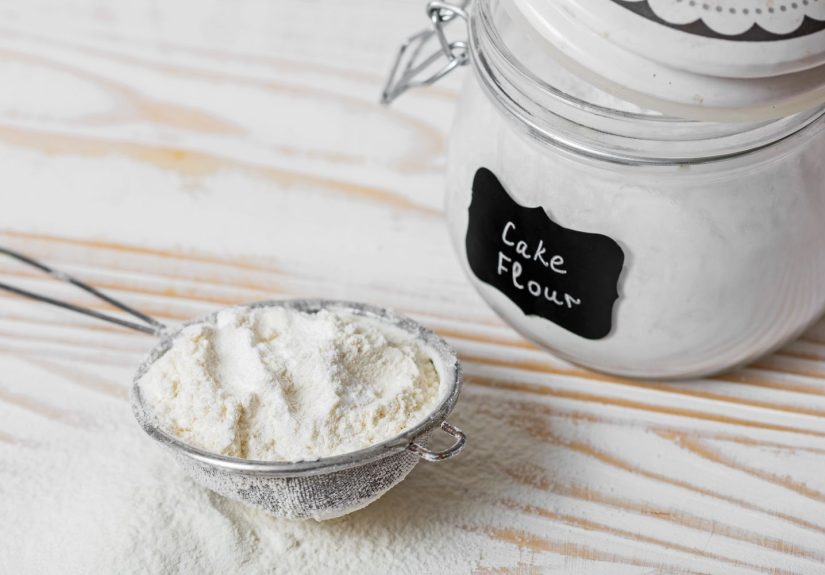
Cake Flour
Cake flour is very finely milled and low in protein. It creates a soft, delicate crumb and is ideal for layer cakes, chiffon cakes, and tender cupcakes. It is not the flour for rustic bread unless your goal is “confused sponge.”
Pastry Flour
Pastry flour sits between cake flour and all-purpose flour. It is softer than all-purpose and great for pie crusts, biscuits, scones, and tart shells. It helps create tenderness without becoming too fragile.
Whole Wheat Flour
Whole wheat flour uses the entire kernel, so it brings more fiber, stronger wheat flavor, and a darker color. It absorbs more liquid and can produce denser baked goods if substituted directly for white flour without recipe adjustments. It shines in sandwich loaves, muffins, pancakes, and rustic breads.
White Whole Wheat Flour
White whole wheat flour is made from hard white wheat rather than the more common red wheat. It still counts as whole grain, but it has a lighter color and milder flavor, making it a smart option for bakers who want whole grain nutrition without the more assertive taste of traditional whole wheat.
Self-Rising Flour
Self-rising flour already includes leavening and salt. It is convenient for biscuits, quick breads, pancakes, and some Southern-style baking. It is not interchangeable with all-purpose flour unless you adjust the recipe. Using it accidentally in a yeast bread formula can create a truly memorable mistake, and not in a good way.
Semolina and Durum Flour
Semolina is a coarser product milled from durum wheat, while durum flour is more finely ground. These flours are famous for pasta, but they also work well in some breads and pizza doughs. They bring a golden color, slightly sweet nuttiness, and a pleasantly firm bite.
Rye Flour
Rye flour is darker, earthier, and lower in gluten-forming strength than wheat flour. It is common in rye breads, pumpernickel-style loaves, and hearty artisan baking. Rye can create flavorful bread, but it behaves differently from wheat, often producing denser, stickier dough.
Corn, Oat, and Other Gluten-Free Flours
Corn flour, oat flour, rice flour, sorghum flour, buckwheat flour, quinoa flour, almond flour, and coconut flour expand the meaning of flour beyond wheat. Some are made from grains, some from seeds or nuts, and some are naturally gluten-free. These flours bring distinct flavors and textures, but they usually do not mimic wheat flour one-for-one because they do not build the same gluten structure.
How to Choose the Right Flour
The best flour depends on what you are baking and what texture you want.
- Choose bread flour for chewy, structured yeast breads.
- Choose cake flour for soft, airy cakes.
- Choose pastry flour for flaky, tender crusts and pastries.
- Choose all-purpose flour when you need flexibility.
- Choose whole wheat or white whole wheat when you want whole grain flavor and nutrition.
- Choose semolina or durum for pasta and certain chewy breads.
- Choose gluten-free flours or blends when avoiding wheat, barley, and rye.
Also remember that measuring method matters. Flour can pack differently depending on how it is scooped, sifted, or stored. Weight is more reliable than volume, which is why serious bakers tend to use a kitchen scale. Flour may be old-school, but precision is modern romance.
Flour, Gluten, and Dietary Considerations
Because wheat, barley, and rye contain gluten, not every flour works for every eater. People with celiac disease must strictly avoid gluten-containing grains. For them, gluten-free flours such as rice, corn, buckwheat, quinoa, or certified gluten-free oat flour may be appropriate, depending on the product and preparation. Even so, gluten-free baking often needs blends, binders, and tested recipes because removing gluten changes structure dramatically.
For people without celiac disease, wheat flour remains a useful staple. The healthiest choice often depends on the overall diet and baking goal. Whole grain flours generally offer more fiber and broader nutritional value, while refined flours provide lighter texture and greater versatility in some recipes. A smart kitchen often uses both, depending on the job.
Conclusion
Flour is more than a white powder that appears right before the mixer turns on. It is a carefully milled ingredient shaped by grain type, kernel composition, protein level, and processing method. Its three core kernel parts, bran, germ, and endosperm, explain the difference between whole grain and refined flour. Its starch and proteins explain the difference between a lofty loaf and a tender cake. And its many varieties, from all-purpose to semolina to almond flour, prove that “flour” is really a whole category of ingredients, not a single one-size-fits-all product.
Once you understand definition, components, and varieties of flour, labels stop looking mysterious and recipes stop feeling like guesswork. You do not need a food science degree to choose the right bag. You just need to know what the flour is made of, how much structure you want, and whether your next baking project deserves chew, tenderness, heartiness, or all three.
Practical Experiences With Flour in Real Kitchens
Anyone who bakes regularly learns the truth about flour the same way: not from a package, but from the bowl. On paper, all-purpose flour sounds like the universal hero. In practice, it is the dependable middle child. It rarely makes the tallest artisan loaf, and it rarely creates the softest bakery-style cake, but it usually gets the job done without drama. That is why so many home bakers start there. It is forgiving, flexible, and far less likely to punish small mistakes.
Bread flour, on the other hand, makes its presence known quickly. Dough mixed with bread flour often feels stronger, springier, and more elastic. It stretches instead of slumping. When kneaded properly, it starts to feel alive in your hands, almost like it has opinions. That stronger structure becomes obvious in the oven, where loaves rise higher and pizza crust gets that satisfying chew. The first time a baker switches from all-purpose to bread flour for bagels, the difference can feel like discovering the dough version of power steering.
Whole wheat flour teaches a different lesson: nutrition and flavor often come with trade-offs that reward patience. Many people try replacing white flour with whole wheat cup for cup and then wonder why the loaf turns heavy enough to qualify as hand luggage. Whole wheat absorbs more liquid and brings bran into the mix, so dough usually needs more hydration and sometimes more rest. But once that adjustment clicks, the result can be fantastic: fuller flavor, nuttier aroma, and bread that tastes like it actually came from a field instead of a laboratory.
Cake flour is where texture becomes almost theatrical. A baker who uses cake flour for a layer cake often notices the crumb immediately. It is softer, finer, and more delicate than a cake made with all-purpose flour. The slices look neater, the bite feels lighter, and the whole dessert seems a little more polished. It is the difference between “homemade and charming” and “homemade but suspiciously bakery-level.”
Rye and semolina create their own adventures. Rye dough can feel sticky and less obedient than wheat dough, but the flavor payoff is huge: earthy, rich, and deeply comforting. Semolina brings color and bite, especially in pasta and certain breads. The dough feels different, the finished product chews differently, and suddenly flour becomes less like a pantry staple and more like a creative decision.
Then there is the classic self-rising flour experience: someone uses it by accident, forgets it contains leavening and salt, and spends the afternoon wondering why the biscuits taste oddly sharp or the batter puffed in unexpected ways. It is the kind of mistake that teaches label reading forever.
Perhaps the biggest real-world lesson is that flour behaves best when measured by weight, not by guesswork. One overpacked cup can quietly sabotage a recipe before the oven even preheats. Bakers who move to a scale often describe the change with near-religious enthusiasm, which is understandable. Fewer surprises, better consistency, and fewer baked goods with the texture of drywall is a strong selling point.
In the end, experience with flour is really experience with control, adaptation, and attention. The more you bake, the more you realize that flour is not interchangeable dust. It is the foundation of structure, texture, and flavor. Once you learn how each type behaves, baking becomes less mysterious and much more fun.