Table of Contents >> Show >> Hide
- What “Current Obsessions” Really Means (and Why It Still Works)
- The “Stars Align” Week: Celebrity Homes as a Shortcut to Design Ideas
- Luxury Is Showing Up in Unexpected Places: Nail Salons and Butcher Shops
- Small Objects, Big Joy: Modern Teapots and Kettles for the Minimalist Maximalist
- Heath Ceramics and the Slow-Goods Energy Behind “One of Everything”
- Field + Supply and the Maker-Fair Effect: Wanting to Buy a Lifestyle (Nicely)
- Digital Curation: Pinterest Boards, Vintage Posters, and the New Mood Board
- The Ugly Side of Beautiful Rooms: When Comment Sections Go Off the Rails
- How to Get the “Stars Align” Look at Home (No Celebrity Realtor Required)
- Experiences: When “The Stars Align” Shows Up in Real Life ()
- Conclusion
Every so often, a week in design feels like someone spilled the “interesting” jar all over the internetcelebrity real estate,
small-batch ceramics, modern tea gear, and a craft fair that makes you want to move upstate and learn woodworking immediately.
Remodelista’s Current Obsessions: The Stars Align (originally published as a weekly radar in late September 2014) captured
that exact kind of moment: the week when the home world was buzzing with movie-star listings, maker energy, and the reminder that
the internet can be both inspiring and… a little feral.
This article unpacks what made that “stars align” roundup so stickythen translates it into practical, do-able ideas you can use
in your own space (even if your landlord thinks “patina” is a kind of pasta). Expect trend-spotting, specific examples, and a few
gentle jokes, because if we can’t laugh about wanting a six-bedroom penthouse, what can we laugh about?
What “Current Obsessions” Really Means (and Why It Still Works)
Remodelista’s “Current Obsessions” format is deceptively simple: a short list of what the editors are reading, shopping,
bookmarking, and daydreaming about. But the magic is in the mix. Instead of treating home design like a sealed-off category, it
connects interiors to culturemedia, retail, travel, food, craft, and the ever-present gravitational pull of celebrity homes.
In other words, “Current Obsessions” is less “here’s what to buy” and more “here’s what’s shaping taste right now.” That matters
for SEO and for real life. People don’t search for “aesthetic cohesion” (usually). They search for the stuff that nudges their
taste: SoHo loft tour, modern teapot, best designed nail salon, handmade
ceramics, craft fair Hudson Valley. A roundup that follows curiosity ends up matching how readers
actually browse.
The “Stars Align” Week: Celebrity Homes as a Shortcut to Design Ideas
The title The Stars Align wasn’t subtleand that was the point. The week’s links leaned hard into star power:
a movie star’s SoHo-area loft listed as a luxury rental, another actor putting a beloved Brooklyn townhouse on the market, and a
very public peek at a rockstar penthouse that a supermodel was rumored to be touring. It’s not gossip for gossip’s sake; it’s
design research in a glittery wrapper.
Why we can’t stop looking at famous people’s homes
Celebrity interiors are essentially big-budget “mood boards” with plumbing. They show what happens when:
- Space isn’t the constraint (hello, extra-wide townhouse and rooftop gardens).
- Storage is invisible (built-ins and concealed cabinetry everywhere).
- Materials do the heavy lifting (wood, stone, metal, plasterless clutter, more texture).
- Art is treated like furniture (big pieces placed intentionally, not apologetically).
Take the Brooklyn angle: a Boerum Hill townhouse listing from that week offered the kind of “city dream” checklist buyers obsess
overmultiple bedrooms, real outdoor space, and details that read as classic rather than trendy. Meanwhile, the SoHo rental story
hit a different nerve: open-plan loft living that looks cinematic in photos, then forces you to answer practical questions like,
“Where do I put the vacuum?” (Celebrity or not, the vacuum always wins.)
Design takeaways you can steal without the six-bedroom budget
-
Go big on one architectural gesture. If you can’t do a renovation, fake one: a floor-to-ceiling curtain wall,
oversized art, or a single dramatic pendant can give you that “loft logic.” -
Use restraint like it’s a material. Celebrity homes often feel calm because the “stuff” is edited. Try removing
20% of what’s on your open shelves and see how your space breathes. -
Choose surfaces that age well. Natural wood, unlacquered brass, stone, and quality ceramics look better with
use. Glossy, flimsy finishes tend to look… stressed.
Luxury Is Showing Up in Unexpected Places: Nail Salons and Butcher Shops
One of the most forward-looking notes in the roundup wasn’t a penthouseit was the delight in
design-worthy nail salons and the fascination with a butcher shop so stylish it could pass for a gallery.
That’s a real shift: design isn’t only for living rooms anymore. It’s showing up in everyday “errand spaces,” and once you
notice it, you can’t unsee it.
What makes a small commercial space feel “considered”
Whether it’s a salon, a butcher, or your local coffee shop, the same design moves tend to show up:
- Lighting that flatters people (warm, layered, not surgical).
- Durable surfaces that still feel tactile (stone counters, sealed concrete, wood accents).
- A clear palette (two to three main materials/colors, repeated on purpose).
- Good waiting (comfortable seating and something nice to look at).
This matters at home because “errand-space design” is basically a lesson in efficiency. These places have to function under
pressureheavy foot traffic, constant cleaning, lots of useand still look good. Borrow that mindset for your kitchen or entry:
pick finishes that can handle life, then style them so they feel intentional instead of purely practical.
Small Objects, Big Joy: Modern Teapots and Kettles for the Minimalist Maximalist
The roundup also nodded to a modernist’s favorite kind of thrill: a well-designed object you use every day.
A curated look at modern tea kettles and teapots landed right on time for early fall, when people start treating
hot drinks like a hobby (and honestly, good for them).
How to choose a kettle or teapot that actually earns counter space
-
Stovetop vs. electric: Stovetop kettles are beautiful and simple; electric kettles are fast and precise.
If you drink tea daily, speed and temperature control can be worth it. -
Material matters: Stainless steel is durable; cast iron retains heat; glass is visual (and fragile);
ceramic is soothing (and sometimes heavier). - Pour feel: A good spout doesn’t splash or dribble. This is the difference between “ritual” and “mopping.”
- Maintenance: If it’s annoying to clean, it won’t become a habitit’ll become clutter.
The deeper takeaway isn’t “buy a kettle.” It’s the Remodelista principle of the considered home:
choose fewer objects, but choose ones that make the daily routine feel a little better. A kettle that pours cleanly and looks
great on the stove is a tiny upgrade that pays rent in happiness.
Heath Ceramics and the Slow-Goods Energy Behind “One of Everything”
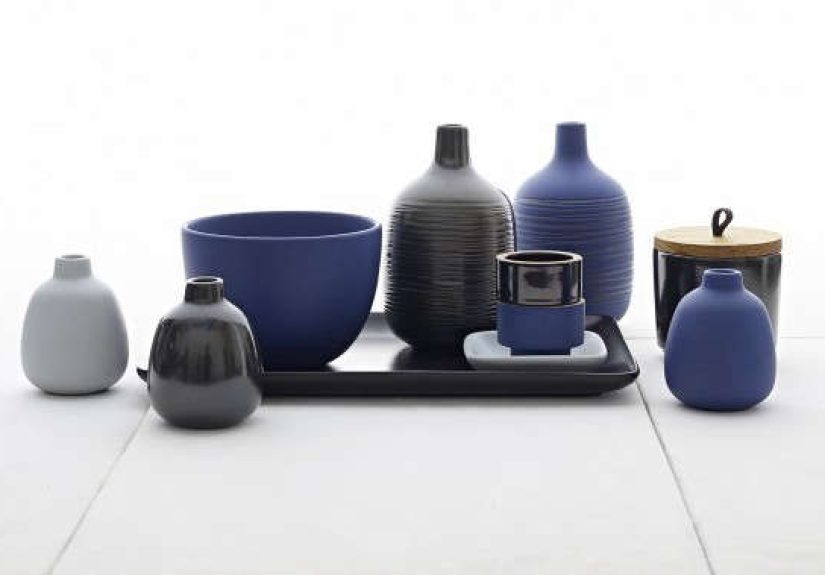
The “Stars Align” post famously included a wish-list sentiment along the lines of wanting “one of everything” from a new
Heath Ceramics collection. That’s not impulse shopping; it’s brand trust. Heath has long represented a specific American design
value system: craft, material integrity, and everyday objects made to last.
Why do ceramics show up so often in “current obsessions”? Because they’re both functional and emotional. A good mug is a daily
handshake with your home. A well-made plate turns leftovers into lunch. And a seasonal collectionnew glazes, subtle color shifts,
limited runsfeels like a refresh without redecorating your whole kitchen.
How to channel the Heath mindset without rebuilding your dish cabinet
- Start with one workhorse category: mugs, cereal bowls, or a serving platter you’ll use weekly.
- Pick a glaze that plays well with neutrals: earthy tones, deep blues, warm whiteseasy to mix and match.
- Let “imperfect” be the point: slight variation is proof a human made it, not a machine.
Field + Supply and the Maker-Fair Effect: Wanting to Buy a Lifestyle (Nicely)
Another “stars align” link captured a very specific early-fall fantasy: the modern craft fair. Field + Supply, hosted in High Falls,
New York in October 2014, positioned itself as an elevated take on the classic small-town faircurated makers, strong design POV,
and the kind of shopping that feels like discovering rather than consuming.
The maker-fair trend has only grown since then, because it solves two modern problems at once:
people want to shop with a story, and they want to meet the maker (or at least see that a maker
exists). It turns buying into learninghow something is made, why materials matter, and what “quality” looks like up close.
Bring the maker-fair feeling home
- Choose one handmade anchor: a stool, a ceramic lamp base, a woven basket, or a cutting board that ages well.
- Display functional craft: don’t hide the good pieces; let them live where you use them.
- Buy slower, buy better: save for the piece you’ll still love in three years.
Digital Curation: Pinterest Boards, Vintage Posters, and the New Mood Board
“Pinboards of the Week” may sound quaint now, but the core idea is timeless: design taste is built through collection. The roundup
highlighted Pinterest boards from a working creativesomeone gathering references, not just saving pretty rooms. That’s a key shift:
inspiration becomes more useful when you can explain why you saved it.
The same section mentioned a vintage NYC subway poster as a desk-side art pickan example of decor that’s affordable, graphic,
and culturally specific. Posters are underrated because they do three jobs at once:
they add color, they add story, and they can visually “finish” a corner without new furniture.
How to build a mood board that actually improves your home
- Collect patterns, not one-offs: after 30 saves, what repeatsmaterials, colors, silhouettes?
- Name your vibe: “warm modern,” “quiet rustic,” “Paris flea + clean lines.” If you can name it, you can shop it.
- Translate inspiration into rules: e.g., “no shiny chrome,” “two woods max,” “black accents only in lighting.”
The Ugly Side of Beautiful Rooms: When Comment Sections Go Off the Rails
One of the smartest references in the roundup pointed to an Elle Decor commentary on negativity in design-blog comment culture.
It was a reminder that the internet can turn a gorgeous space into a punching bagusually from behind the protective shield of a
screen name and a snack crumb stuck in someone’s keyboard.
This matters today because design is more public than ever. If you post your home onlineyour kitchen refresh, your DIY shelves,
your “before and after”you’re inviting strangers into a space that’s personal. The healthiest takeaway is simple:
curate not just your decor, but also your inputs. Follow voices that teach, not just critique. Save what energizes you. Ignore what
performs outrage for clicks.
How to Get the “Stars Align” Look at Home (No Celebrity Realtor Required)
If the roundup has a unifying thread, it’s this: good taste is a mix of the aspirational and the everyday.
You can admire a SoHo penthouse and still improve your own space with a kettle upgrade, a better light fixture, and one handmade
object that makes your kitchen feel like yours.
A practical, steal-this-now checklist
- Upgrade one light source: swap a harsh bulb for warm light, add a plug-in sconce, or hang a statement pendant.
- Create a “ritual station”: tea/coffee corner with one great tray, two favorite cups, and nothing extra.
- Bring in one graphic element: a vintage-style poster, bold photograph, or simple typographic print.
- Use a “commercial space” trick: a mirror near the entry, a bench that’s actually comfortable, hooks you’ll use.
- Add a subtle celestial nod: a sunburst mirror, star-shaped ornament, or constellation-like patternkeep it grown-up, not costume.
- Edit your surfaces: clear one countertop completely, then put back only what earns its spot.
The goal isn’t to copy a celebrity home or buy a cartful of “trending” items. It’s to align your space with your real life:
the way you cook, rest, work, and gather. That’s what makes a home feel designedwhen the choices support the person living there.
Experiences: When “The Stars Align” Shows Up in Real Life ()
One of the most relatable “Current Obsessions” experiences is the moment you step into an ordinary errand and realize the space
is quietly gorgeous. You go in for a 20-minute appointment, and suddenly you’re staring at a wall color that looks like stormy
linen. The lighting is warm. The chairs are comfortable. The surfaces are clean but not clinical. You leave thinking, “Waitwhy
doesn’t my entryway feel this calm?” That’s the nail-salon effect: it turns design from a “someday” project into a “why not
today?” question.
Then there’s the butcher-shop phenomenonwhen a place that sells something practical (meat, bread, produce, whatever) feels like
a boutique. You notice the signage is simple and confident. The displays are intentional. The packaging is beautiful without
being fussy. And you realize you can copy that at home by treating your kitchen like a mini market: clear containers, one good
cutting board left out on purpose, and a shelf that holds staples neatly. Suddenly, cooking feels less like chores and more like
a small ritual you don’t dread.
The “stars align” vibe also appears when you fall for a single object that improves your day in a measurable way. A modern kettle
that boils quickly and pours cleanly can turn into a tiny anchor habittea while you answer emails, a reset cup in the afternoon,
a comforting routine on rainy weekends. It sounds dramatic for a kettle, but the real story is that well-designed objects reduce
friction. Less dripping. Less fiddling. More enjoyment. Your counters look better, and your brain feels calmer. That’s a win-win
with a handle.
Maker-fair experiences hit differently because they come with human context. You pick up a hand-thrown bowl and the maker tells
you how the glaze breaks at the rim, or why the clay body looks warmer in natural light. You go home and suddenly your mass-made
pieces feel… loud. Not badjust louder. The handmade object earns a spot where you’ll actually use it: fruit bowl, salt cellar,
utensil crock. It becomes part of your daily loop instead of living on a “special occasion” shelf like a museum exhibit you’re
scared to touch.
And yes, celebrity real estate still delivers its own oddly useful experience: you look at a famous person’s massive loft and
realize the best part isn’t the square footageit’s the editing. The rooms feel intentional because there’s space around
everything. The lesson you bring home is simple: you can’t buy more square footage, but you can buy yourself visual calm by
removing what you don’t need and letting the good pieces breathe. When you do that, your home doesn’t need to be famous.
It just needs to feel like it finally makes sense.
Conclusion
Remodelista’s Current Obsessions: The Stars Align worked because it wasn’t one trendit was a constellation. Celebrity
listings showed aspiration. Ceramics and tea gear grounded it in daily life. Maker culture offered meaning and craft. And the
media commentary reminded everyone that taste is personal and the internet is… a lot.
If you want the “stars align” feeling at home, skip the perfection chase. Upgrade one everyday ritual, choose one handmade anchor,
edit your surfaces, and borrow the best ideas from the places you already love visiting. That’s how a considered home happens:
not in one dramatic reveal, but through small decisions that make life smootherand your space prettier while it’s at it.