Table of Contents >> Show >> Hide
- Why We’re Obsessed With “New” Right Now
- Obsession #1: Intentional Everything (a.k.a. “Show Me the Why”)
- Obsession #2: Analog Is the New Luxury
- Obsession #3: Scent Stacking and Beauty Mixology
- Obsession #4: Food Trends That Feel Like a Personality (Fibermaxxing, Cabbage-Core, and Texture)
- Obsession #5: Fashion’s New ComfortWorkwear, Nostalgia, and “Useful Cute”
- Obsession #6: Mood Rooms, Bold Color, and the “Collected” Home
- Obsession #7: AI Everywhere… and the Backlash That Improves It
- How to Try New Obsessions Without Becoming a Walking Trendboard
- Conclusion: Keep the New, Lose the Noise
- Bonus: A 500-Word “Try-It” Experience Guide (Hypothetical, but Extremely Realistic)
- SEO Tags
There’s a special kind of chaos that hits right after we collectively decide, “This is the year I become a new person.” Suddenly, your group chat is debating protein soda like it’s a Supreme Court case. Someone you know is writing actual letters. Someone else is “color-drenching” their hallway (translation: painting everything the same moody shade and calling it a lifestyle). And yesyour phone is now powered by a tiny army of AI features you didn’t ask for, but somehow can’t stop using.
Welcome to 2026, where current obsessions aren’t just “trends”they’re mini coping strategies, identity experiments, and mood boosters wearing cute outfits. The vibe is simple: in with the new… but only if the new feels real, useful, and just a little bit fun.
Why We’re Obsessed With “New” Right Now
The “new” we’re chasing in 2026 isn’t the frantic, novelty-for-novelty’s-sake kind. It’s more like: new routines, new rituals, new ways to feel betterand new things that make life feel less like an endless scroll.
Cultural trend reports point to a shift from impulse to intention: people want purchases (and habits) that come with a reason, not just a viral moment. Meanwhile, brands and creators are learning that “perfect” is out, and “human” is inbecause honestly, we’re all exhausted by the synthetic-feeling feed.
Obsession #1: Intentional Everything (a.k.a. “Show Me the Why”)
In 2026, the hottest flex isn’t buying the thingit’s explaining why you bought the thing. The era of “I saw it on TikTok and blacked out” is cooling down. Now it’s: “I tried it, it works, and here’s the evidence.”
Shopping gets picky (in a good way)
People are rewarding products that earn trust: proof, practicality, and community validation. That’s why reviews, comment sections, and creator demos matter so muchbecause they feel like real people doing real life. (Sometimes with chaotic lighting. Still trusted.)
Micro-communities replace mass trends
Instead of one giant monoculture obsession, we’re seeing lots of smaller “taste pockets”: niche aesthetics, specialized hobbies, and mini fandoms that give people identity without requiring a full personality transplant.
Obsession #2: Analog Is the New Luxury
If you’ve noticed an uptick in journaling, film cameras, craft kits, and “I deleted apps for my mental health” postssame. The new status symbol is attention: having it, protecting it, and spending it on purpose.
Snail mail glow-up
Letter writing is backnot because anyone wants more errands, but because it’s tangible and slow in a world that’s aggressively fast. The fun is in the ritual: stamps, stationery, little doodles, and the dopamine hit of receiving something that isn’t a bill.
“Boredom hobbies” become survival skills
People are romanticizing the ordinary again: puzzles, reading sprints, baking projects, and hobby nights that feel like being offline without being lonely. It’s not anti-technologyit’s pro-sanity.
Obsession #3: Scent Stacking and Beauty Mixology
2026 beauty is less “signature scent” and more “playlist energy.” Enter: scent stacking (layering fragrances) and mixing products like you’re a chemistbut the fun kind, not the OSHA kind.
Why it’s taking off
Scent is emotional. It’s memory, mood, confidence, comfort. And layering gives people personalization without needing a full custom perfume budget.
How to try it (without smelling like a department store collision)
- Start with a base: clean musk, vanilla, or soft woods.
- Add one “character note”: citrus, spice, rose, or something airy.
- Keep it to 2–3 layers max: you’re building a vibe, not a fog machine.
- Test on skin: fragrance chemistry is realand occasionally rude.
Obsession #4: Food Trends That Feel Like a Personality (Fibermaxxing, Cabbage-Core, and Texture)
Food culture in 2026 is doing two things at once: getting more functional and getting more sensory. Translation: gut health meets crunch.
Fibermaxxing goes mainstream
Protein had its main-character era. Now fiber is stepping into the spotlight, driven by gut-health interest and the demand for foods that feel supportive without feeling clinical. Expect more fiber-forward packaging, more ingredient callouts, and more “this snack is basically a wellness routine” energy.
Cabbage gets a glow-up
Cabbage is having a cultural moment because it’s versatile, affordable, and plays well across cuisines. Think dumplings, slaws, roasted wedges, stir-fries, and soups that feel hearty without being heavy.
Texture and “sensory maximalism”
People want food that performs: crispy, chewy, crackly, creamy, fizzy. Brands are leaning into multi-sensory appeal bold textures, bright colors (yes, even blue drinks), and snacks that feel like an experience, not just calories.
Obsession #5: Fashion’s New ComfortWorkwear, Nostalgia, and “Useful Cute”
The fashion mood is shifting toward pieces that do something: practical silhouettes, comfort, and a dash of nostalgia. The obsession isn’t about looking expensiveit’s about looking like you have your life together. (Even if your laundry basket is auditioning for a documentary.)
Carpenter jeans: utility with polish
Carpenter jeans are trending because they’re comfortable, structured, and designed for real lifebig pockets, strong seams, and a silhouette that can read casual or elevated depending on what you pair with it. The key styling move? Contrast: refined tops, clean shoes, and accessories that look intentional.
Granny blouses and heirloom energy
Vintage-inspired “grandma” detailslace, high necklines, covered buttons, soft floralsare back as a warm antidote to sterile minimalism. It’s nostalgia, but make it modern: styled with denim, boots, and a “yes I own a steamer” level of self-respect.
Obsession #6: Mood Rooms, Bold Color, and the “Collected” Home
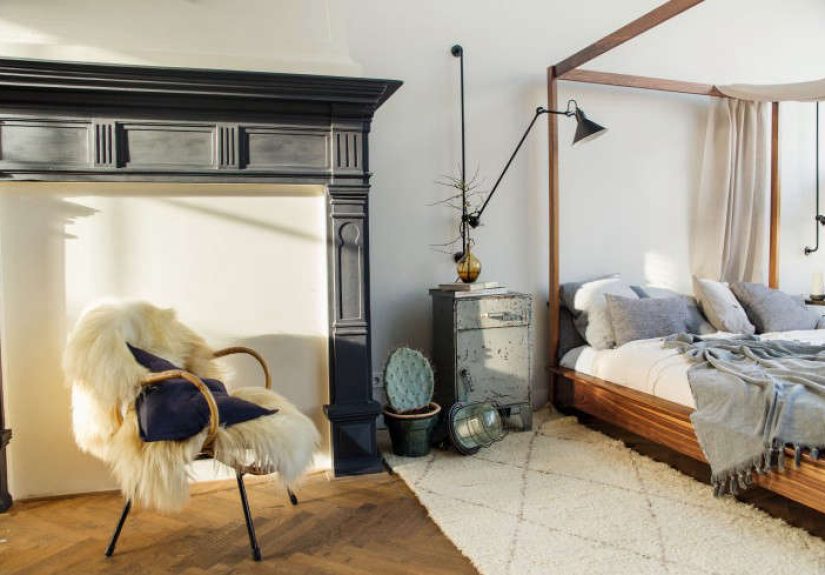
Home design in 2026 is about atmosphere. People are moving away from spaces that feel like a showroom and toward rooms that feel like a storylayered, personal, and a little dramatic (in the best way).
Color-drenching and moody greens
Bold paint choices are sticking around, including color-drenching (walls, trim, and sometimes even the ceiling in one hue). Blue-greens and grounded jewel tones are popular because they feel calming and rich at the same timelike a deep breath, but stylish.
Unframed art (confidently)
Unframed art is trending as a relaxed, immediate design choiceespecially for larger, high-quality pieces that can stand on their own. The trick is to make it look deliberate, not like you ran out of money mid-project. Scale and placement matter.
Obsession #7: AI Everywhere… and the Backlash That Improves It
AI is embedded in more devices than everphones, TVs, wearables, appliances, and the occasional gadget that screams, “I’m AI!” without explaining what problem it solves. At big tech showcases, AI shows up in everything from health tech to home helpers.
But here’s the twist: the obsession isn’t “AI for AI’s sake.” People are increasingly drawn to AI that supports real life: clearer routines, smarter organization, better accessibility, and less friction. The winning “new” is the kind that feels quietly useful, not like a sci-fi demo living in your kitchen.
How to Try New Obsessions Without Becoming a Walking Trendboard
If you want to be “in with the new” without burning out, borrow these rules:
- Pick one obsession per category: one food habit, one style shift, one home tweak, one tech upgrade.
- Do a two-week test: if it still feels good after the novelty fades, keep it.
- Buy the smallest version first: sample sizes, thrift finds, minisearn the upgrade.
- Choose trends that match your life: not your fantasy self who “always meal preps.”
- Prioritize joy and function: if it doesn’t help or delight, it’s clutterphysical or mental.
Conclusion: Keep the New, Lose the Noise
The best current obsessions aren’t about keeping upthey’re about feeling better, living smarter, and making space for small joys. In 2026, the “new” that lasts is intentional, human, sensory, and surprisingly practical. Try what sparks curiosity, skip what drains you, and remember: you don’t need to reinvent yourselfyou just need a few upgrades that make life feel fresh again.
Bonus: A 500-Word “Try-It” Experience Guide (Hypothetical, but Extremely Realistic)
Imagine you decide to spend one week living by the rules of 2026’s newest obsessions. Not in a “new year, new me” waymore like “new week, slightly improved chaos.”
Day 1: You start with the easiest flex: intentional shopping. You don’t buy anything yet. You just… research. It feels suspiciously responsible. You read reviews, scroll comment threads, and realize strangers on the internet will absolutely warn you if something pills after one wash. Humanity: flawed, but helpful.
Day 2: You try analog luxury. You write a letter. A real one. With a pen. Halfway through, you remember your hand has muscles. The envelope looks slightly haunted, but you add a fun stamp and suddenly it’s charming. You feel like a person who owns a linen apron and knows what “seasonal” means.
Day 3: It’s time for scent stacking. You go with a clean base and add one brighter layer. For the first hour, you keep sniffing your wrist like you’re trying to solve a mystery. It’s oddly comfortinglike your outfit has a soundtrack. You stop at two layers because you have read the cautionary tales of “accidental fragrance thunderstorm.”
Day 4: The food era begins: fibermaxxing. You add beans to something that previously had no business containing beans. Then you add cabbagebecause cabbage-core is apparently a thing and you are committed. The meal is crunchy, satisfying, and surprisingly affordable. You feel virtuous. You also drink more water because fiber has a strong “team project” vibe with hydration.
Day 5: You try the mood room move. Not a full renovationjust a lighting tweak and a bolder color moment (maybe a deep blue-green throw blanket, maybe a paint sample that doesn’t commit you to a three-day spiral). You hang one large art piece without a frame and step back like an interior designer on a streaming show. It looks intentional, which is thrilling because you did not measure anything.
Day 6: Fashion gets practical. You wear carpenter jeans and a soft, vintage-inspired blouse. The outfit says “I could build a bookshelf,” even if the only thing you built today was a new playlist. The pockets are so good you briefly consider carrying your entire life in them. The overall effect is “useful cute,” which is basically the 2026 dress code.
Day 7: You let AI help, but only in the background: a smarter schedule, a cleaner to-do list, a helpful summary. No sci-fi performance. Just fewer tiny frictions. And then you end the week the most 2026 way possible: you do something quietly enjoyableread, cook, walk, call a friendwithout posting it. The real obsession, it turns out, is feeling present enough to notice your life while you’re living it.