Table of Contents >> Show >> Hide
- What Is a Cream Pie, Exactly?
- The Three Parts of a Great Cream Pie
- Classic Cream Pie Recipes Worth Making
- A Simple Formula for Homemade Cream Pie
- How to Make Cream Pie Taste Better
- Common Cream Pie Mistakes
- Serving and Storing Cream Pie
- Why Cream Pie Recipes Never Go Out of Style
- Kitchen Experiences: What Cream Pie Recipes Teach You
- Conclusion
There are desserts that politely wait in the corner for applause, and then there are cream pies, which walk into the room like they own the place. A great cream pie has everything going for it: a crisp crust, a silky filling, a cloud of topping, and the kind of chill that makes every slice feel like dessert got its life together. Whether you love banana cream pie, coconut cream pie, chocolate cream pie, or an old-school sugar cream pie, this family of desserts proves that “soft and creamy” is not a weakness. It is a strategy.
This guide breaks down what makes cream pie recipes so good, how to build one without kitchen drama, and which classic flavors deserve space in your baking rotation. It is written for real people with real ovens, real grocery budgets, and at least one real memory of over-whipped cream. Let’s make pie.
What Is a Cream Pie, Exactly?
A cream pie is usually built from three simple parts: a baked crust, a creamy filling, and a topping such as whipped cream or meringue. Unlike fruit pies, which often bake with the filling inside, many classic cream pie recipes rely on a fully baked crust and a stovetop filling that sets as it chills. That is why texture matters so much. You want contrast. The crust should still have some backbone, the filling should be smooth instead of gluey, and the topping should look generous enough to make people suspiciously cheerful.
The best cream pies usually fall into a few familiar categories. Some are custard-based, thickened with egg yolks and cornstarch. Some lean into whipped cream for a lighter finish. Some use meringue for dramatic height and a little toasted flair. And some, like Hoosier sugar cream pie, take a simpler route with a rich dairy filling and deep vanilla flavor. Different personalities, same delicious objective.
The Three Parts of a Great Cream Pie
1. The Crust
If your filling is cool and creamy, your crust needs to stay crisp enough to carry the whole operation. That is why a blind-baked crust matters so much in many cream pie recipes. Whether you use a buttery pastry crust, a graham cracker crust, or a cookie crumb crust, the goal is the same: no soggy bottom, no sad collapse, no “eat it with a spoon and call it rustic” emergency.
Pastry crust gives the pie a classic bakery feel. Graham cracker crust works especially well with banana, chocolate, and no-bake variations because it adds a sweet, toasty crunch. Cookie crusts are great when you want something playful, especially for peanut butter, cookies-and-cream, or chocolate cream pie.
2. The Filling
The filling is where cream pie recipes live or die. A proper cream pie filling should be rich but not heavy, thick but not rubbery, and sweet without making your teeth file a complaint. In most traditional versions, the structure comes from a combination of milk or cream, sugar, egg yolks, and starch. The starch helps the filling set, while the yolks add richness and a custardy finish.
Vanilla is the classic base note, but that is just the beginning. Bananas add softness and perfume. Coconut brings chew and tropical sweetness. Chocolate adds depth. Lemon brightens everything up. Butterscotch turns the whole pie into a cozy sweater. The trick is balance. You want the flavor to be obvious, not loud enough to knock over the furniture.
3. The Topping
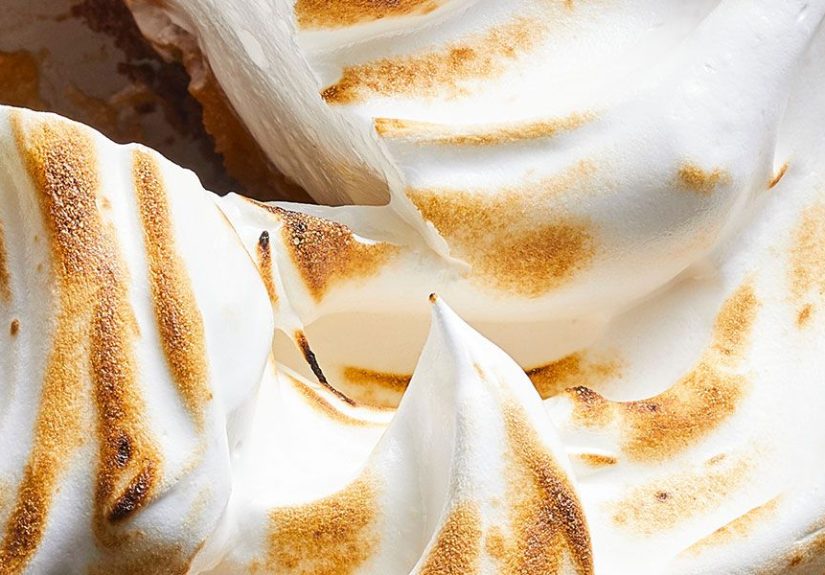
Whipped cream is the usual crown, and for good reason. It is cool, light, and forgiving. It also helps offset a rich filling, which is useful when your pie is basically one glamorous custard wearing a pastry hat. Meringue is the more theatrical cousin. It works especially well with lemon and butterscotch styles, adding shine, height, and a little toasted drama.
If you want the pie to look polished, save the topping for the end. That final swirl of whipped cream or sweep of meringue is the difference between “homemade charm” and “I absolutely meant for it to look this good.”
Classic Cream Pie Recipes Worth Making
Banana Cream Pie
Banana cream pie is one of the most beloved American cream pie recipes for a reason. It combines a vanilla custard filling with fresh banana slices and a whipped cream topping, all tucked into a crisp crust. The bananas bring sweetness and softness, while the custard keeps everything from turning into a fruit salad with ambition. For the best flavor, use ripe bananas that are sweet but still firm enough to slice neatly.
Coconut Cream Pie
Coconut cream pie is for people who like dessert with texture. The filling is smooth, but the coconut flakes add chew and nuttiness, especially if some of them are toasted. This is one of those pies that feels both nostalgic and a little fancy, like it belongs at a church supper and a holiday table at the same time.
Chocolate Cream Pie
Chocolate cream pie is where pudding grows up, gets a promotion, and starts answering emails. A good version has real chocolate flavor, a silky filling, and enough structure to slice cleanly. Add whipped cream and chocolate shavings on top, and suddenly everyone is acting like you went to pastry school.
Lemon Meringue Pie
Lemon meringue technically lives near the edge of the cream pie family, but it belongs in the conversation. The filling is glossy, tart, and custard-like, while the meringue gives it height and sweetness. It is a contrast pie in the best sense: bright and creamy, soft and fluffy, sweet and sharp. Also, it photographs like it knows exactly what it is doing.
Butterscotch Cream Pie
If caramel and custard had a very charming child, it would be butterscotch cream pie. Brown sugar brings warmth and complexity, and the filling tastes deeply comforting without being too dark or bitter. It is a smart pick for fall and winter, though nobody is going to complain if you make it in July.
Sugar Cream Pie
Known in many kitchens as Hoosier sugar cream pie, this Midwestern classic is simpler than many other cream pie recipes but no less satisfying. It usually skips fruit and leans on cream, sugar, vanilla, and a tender crust. The result is subtle, sweet, and old-fashioned in the best way. It proves that you do not need a dozen ingredients to make a memorable pie.
A Simple Formula for Homemade Cream Pie
If you want one reliable method you can adapt again and again, here is the blueprint. Start with one fully baked 9-inch pie crust. While it cools, make a stovetop filling using milk or cream, sugar, egg yolks, cornstarch, butter, and vanilla. Cook it until thick and glossy, then strain it if needed for extra smoothness. Fold in chocolate, coconut, citrus, or other flavor additions depending on the recipe. Pour the filling into the cooled crust, press plastic wrap gently against the surface if you want to prevent a skin, and chill until fully set. Finish with whipped cream, meringue, toasted coconut, banana slices, cookie crumbs, chocolate curls, or whatever supports the flavor story you are telling.
That flexible base is why cream pie recipes are so useful. Once you know the structure, you can create a whole dessert lineup without learning twelve completely different techniques. It is efficient, delicious, and extremely helpful when guests suddenly become “just dessert people.”
How to Make Cream Pie Taste Better
Use enough salt
A tiny amount of salt makes sweet fillings taste more complete. Without it, cream pie can drift into sugary blankness. With it, vanilla tastes more vanilla, chocolate tastes more chocolate, and coconut tastes like it has something interesting to say.
Don’t undercook the filling
A runny filling is one of the fastest ways to ruin an otherwise beautiful pie. Cook the custard until it is properly thickened. It should coat the spoon and look glossy rather than watery. A pie that slumps across the plate like it is trying to leave the party is not the goal.
Let the crust cool completely
Pouring filling into a warm crust is a great way to shorten the life of your crisp texture. Give the shell time to cool before assembly. Patience here saves regret later.
Chill long enough
Most cream pie recipes are dramatically better after a thorough chill. Not a quick nap. A real chill. Several hours. Overnight is even better for many flavors. Cream pie rewards planning, which is rude but true.
Common Cream Pie Mistakes
Mistake one: using a weak crust for a heavy filling. The pie should slice, not fold.
Mistake two: overloading the filling with sugar. Cream pie should feel rich, not exhausting.
Mistake three: adding toppings too early. Fresh whipped cream looks better and tastes cleaner when added closer to serving time.
Mistake four: storing the pie at room temperature too long. Dairy-based pies belong in the refrigerator. This is not negotiable, no matter how pretty the table looks.
Serving and Storing Cream Pie
The best way to serve cream pie is cold, with a sharp knife wiped clean between slices. That simple move makes the layers look intentional instead of enthusiastic. If you are serving banana cream pie, add fresh banana garnish right before bringing it out. If you are serving coconut cream pie, toasted coconut on top adds contrast and keeps the look from feeling too one-note. Chocolate cream pie loves chocolate curls, cocoa dust, or even a little flaky salt.
Store cream pie in the refrigerator, lightly covered, and plan to enjoy it within a few days for the best texture. Some pies freeze better than others, but many are at their peak when freshly chilled rather than deeply frozen. Whipped toppings almost always look best when finished close to serving time, especially if presentation matters. And yes, presentation matters. People eat with their eyes first and their fork second.
Why Cream Pie Recipes Never Go Out of Style
Trends come and go, but cream pie recipes keep showing up because they solve a very human problem: people want dessert that feels comforting, celebratory, and a little luxurious without requiring a culinary crisis. Cream pie does exactly that. It can be rustic or elegant. It can be made for Thanksgiving, Easter, birthdays, potlucks, showers, or random Tuesdays when the week has been rude.
It also travels well across generations. Grandparents like it because it tastes familiar. Kids like it because it is creamy and sweet. Adults like it because they can pretend they are evaluating texture and balance while secretly just wanting a second slice. It is one of those desserts that manages to feel old-fashioned and relevant at the same time, which is harder than it sounds in a world where every dessert eventually gets turned into a latte.
Kitchen Experiences: What Cream Pie Recipes Teach You
Anyone who spends enough time around cream pie recipes learns that they are not just desserts. They are small lessons in timing, texture, patience, and recovery. A cream pie looks soft and easygoing once it reaches the table, but getting there teaches you plenty. You learn that crusts need planning. You learn that custard does not care whether you are in a hurry. You learn that whipped cream can go from elegant to chaotic in one distracted minute. Cream pie is friendly, but it does not tolerate carelessness.
There is also something wonderfully reassuring about the process. Blind-baking a crust, cooking a filling on the stove, watching it thicken, and finally pouring it into the shell feels satisfying in a way that no boxed shortcut quite matches. Even if you are making a simpler version, there is still that same small thrill when the pie comes together and starts to look like an actual dessert instead of three separate kitchen projects arguing with each other.
Cream pie recipes also create a particular kind of anticipation. You do the work, and then you have to wait. That chilling time is part of the experience. It turns dessert into an event. Hours later, when the filling is set and the topping goes on, the pie feels earned. Not in an annoying, motivational-poster kind of way. In a practical way. You waited, and now you get a neat slice instead of a sweet landslide.
Then comes the social part, and this is where cream pie really shines. Cream pies tend to get immediate reactions. Chocolate cream pie makes people suspiciously quiet. Banana cream pie brings out family opinions with alarming speed. Coconut cream pie divides the room just enough to make dinner more interesting. Lemon meringue gets admired before it gets eaten, especially when the topping is tall and beautifully browned. Few desserts manage to be both comforting and theatrical, but cream pie pulls it off.
There is also a memory factor that is hard to ignore. For many people, cream pie is tied to diners, holidays, church suppers, bake sales, and handwritten recipe cards with mysterious stains that somehow increase credibility. Even when you make a modern version with a cookie crust or a peanut butter twist, the dessert still feels connected to a long line of home kitchens. That kind of emotional weight matters. It is one reason these recipes endure while trendier sweets have their brief moment and vanish into the digital void.
And perhaps the best thing about cream pie recipes is that they make room for improvement without punishing you too harshly. A filling can be slightly softer than planned and still taste wonderful. A topping can look rustic and still disappear fast. A crust edge can crack a little, get covered with whipped cream, and continue living a meaningful life. Cream pie rewards care, but it also allows redemption. That is a rare and beautiful quality in baking.
So yes, cream pie recipes are delicious. But they are also useful teachers. They remind us that dessert can be precise without being fussy, nostalgic without being dated, and impressive without becoming impossible. And in a kitchen full of recipes competing for attention, that makes cream pie more than just a sweet ending. It makes it a keeper.
Conclusion
If you want a dessert category that delivers comfort, elegance, nostalgia, and crowd appeal in one slice, cream pie recipes are hard to beat. Start with a crisp crust, make a smooth filling, top it with something fluffy, and let the refrigerator do the final polishing. Whether you choose banana, coconut, chocolate, lemon, butterscotch, or sugar cream pie, the formula is flexible and the payoff is enormous. In other words, cream pie is not just dessert. It is dessert with excellent public relations.