Table of Contents >> Show >> Hide
- What Is Cowboy Butter (Exactly)?
- Why Cowboy Butter Works So Well
- The Flavor Profile: What to Expect
- Key Ingredients (And Smart Substitutions)
- How to Make Cowboy Butter: Two Best Methods
- A Simple Cowboy Butter Recipe (Balanced, Not Overpowering)
- What to Serve With Cowboy Butter
- Cowboy Butter Variations (Choose Your Adventure)
- Pro Tips for Better Cowboy Butter
- Storage, Make-Ahead, and Food Safety
- FAQ: Cowboy Butter Questions People Actually Ask
- Conclusion: Your New “Put It On Everything” Secret
- Cowboy Butter Experiences: The Real-Life “Oops, Now I’m Addicted” Moments (About )
Cowboy butter is what happens when regular butter decides to put on a leather jacket, kick down the saloon doors,
and yell, “I’M HERE TO MAKE YOUR STEAK FEEL SOMETHINGS.”
It’s a bold, garlicky, lemony, herby, slightly spicy compound butter that can be served two ways:
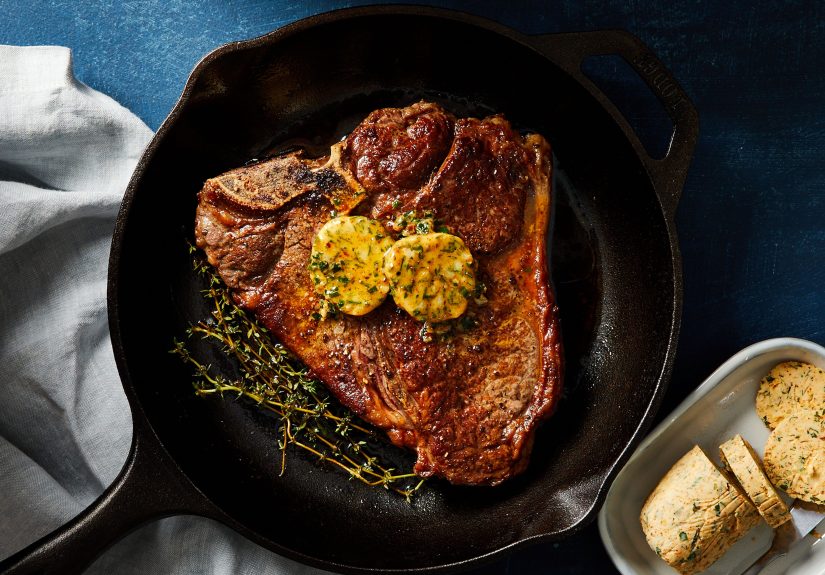
(1) chilled and sliced into “coins” that melt dramatically over hot food, or (2) warmed into a glossy dipping sauce
that makes even a basic grilled chicken breast taste like it has weekend plans.
If you’ve seen people dunking steak into a golden butter bath online, congratulationsyou’ve witnessed cowboy butter
doing what it does best: taking something already delicious and making it borderline unfair to the rest of the plate.
What Is Cowboy Butter (Exactly)?
At its core, cowboy butter is a compound buttermeaning butter mixed with flavorful add-ins like herbs, spices,
and something bright (usually lemon). What makes it “cowboy” is the particular personality:
tang from mustard and citrus, warmth from paprika and chili, and a fresh pop from herbs like parsley and chives.
The result is smoky-yet-bright, rich-but-not-flat, and unapologetically “put me on everything.”
The name’s origin is a little fuzzy (as most legendary cowboy stories are), but the vibe is crystal clear:
campfire-friendly, steak-adjacent, and built for foods that like a little swagger.
Why Cowboy Butter Works So Well
This isn’t magicit’s delicious chemistry. Butter is a fat, and many flavor compounds in spices are fat-soluble.
When you warm spices in butter, you’re basically giving them a VIP pass to bloom, deepen, and show up louder.
Then lemon and mustard come in with acidity to keep things from tasting one-note.
Finally, herbs bring freshness so the butter doesn’t feel heavy (even though it absolutely is heavy… it’s butter).
The Flavor Profile: What to Expect
- Rich and savory: butter + garlic = the universal love language.
- Bright: lemon zest and juice keep it lively.
- Tangy: Dijon (or stone-ground mustard) adds zip.
- Smoky and warm: paprika brings depth.
- Gently spicy (or not): cayenne/red pepper flakes are adjustable, like volume knobs for your tastebuds.
- Fresh: parsley, chives, and thyme make it taste “grown-up,” even when you’re dipping cornbread like a gremlin.
Key Ingredients (And Smart Substitutions)
Butter: salted vs. unsalted
Many recipes prefer unsalted butter so you control seasoning. If you use salted butter,
just go easy on added salt until you taste the final mix.
Garlic
Fresh garlic is classic. Grating it makes the flavor distribute evenly without chunky surprises. In a pinch,
garlic powder works, but fresh garlic is the main character here.
Lemon (zest + juice)
Zest gives aromatic citrus oils; juice brings acidity. If you only have one, choose zest for “wow” and juice for balance.
(Ideally, use boththis is cowboy butter, not “polite butter.”)
Mustard
Dijon is the standard, but stone-ground mustard adds texture. A small spoonful of prepared horseradish is also common
in some versions for extra kick.
Herbs
Parsley and chives are the usual duo. Thyme shows up often toouse a lighter hand because thyme can get loud fast.
No fresh herbs? Dried herbs work, but use about one-third as much.
Spices
Smoked paprika is popular (regular paprika works too). Cayenne and/or red pepper flakes add heat.
You can also sprinkle in chili powder, black pepper, or a dash of Worcestershire for savory depth.
How to Make Cowboy Butter: Two Best Methods
Method 1: Classic compound butter (sliceable, make-ahead)
This version is perfect if you want to keep cowboy butter in the fridge and slice off a pat whenever dinner needs saving.
It also looks fancy in a “I definitely have my life together” way.
- Soften butter: Leave it at room temp until spreadable (not melted). Think “easy to mash,” not “oil slick.”
- Mix: Stir in garlic, herbs, lemon zest/juice, mustard, spices, salt, and pepper until evenly combined.
- Shape: Spoon onto parchment or plastic wrap and roll into a tight log.
- Chill: Refrigerate until firm, then slice into coins for steaks, seafood, veggies, or bread.
Method 2: Melted cowboy butter sauce (dippable, party-ready)
This is the “steak dunk” versionwarm, glossy, and dangerously easy to overuse.
The trick is gentle heat so the butter stays smooth.
- Melt slowly: Warm butter over low heat.
- Bloom spices: Stir in paprika and chili/pepper for 30–60 seconds to wake them up.
- Off heat for the bright stuff: Turn off heat, then stir in mustard and lemon juice (keeps it from tasting dull).
- Add herbs last: Stir in fresh herbs right before serving for maximum freshness.
- Serve: Pour into a small bowl and let people dip like they’re in a cowboy butter commercial.
A Simple Cowboy Butter Recipe (Balanced, Not Overpowering)
This recipe lands in the sweet spot: bold enough for steak, friendly enough for vegetables, and flexible enough for your fridge reality.
Ingredients
- 1/2 cup (1 stick) unsalted butter, softened (or melted for dipping)
- 3 cloves garlic, finely minced or grated
- 1 tablespoon Dijon mustard
- 1 teaspoon lemon zest + 1 tablespoon lemon juice
- 1 tablespoon chopped fresh parsley
- 1 tablespoon chopped fresh chives
- 1/2 teaspoon smoked paprika
- 1/4 teaspoon cayenne (or 1/2 teaspoon red pepper flakes), adjust to taste
- 1/2 teaspoon kosher salt (start lower if using salted butter)
- 1/4 teaspoon black pepper
- Optional: 1 teaspoon Worcestershire, 1 tablespoon minced shallot, 1 teaspoon prepared horseradish, pinch of chili powder, a few thyme leaves
Instructions
- In a bowl, mash softened butter until smooth.
- Stir in garlic, mustard, lemon zest/juice, herbs, paprika, cayenne/red pepper flakes, salt, and pepper.
- Taste and adjust: more lemon for brightness, more mustard for tang, more chili for heat.
- Serve immediately, or roll into a log and chill until firm for slicing.
What to Serve With Cowboy Butter
The classic pairing is steak, but cowboy butter doesn’t discriminate. It’s an equal-opportunity flavor booster.
Here are winning matches (and a few surprise hits):
Steak & beef
- Ribeye, New York strip, flank steak, tri-tip
- Steak bites (dip or toss lightly in melted cowboy butter)
- Burgers (spread on buns, or melt over patties at the finish)
Chicken, pork, and seafood
- Grilled chicken breasts (cowboy butter makes them stop being sad)
- Pork chops or tenderloin
- Shrimp, salmon, scallopsespecially grilled or pan-seared
Vegetables and starches
- Grilled corn, roasted broccoli, asparagus, green beans
- Baked potatoes, mashed potatoes, roasted fingerlings
- Warm bread, Texas toast, cornbread (yes, really)
- Pasta: toss a spoonful into hot noodles as a quick “I tried” sauce
Cowboy Butter Variations (Choose Your Adventure)
1) Extra-spicy “Campfire Heat”
Add more cayenne, a pinch of chili powder, and a little extra black pepper. Great for fattier steaks like ribeye.
2) “Steakhouse” Cowboy Butter
Stir in a teaspoon of Worcestershire and a small spoonful of prepared horseradish. It’s punchy and addictive.
3) Herb-garden Cowboy Butter
Add basil, dill, or tarragon along with parsley and chives. Keep the mustard; reduce the chili for a softer profile.
4) Citrus-forward
Use extra zest, a splash of orange or lime, and a little honey for balance. This one shines on seafood and grilled vegetables.
5) Shortcut “Ranch Cowboy”
If you’re low on fresh herbs, blend softened butter with ranch seasoning, lemon zest, and a pinch of paprika.
It’s not traditional, but it’s wildly snackable.
Pro Tips for Better Cowboy Butter
- Chop everything small: Fine mincing = even flavor in every bite.
- Use room-temp butter for compound butter: It blends smoothly instead of streaking.
- Add lemon juice gradually: You want brightness, not a sour punch.
- Don’t scorch the melted version: Low heat keeps the butter glossy instead of separated.
- Salt last: Especially if your butter is salted or your mustard is assertive.
Storage, Make-Ahead, and Food Safety
Cowboy butter is a make-ahead dream. Once mixed, roll it into a log and refrigerate until firm.
For best flavor and texture, plan to use refrigerated cowboy butter within about a week.
Some cooks stretch that window longer if it’s tightly wrapped and handled cleanly, but fresher is better.
For longer storage, freeze the log (or freeze pre-sliced coins with parchment between them).
Most home cooks keep frozen cowboy butter for several monthshandy for surprise steak nights, emergency garlic bread,
and any situation where you want applause for minimal effort.
FAQ: Cowboy Butter Questions People Actually Ask
Is cowboy butter supposed to be spicy?
It can be, but it doesn’t have to be. Think of the heat as optional “cowboy boots”wear them if you want, skip them if you don’t.
Start mild, then increase cayenne or red pepper flakes until you’re happy.
Is cowboy butter the same as garlic butter?
It’s garlic butter’s more interesting cousin. Garlic butter is usually butter + garlic + maybe parsley.
Cowboy butter adds mustard, lemon, and spices for a tangy, smoky, slightly spicy edge.
Should I serve it melted or chilled?
Depends on the vibe. Melted is great for dipping steak, shrimp, or bread. Chilled and sliced is perfect for topping hot food
(the melt-on-contact moment is very satisfying).
Can I use dried herbs?
Yes. Use about one-third the amount of dried herbs compared to fresh, and consider adding extra lemon zest to keep it bright.
Conclusion: Your New “Put It On Everything” Secret
Cowboy butter is the kind of recipe that makes you feel like a culinary genius without asking you to do anything heroic.
It’s fast, flexible, and ridiculously effectiveespecially on grilled meat, roasted vegetables, and warm bread.
Make a log, keep it chilled, and you’ll always be one slice away from upgrading dinner.
Cowboy Butter Experiences: The Real-Life “Oops, Now I’m Addicted” Moments (About )
The first “cowboy butter experience” usually happens the same way: you make it for steak, you serve it politely in a little bowl,
and then the table turns into a dipping festival. Someone tries a tiny taste. Someone else says, “Wait… what is this?”
And within minutes, your butter is the main event and the steak is supporting cast. That’s not exaggerationit’s just what happens
when lemon, garlic, and herbs ride into town together.
One thing home cooks quickly learn is that cowboy butter is less of a single recipe and more of a reliable formula.
Once you understand the base (butter + garlic + herbs + acid + spice), you start adjusting it to match the meal.
Grilling seafood? You’ll lean heavier on citrus and herbs, maybe ease up on the chili. Serving thick ribeye?
You’ll add smoky paprika and a little more heat. Making cornbread for a cookout? Suddenly you’re dipping it into melted cowboy butter
and wondering why this isn’t a national holiday.
Another common experience: the “accidental fancy dinner.” You put a pat of cowboy butter on chicken, and people swear you did something complicated.
You didn’t. You mixed butter with things. But because it melts into a glossy sauce with visible flecks of herbs, it looks intentional.
It’s the culinary equivalent of wearing sunglasses indoorsunnecessary, but it makes you look like you know something.
Cowboy butter also teaches a practical lesson in timing. If you’re making the compound-butter log, truly soft butter matters.
If it’s too cold, mixing becomes a workout. If it’s too warm, your log won’t set cleanly and slicing gets messy.
Many cooks end up treating butter like a pet that needs the right environment: not too hot, not too cold, just… chill.
On the flip side, the melted dipping sauce rewards patiencelow heat, no rushing, and herbs stirred in at the end for fresh flavor.
Then there’s the “unexpected uses” phase, which is basically inevitable. Someone tries it on roasted carrots.
Someone stirs it into rice. Someone spreads it on a grilled cheese and claims it’s “life-changing,” which is dramatic,
but also… kind of accurate. Eventually you realize cowboy butter is a cheat code: it turns leftovers into something you actually want to eat.
Cold steak becomes steak-and-eggs material. Plain potatoes become a side dish people request.
A loaf of bread disappears faster than your best intentions.
And finally, the most universal experience: you start making double batches. Not because you planned to,
but because you’ve seen what happens when you don’t. Cowboy butter doesn’t last. It vanishesquietly at first,
then all at onceleaving behind a buttery bowl and a group of people looking around like, “So… we’re making more, right?”