Table of Contents >> Show >> Hide
- When a Birthday Cake Turns Into a Customer-Service Mystery
- What Reportedly Happened With the Costco Blank Cake
- Why Copyright Comes Up in Custom Cakes
- The Real Problem Was Communication
- Costco Cakes Are Popular for a Reason
- Was Costco Wrong to Avoid a Copyrighted Theme?
- What Shoppers Should Do Before Ordering a Custom Cake
- What Businesses Can Learn From the Blank Cake Backlash
- Why the Internet Took the Mom’s Side
- Related Experience: What This Cake Fail Feels Like in Real Life
- Conclusion
- SEO Tags
Sapo: A viral Costco cake fail has people debating bakery policies, copyright rules, customer service, and whether a blank white cake with a few icing tubes counts as “problem solved.” Here is what happened, why it struck such a nerve, and what shoppers can learn before ordering a custom cake for their next party.
When a Birthday Cake Turns Into a Customer-Service Mystery
Planning a toddler’s birthday party is already a tiny Olympic event. There are snacks to buy, balloons to wrestle into submission, decorations to tape to walls that absolutely do not want tape, and at least one moment where someone asks, “Do we have enough napkins?” as if napkins are the foundation of civilization. In the middle of all that, one mom expected her Costco cake pickup to be the easy part. Instead, she reportedly walked away with a plain white cake, a few tubes of icing, and a story the internet could not stop discussing.
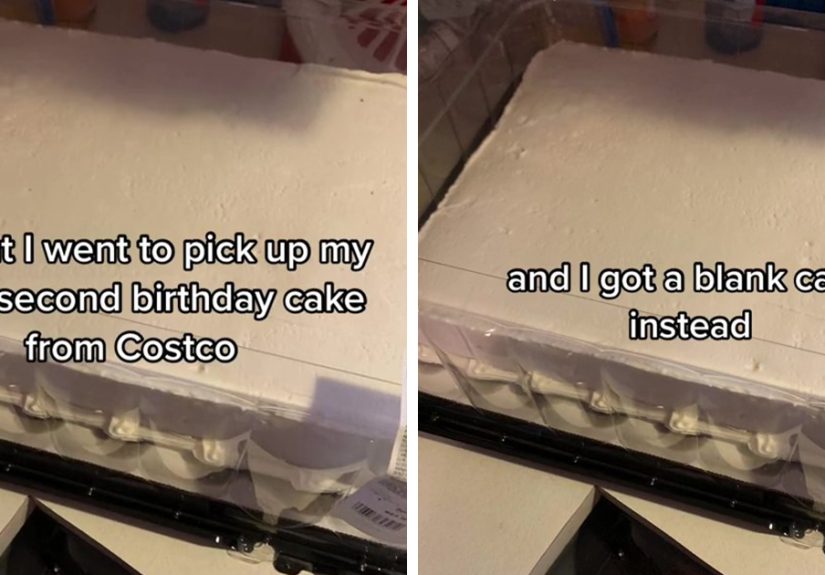
The viral incident centered on a mother, identified in public coverage as Katelynn Ross, who was preparing a second birthday party for her son. According to the widely shared account, she ordered a cake from Costco with a simple child-friendly design: birthday writing, alphabet and number details, borders, and a small street-sign-style element for a Sesame Street-inspired party. When she picked it up the night before the celebration, the cake was reportedly blank.
Not “slightly different from the example photo” blank. Not “the decorator used the wrong shade of blue” blank. Blank as in the cake looked like it was waiting for someone else to start the assignment.
That is where the story became more than just another bakery mishap. The customer believed the issue may have involved copyright concerns because the party theme resembled a well-known children’s franchise. But instead of simply avoiding the potentially copyrighted element and still adding the name, border, and generic birthday details, the bakery allegedly left the entire cake undecorated. The result was a classic modern internet debate: Was Costco being legally cautious, operationally practical, or just incredibly unhelpful?
What Reportedly Happened With the Costco Blank Cake
According to public reports, the mother arrived in the evening, when cake decorators were no longer available. That timing mattered. If a customer picks up a cake earlier in the day and something is wrong, there may be a chance for bakery staff to fix it. But a late pickup can turn a small problem into a frosting emergency. In this case, the customer allegedly received icing colors to take home and complete the cake herself.
That might sound helpful in theory, in the same way handing someone a wrench and pointing at a smoking car is technically “providing tools.” But for a parent facing a party the next day, a blank cake is not a charming DIY kit. It is one more task added to the party-planning pile at the exact moment when the pile is already leaning dangerously.
The customer reportedly decorated the cake herself at home. Fortunately, she had prior bakery experience, so she managed to save the cake and make it presentable for the birthday party. Still, the frustration was understandable. She had not ordered a craft project. She had ordered a finished birthday cake.
The most debated detail was not simply that Costco may have declined to recreate a copyrighted design. Many bakeries avoid licensed characters, logos, sports team marks, and recognizable cartoon imagery unless they have permission or use approved licensed decorations. The bigger issue was the apparent all-or-nothing response. If a bakery cannot draw a Sesame Street-style sign, can it still write “Happy Birthday” and add borders? Many customers would say yes, please, and preferably before bedtime.
Why Copyright Comes Up in Custom Cakes
Custom cakes occupy a surprisingly complicated corner of the dessert universe. On one side, they are food. On the other, they can become edible artwork. When a customer asks for a cake featuring a famous cartoon character, movie logo, superhero emblem, college mascot, or branded design, the bakery may be dealing with intellectual property rules, not just frosting preferences.
In the United States, copyright can protect original artistic works, while trademark law can protect brand names, logos, and identifying symbols. A bakery that sells a cake decorated with a recognizable protected character may be reproducing someone else’s protected creative work for commercial purposes. That is why many chain bakeries keep their custom cake designs limited to pre-approved templates, licensed kits, or generic decorations.
Generic Theme vs. Protected Character
There is a big difference between a “space party” cake and a cake showing a specific movie spaceship with a specific logo. There is a difference between a “princess-inspired” cake and a cake designed to look exactly like a famous animated princess. There is also a difference between a colorful street-sign-style design and one that copies a protected show’s trade dress too closely.
That gray area is where things get messy. Customers often think, “I just want something similar.” Bakeries often hear, “Please create a lawsuit in buttercream.” Neither side is necessarily trying to be difficult. They are just looking at the same cake from two different angles: one emotional, one legal.
Why Big Retail Bakeries Are Extra Careful
A small local baker may have a conversation with a customer, sketch an alternative design, and explain what can and cannot be copied. A massive retailer like Costco usually needs rules that thousands of employees can apply consistently. That often means fewer custom options, more standardized forms, and a stronger preference for approved designs.
From a business perspective, that makes sense. From a parent’s perspective, it can feel rigid, especially when the result is a blank cake. A policy may be reasonable, but the customer experience still depends on how that policy is communicated.
The Real Problem Was Communication
Most people can accept a rule when it is explained clearly. “We cannot draw that character, but we can use red, yellow, and blue borders and write your child’s name” is a completely different customer experience from “Here is your blank cake, good luck and may the frosting odds be ever in your favor.”
Public discussion of the story suggested that Costco may have tried to call the customer before pickup. If that happened, it adds important context. A bakery that cannot reach a customer has to make a decision. Should it cancel the order? Decorate only the safe parts? Leave the cake blank? Include icing and hope the customer can manage?
There is no perfect answer when the party is tomorrow and the customer is unreachable. But the best customer-service approach would usually be to complete every noncontroversial part of the order. A birthday message, a name, a simple border, balloons, stars, dots, stripes, or generic colors can go a long way. A cake does not need a famous character to look festive.
That is why the blank-cake choice frustrated so many people. It looked less like cautious copyright compliance and more like the bakery froze at the first sign of uncertainty. In customer service, uncertainty is normal. Silence is the part people remember.
Costco Cakes Are Popular for a Reason
One reason this story spread so far is that Costco cakes have a loyal fan base. For many families, Costco is the reliable party headquarters: cake, snacks, fruit trays, chips, soda, pizza, and maybe a 40-pack of something nobody planned to buy but suddenly needs. Costco cakes are known for feeding a crowd at a price that makes parents breathe a little easier.
That affordability is part of the bargain. Costco is not a boutique cake studio where a decorator spends hours sculpting fondant flowers and hand-painting edible watercolor animals. It is a warehouse bakery built for volume, consistency, and value. Customers usually understand that. They do not expect a museum-quality sugar sculpture. They do expect the cake order to be followed within the bakery’s stated limits.
Costco’s newer app-based cake ordering process also shows how much demand there is for more convenient cake ordering. Modern customers want confirmations, clear choices, and fewer paper forms. A digital process can reduce confusion if it clearly shows which designs are available, which modifications are allowed, and what will happen if a request cannot be completed.
That is the key lesson: the easier it is to order, the clearer the boundaries must be. A customer should not have to solve copyright law while holding a shopping cart full of juice boxes.
Was Costco Wrong to Avoid a Copyrighted Theme?
If the design was too close to a protected children’s show, Costco may have been right to avoid copying it. Large retailers cannot treat intellectual property casually. Even if a single birthday cake seems harmless, a company-wide practice of recreating famous characters without permission would create legal risk.
However, avoiding a copyrighted element does not automatically explain leaving the whole cake blank. A bakery can reject the protected design and still provide generic decoration. For example, it could use bright primary colors, write the child’s name, add numbers and letters, pipe a border, or decorate with non-branded party elements.
That middle-ground solution matters because customers are not just buying cake. They are buying relief. They are paying someone else to handle one important piece of an event. When that piece comes back unfinished, the customer is not just disappointed in the frosting. They are suddenly managing a time-sensitive problem.
Copyright Caution Is Valid
Retail bakeries should not be expected to copy licensed characters on demand. A decorator saying “I cannot draw that specific character” is not being lazy. They may be following policy and protecting the business.
Customer Expectations Are Also Valid
A customer who orders a decorated birthday cake expects a decorated birthday cake. If part of the request is impossible, the bakery should make that clear as early as possible and offer approved alternatives. The problem is not the word “no.” The problem is when “no” arrives disguised as a blank rectangle of frosting.
What Shoppers Should Do Before Ordering a Custom Cake
This Costco cake fail is funny from a distance, but it also offers practical advice for anyone ordering a birthday cake from a warehouse bakery, supermarket bakery, or local shop.
1. Ask What Designs Are Actually Allowed
Before assuming a bakery can create a custom theme, ask whether it uses approved templates only. Some bakeries can write names and messages but cannot create detailed custom artwork. Others can customize colors but not characters. The phrase “custom cake” does not mean the same thing everywhere.
2. Avoid Copyrighted Characters Unless Licensed Options Exist
If the party theme is based on a famous show, movie, game, or sports team, ask whether the bakery has licensed decorations. If not, choose a generic theme inspired by colors or shapes rather than copying protected artwork. A “sunny monster party” or “rainbow street party” can capture the mood without recreating a specific brand.
3. Provide a Backup Design
Write a simple backup instruction: “If the sign cannot be done, please use balloons and write Happy Birthday Teddy.” That one sentence can save the bakery from guessing and save you from receiving a cake that looks like it is waiting for a PowerPoint title slide.
4. Answer Unknown Calls Near Pickup Time
Yes, unknown numbers are often spam calls trying to discuss your car warranty’s spiritual journey. But if you have a cake order pending, answer or check voicemail. A bakery may be calling about a design issue, pickup detail, or substitution.
5. Pick Up Earlier When Possible
Evening pickup can be convenient, but it may leave fewer employees available to fix mistakes. If the cake is important, picking it up earlier gives you time to inspect it, ask questions, and request corrections.
6. Keep Emergency Decorating Supplies
For major parties, it never hurts to have candles, sprinkles, candy letters, small toys, or printable toppers ready. Nobody wants to become a last-minute cake decorator, but a backup plan can turn disaster into “actually, this looks pretty cute.”
What Businesses Can Learn From the Blank Cake Backlash
The viral reaction to this story shows that customers do not expect perfection as much as they expect common sense. Mistakes happen. Policies exist. Orders get complicated. But a business can lose goodwill when the solution feels incomplete.
For bakeries and retailers, the lesson is simple: do not make the customer decode the problem. Explain it. If a design cannot be made, say why. If the customer cannot be reached, decorate the cake with the approved elements and document the decision. If the only safe option is a blank cake, offer a meaningful apology and a realistic remedy.
A small discount may not feel proportional when the customer has to spend the night before a child’s birthday piping frosting at home. Compensation is not only about money. It is about acknowledging stress, time, and inconvenience. A sincere apology, a refund, or a replacement option can go further than a token gesture that feels like a shrug with a barcode.
Retailers also need clear order forms. A modern cake-ordering system should include design limitations in plain language. It should warn customers when they request copyrighted themes. It should allow backup choices. It should send confirmation messages. The fewer assumptions involved, the fewer viral blank cakes the internet gets to judge.
Why the Internet Took the Mom’s Side
People online often split into teams over customer-service stories. Some defend the employee. Some defend the customer. Some arrive only to say everyone is wrong and then vanish like a mysterious frosting philosopher. In this case, many commenters sympathized with the mom because the situation felt emotionally familiar.
Most people have experienced a last-minute party problem. The balloons did not arrive. The cupcakes melted. The tablecloth was the wrong size. The guest of honor suddenly decided they hate the theme they requested for six months. A blank cake the night before a birthday party fits perfectly into that category of tiny disasters that feel huge when you are living through them.
The story also worked because the image is so easy to understand. A blank cake needs no translation. It instantly says, “Something went wrong here.” Add the detail that the customer was given icing to finish it herself, and the internet had its punchline.
Still, the most balanced reading is not “Costco is terrible” or “the customer expected too much.” The fair takeaway is that both sides may have faced constraints, but the final customer experience failed. A bakery can be right about copyright and still wrong about communication.
Related Experience: What This Cake Fail Feels Like in Real Life
Anyone who has planned a family party knows the cake is never just cake. It is the centerpiece, the photo prop, the ceremonial object everyone gathers around while singing slightly out of sync. A child may not remember every decoration, but parents remember whether the day felt joyful or chaotic. That is why a blank cake can feel like a much bigger problem than it looks on paper.
Imagine spending weeks thinking through a theme. You choose colors, order plates, find little decorations, and maybe convince yourself that a toddler will appreciate visual consistency. Then, the night before the party, you pick up the cake and realize the main decorative piece is missing. Not slightly wrong. Missing. At that moment, you are not calmly analyzing bakery policy. You are mentally calculating how late craft stores stay open.
The practical experience is stressful because time is limited. If a cake issue appears two days before the party, there are options. You can call another bakery, adjust the design, buy toppers, or make cupcakes. If it happens at night before the event, every solution becomes harder. The parent is tired, the house may still need cleaning, and the party supplies are probably scattered across the kitchen like a festive tornado.
There is also the emotional side. Parents often put pressure on themselves to make birthdays feel special. Social media has raised the bar, sometimes unfairly, for what a “simple” party looks like. A cake problem can trigger that little voice that says, “I should have planned better,” even when the problem was not the parent’s fault. That is why customer-service failures around celebrations feel personal. They happen at moments people are trying to make memories.
At the same time, this story also shows how resourceful people can be. The mom reportedly used the icing provided and turned the blank cake into something party-ready. That does not erase the inconvenience, but it does highlight a classic parent skill: transforming panic into a workable solution while pretending everything is fine. Parents are basically event planners, crisis managers, snack distributors, and amateur decorators operating on caffeine and hope.
For shoppers, the experience suggests a useful rule: treat custom cakes like event equipment, not casual groceries. Confirm the design. Ask about limits. Get the pickup time early enough to fix problems. Keep a backup topper or decoration. If the cake matters to the photos and the mood of the day, build in a safety net.
For businesses, the experience is a reminder that customers want partnership. When a request cannot be fulfilled, the best response is not silence or a half-solution. It is communication, empathy, and a reasonable alternative. A customer may forgive a policy restriction. They are less likely to forgive feeling abandoned at the exact moment they needed help.
In the end, the Costco blank cake story became viral because it was relatable, funny, frustrating, and oddly educational. It taught people about copyright caution in bakeries, the limits of warehouse custom orders, and the importance of checking your cake before leaving the store. Most of all, it proved that a blank cake can carry a surprisingly full serving of drama.
Conclusion
The viral Costco cake incident is not just a story about frosting. It is a case study in expectation, communication, and the awkward space where customer requests meet corporate policy. If the bakery was worried about copyrighted imagery, that concern may have been legitimate. But customers still expect clear communication and a finished product that reflects the parts of the order that can be completed.
For anyone ordering a custom cake, the safest approach is to choose approved designs, avoid protected characters unless licensed options are available, provide backup instructions, and pick up early enough to handle surprises. For retailers, the lesson is even simpler: when a cake cannot be made as requested, do not leave the customer staring at a blank canvas unless that was actually the order.
A birthday cake does not need to be perfect. It does, however, need to look like someone tried. In this case, the internet decided the mom did the final trying herselfand that is exactly why the story stuck.